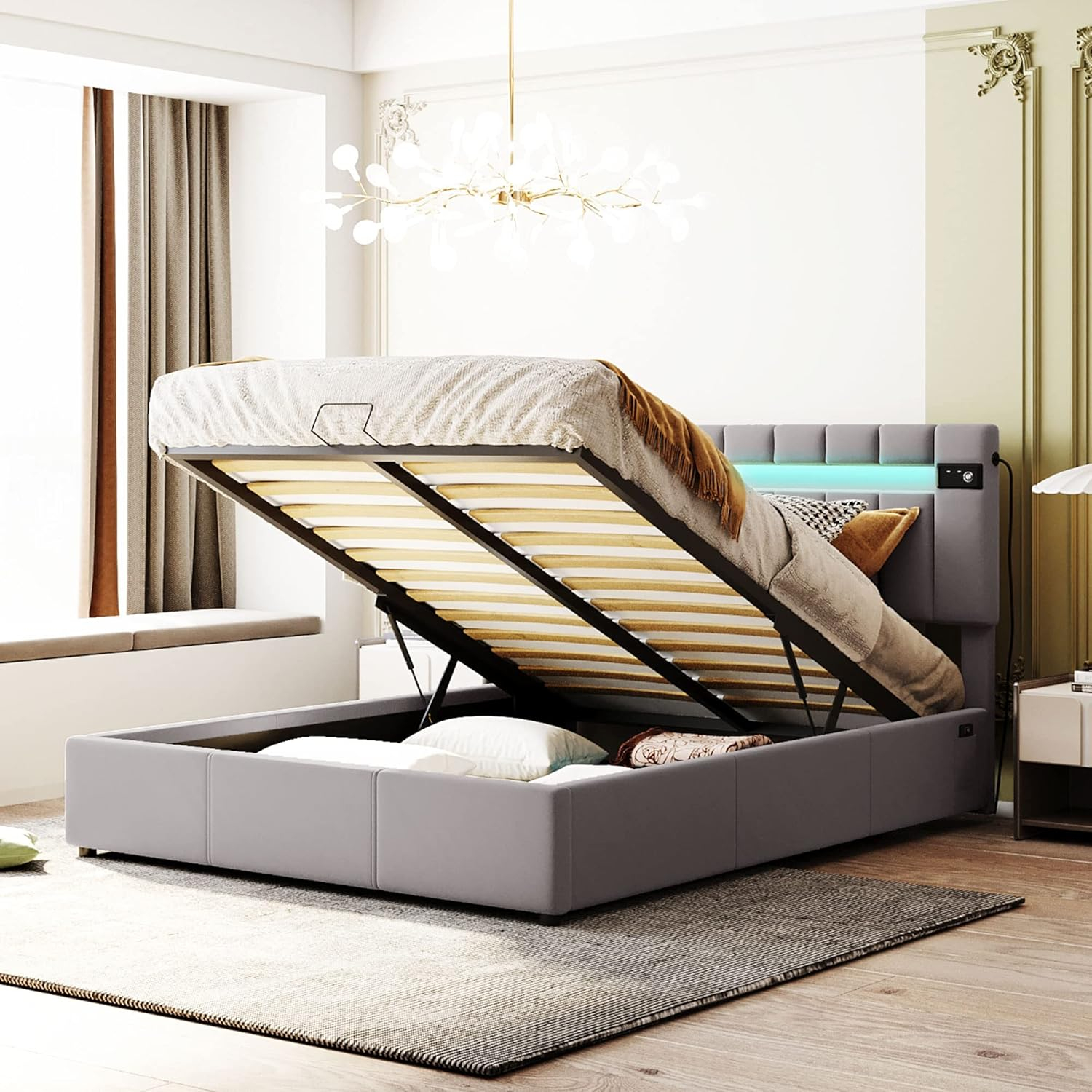
You know that feeling when you walk into your bedroom and there’s barely room to turn around? Yeah, me too. Especially if you’re renting a studio or a one-bedroom in the city where every square foot costs a fortune. You look at that empty space under your bed and think, "I could fit so much stuff there." But then you remember the dust bunnies, the struggle of dragging heavy bins out from underneath, and the fact that you’d probably hurt your back trying to retrieve a winter coat in July.
It’s frustrating, isn’t it? We want our homes to feel open and airy, but we also have things. Lots of things. Clothes, shoes, extra bedding, maybe some hobby gear we don’t use every day. For years, the answer was just "buy more shelves" or "get rid of stuff." But in 2026, with living spaces getting smaller and rents staying high, furniture has had to get smarter. Enter the hydraulic storage bed. It sounds fancy, maybe even a bit industrial, but it’s basically just a bed that lifts up easily to reveal a massive storage cavity. The question is, is it actually worth the cash and the hassle? Let’s dig in.
How Does This Thing Actually Work?
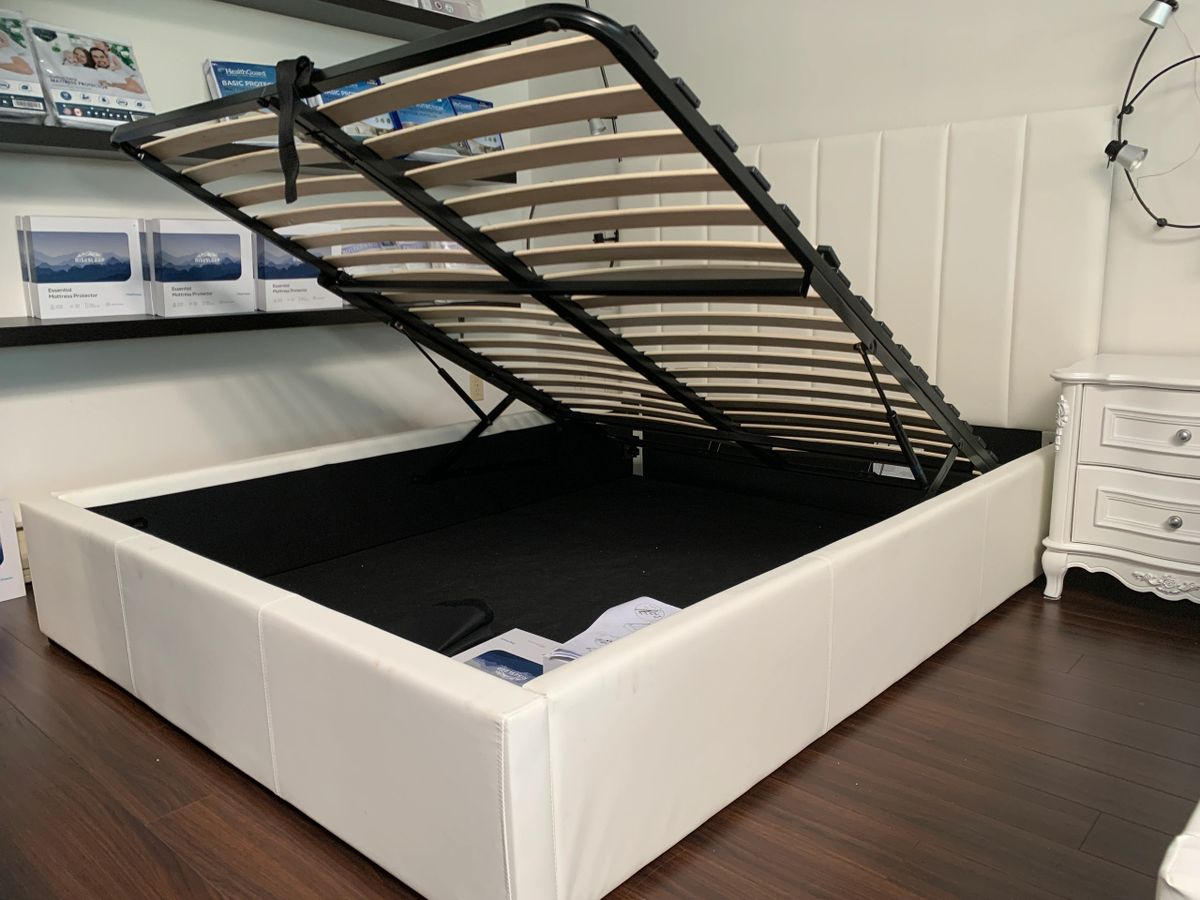
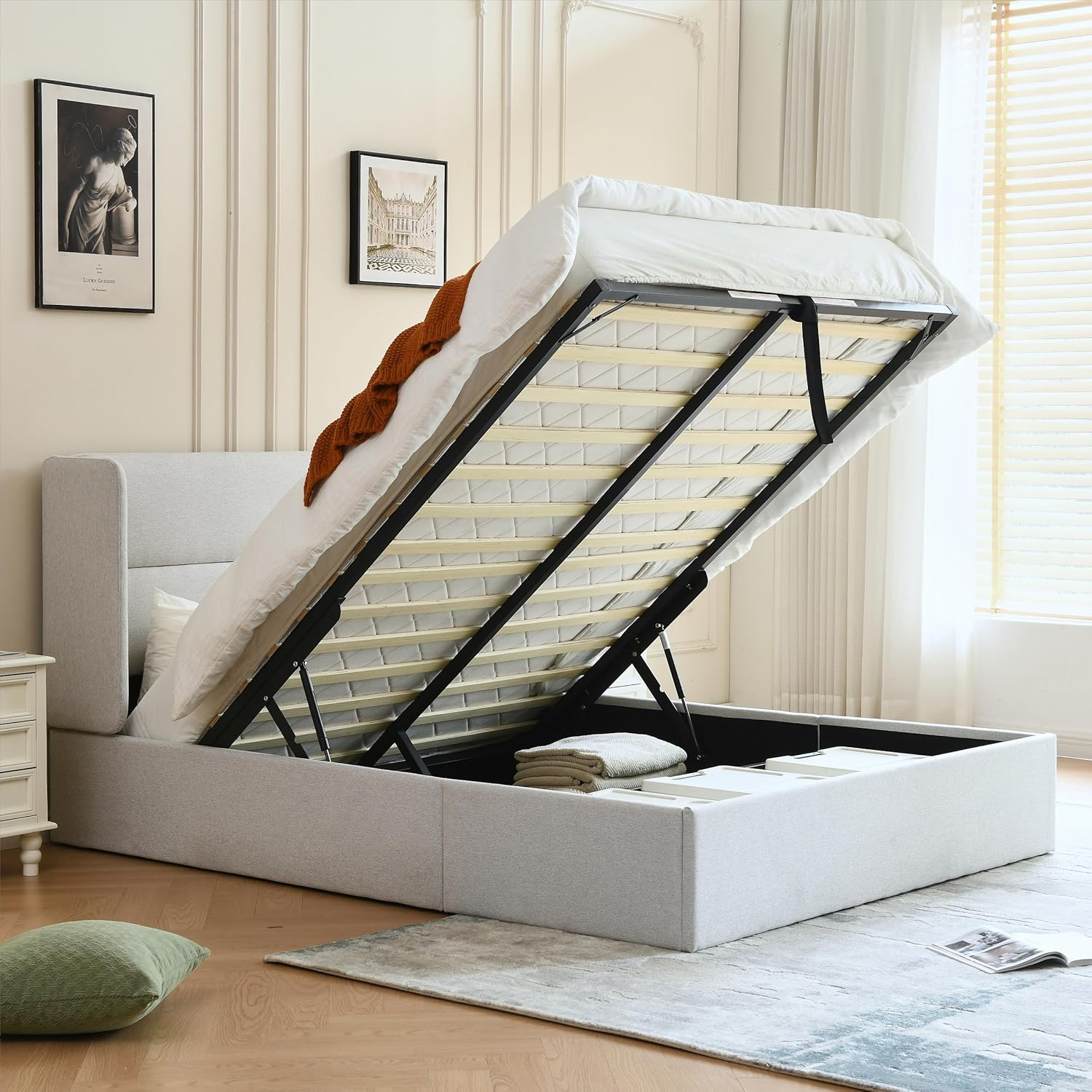
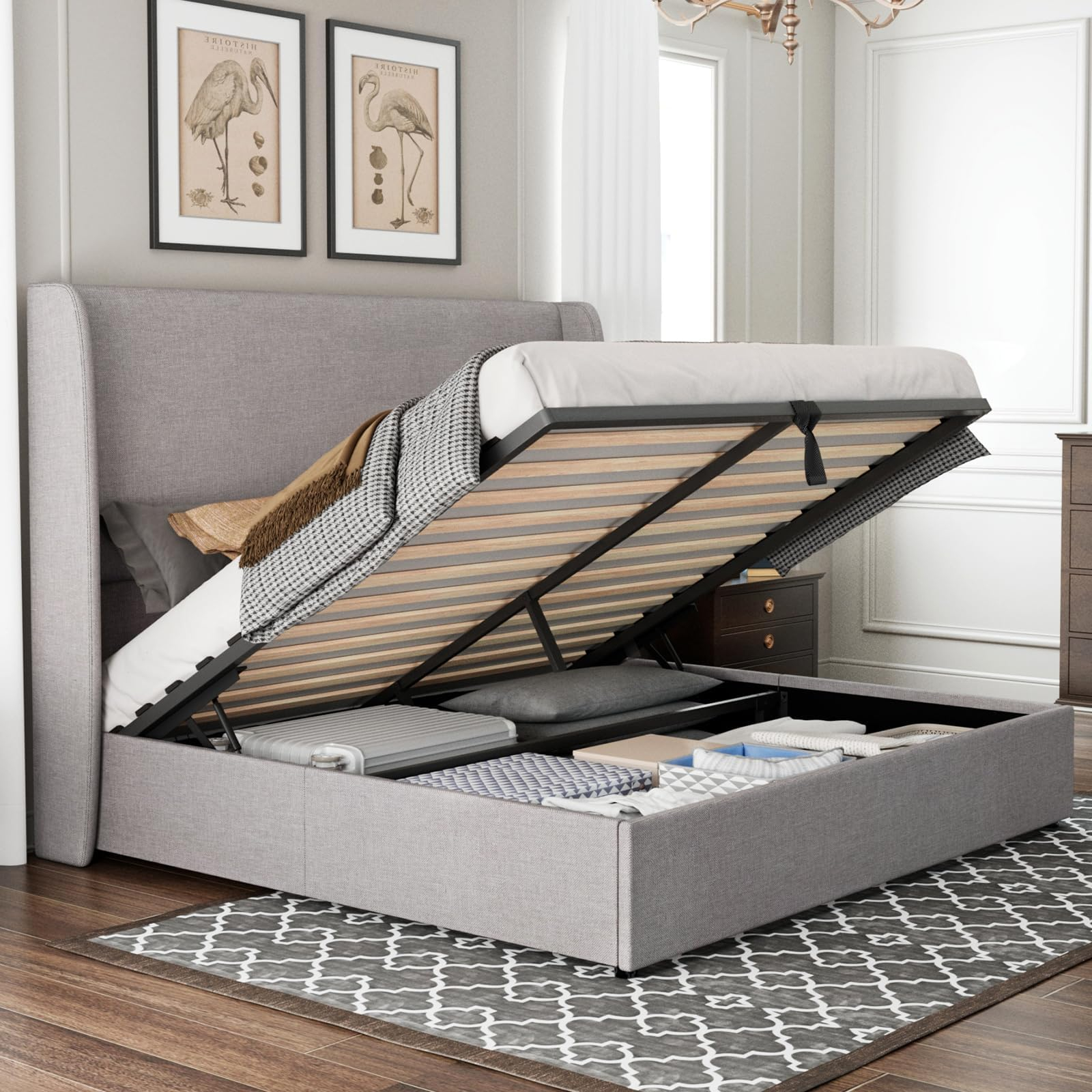
So, what exactly is a hydraulic bed? It’s not like there’s actual liquid hydraulics pumping around inside your frame (thank goodness, that would be messy). Instead, these beds use gas-lift pistons, similar to what you find in the trunk of a car or an office chair. These mechanisms counterbalance the weight of the mattress and the base, allowing you to lift the entire sleeping surface with minimal effort. You usually pull a handle or a strap at the foot of the bed, and whoosh, the whole platform rises smoothly.
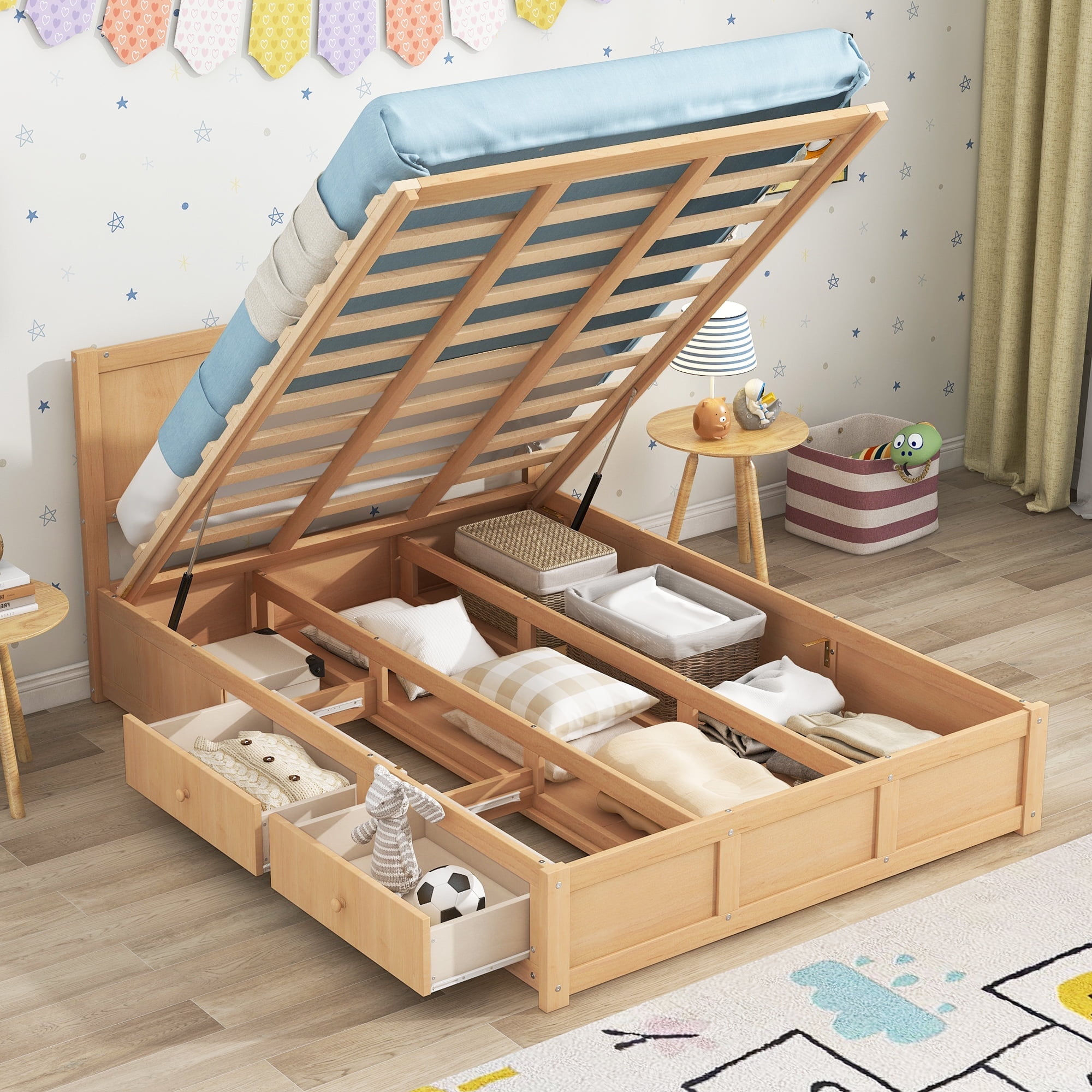
Underneath, you’ve got a huge, open compartment. We’re talking about the same footprint as your bed, usually around 12 to 18 inches deep. That is a lot of volume. Unlike drawer beds, which chop up the space into smaller sections, a lift-up bed gives you one giant cavern. This is great for bulky items like suitcases, duvets, or off-season clothing stored in large bins. The mechanism is designed to hold the bed up while you access your stuff, so you don’t have to worry about it slamming down on your head. Most modern designs from reputable brands in 2026 include safety locks to prevent accidental closing, which is a huge relief.
The beauty of this system is its simplicity. There are no complex electronics to break or batteries to replace. It’s mechanical, sturdy, and generally very reliable. However, it does require a specific type of mattress support. Most of these beds come with a solid platform or closely spaced slats. This means you don’t need a box spring. In fact, adding a box spring would make the bed way too tall and might interfere with the lifting mechanism. So, if you’re used to that old-school setup, you’ll need to adjust. But honestly? The streamlined look without the box spring is much cleaner and fits better in modern apartments.
The Space-Saving Magic (And The Reality Check)
Let’s talk about the main reason people buy these things: space. If you live in a small apartment, floor space is prime real estate. A standard dresser takes up about 15 to 20 square feet of floor area. A hydraulic bed takes up zero extra floor space because it utilizes the area already occupied by the bed. By moving your storage from a dresser or shelving unit into the bed, you literally free up room for other things. Maybe you can finally fit that yoga mat area, a small desk, or just enjoy the visual breathing room.
According to recent data from furniture retailers like Amerlife and Ingenufurn, lift-up beds are considered one of the most effective space-saving solutions for urban dwellers. They allow you to consolidate storage that would otherwise require multiple pieces of furniture. Imagine getting rid of that bulky chest of drawers in the corner. Suddenly, your room feels twice as big. It’s not just about fitting more stuff; it’s about reducing visual clutter. When your clothes and linens are hidden away under the bed, the room feels calmer. And in a small space, calm is expensive.
But here’s the reality check: it only works if you actually use the space. Some people buy these beds and then forget about the storage underneath because it’s slightly inconvenient to access daily items. If you need your socks every morning, a hydraulic bed isn’t the right spot for them. This storage is best for things you don’t need every day. Seasonal clothes, extra towels, luggage, memorabilia. If you try to use it for daily essentials, you’ll find yourself lifting that bed up and down ten times a day, and trust me, you’ll stop doing that after a week. It’s about strategic storage, not convenient storage.
Hydraulic Lift vs. Drawers: Which One Wins?
This is the big debate. When you’re shopping for storage beds, you’ll mostly see two types: hydraulic lift-ups and drawer beds. Drawer beds have, well, drawers that slide out from the sides or foot of the bed. They seem easier, right? Just pull and go. But there’s a catch. Drawers require clearance. You need at least 2 to 3 feet of open space around the bed to fully extend the drawers. If your bed is pushed against a wall or in a tight corner, those drawers are useless. You can’t open them.
Hydraulic beds, on the other hand, only need clearance at the foot of the bed to lift up. You can push the sides and headboard right against the walls. This makes them infinitely more versatile for awkward room layouts. In a narrow studio where the bed has to go in a specific spot, a lift-up bed is often the only storage option that works. Plus, the total storage volume in a lift-up bed is usually larger. Drawers have thick sides and tracks that eat up internal space. A lift-up compartment is just an open box, maximizing every inch.
However, drawers do win on accessibility for smaller items. If you have a lot of small things like underwear, socks, or tech cables, drawers with dividers are way better. With a lift-up bed, everything is in one big pile unless you bring your own organizers. So, it really comes down to your room layout and what you’re storing. If you have space around your bed and want easy access to daily items, go for drawers. If you’re tight on space, have bulky items, or need to push the bed against a wall, the hydraulic lift is the clear winner. In 2026, many experts suggest hybrid models, but they are rare and expensive. For most apartment dwellers, picking one style based on room geometry is the smart move.
Safety, Durability, and The "Will It Break?" Factor
A common worry is safety. Is it going to crush my fingers? Is the gas piston going to explode? Let’s put those fears to rest. Modern hydraulic beds are incredibly safe. The gas struts are sealed units designed to withstand thousands of cycles. Reputable manufacturers test these mechanisms rigorously. As long as you buy from a trusted brand (check reviews and warranties!), the risk of malfunction is tiny. The struts are calibrated to hold the weight of the mattress and base securely in the open position. You have to apply deliberate downward force to close it. It won’t just drop on you.
Durability is another key point. These beds are built to last. The frames are usually made of solid wood or heavy-duty metal to support the leverage forces involved in lifting. Cheap versions might use particle board, which can sag or break over time, especially if you store heavy items. In 2026, the market has shifted towards higher-quality materials due to consumer demand for longevity. Look for beds with steel-reinforced frames and high-quality gas struts. A good hydraulic bed should last 10 to 15 years easily. The struts themselves might lose a bit of pressure after 5-7 years, but they are replaceable. It’s not like the whole bed is trash if one part wears out.
Maintenance is practically non-existent. You don’t need to oil anything or charge any batteries. Just keep the mechanism clean from dust and debris. Occasionally, you might want to wipe down the struts with a dry cloth. That’s it. The biggest threat to durability is overloading. Don’t stack 500 pounds of books in there. Stick to reasonable weights (most beds support 100-150 lbs of storage weight evenly distributed). If you treat it right, it’s a set-and-forget piece of furniture. It just works, day after day, without demanding attention.
The Cost Equation: Is It Worth The Premium?
Let’s talk money. Hydraulic storage beds are more expensive than standard bed frames. A basic platform bed might cost $300-$500. A quality hydraulic storage bed? You’re looking at $800 to $1,500 or more, depending on size and material. That’s a significant jump. So, is it worth it? To answer that, you have to do the math on what you’re replacing. If buying this bed allows you to NOT buy a $400 dresser and a $200 shelving unit, then the net cost is actually lower. Plus, you gain floor space, which in cities like New York or San Francisco, is invaluable.
Think about the cost per square foot of storage. A self-storage unit costs $100-$200 a month. Over a year, that’s $1,200-$2,400. A hydraulic bed costs once and lasts for years. It pays for itself quickly if it helps you avoid renting external storage or moving to a larger, more expensive apartment just for the extra closet space. In 2026, with housing costs still high, the ability to maximize your current space is a financial strategy, not just a furniture choice. It’s an investment in your living quality.
Also, consider the resale value. Quality storage beds hold their value well because they are functional. If you move to a larger place, you can sell it or keep it for guest rooms. Cheap beds end up in landfills. Good storage beds end up in new homes. When you factor in longevity and utility, the premium price tag starts to look like a bargain. It’s not just a bed; it’s a storage solution, a space optimizer, and a long-term asset. Just make sure you budget for a good mattress too, since you can’t use a box spring.
If you decide to take the plunge, here are some tips to make sure you love your new bed. First, measure your room carefully. Not just the bed size, but the height. Hydraulic beds sit higher than standard beds to accommodate the storage depth. Make sure you can still sit on the edge comfortably and that your ceiling fans or low-hanging lights aren’t an issue. Second, invest in uniform storage bins. Since the space is one big cavity, using clear, stackable bins keeps things organized and visible. Label them! You don’t want to lift the bed just to guess which bin has your winter scarves.
Third, think about accessibility. Put items you need semi-regularly (like extra sheets) near the foot of the bed or in easily reachable bins. Put rarely used items (like tax records from 2019) towards the headboard. This minimizes how much digging you have to do. Fourth, check the warranty. Gas struts are the weak link, so ensure the manufacturer offers a warranty on the mechanism specifically, not just the frame. In 2026, many brands offer 5-year warranties on the lift system, which is a good benchmark.
Finally, give yourself time to adjust. It feels weird at first, lifting your bed. You might forget what’s in there. But after a month, it becomes second nature. You’ll find yourself tossing seasonal items in there without thinking. It transforms how you interact with your bedroom. Instead of a place just for sleeping, it becomes a hub of organization. Just remember, don’t overload it. Keep it balanced. And enjoy the extra floor space. Dance if you want to. You’ve earned it.
So, is a hydraulic storage bed worth the investment for apartment living? For most people dealing with limited space, the answer is a resounding yes. It’s not just a trend; it’s a practical response to the reality of modern urban living. It solves the storage problem without sacrificing floor space, looks sleek, and is surprisingly easy to use. Sure, it costs more upfront, but the value it adds in terms of organization and spatial freedom is hard to beat. If you’re tired of clutter and crave a cleaner, more open home, this might just be the change you need. Give it a shot. Your future self, standing in a tidy, spacious bedroom, will thank you.