So, you’ve found "the one." You know, that house with the perfect backyard for your dog and a kitchen that doesn’t make you want to cry every time you try to cook dinner. But there’s a catch. You can’t quite get a mortgage yet. Maybe your credit score took a hit during the pandemic years, or perhaps you’re self-employed and the banks are giving you the side-eye. It’s frustrating, isn’t it? You’re stuck in this limbo where you have the income to pay rent, but not the "perfect" financial profile to buy.
This is where rent-to-own (RTO) steps in, waving a shiny promise of homeownership. It sounds like a dream scenario: live in the house now, fix up your credit, and buy it later. But here’s the thing—it’s not all sunshine and roses. In fact, it can be a minefield if you don’t know what you’re doing. With housing markets still feeling a bit weird in 2026, more people are looking at these deals as a bridge. But is it a sturdy bridge, or is it made of duct tape and hope? Let’s dig into the nitty-gritty so you don’t end up losing your shirt.
The Two Flavors of Rent-to-Own Deals
First off, you need to know that not all rent-to-own contracts are created equal. There are basically two types, and mixing them up could cost you big time. The first is called a lease-option. This is the more flexible of the two. It gives you the right to buy the home when the lease ends, but not the obligation. Think of it like holding a reservation at a restaurant. You’ve paid a fee to hold the table, but if you decide you’re not hungry anymore, you can walk away. You’ll lose that reservation fee, sure, but you aren’t forced to eat the meal.
Then there’s the lease-purchase agreement. This one is stricter. Here, you are legally obligated to buy the home at the end of the lease term. No backing out. If you can’t get a mortgage when the time comes, you’re in breach of contract. That can lead to lawsuits or losing all the extra money you’ve paid. It’s risky. Most experts suggest sticking to lease-options unless you are 100% certain your financing will come through. In 2026, with lending standards still tight in some sectors, that certainty is hard to come by. Always, and I mean always, read the fine print to see which one you’re signing.
The Money Talk: Option Fees and Rent Premiums
Let’s talk cash, because this is where things get real. Rent-to-own isn’t cheap. In fact, it’s usually more expensive than just renting. First, there’s the option fee. This is an upfront payment to secure your right to buy the house later. According to recent data, this fee typically runs between 2% and 7% of the home’s value. On a $300,000 house, that’s anywhere from $6,000 to $21,000 just to get in the door. And here’s the kicker: if you decide not to buy the house, or if you can’t get a loan, you usually lose this money. Poof. Gone.
Then there’s the monthly rent. You won’t just be paying market rate. You’ll likely pay a premium above what normal renters pay. Part of this extra money might go toward your future down payment—this is called a "rent credit." But don’t assume all of it does. Sometimes, only a tiny fraction counts. For example, you might pay $200 extra a month, but only $50 of that goes toward your purchase price. The rest is just extra profit for the seller. You need to calculate exactly how much is being credited. If the math doesn’t add up, you’re basically overpaying for rent with no real benefit. It’s crucial to get this in writing.
Locking in the Price: A Double-Edged Sword
One of the biggest selling points of rent-to-own is the ability to lock in the purchase price today. Imagine the housing market goes crazy over the next two years. Prices skyrocket. But because you locked in the price at $300,000 back in 2026, you still pay that amount even if the house is worth $350,000 later. That’s a huge win. It protects you from inflation and market spikes. For many people, this peace of mind is worth the extra costs.
But wait. What if the market crashes? Or what if the neighborhood goes downhill? If you locked in a price of $300,000 and the home’s value drops to $280,000, you’re still on the hook for the higher price if you want to buy it. You’d be overpaying for a home that’s worth less. This is why getting an independent appraisal before signing is smart. You don’t want to lock in a price that’s already too high. Also, consider the timeline. Most leases run for one to three years. If the market is volatile, locking in a price can feel like gambling. You’re betting that prices will go up or stay steady. If they drop, you might find yourself underwater before you even own the place.
The Reality Check: Why So Many People Walk Away
Here’s a stat that might surprise you. Recent reports show that only about 58% of people who enter rent-to-own agreements actually complete the purchase. That means nearly half of the people who start this journey don’t end up owning the home. Why? Life happens. Jobs change. Health issues pop up. Or, sometimes, the buyer realizes they can’t qualify for a mortgage after all. And remember, if you walk away, you often lose that hefty option fee and all those extra rent premiums you paid.
It’s a harsh reality. Many people enter these deals with good intentions—67% intend to buy—but fail to follow through. Often, it’s because they didn’t use the rental period wisely. They didn’t fix their credit. They didn’t save enough for the down payment. They just treated it like a normal rental. To avoid being part of that 42% who fail, you need a plan. Treat the rental period like a boot camp for homeownership. Every month, check your credit report. Save aggressively. Talk to a mortgage broker early on, not at the end. Don’t assume everything will work out. Hope is not a strategy.
Finding Legit Rent-to-Own Homes (And Avoiding Scams)
Finding a genuine rent-to-own home can be tricky. You can’t just scroll through Zillow or Trulia and expect to find tons of listings. While some do appear there, many are scams or predatory schemes. Be wary of any deal that asks for large sums of money upfront without proper legal documentation. If it sounds too good to be true, it probably is. A better approach is to work with a real estate agent who has experience with these types of transactions. They can help you navigate the local market and spot red flags.
Another option is to approach homeowners directly. Look for houses that have been on the market for a while. The sellers might be tired of waiting and open to a rent-to-own proposal. You can write a letter explaining your situation and proposing a deal. This takes hustle, but it can lead to more honest negotiations. Also, consider using specialized platforms that connect buyers with sellers interested in lease-options. Just remember, due diligence is key. Verify ownership of the property. Check for liens. Make sure the seller actually has the right to sell the home. Don’t skip these steps.
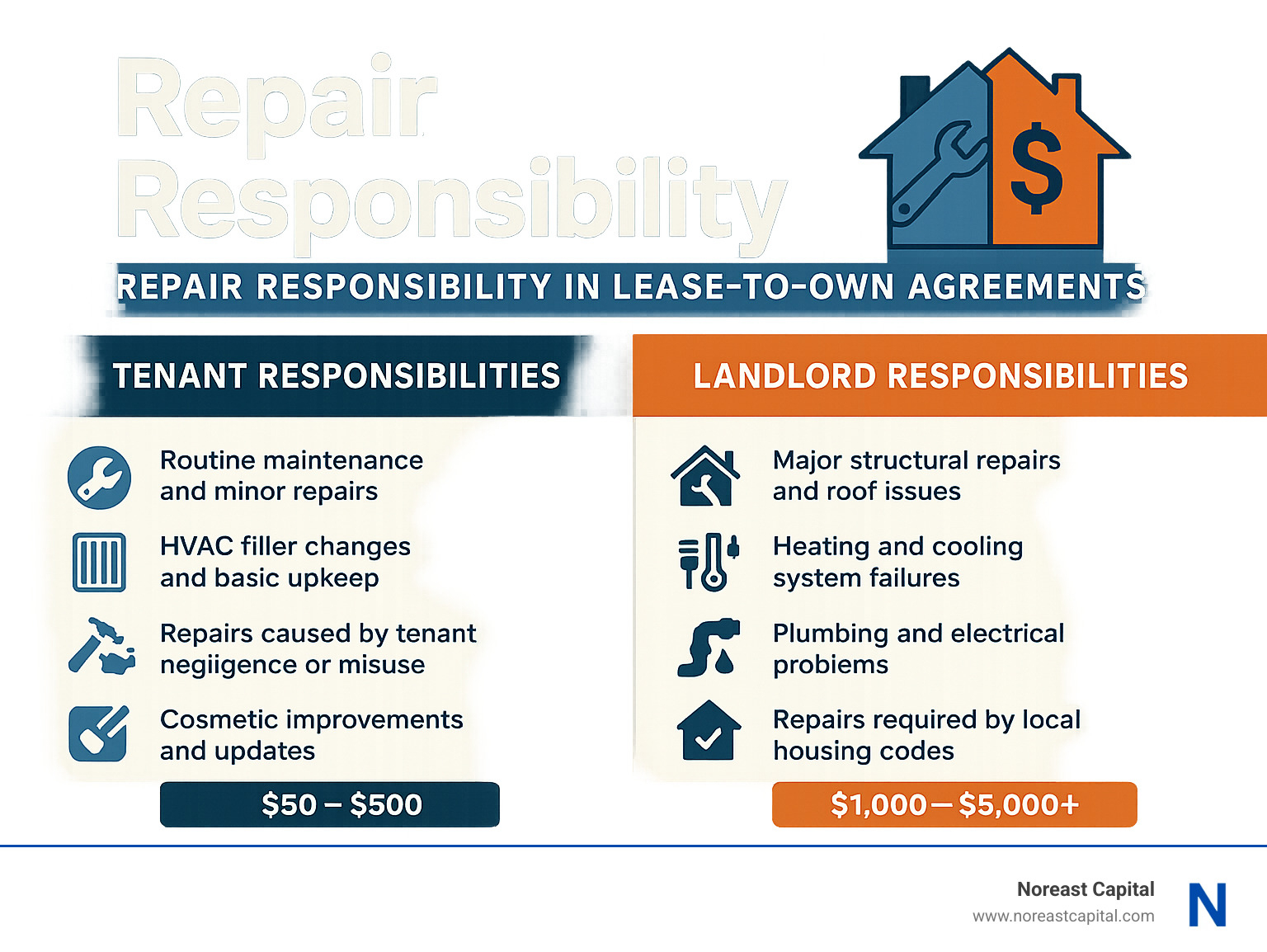
If you decide rent-to-own is right for you, you need to be proactive. First, get everything in writing. Not just the lease, but the option agreement. It should clearly state the purchase price, the option fee, how much rent credit you’ll receive, and who is responsible for maintenance. Yes, maintenance. In many RTO deals, you’re responsible for repairs, just like an owner. If the water heater breaks, it’s on you. Make sure you budget for this.
Second, focus on your credit. This is the whole point of the arrangement. Use the time to pay down debt, correct errors on your report, and establish a history of on-time payments. Meet with a mortgage lender six months before your lease ends to see where you stand. Don’t wait until the last minute. Finally, consider hiring a real estate attorney to review the contract. It might cost a few hundred dollars, but it could save you thousands in the long run. These contracts are complex, and a small mistake in the wording can have big consequences. Protect yourself.
At the end of the day, rent-to-own can be a powerful tool. It can help you get into a home you love while you get your finances in order. But it’s not a magic wand. It requires discipline, careful planning, and a clear understanding of the risks. If you go in with your eyes open, do the math, and stick to your plan, it can work. But if you treat it like a regular rental, you might end up heartbroken and out of pocket. Take your time. Ask questions. And don’t be afraid to walk away if the deal doesn’t feel right. Your future self will thank you.