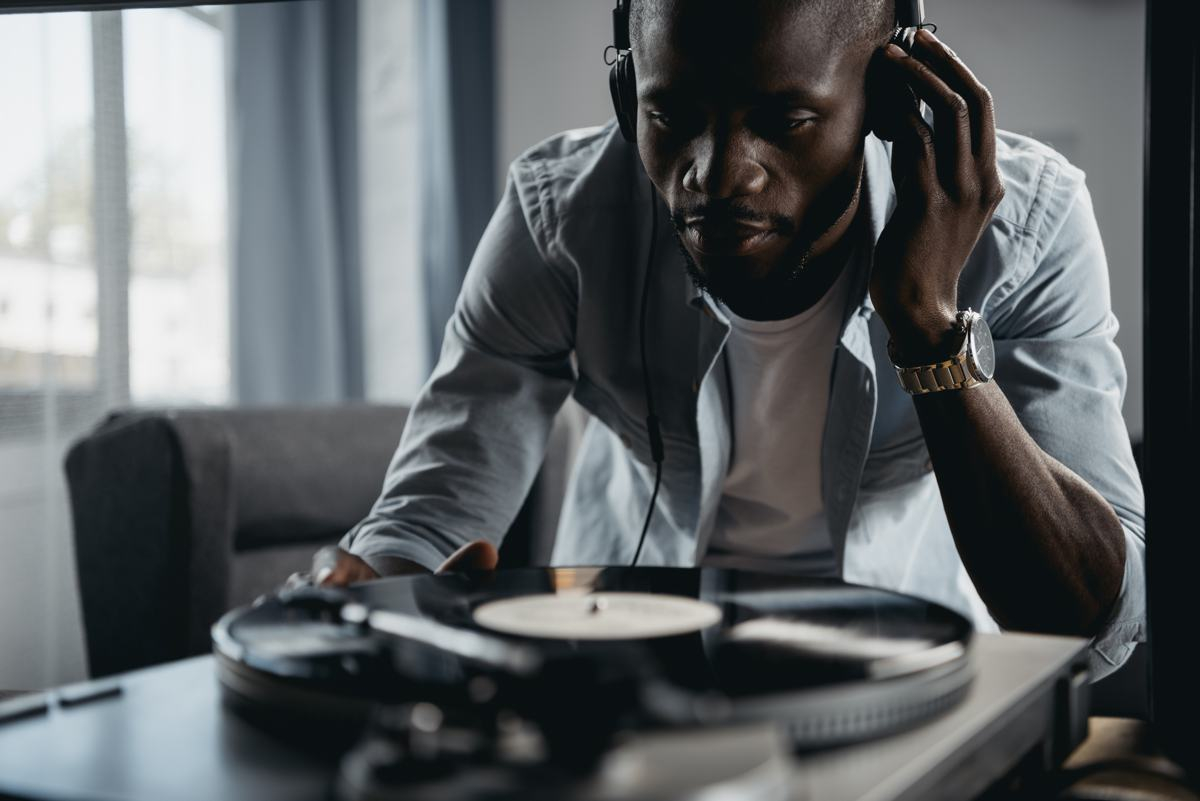
You remember that feeling, don’t you? The ritual of sliding a record out of its sleeve. The soft crackle before the music starts. It’s not just about hearing the song; it’s about feeling it. For years, people told us that getting into vinyl meant emptying our wallets. They said you needed thousands of dollars to hear the difference. But here we are in 2026, and the landscape has shifted dramatically. The vinyl revival isn’t just a trend anymore; it’s a permanent fixture in how we consume music. And thanks to this sustained demand, audio companies are finally making gear that sounds incredible without costing a fortune.
So, can you actually build a system that makes your hair stand up on end for under a grand? Absolutely. In fact, it’s easier now than it’s been in decades. But there’s a catch. The sticker price is rarely the final price. Shipping, cables, setup tools, and the inevitable "upgrades" you’ll want after three months—they all add up. This isn’t just a shopping list. It’s a reality check. We’re going to walk through exactly where your money goes, what compromises you’ll make, and how to squeeze every drop of performance out of a $1,000 budget. Let’s get real about the cost of good sound.
The Turntable: Where the Magic (and Money) Starts
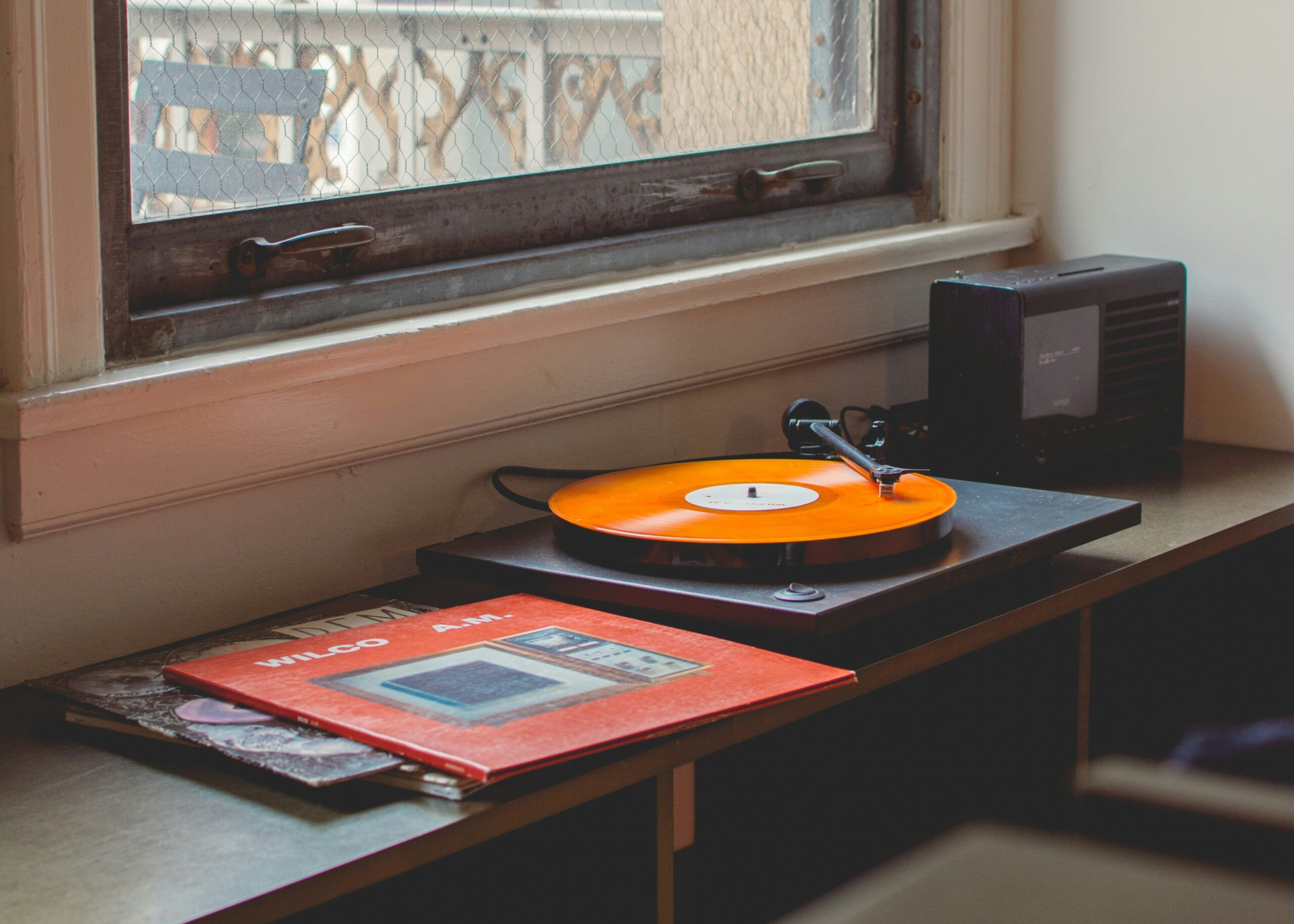
The turntable is the heart of your system. If this part is weak, everything else suffers. In 2026, the entry-level market is surprisingly robust. You’ve got options like the Pro-Ject Debut series or the Audio-Technica AT-LP120X, which have become staples for good reason. These aren’t toys. They’re precision instruments designed to track a groove accurately. But here’s the thing: you need to decide between new and used. A brand-new entry-level deck might run you $300 to $400. That leaves you with $600 for everything else. Is that enough? Yes, but it’s tight.
If you’re willing to hunt, the used market is a goldmine. Forums and local listings are full of older Technics or Pioneer models that were built like tanks. You might snag a vintage workhorse for $200. But be careful. A cheap turntable with a worn-out belt or a misaligned tonearm will sound worse than a decent new one. For most beginners in 2026, sticking to a reputable new brand like U-Turn or Rega’s entry models is safer. They come calibrated and ready to go. Just remember, the turntable doesn’t amplify sound. It just reads it. So don’t blow your whole budget here. Aim for the $300-$350 range. That’s the sweet spot for reliability and performance without breaking the bank.
The Phono Preamp: The Unsung Hero
Here’s where most people trip up. Your turntable outputs a tiny, tiny signal. It’s called a phono signal. Your amplifier can’t understand it. You need a translator. That’s the phono preamp. Some turntables have one built-in. That’s convenient, sure. But built-in preamps are often an afterthought. They’re cheaply made to keep the turntable’s price down. If you want true hi-fi sound, you need a dedicated external preamp. This is non-negotiable if you’re serious about quality.
Good news: dedicated preamps have gotten affordable. In 2026, you can grab a solid unit from brands like Schiit or iFi for around $100 to $150. This might seem like an extra expense you didn’t plan for, but trust me, it’s worth it. The difference in clarity and depth is night and day. Think of it like this: the turntable is the eyes, and the preamp is the brain processing what it sees. If the brain is foggy, the picture is blurry. Spend the extra hundred bucks here. It’s the single biggest upgrade you can make to a budget system. Plus, if you ever upgrade your turntable later, you keep this preamp. It’s a long-term investment.
Amplification: Powering Your Sound
Now we need muscle. The amplifier takes the signal from the preamp and boosts it so your speakers can play it loud. You have two main choices: a stereo receiver or a separate integrated amp. Receivers are great because they often include radio tuners and multiple inputs. Integrated amps are simpler, focused purely on sound quality. For a vinyl-only setup, an integrated amp is usually the better bet. It’s less cluttered and often sounds cleaner.
In the sub-$300 range, brands like Yamaha, Onkyo, and even some newer players like Fosi Audio are killing it. Wait, Fosi? Yes. Class D amplifiers have come a long way. In 2026, a small, efficient Class D amp can deliver surprising power and detail for under $200. Don’t let the size fool you. These little boxes can drive bookshelf speakers with ease. If you prefer the traditional look and feel, a refurbished Yamaha A-S301 or similar model might pop up on the used market for around $250. Either way, allocate about $200-$250 for amplification. You don’t need massive power for a small room. You need clean, stable power. That’s what matters.
Speakers: The Voice of Your System
Let’s be honest. Speakers make the biggest difference. You can have a $5,000 turntable, but if you plug it into $20 gas station speakers, it’s going to sound terrible. Conversely, a modest turntable through great speakers will sing. This is where you should spend the most of your remaining budget. In 2026, the bookshelf speaker market is competitive. Brands like Kanto, Polk, and Edifier offer fantastic value.
Look at the Kanto YU4 or the Polk Audio T15s. The Polks are often under $100 a pair. They’re warm, balanced, and easy to drive. Perfect for a first system. If you can stretch it, the Kanto YU4s (often on sale) bring a level of refinement that punches above their weight. They’re active speakers, meaning they have amps built-in. Wait, if they’re active, do you need an amp? No. This is a crucial pivot point. If you choose active speakers, you skip the separate amplifier entirely. This simplifies your setup and saves money. You’d connect your preamp directly to the speakers. This route lets you spend more on the turntable and preamp. It’s a valid strategy. But if you want the flexibility to upgrade components later, passive speakers and a separate amp are the way to go. Allocate $200-$300 for speakers. Don’t skimp here.
The Hidden Costs: Cables, Stands, and Care
You’ve bought the big three: turntable, amp/preamp, speakers. You think you’re done. Not quite. Now comes the nickel-and-diming. You need RCA cables to connect the turntable to the preamp. You need speaker wire to connect the amp to the speakers. Do you need expensive cables? No. But you need decent ones. Cheap, thin wires can introduce noise. Spend $20-$30 on a reliable set of RCA cables and some 16-gauge speaker wire. It’s not glamorous, but it’s necessary.
Then there’s setup. Your turntable needs to be level. If it’s not, the needle won’t track correctly. You might need a small bubble level ($5). You’ll need a carbon fiber brush to clean dust off records before every play ($15). And let’s talk about stands. Putting speakers on a wobbly desk ruins the bass. Simple isolation pads or sturdy stands can cost $50-$100. Suddenly, your $950 system is at $1,050. It happens. Plan for these extras. Maybe buy cheaper cables initially and upgrade later. But don’t ignore record care. A dirty record sounds bad and wears out your needle faster. That’s a cost you don’t want. Budget an extra $50 for accessories. It’s better to be prepared.
In 2026, the line between new and used is blurrier. Supply chains have stabilized, so new gear is readily available. But the used market is still vibrant. Why buy used? Value. You can often get mid-tier gear for entry-level prices. A used Marantz receiver from five years ago might outperform a brand-new budget model. But there’s risk. Warranties are gone. Components might be worn. If you’re tech-savvy and patient, used is the way to maximize your dollar. Check local audio shops, not just online. You can test the gear before buying. That’s invaluable.
If you buy new, you get peace of mind. Returns are easy. Support is available. For a beginner, this might be worth the premium. Also, consider hybrid approaches. Buy the turntable new (for warranty and setup ease) but buy speakers used. Speakers rarely break. They’re pretty durable. Amps can be tricky; capacitors age. So maybe buy the amp new or from a reputable refurbisher. There’s no one right answer. It depends on your comfort level. But don’t be afraid to mix and match. The goal is sound, not purity of purchase origin. Just make sure everything works together. Impedance matching matters. Check the specs. Don’t just guess.
Building a hi-fi vinyl system under $1,000 in 2026 isn’t just possible; it’s exciting. It forces you to listen critically. To prioritize. You learn what matters. Is it the deep bass? The clear highs? The soundstage? You’ll find out. Start with a solid turntable in the $300 range. Add a dedicated preamp for $100-$150. Choose either a budget integrated amp and passive speakers, or active speakers to simplify things. Keep $50 aside for cables and cleaning tools. It adds up, yes. But the reward is a system that connects you to your music in a way streaming never can.
Don’t rush. Take your time choosing each piece. Listen to reviews, sure, but trust your ears if you can. Visit a store. Hear the difference between a $100 speaker and a $300 one. It’s eye-opening. And remember, this is just the beginning. Your system will evolve. You’ll swap out cables. You’ll upgrade the cartridge. You’ll find better speakers. That’s the joy of vinyl. It’s a journey, not a destination. So enjoy the process. Enjoy the crackle. Enjoy the music. You’ve got this.