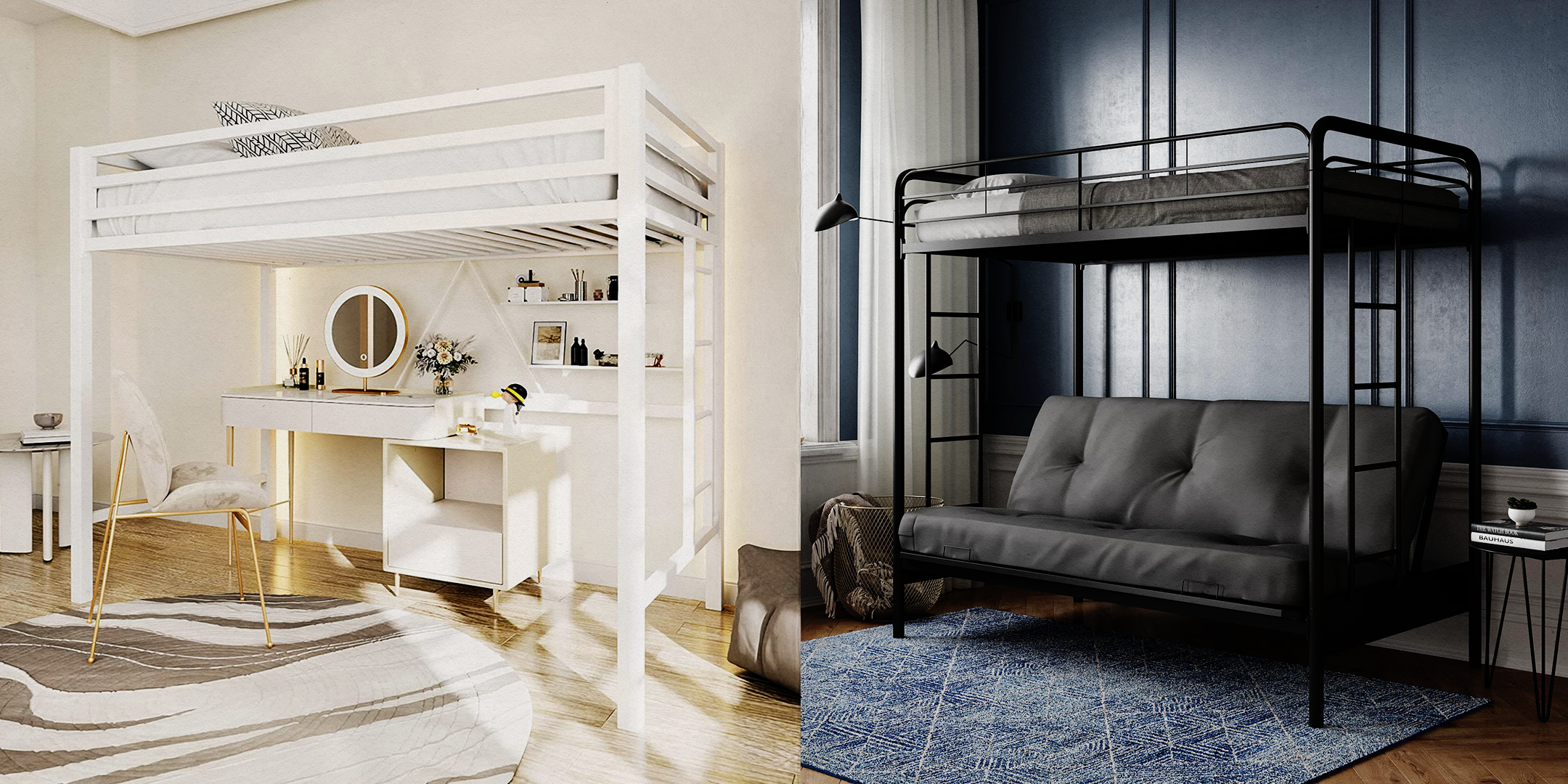
Ever feel like your apartment is shrinking? You walk into a room, look around, and suddenly the walls seem closer than they were yesterday. It’s not just you. In 2026, urban living spaces are getting tighter, and the hunt for square footage feels endless. We’re all trying to fit a whole life—work, sleep, eat, relax—into boxes that were never really designed for it. It’s exhausting. But what if the answer isn’t finding a bigger place, but just sleeping smarter?
That’s where the low loft bed comes in. Forget those towering, scary-high bunks from your childhood dorm days. We’re talking about something different now. Something grounded. Practical. A low profile loft bed lifts you just enough to unlock the space underneath, but keeps you close enough to the floor that you don’t feel like you’re camping in the rafters. It’s a subtle shift, sure, but it changes everything. Suddenly, that cramped studio feels like it has distinct zones. You’ve got a bedroom up top and a living area down below. It’s not magic, but it feels like it.
The Vertigo Factor: Comfort Without the Climb
Let’s be honest, high loft beds can be intimidating. Climbing a steep ladder at 2 AM when you’re half-asleep and need the bathroom? That’s a recipe for disaster. Or at least, a bruised shin. The biggest advantage of the low loft design in 2026 is accessibility. These beds usually sit just high enough to slide a drawer or a small desk underneath, meaning you might only need two or three sturdy steps to get up there. It’s manageable. It’s safe. And frankly, it’s way less stressful.
This lower height also solves the ceiling problem. So many of us are renting older buildings with surprisingly low ceilings, or newer builds that skimped on vertical space to maximize unit count. A traditional high loft often leaves you sitting up in bed with your head brushing the plaster. It feels claustrophobic. With a low profile design, you maintain a comfortable sitting height. You can read, scroll through your phone, or watch a tablet without hunching over. It preserves that sense of openness that is so crucial for mental well-being in small spaces. You aren’t sacrificing comfort for capacity.
Plus, there’s the psychological aspect. Being too high up can make a small room feel even smaller because it draws your eye to the empty, useless space near the ceiling. A low loft keeps the visual weight of the room balanced. It feels integrated, not imposed. You’re still part of the room, just elevated slightly. It’s a mid-range solution that hits the sweet spot between a standard bed (which eats up all your floor space) and a high loft (which can feel precarious). It’s the Goldilocks of small-space sleeping. Not too high, not too low, but just right.
Reclaiming the Floor: Storage That Actually Works
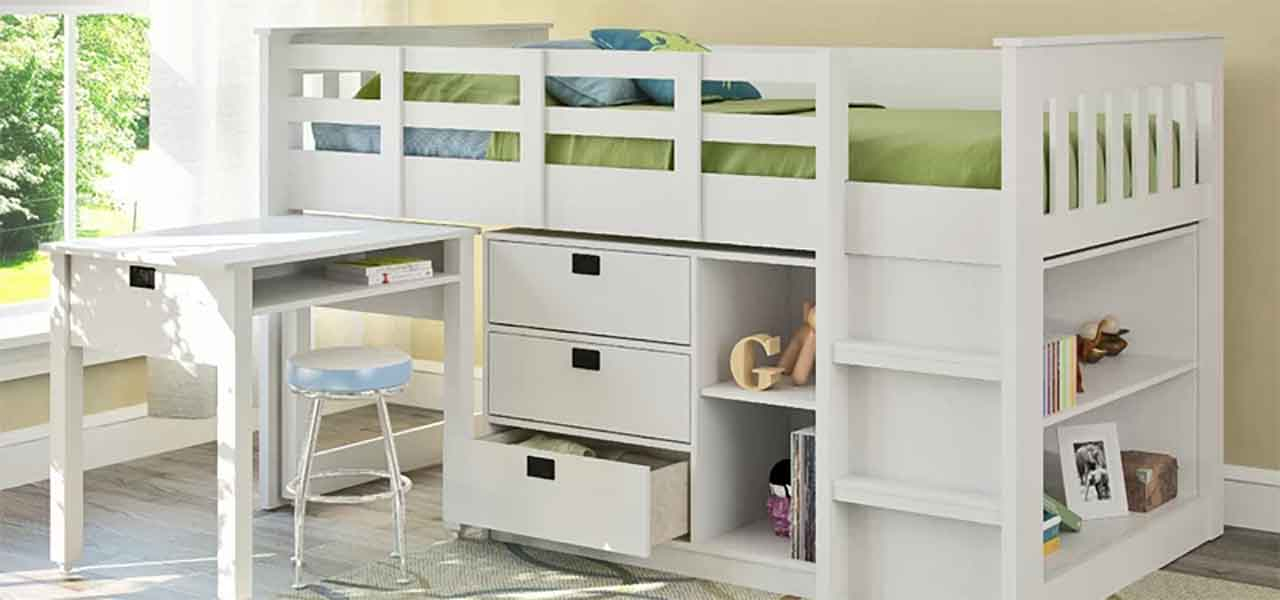
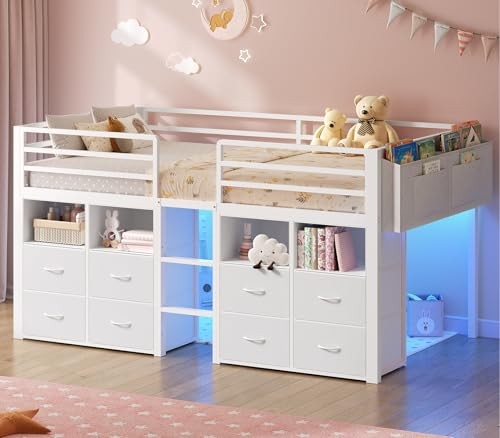
The main reason people buy loft beds is storage, but let’s talk about what kind. Under a high loft, you might have room for a full-sized wardrobe or a massive desk. But under a low loft? You get something arguably more useful: accessible, everyday storage. Think of it like having a massive dresser built into your bed frame. Because the clearance is lower, it’s perfect for deep drawers, rolling bins, or low-profile shelving units that don’t dominate the room visually.
In 2026, modular storage solutions are huge, and they pair perfectly with low lofts. You can slide in custom-fit cubes for clothes, shoes, or linens. Since the bed isn’t sky-high, you don’t need a step stool to reach your stuff. Everything is within arm’s reach. This is a game-changer for keeping a small apartment tidy. Clutter is the enemy of small spaces, and if your storage is easy to use, you’re way more likely to actually put things away. It turns the dead space under your mattress into a functional powerhouse.
And it’s not just about clothes. This space is ideal for items you use daily but don’t want out on display. Luggage, seasonal gear, extra bedding—it all tucks away neatly. Some designs even incorporate pull-out pantries or media consoles. Imagine hiding your TV or gaming setup under the bed during the day, then pulling it out at night. It keeps the living area clean and minimalist. The low height ensures these units don’t look bulky or overwhelming. They blend into the background, letting your room breathe. It’s smart living, plain and simple.
Creating Zones in a Studio Apartment
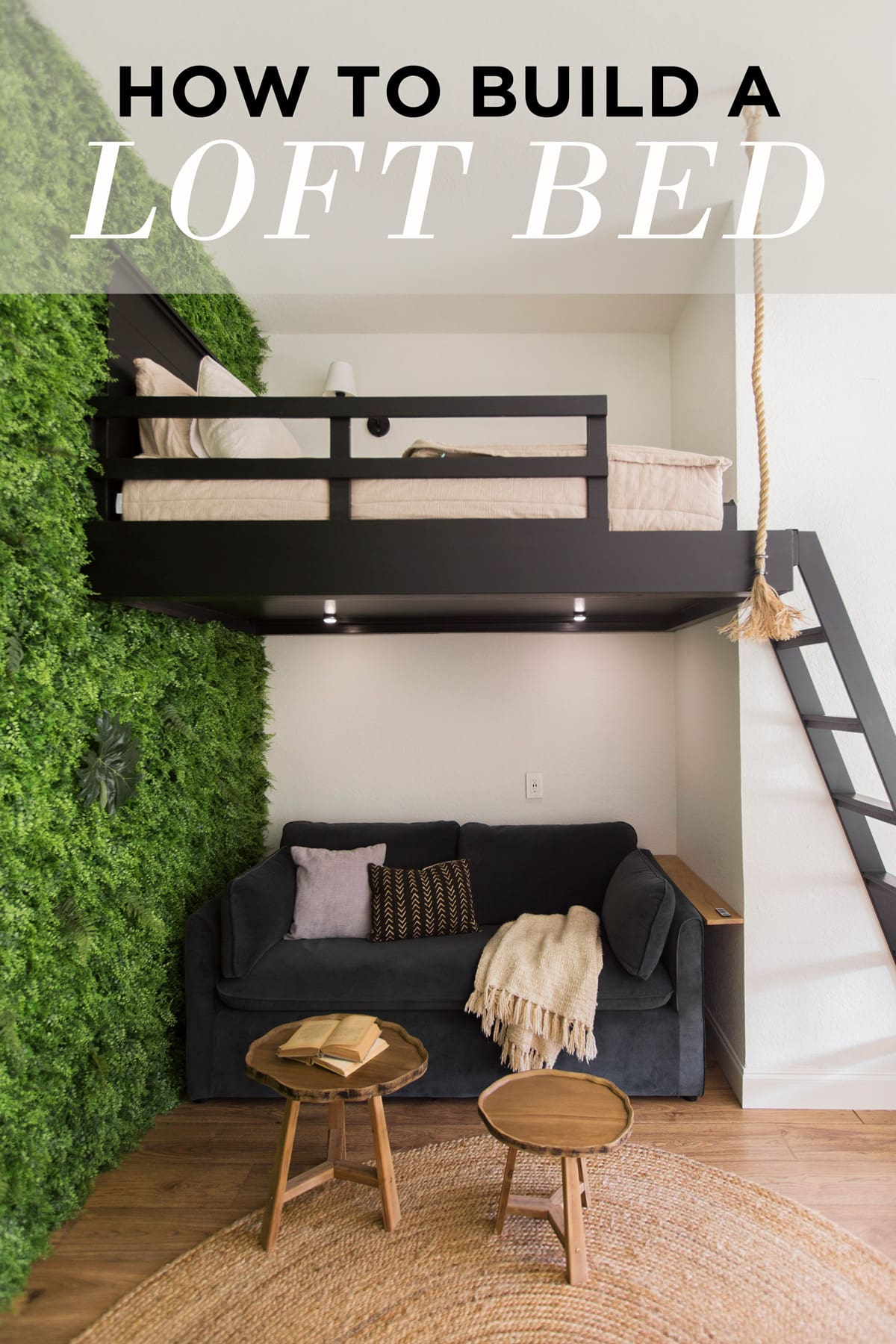
Studio apartments are tricky. You sleep, eat, work, and live in one single room. Without visual boundaries, it can feel chaotic. Your brain struggles to switch off from "work mode" when your desk is three feet from your pillow. A low loft bed helps create distinct zones without building walls. By elevating the sleep area, you physically and psychologically separate rest from the rest of your life. When you climb those few steps, you’re entering your sanctuary. When you step down, you’re in your living room.
This separation is vital for mental health, especially if you work from home. In 2026, remote work is still a major part of many people’s lives. Having a dedicated "living" zone under the bed allows you to set up a cozy lounge area or a compact workstation that feels separate from your bed. You’re not working where you sleep. That distinction helps you unwind at the end of the day. You can put a small sofa, a rug, and a floor lamp under the loft, creating a snug nook that feels intentional, not just like leftover space.
It also changes how guests perceive your space. When friends come over, they don’t immediately see your unmade bed. They see a living area. The bed becomes a background element, tucked away in its own elevated niche. This adds a layer of privacy and sophistication to a studio layout. It makes the apartment feel larger because it has "rooms," even if they aren’t enclosed. It’s about defining function through elevation. A low loft does this subtly, without making the ceiling feel crushed. It’s a clever architectural hack that anyone can install.
Style Meets Function: The 2026 Aesthetic
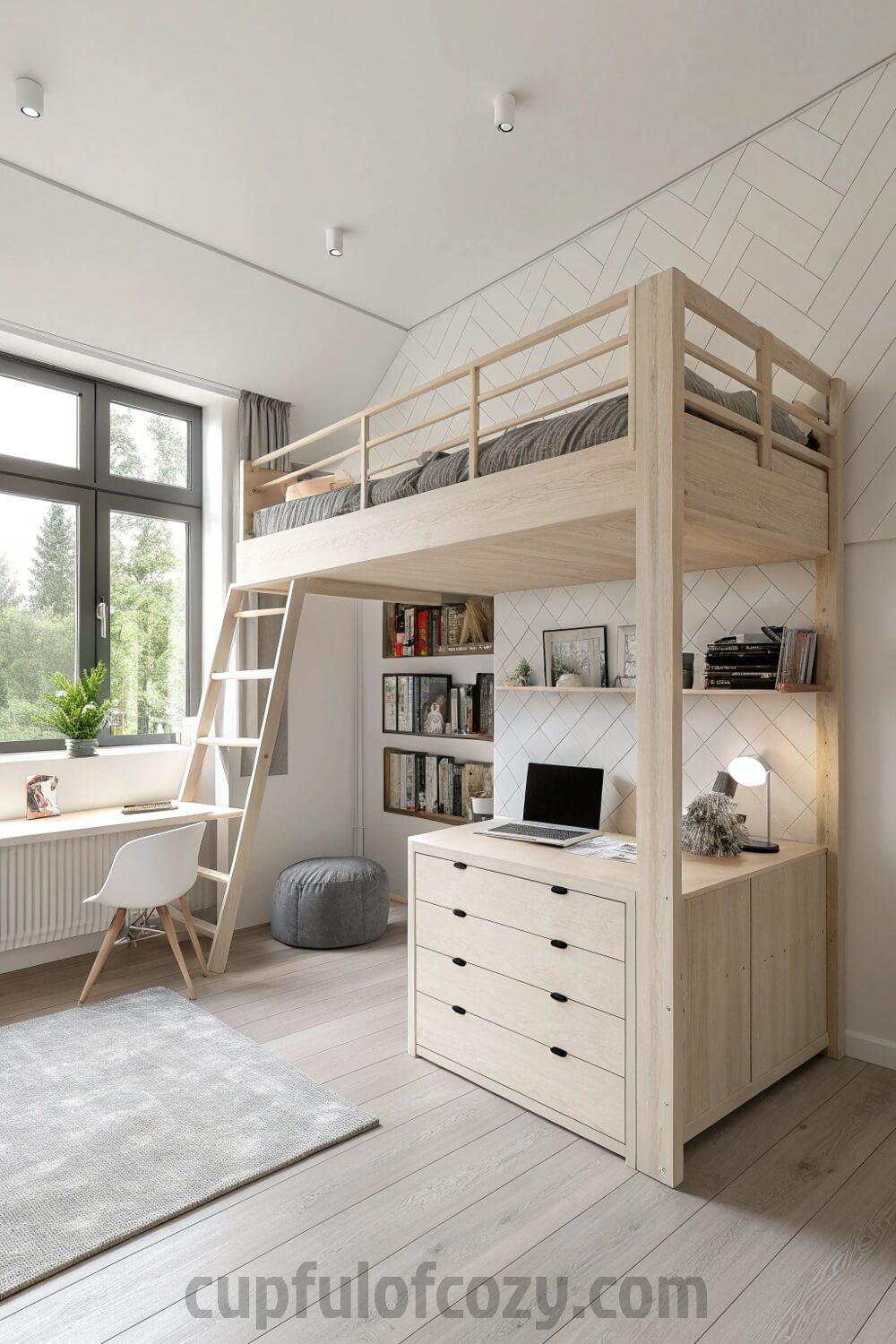
Gone are the days when loft beds looked like industrial metal scaffolding or cheap college furniture. In 2026, design has caught up. Low loft beds are now available in a range of styles that fit seamlessly into modern interiors. We’re seeing warm woods, matte black finishes, and even upholstered frames that look like high-end platform beds. They’re designed to be seen, not hidden. This matters because in a small apartment, every piece of furniture is a statement. You don’t want your bed to look like an afterthought.
The trend towards "cozy minimalism" fits perfectly here. You keep the lines clean and the clutter low, but add texture and warmth. A low loft with a wooden frame adds natural warmth to a sterile rental. Pair it with soft textiles—linen sheets, a chunky knit throw—and it becomes a focal point of comfort. Designers are also integrating lighting directly into these frames. LED strips under the bed or built-in reading lights above create ambiance without taking up side table space. It’s functional beauty.
And let’s talk about customization. Because these beds are lower, they’re easier to personalize. You can paint the frame, add wallpaper to the back panel, or hang art above the headboard without worrying about hitting a ceiling fan. It becomes a canvas for your style. Whether you’re into Scandinavian simplicity, bohemian layers, or industrial chic, there’s a low loft design that matches. It proves that saving space doesn’t mean sacrificing aesthetics. In fact, it often forces you to be more creative and intentional with your decor choices, resulting in a space that feels uniquely yours.
Safety and Stability for Everyday Living
Safety is a big concern with any elevated bed, but low lofts have a distinct advantage: stability. Because the center of gravity is lower, these beds feel solid. There’s less wobble when you move around, which is a huge relief if you’re a restless sleeper. High lofts can sometimes feel shaky, especially if they aren’t anchored perfectly to the wall. Low profiles are inherently sturdier. They often come with wider legs or base supports that distribute weight evenly across the floor. This makes them suitable for adults, not just kids.
For parents or anyone with mobility concerns, the lower height is a blessing. Getting in and out of bed is easier. There’s no dangerous drop if you roll off (though let’s hope that doesn’t happen). The short ladder or steps are much safer to navigate in the dark. Many 2026 models come with integrated handrails or wide, flat steps that feel more like stairs than ladders. This attention to detail makes the bed usable for a wider range of people. It’s inclusive design in action.
Also, consider the structural integrity of your building. High lofts concentrate weight higher up, which can sometimes be an issue in older, fragile floors. Low lofts distribute that load closer to the ground. It’s a safer bet for renters who might not know the exact load-bearing limits of their joists. Plus, if you ever need to move, low loft beds are often easier to disassemble and transport. They’re less cumbersome than their towering cousins. It’s a practical choice that considers the long-term reality of renting and moving in a city.
Let’s face it: small apartments are often expensive, leaving less budget for furniture. High-end custom built-ins cost a fortune. A low loft bed offers a middle ground. It’s more affordable than renovating your space but offers similar benefits. In 2026, there’s a huge market for flat-pack, DIY-friendly low loft kits. You can find quality options that don’t break the bank. And because they’re simpler in structure than high lofts, they often cost less. It’s a smart investment for renters who want to upgrade their space without losing their security deposit.
Many of these beds are designed with modularity in mind. You can start with just the frame and add storage components later as your budget allows. This flexibility is key for young professionals or students who might need to adapt their furniture as their needs change. You’re not locked into one configuration. Want to swap out drawers for open shelving? Go for it. The low height makes these modifications easier and cheaper to execute. It’s furniture that grows with you.
There’s also the resale value to consider. Quality low loft beds hold their value well because they’re versatile. When you eventually move to a larger place, you can use the bed in a guest room or a kid’s room. It’s not a single-use item. It’s a long-term asset. Compared to buying a standard bed and a separate dresser and a desk, a low loft combo often comes out cheaper overall. You’re getting three pieces of furniture in one footprint. That’s value you can’t ignore when every dollar counts. It’s the smart financial move for small-space living.
So, is a low loft bed the right choice for you? If you’re crammed into a small apartment, struggling with clutter, or just wanting to make your space feel bigger and more organized, the answer is probably yes. It’s not just a trend; it’s a practical response to the way we live now. In 2026, we’re learning to do more with less, and the low loft bed is a perfect example of that philosophy. It gives you back your floor, your sanity, and your style.
Don’t let the idea of a "loft" scare you off. This isn’t about climbing into the attic. It’s about lifting your life slightly off the ground to make room for everything else. It’s about sleeping better, storing smarter, and living more comfortably in a space that might otherwise feel suffocating. Take a look at your room. Look at that empty air above your current bed. Now imagine what you could do with the space underneath. That’s the potential waiting for you.
It’s time to stop fighting your small apartment and start working with it. A low loft bed isn’t just a piece of furniture; it’s a tool for better living. It’s simple, effective, and surprisingly elegant. Give it a thought. Your future, more spacious self might just thank you. After all, home should feel like a retreat, not a storage unit. And with the right setup, even the tiniest box can feel like a palace.