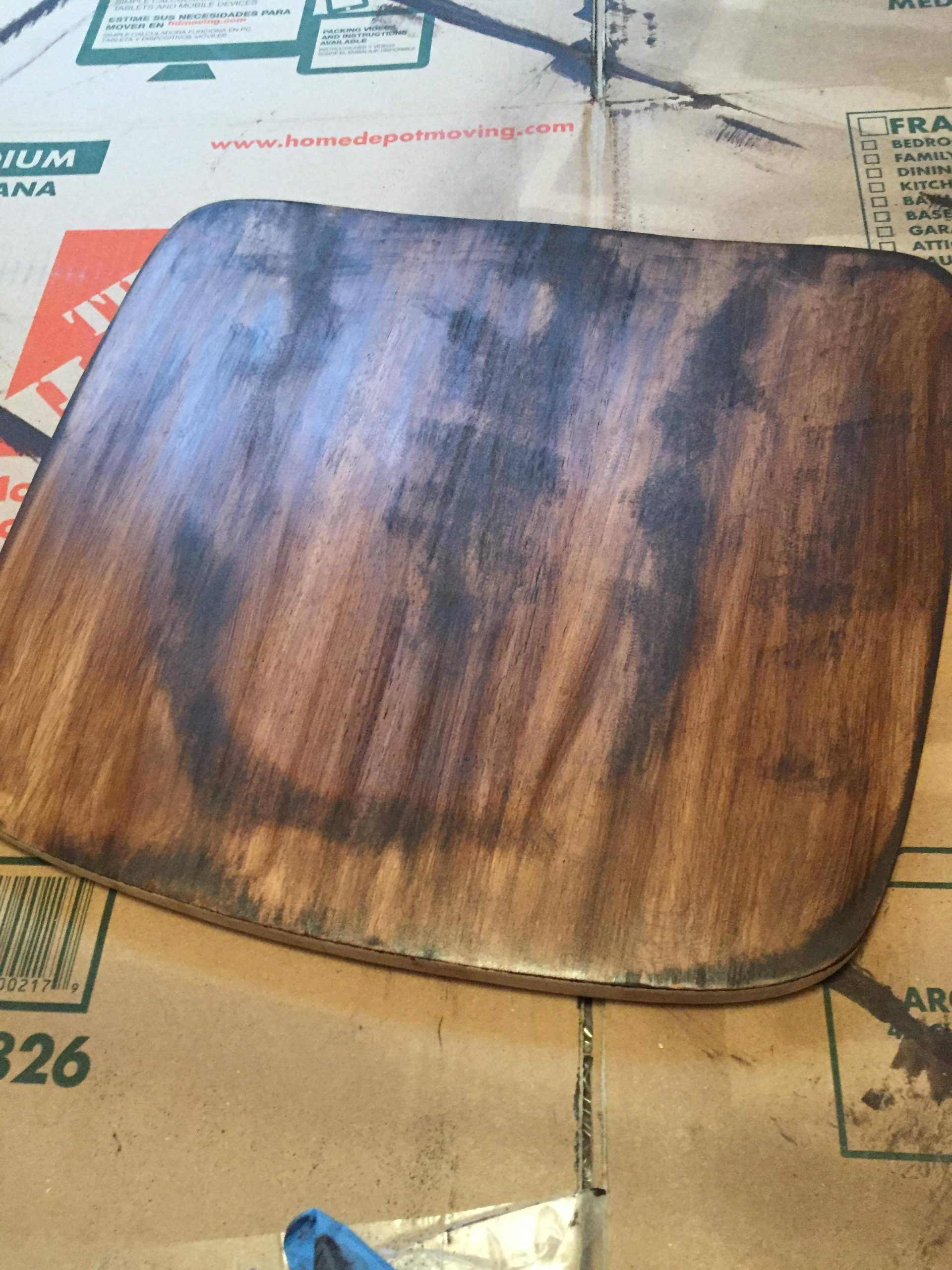
There is something magical about rubbing a fresh coat of finish onto raw wood and watching the grain pop to life. You stand back, admire your handiwork, and suddenly wonder if you picked the right stuff for the job.
We have all been there at the workbench, staring at a shelf full of cans and bottles, trying to decode confusing labels. Choosing between a traditional oil and a sturdy varnish can feel like guessing in the dark. Let us clear up the confusion today.
Understanding What Oil Finishes Actually Do
Oil finishes sink deep into the pores of the wood instead of just sitting on top. This means the wood keeps a very natural, warm feel when you run your hand across it. You can actually feel the grain beneath your fingertips.
Applying an oil finish is usually pretty forgiving. If you mess up or miss a spot, you can simply wipe on another layer without worrying about ugly brush marks. It makes the whole process relaxing and stress-free for beginners.
The big downside is protection. Because the oil lives inside the wood rather than forming a shield over it, liquids can leave marks if they sit too long. Spilled coffee or water rings require a bit of watchful care.
How Varnish Creates a Tough Shield
Varnish takes a totally different approach by building a hard protective layer right on top of the wood surface. Think of it like a clear suit of armor for your table or shelf. Water beads right up and rolls away without causing any trouble.
If you are building something that gets heavy daily use, like a dining room table or a kitchen counter, varnish is usually the safest bet. It handles spills, scratches, and bumps much better than a simple oil rub ever could.
The trade-off comes during application. Varnish requires a steady hand and a dust-free room to look great. If a stray hair or speck of dust lands in the wet coat, it gets trapped forever until you sand it out and start over.
Comparing Daily Maintenance and Repairs
Life happens, and wood furniture takes a beating over time. With an oil finish, fixing a scratch is remarkably easy. You just clean the spot, rub a little more oil into the damaged area, and buff it out. The repair blends right in.
Varnish repairs are a bit more involved. Because varnish forms a continuous film, touching up just a single scratch often leaves a noticeable patch. Fixing a deep gouge usually means sanding down the entire surface and reapplying a fresh coat.
On the bright side, you will not need to fix varnish nearly as often. Its tough skin stands up to years of enthusiastic use before showing serious signs of wear.
Looks, Feel, and Aesthetic Appeal
Looks matter a lot when you spend hours sanding a project. Oil finishes offer a soft, low-sheen glow that highlights the natural beauty of the timber without making it look plastic. It feels organic and authentic.
Varnish can range from a deep, glossy mirror shine to a subtle satin look. Modern formulations have gotten much better at looking natural, but a heavy gloss finish can sometimes hide the tactile warmth of the wood underneath.
Deciding between them often comes down to personal taste. Do you want the wood to look raw and touchable, or rich and protected behind a crystal-clear shell.
Drying Times and Project Schedules
Patience is a virtue in woodworking, especially when waiting for finishes to dry. Traditional oils can take days or even weeks to fully cure because they harden through exposure to oxygen.
Varnish dries through a chemical reaction and evaporation, which usually happens much faster. However, multi-coat varnish projects require light sanding between layers, meaning the entire job still takes a few days to complete properly.
Rushing the process is the number one cause of sticky surfaces. No matter which path you choose, giving the material enough time to cure makes all the difference in the final result.
To wrap this up, neither option is universally better than the other. It really depends on what you are making and where it is going to live. A decorative wall hanging loves oil, while a busy coffee table thrives under varnish.
Take a moment to evaluate your project’s future environment before buying any supplies. Think about moisture, sunlight, and how often human hands will touch it.
Trust your instincts and enjoy the process of bringing your wood project across the finish line. The more you experiment, the easier these choices become.