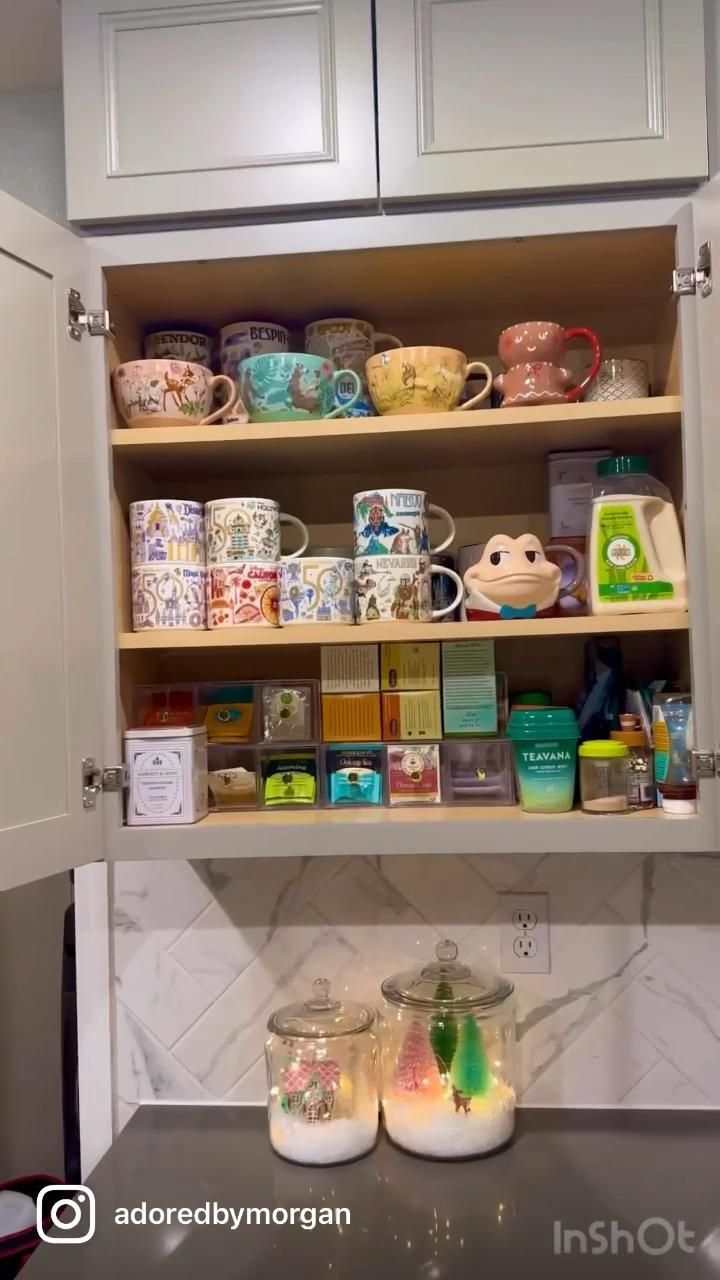
You know that feeling. You’ve had a long day. The world feels loud. You reach for your favorite tin, scoop out some leaves, and wait for the kettle to sing. But when you pour the water, something is off. The aroma is faint. The taste is flat. It’s not just bad tea; it’s neglected tea. We often spend hours researching the perfect leaf or the ideal water temperature, yet we toss our precious leaves into whatever jar is handy. That’s a mistake.
Storage isn’t just about keeping things tidy. It’s an act of care. It’s the bridge between the farmer’s hard work and your morning peace. In 2026, with so many fancy gadgets and sleek designs on the market, it’s easy to get distracted by looks. But the material matters more than the logo. Getting it right means every cup tastes like it should. Vibrant. Alive. Let’s talk about how to choose the right vessel for your daily ritual, because your tea deserves better than a dusty shelf life.
The Enemies of Freshness
Before we pick a material, we need to know what we are fighting against. Tea leaves are surprisingly fragile. They are hygroscopic, which is a fancy way of saying they love to soak up moisture from the air. They also absorb odors like a sponge. Imagine storing your delicate green tea next to a jar of cumin. You won’t be drinking green tea anymore; you’ll be drinking cumin-flavored disappointment.
Light is another silent killer. Ultraviolet rays break down the chemical compounds in tea leaves that give them flavor and health benefits. This process, called photodegradation, happens faster than you think. Even indirect sunlight through a kitchen window can dull the vibrancy of your oolong in a matter of weeks. Heat accelerates this decay. So, the goal of any storage container is simple: block light, stop air, keep moisture out, and maintain a cool temperature.
Think of your storage container as a fortress. If the walls are thin or the gate (the lid) doesn’t close tight, the enemies get in. Air brings oxidation, which turns fresh green tea into stale, brownish dust. Moisture brings mold and ruins texture. By understanding these threats, you can see why a pretty glass jar on the counter might look nice but acts as a slow poison for your stash. It’s not about being paranoid; it’s about being protective.
Metal Tins: The Reliable Workhorse
When in doubt, go with metal. Specifically, tinplate or stainless steel. These have been the gold standard for centuries, and for good reason. Metal is opaque, meaning zero light gets through. It’s also non-porous, so it doesn’t hold onto smells from previous batches. A high-quality tin with a double lid or a tight-fitting gasket is arguably the best all-rounder for daily drinkers.
In 2026, we’re seeing a resurgence of beautifully crafted tins that don’t look like industrial leftovers. Artisans are creating hand-hammered copper or brushed steel canisters that feel substantial in the hand. The weight matters. A flimsy tin dents easily and might not seal well. Look for one with a bit of heft. The sound of the lid clicking shut should be satisfying—a solid thunk that tells you your tea is safe.
However, not all metals are created equal. Avoid reactive metals unless they are lined. Unlined copper or low-grade aluminum can interact with the natural acids in tea over time, altering the flavor. Stick to food-grade stainless steel or tinplate with a food-safe lacquer interior. Also, check the seal. A rubber gasket is great for long-term storage, but for daily use, a tight friction fit is often enough and easier to open with one hand while you’re half-asleep.
Ceramic and Porcelain: Beauty with Caution
Ceramic containers are stunning. They add warmth to a kitchen shelf and come in endless glazes and shapes. There is something deeply comforting about reaching into a hand-thrown clay pot. But here’s the catch: ceramic is porous. Unless it is fully glazed inside and out, it can breathe. This breathing allows air and moisture to seep in, which is exactly what we don’t want.
If you love ceramic, look for pieces that are heavily glazed on the interior. The glaze acts as a glass-like barrier, sealing the clay. Even then, the lid is usually the weak point. Most ceramic lids don’t fit as tightly as metal ones. They rely on gravity and a snug fit, which can let air exchange happen slowly over time. This makes ceramic better for teas you will finish within a week or two, rather than long-term storage.
There is also the issue of light. Many ceramic jars are translucent or have thin walls. If you can see the shadow of the leaves through the wall, light is getting in. To fix this, store your ceramic jar inside a cupboard or a dark box. Treat it as a decorative outer layer rather than the primary defense. It’s a bit of extra work, but if the aesthetic brings you joy, it’s worth it. Just don’t expect it to keep your matcha fresh for months on a sunny windowsill.
Glass: The Visual Trap
Let’s be honest. Glass jars look amazing. Seeing the colorful leaves swirl inside is part of the fun. Retailers know this, which is why most tea shops sell their products in clear glass. It’s marketing, not preservation. Glass is impermeable to air and moisture if sealed correctly, and it doesn’t react with the tea. Chemically, it’s inert and safe. But optically, it’s a disaster for tea longevity.
If you must use glass, it has to be dark. Amber or cobalt blue glass blocks most harmful UV rays. Clear glass offers zero protection. If you have a collection of clear glass jars, don’t throw them out. Just move them. Store them in a dark pantry or a closed cabinet. Out of sight, out of mind, but also out of harm’s way. This simple shift can extend the life of your tea significantly.
The other downside to glass is fragility. In a busy kitchen, a slippery hand can mean shattered glass and lost tea. It’s also heavy. If you’re traveling or moving your tea station around, glass is cumbersome. For a stationary, dark cupboard setup, dark glass is a solid choice. For a countertop display? Think twice. The beauty comes at a cost to the leaf’s integrity. Maybe save the glass for short-term servings, decanting from a safer bulk container.
Wood and Natural Fibers: Tradition vs. Function
Wooden tea caddies are traditional, especially in Japanese and Chinese tea cultures. They look elegant and feel organic. However, wood is highly porous and absorbs moisture and odors readily. An unsealed wooden box is terrible for storage. It will suck humidity right out of the air and pass it to your tea. In humid climates, this is a recipe for mold.
Modern wooden containers often come with inner linings. You might find a wooden box with a metal or foil pouch inside. This is the best of both worlds. You get the tactile beauty of wood on the outside and the protective barrier of metal or plastic on the inside. Always check for this lining. If the wood touches the leaves directly, it’s only suitable for very short-term holding, like carrying tea from shop to home.
Bamboo and other natural fibers face similar issues. They are breathable by nature. While this is great for aging certain pu-erh teas under specific conditions, it’s awful for keeping green or oolong tea fresh. Don’t be fooled by the eco-friendly appeal. If the material breathes, your tea ages rapidly. For daily rituals involving delicate teas, stick to lined containers. Save the raw wood for decoration or for storing tea accessories like scoops and brushes.
Plastic and Modern Composites: The Practical Choice
Plastic gets a bad rap, and often deservedly so. Cheap plastics can leach chemicals into the tea, especially if exposed to heat. They also tend to retain odors. Once you store chai in a plastic tub, that tub will smell like chai forever. But not all plastics are evil. Food-grade, high-density polyethylene (HDPE) or polypropylene (PP) can be safe and effective if they are BPA-free and designed for food storage.
The real hero in the modern era is Mylar or foil-lined bags. These aren’t rigid containers, but they are often the best storage medium available. They block light, air, and moisture completely. Many experts in 2026 recommend keeping tea in its original foil pouch, squeezing out the excess air, and clipping it shut. Then, place that pouch inside a rigid container for protection. This double-layer approach is hard to beat.
Silicone seals and modern composite lids have also improved storage. Look for containers with silicone gaskets that create an airtight vacuum or near-vacuum seal. These are great for humid environments. Just ensure the plastic parts don’t touch the tea directly if you are worried about microplastics or flavor transfer. Use the plastic as the shell and the foil bag as the liner. It’s practical, cheap, and highly effective.
Not all teas need the same protection. Green and white teas are delicate. They oxidize quickly and lose their fresh, grassy notes fast. For these, you need the highest barrier. Opaque metal tins or foil bags stored in a cool, dark place are essential. Don’t skimp here. The nuance of a high-grade gyokuro disappears in days if left exposed.
Black teas and roasted oolongs are more robust. They can handle slightly less-than-perfect storage, though they still benefit from airtight conditions. A ceramic jar with a good lid might suffice for black tea you drink within a month. The flavors are deeper and more stable, so they don’t degrade as visibly as green teas. But "stable" doesn’t mean "invincible." Stale black tea tastes like cardboard.
Pu-erh and aged whites are the outliers. They are meant to evolve. Some pu-erh collectors store cakes in breathable paper or clay jars in controlled environments to allow slow fermentation. Putting these in an airtight metal tin can stall their aging process or trap unwanted moisture, leading to sour flavors. Know your tea. If it’s meant to age, give it breath. If it’s meant to be fresh, give it armor. Context is everything in the ritual.
Choosing the right material isn’t about spending the most money. It’s about understanding the needs of the leaf and the environment of your home. In 2026, we have more options than ever, from smart tins that monitor humidity to traditional handcrafted vessels. But the principles remain unchanged. Block the light. Stop the air. Keep it cool. And respect the ritual.
Your daily cup is a small moment of clarity in a chaotic world. Don’t let poor storage rob you of that experience. Take a look at your current setup. Is that clear glass jar doing your jasmine pearls any favors? Probably not. Swap it for a tin. Move it to a cupboard. Taste the difference. It’s subtle, but it’s there. That’s the reward for paying attention.
Ultimately, the best container is the one you actually use. If a beautiful ceramic pot inspires you to brew tea more often, use it, but keep it in the dark. If a simple foil bag keeps your matcha vibrant, stick with it. There is no single right answer, only the right choice for your specific tea and lifestyle. Listen to your senses. If it smells flat, change your storage. If it tastes bright, you’ve got it right. Keep experimenting. Keep tasting. And keep honoring the leaf.