We’ve all been there. You’re walking through a sleek, modern lobby or stepping onto a patio after a summer rain, and your foot slips just a fraction. That split-second panic? It’s usually caused by polished stone. For years, the design world has been obsessed with the mirror-like finish of polished granite. It’s shiny. It’s clean. It looks expensive. But let’s be honest, it’s also kinda slippery when wet and can feel a bit cold, both literally and figuratively.
There’s a quiet revolution happening in stone finishing, though. It’s not about making things shinier. It’s about adding soul. And safety. Enter bush hammering. This isn’t new tech—stonemasons have used similar techniques for centuries—but in 2026, it’s having a major moment. Architects and homeowners are realizing that a surface you can actually feel is often better than one you just look at. It adds depth, grip, and a raw, natural beauty that polished slabs just can’t match. So, why are we still talking about polish as the default? Let’s dig into the rougher, safer, and frankly more interesting side of granite.
The Problem with Perfectly Polished Surfaces
Polished granite is undeniably pretty. When you grind and buff the stone, you seal the pores and bring out every speck of color and crystal structure. It’s like putting a high-gloss coat of nail polish on a rock. Sources like Bhasin International note that this makes the stone nearly impervious to weather and chemical wear, which is great for a kitchen island where you’re wiping up wine spills. Defusco.com points out that this reflective surface adds elegance to bar tops and vanities. It’s the standard for a reason.
But here’s the catch. That smoothness is a double-edged sword. In exterior spaces, or even wet interior zones like pool decks and shower floors, that gloss becomes a hazard. Splendour in Stone highlights that while polished surfaces enhance color depth, they don’t offer much in the way of grip. You’re essentially walking on ice, especially if there’s any moisture involved. It’s a aesthetic choice that prioritizes looks over function, and in high-traffic commercial areas or busy family homes, that’s a risky bet. Plus, polished stone shows every single footprint, water spot, and smudge. It’s high maintenance disguised as low effort.
Then there’s the visual aspect. Polished stone can feel flat. Sure, the colors pop, but the surface itself has no topography. It’s two-dimensional. In a world where we’re craving more tactile, organic experiences in our built environments, a mirror finish can feel sterile. It reflects the room, but it doesn’t really join the room. It sits on top of the space rather than grounding it. For many designers in 2026, this lack of texture is starting to feel outdated. We want materials that age well, that hide dirt, and that invite touch. Polished granite does none of those things particularly well.
What Exactly Is Bush Hammering?
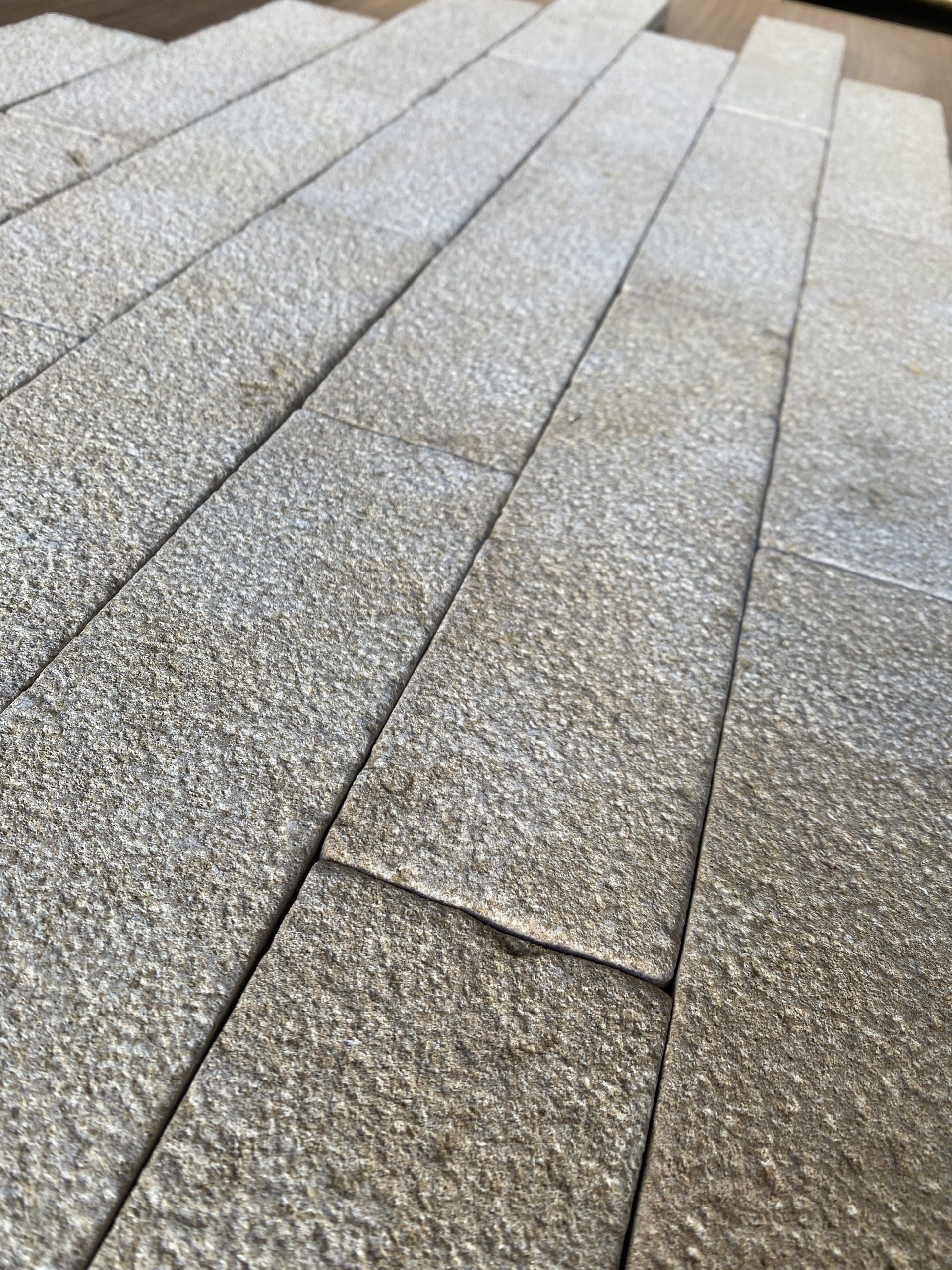
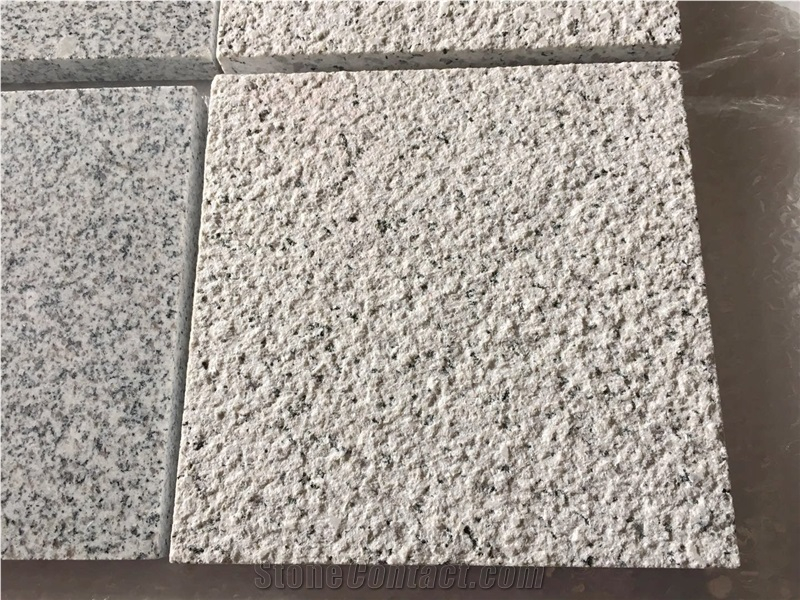
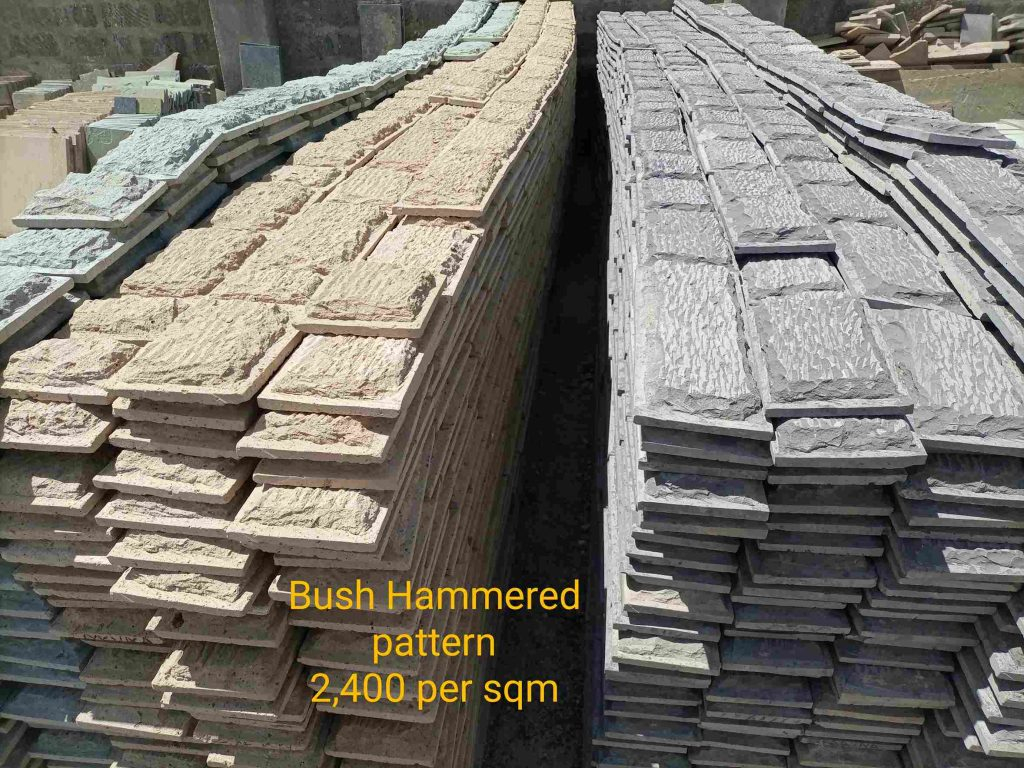
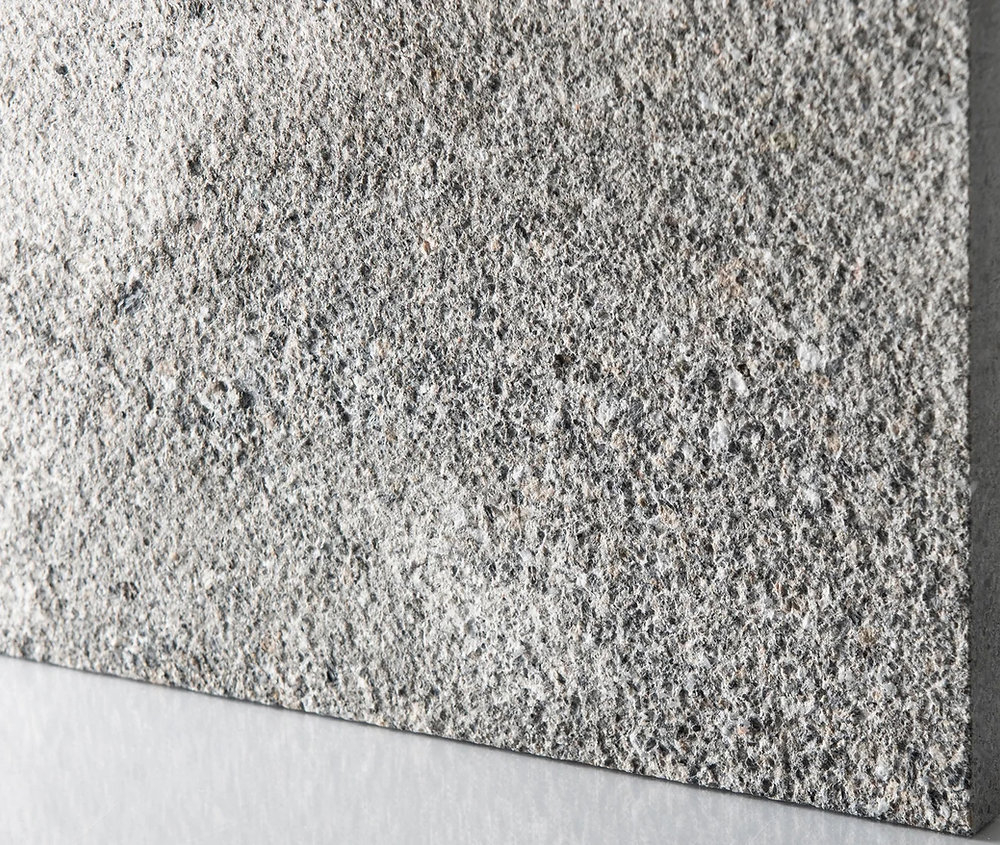
So, what is this "bush hammering" everyone’s talking about? It sounds like something you’d do in a garden, but it’s actually a mechanical process. Imagine a tool that looks a bit like a meat tenderizer, covered in a grid of small, pyramid-shaped points. This is the bush hammer. When it strikes the granite surface—either by hand (for small, artistic jobs) or, more commonly, via heavy-duty machinery—it chips away tiny fragments of the stone. Cupa Stone explains that this creates uniformly distributed craters of varying sizes across the face of the material.
The result is a pockmarked, textured finish. It’s not random chaos, though. Modern tools, like the Lupato Tanga C plates mentioned in industry catalogs, allow for incredible precision. You can control the density and depth of the impacts. You can get a fine, sandy texture or a deep, rugged cratering that looks like it was eroded by centuries of wind. Alibaba.com notes that this process makes the granite exceptionally durable and versatile. It’s not just a surface treatment; it’s a transformation of the stone’s physical character.
Think of it like exfoliating skin. Polishing is like applying makeup—it covers and smooths. Bush hammering is like revealing the natural texture underneath. It opens up the stone. You see the individual grains, the quartz, the feldspar, in a way that polishing hides. The light doesn’t bounce off it in a single, blinding glare. Instead, it catches in the tiny valleys and peaks, creating shadows and highlights that change throughout the day. It’s dynamic. It’s alive. And because it’s mechanically impacted, it’s incredibly tough. The surface is already "broken in," so it doesn’t chip or scratch easily in daily use.
Safety First: The Non-Slip Advantage
Let’s talk about the biggest selling point: safety. If you’ve ever slipped on a wet tile floor, you know why this matters. Bush hammered granite is inherently non-slip. Those tiny craters create friction. They give your shoes—or bare feet—something to grip onto. Cupa Stone explicitly states that this treatment makes the surface ideal for high-traffic exterior areas. We’re talking about city plazas, subway stations, airport terminals, and yes, your own backyard patio.
In 2026, building codes and safety standards are getting stricter, especially in public spaces. Liability is a huge concern for commercial property owners. A polished floor might look great in the brochure, but if someone slips and falls during a rainstorm, it’s a lawsuit waiting to happen. Bush hammering mitigates that risk without sacrificing aesthetics. It’s a passive safety feature. You don’t need to add ugly rubber mats or chemical coatings that wear off. The texture is part of the stone itself. It won’t wash away. It won’t fade.
This is also huge for accessibility. For elderly individuals or those with mobility issues, a high-friction surface provides confidence. It reduces the mental load of navigating a space. You don’t have to watch your every step. Gault Stone and other industry blogs have long noted that finishes affect how stone performs in everyday settings. A bush hammered surface is forgiving. It handles mud, snow, and rain with ease. You can walk out of a storm onto a bush hammered granite entryway and not feel like you’re on an ice rink. It’s practical luxury.
Visual Depth and Aesthetic Appeal
Beyond safety, there’s the look. And wow, does it look good. Polished granite reflects the ceiling lights. Bush hammered granite absorbs and plays with light. It creates a sense of depth that polished stone simply can’t achieve. When you look at a polished slab, you see the surface. When you look at a bush hammered slab, you feel like you could reach into it. The shadows cast by the tiny pits give the stone a three-dimensional quality.
This texture also helps hide imperfections. In a polished finish, a single scratch or etch mark stands out like a sore thumb. On a bush hammered surface? It disappears. The existing texture camouflages daily wear and tear. This makes it perfect for high-traffic zones where maintaining a pristine, mirror-like shine is impossible. It ages gracefully. Instead of looking worn out, it looks established. It gains character. Marmogranite.com suggests that choosing the right finish is about balancing visual appeal with performance, and bush hammering hits that sweet spot for many modern designs.
Color perception changes, too. Polished stone often looks darker and more saturated because the wet-look effect intensifies the hues. Bush hammered stone appears lighter, softer, and more natural. It brings out the true, earthy tones of the granite. If you’re using a grey granite, for example, the bush hammered finish will reveal the subtle variations in the mineral grains—the whites, the blacks, the silvers—in a way that feels organic. It’s less "jewelry box" and more "mountain range." This fits perfectly with the biophilic design trends dominating 2026, where we try to bring the outdoors in.
Where to Use Bush Hammered Granite
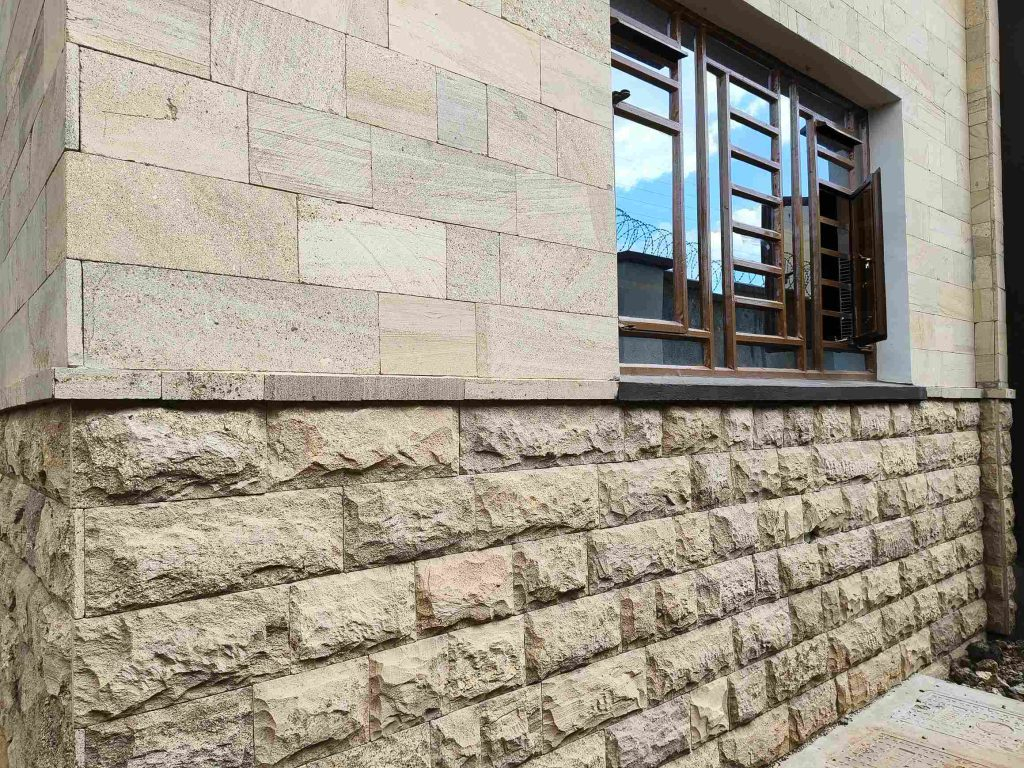
So, where does this stuff actually go? Pretty much anywhere you’d use stone, but with a focus on areas where grip and durability matter. Exteriors are the obvious choice. Cladding on building facades, paving for walkways, steps, and pool decks. Gosford Quarries highlights its use in sandstone, but the principle applies equally to granite. It withstands freeze-thaw cycles better than some other finishes because the open texture allows for slight expansion and contraction without cracking the surface layer.
But don’t limit it to the outside. Interior applications are growing fast. Think of feature walls in lobbies or living rooms. The texture adds acoustic benefits, too. Hard, polished surfaces bounce sound around, creating echoey spaces. A textured, bush hammered wall absorbs some of that sound, softening the acoustics of a room. It’s a subtle effect, but in large, open-plan homes or offices, it makes a noticeable difference in comfort.
You can also use it for flooring in entryways, kitchens, and bathrooms. Yes, even indoors. Some people worry it might be too rough for bare feet, but modern bush hammering can be done with finer points to create a smoother, yet still non-slip, texture. It’s about finding the right grade. Ultra-stones and other suppliers offer various levels of aggression in the finish. A light bush hammer is perfect for a shower floor. A heavy one is better for a driveway. The versatility is key. You’re not stuck with one look. You can tailor the texture to the specific needs of the space.
Maintenance and Long-Term Care
Here’s the best part: bush hammered granite is low maintenance. Remember how polished stone shows every smudge? Bush hammered stone doesn’t. Dirt and dust settle into the texture, sure, but they aren’t visible as streaks. A simple sweep or hose-down is usually enough to keep it looking fresh. For interior floors, a standard stone cleaner and a mop work fine. You don’t need special polishes or waxes. In fact, you shouldn’t wax it. Wax would fill in the texture and defeat the purpose of the non-slip surface.
Because the pores are open (unlike polished stone where they’re sealed), some people worry about staining. It’s a valid concern, but granite is naturally dense. For most residential applications, it’s resistant enough. If you’re worried about oil or wine in an outdoor kitchen setting, you can apply a penetrating sealer. This doesn’t change the texture or the look; it just adds a layer of protection against deep staining. Most installers recommend this for high-use food prep areas. But for general paving or cladding? It’s often unnecessary.
Longevity is another win. This finish doesn’t wear off. With polished stone, high-traffic areas can eventually lose their shine, becoming dull and patchy. You’d have to re-polish them, which is expensive and disruptive. Bush hammered stone looks the same in year 10 as it did in year 1. The texture is permanent. It’s a set-it-and-forget-it material. In an era where sustainability and long-term value are paramount, this durability is a massive plus. You’re installing it once, and it lasts for decades. No refinishing. No replacing. Just solid, reliable stone.
We’re moving away from the sterile, perfect surfaces of the past. In 2026, we want our homes and cities to feel real. Bush hammered granite offers a way to connect with the natural world through our built environment. It’s safe, yes. It’s durable, absolutely. But it’s also beautiful in a way that demands attention. It invites you to run your hand along it. It changes with the light. It tells the story of the stone itself, not just the machine that polished it.
If you’re planning a project, consider skipping the polish. Look at the raw potential of the granite. Ask your supplier about bush hammered options. Test the texture. Feel the grip. See how the light hits it. You might find that the "imperfections" are actually the most perfect part of the design. It’s a shift in perspective. From shiny and slick to grounded and secure. From looking good to feeling good.
Ultimately, it’s about creating spaces that work for people. Not just for photos. Bush hammering adds a layer of humanity to stone. It acknowledges that we walk, slip, touch, and live in these spaces. It respects the material and the user. So next time you’re choosing stone, think beyond the shine. Go for the depth. Go for the safety. Go for the bush hammer. It’s a small change in finish that makes a huge difference in experience. And honestly? It’s about time we embraced the rough edges.