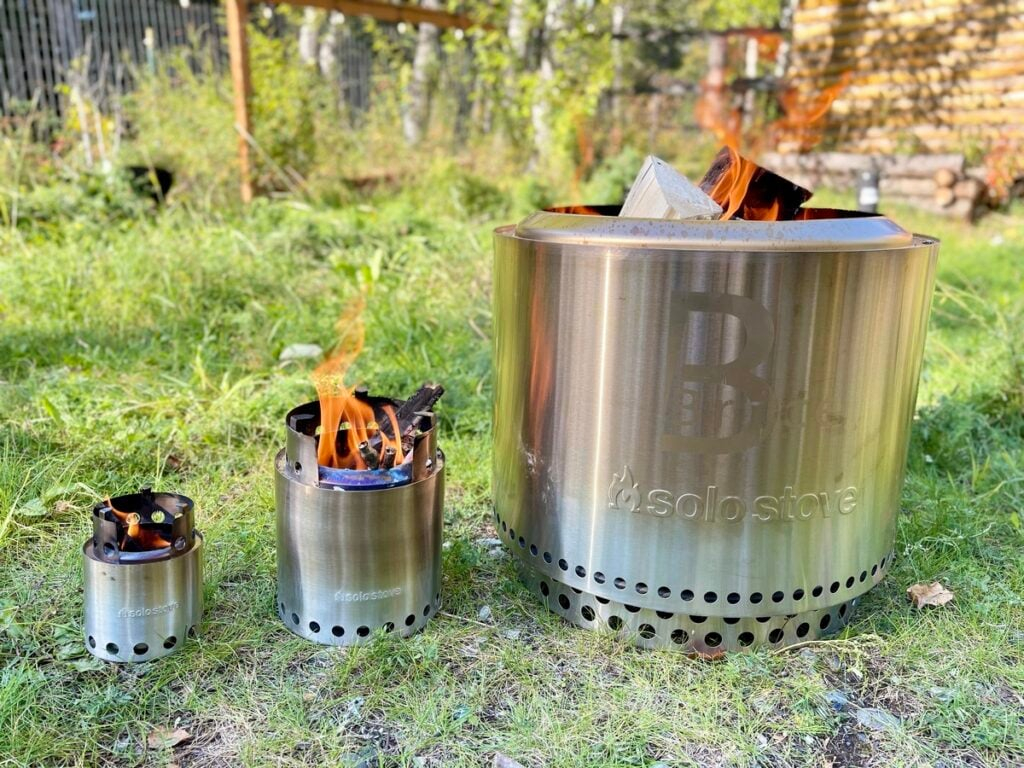
Remember that feeling? You’ve just spent a lovely evening under the stars, watching the flames dance in your Solo Stove. The air is crisp, the conversation is flowing, and for a moment, everything is perfect. Then, the fire dies down. The cold reality sets in. You’re left staring at a heavy, awkward cylinder filled with gray dust, knowing you have to tip the whole thing over to get it clean. It’s messy. It’s dusty. And frankly, it’s a bit of a drag. For years, that was the trade-off we accepted for smokeless fires. But not anymore.
The introduction of the removable ash pan in the Solo Stove 2.0 lineup isn’t just a minor tweak. It’s a fundamental shift in how we interact with our fire pits. It changes the entire post-fire ritual. Instead of dreading the cleanup, you can actually enjoy the aftermath. This simple addition solves the single biggest complaint owners had about the original models. It’s proof that sometimes, the best innovations aren’t about adding more tech or flashier features. They’re about listening to people and fixing the little things that annoy them every single day.
If you’ve been on the fence about upgrading, or if you’re a new buyer trying to decide between the old stock and the new 2.0 versions, this article is for you. We’re going to dive deep into why this change matters so much. We’ll look at how it works, what it means for your backyard routine, and whether it’s worth the switch. By the end, you’ll see why this humble metal pan is getting so much attention in 2026. It’s not just about cleanliness. It’s about keeping the magic alive, from the first spark to the last sweep.
The Dreaded Cleanup Ritual of the Past
Let’s be honest for a second. The original Solo Stove design was brilliant. The 360-degree airflow technology created those beautiful, efficient flames that barely produced any smoke. People loved it. But the cleanup? That was a different story. If you owned a Ranger, Bonfire, or Yukon from the 1.0 era, you know the drill. Once the fire was out and the stove had cooled down completely, you had to physically lift the entire unit. And I mean the whole thing.
You’d carry it to a trash bin or a designated dump spot. Then, you’d tilt it sideways or upside down to pour out the ash. It was awkward. It was heavy, especially with the larger Yukon model. And let’s not forget the cloud of fine gray dust that would inevitably puff up into your face or settle all over your patio furniture. It wasn’t just inconvenient; it was messy. Many owners found themselves putting off cleaning their stoves for days, letting ash build up, which could actually affect performance over time.
This wasn’t a small issue. It was the "biggest flaw" of the original design, as noted by reviewers like Engadget. It took the joy out of the experience. You’d have this amazing, high-tech fire pit that made your evenings special, but maintaining it felt like a chore from the 19th century. You couldn’t just swap out a part. You had to move the whole structure. For people with back issues, or even just those who valued their time, it was a significant downside. It was the one thing that stopped some folks from using their stoves as often as they wanted.
Engineering Simplicity: How the 2.0 Design Works
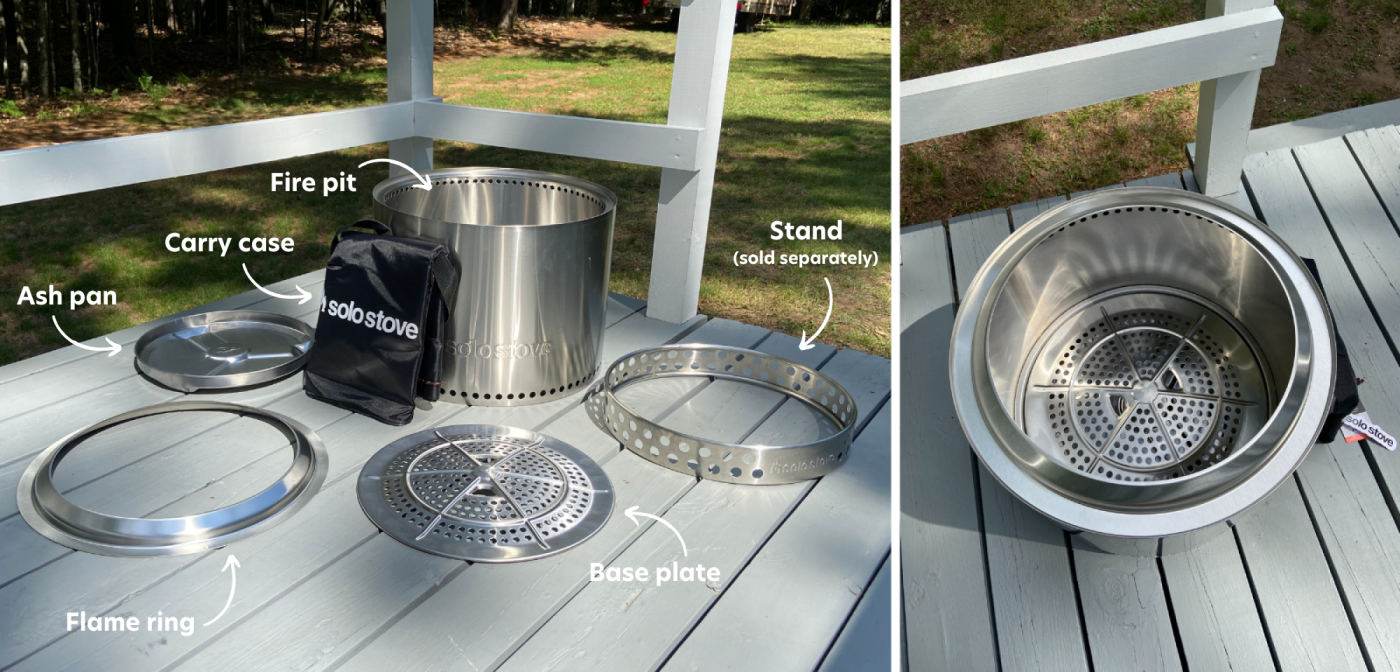
So, what exactly changed? The solution is elegantly simple. Solo Stove didn’t reinvent the wheel. They didn’t add motors or complex mechanisms. They just separated the bottom. In the 2.0 models, including the updated Ranger, Bonfire, and Yukon, the base plate is no longer fixed. It lifts right out. Underneath it sits a dedicated ash pan. Both pieces are made from 430 stainless steel, which is tough enough to handle the heat but distinct from the 304 stainless steel used in the main body.
Here’s how it works in practice. When your fire is done and the stove is cool, you don’t tip the whole unit. You just lift the bottom plate. Then, you lift out the ash pan. That’s it. You take the pan to your trash bin, dump the contents, and pop it back in. It takes seconds. There’s no heavy lifting of the main body. There’s no ash cloud exploding everywhere because you’re controlling the container. It’s a singular, manageable piece rather than a cumbersome cylinder.
This design keeps the core of what makes Solo Stove great intact. The 360-degree airflow technology is still there. The smokeless burn is still there. The durability is still there. But now, the maintenance matches the quality of the burn. As Bob Vila’s review pointed out, this separation makes cleanup "immensely easier" without disrupting the airflow design. It’s a testament to good engineering. They identified a pain point and removed it with minimal fuss. It’s not flashy, but it’s incredibly effective.
Why Listening to Customers Matters
Solo Stove has built a reputation not just for making good products, but for paying attention to what people say. This update is a prime example of that. Over the years, customers asked for ways to cook on their pits, so the company released the Hub and Cast Iron Grill. People wanted to stay warmer, so they introduced the Heat Deflector. The pattern is clear. They listen. And when thousands of owners said, "We love the fire, but hate the cleanup," they acted.
The release of the 2.0 series with the removable ash pan shows that the brand values user experience beyond just the initial purchase. It’s about the long-term relationship with the product. In 2026, consumers are smarter. They don’t just buy a gadget; they buy into an ecosystem and a brand promise. If a company ignores obvious flaws, people notice. They talk about it online. They write reviews. Solo Stove could have ignored the complaints. They didn’t. They fixed it.
This approach builds trust. When you see a company update a product to address a specific, practical annoyance, it feels personal. It feels like they care about your Saturday night routine. It’s not just about selling more units; it’s about making the existing experience better. As Cookout News highlighted, this move continues their track record of responding to customer desires. It turns a potential negative into a positive selling point. It shows that innovation doesn’t always mean adding more; sometimes, it means subtracting the friction.
The Practical Benefits for Everyday Owners
Let’s talk about what this means for you, the person actually using the stove. First, it saves time. What used to be a ten-minute ordeal of dragging, tipping, and wiping down is now a thirty-second task. You lift, dump, and replace. That’s it. This efficiency encourages regular maintenance. When cleanup is easy, you’re more likely to do it after every use. This keeps your stove in better condition. It prevents ash buildup that can clog airflow holes or retain moisture, which might lead to rust or odors over time.
Second, it’s cleaner. Literally. Because you’re handling a contained pan, the ash stays where it’s supposed to. You’re not shaking a massive metal tube over a trash can, hoping nothing spills. This is huge for people with patios, decks, or outdoor kitchens. You don’t have to worry about gray dust settling on your dining table or your favorite outdoor cushions. It keeps your outdoor space looking tidy and inviting. It reduces the "mess factor" significantly, making the whole experience more pleasant.
Third, it’s safer and easier on your body. Tipping a large, heavy steel cylinder can be risky. You might strain your back. You might drop it. With the 2.0 design, you’re lifting a lightweight pan. It’s manageable for almost anyone. This is particularly important for the larger models like the Yukon. As GearChase noted, this feature is "especially helpful for the large Yukon that is huge and hard to [move]." It makes the big stoves accessible to more people. It removes the physical barrier to ownership.
Compatibility and Upgrade Considerations
Now, here’s the catch. If you already own a 1.0 Solo Stove, you can’t just buy an ash pan and slap it on. The design changes are structural. The 2.0 models have a different base configuration to accommodate the removable parts. As GearJunkie pointed out, "there is no way to integrate the removable ash pan into the Fire Pit 1.0." This is important to understand. You can’t retrofit your old stove. If you want this feature, you need to upgrade to the new version.
Does that mean you should rush out and buy a new one? It depends. If you love your current stove and don’t mind the cleanup, maybe not. The core burning performance is largely the same. The 2.0 isn’t hotter or more smokeless than the 1.0. It’s just easier to clean. However, if you find yourself avoiding using your stove because of the cleanup hassle, or if you’re buying your first one, the 2.0 is the obvious choice. The convenience factor is worth the investment for many.
For new buyers in 2026, the decision is straightforward. Go with the 2.0. There’s really no reason to choose the older model unless you find a steep discount on leftover stock. The removable ash pan is now a standard expectation, not a luxury. It’s become part of what defines a modern Solo Stove. The market has shifted. The 1.0 is now considered legacy tech. The 2.0 is the current standard. Understanding this helps you make an informed choice. Don’t buy the old version thinking you can upgrade it later. You can’t.
The removable ash pan is more than just a feature. It’s a signal of where outdoor living is heading. People want convenience. They want high-quality experiences without the high-maintenance headaches. They want products that fit seamlessly into their lives. Solo Stove’s update reflects this broader trend. It’s not just about having a fire; it’s about enjoying the entire process, from setup to takedown. As we move further into 2026, we’ll likely see more brands adopting similar user-centric designs.
This change also opens up new possibilities. With easier cleanup, people might use their stoves more frequently. They might experiment with different fuels or cooking methods. The barrier to entry is lower. This could lead to a more vibrant outdoor culture. Imagine hosting weekly fire nights because you know cleanup won’t ruin your evening. That’s the kind of lifestyle shift these small design tweaks enable. It’s about removing friction so you can focus on what matters: connection, warmth, and relaxation.
Furthermore, it sets a precedent. Other manufacturers are watching. They see how well-received this update has been. They see the positive reviews and the increased satisfaction. This pushes the entire industry forward. It raises the bar for what consumers expect from premium fire pits. In the future, we might see even more innovative solutions for maintenance, storage, and usability. The removable ash pan is just the beginning. It’s a step toward a more refined, user-friendly outdoor experience.
In the end, the new removable ash pan in Solo Stove’s 2.0 line is a simple idea executed perfectly. It fixes a real problem. It respects the user’s time and effort. It enhances the overall enjoyment of the product. For anyone considering a Solo Stove, or anyone wondering if the upgrade is worth it, the answer is clear. Yes, it is. It changes the game. It turns a chore into a non-issue. And in doing so, it lets you focus on what really matters: the fire, the friends, and the moments shared under the open sky. So go ahead. Light that fire. Enjoy the warmth. And when it’s time to clean up, smile. Because now, it’s easy.