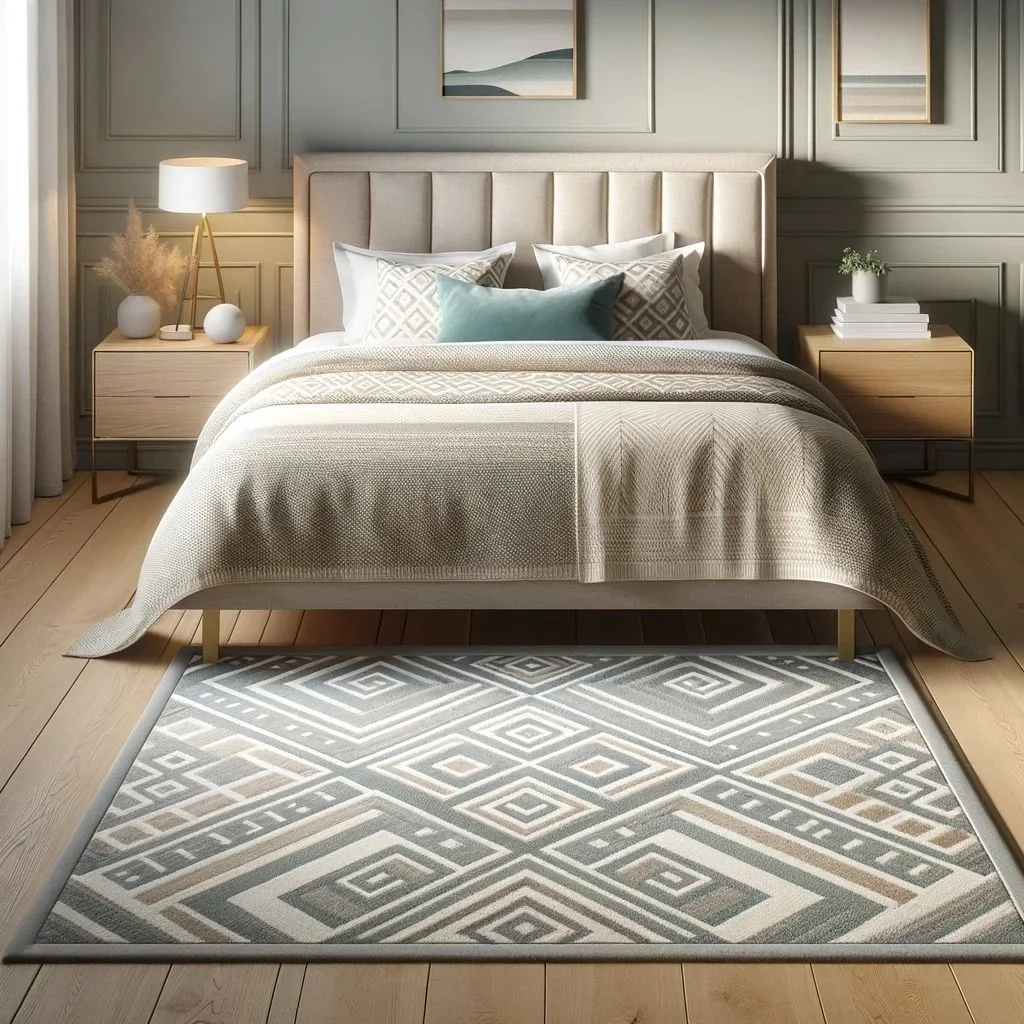
Ever walked into a bedroom that just felt… off? Maybe the bed is shoved against a weird nook, or the room is long and narrow like a train car. You love your king-size bed. It’s comfy. It’s huge. But trying to make it look good in a space that wasn’t built for standard furniture feels like trying to fit a square peg in a round hole. And then there’s the rug. That big, expensive piece of fabric that’s supposed to tie everything together. Instead, it often highlights just how strange the room shape is.
It’s frustrating. You spend hours scrolling through Pinterest, looking at those perfect, square rooms with symmetrical windows. Then you look at your own space. One wall is shorter. The door swings into the corner. There’s a radiator in the middle of nowhere. What do you do? Do you give up? Do you just leave the floor bare? No way. The right rug can actually fix the awkwardness. It can trick the eye. It can create zones where none existed before. But you have to break the rules. The standard advice doesn’t always work here.
Let’s be real. Most design guides assume your room is a nice, neat rectangle. Life isn’t like that. Especially in older homes or modern builds with quirky architectural "features." In 2026, we’re seeing more people embrace these imperfect spaces rather than fighting them. The key is flexibility. It’s about understanding how visual weight works. A rug isn’t just decoration. It’s an anchor. When placed correctly in a tricky spot, it stops the room from feeling chaotic. It gives your eyes a place to rest. So, let’s dive into how to make those awkward corners work for you, not against you.
The Illusion of Symmetry in Asymmetric Rooms
First things first. Stop trying to force symmetry where it doesn’t exist. If your king bed is pushed against one wall because the other side has a closet door that swings out, centering the rug under the bed might look weird. It leaves a huge gap on one side and cramps the other. This is a common mistake. People think "centered" means "correct." Not always. In an asymmetrical room, you want to create visual balance, not mathematical equality.
Try shifting the rug. If the bed is off-center, shift the rug slightly toward the open side. This creates a landing pad for your feet when you get out of bed on that side. It makes the empty space feel intentional, like a deliberate lounge area, rather than just "leftover" floor. You can also use the rug to define a pathway. If there’s a weird angle in the room, align the edge of the rug with the main walkway. This draws the eye along the path of travel, making the awkward angle feel like part of the flow.
Think about the focal point. In a normal room, the bed is the star. In an awkward room, maybe the view out the window is the star. Or maybe it’s a unique architectural beam. Orient your rug to highlight that feature. If the room is L-shaped, consider using two smaller rugs instead of one big one. One under the bed, and one in the sitting area of the "L". This breaks up the odd shape into two functional zones. It’s less about covering the floor and more about defining how the space is used. Don’t be afriad to experiment. Move it around. Live with it for a day. See how it feels.
Sizing Secrets for Non-Standard Spaces
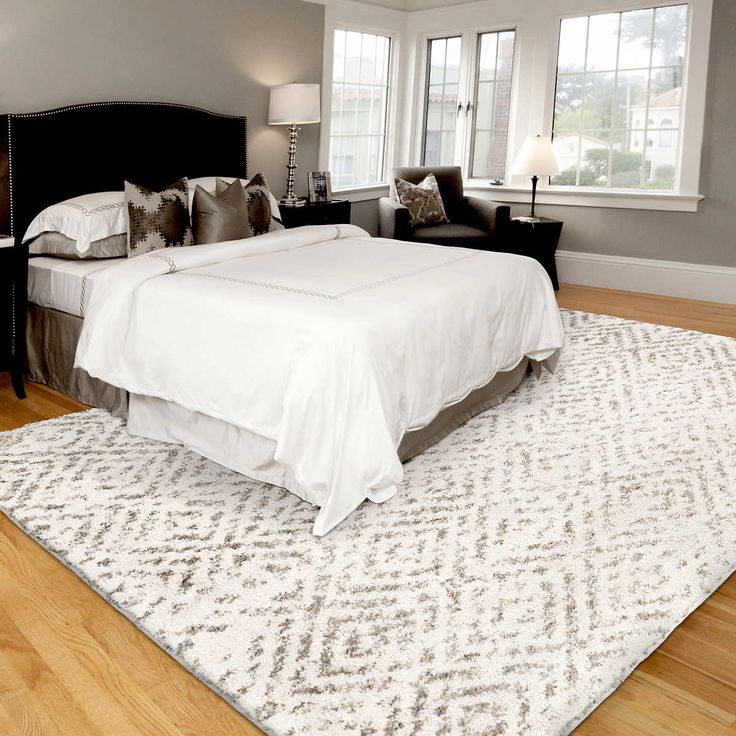
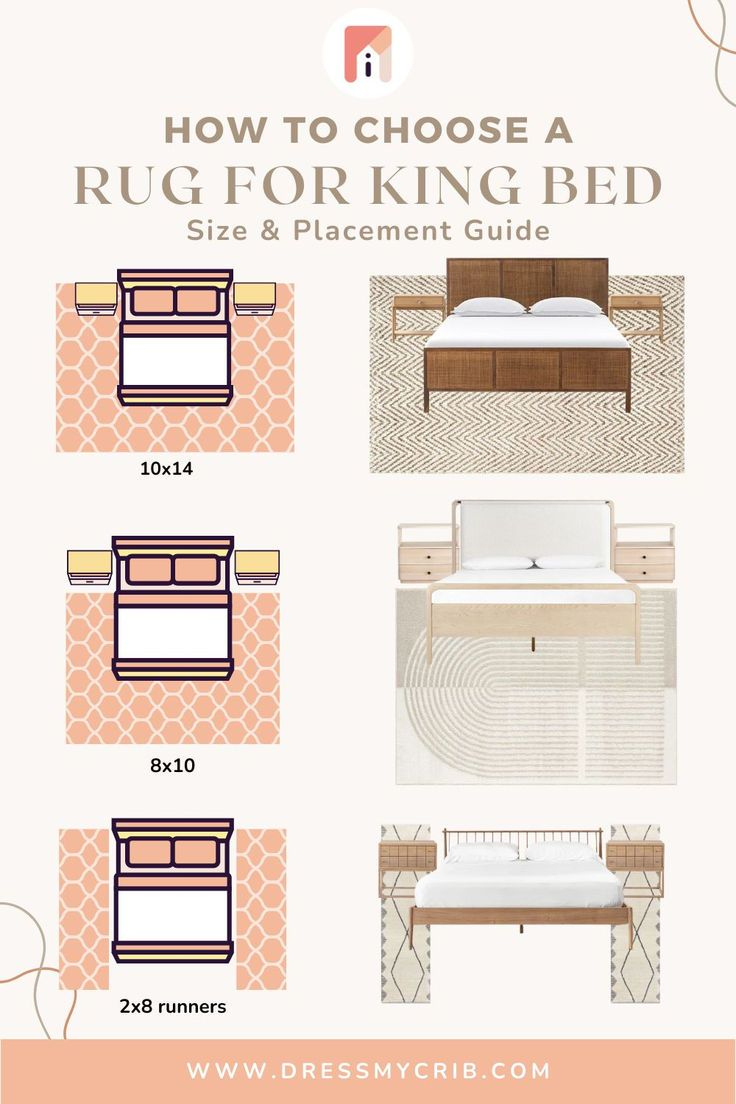
Size matters. A lot. But in weird rooms, the "standard" sizes (like 8×10 or 9×12) might not cut it. An 8×10 rug under a king bed usually leaves only about 12-18 inches exposed on the sides. In a narrow room, that might mean the rug hits the wall, leaving no breathing room. That looks cramped. On the flip side, if the room is super wide, an 8×10 can look like a postage stamp. It gets lost. You need to measure differently here.
Forget the pre-packaged sizes for a second. Look at custom options or oversized runners. In 2026, many retailers offer modular rugs or custom cuts. This is a game-changer for awkward shapes. If you have a long, narrow bedroom, a standard rectangular rug might emphasize the tunnel effect. Instead, try a wider, shorter rug that sits perpendicular to the length of the room. This visually widens the space. It breaks up the long lines. It makes the room feel less like a hallway and more like a sanctuary.
Also, consider the "floating" technique. In tight spaces, don’t push the rug all the way to the walls. Leave a consistent border of flooring visible around the edges. This frame of bare floor (whether wood, tile, or carpet) creates a buffer. It makes the room feel larger. If you have a bay window or a weird alcove, don’t try to cover it with the main rug. Let the flooring show through there. It adds depth. Just make sure the rug is large enough that the front legs of any bedside tables or benches sit on it. This anchors the furniture group. If the rug is too small, the furniture looks like it’s drifting away. Nobody wants floating nightstands.
Navigating Obstacles: Doors, Radiators, and Nooks
Real rooms have stuff in them. Things that stick out. Radiators. Baseboard heaters. Doors that swing inward. These are the nightmares of rug placement. You can’t just lay a flat rug over a radiator. It’s a fire hazard and blocks the heat. So, what do you do? You work around it. Literally. Measure the obstacle. Cut the rug? No, that’s messy. Instead, use a rug pad to elevate the rug slightly if it’s near a low-profile heater, or better yet, choose a rug size that stops just short of the obstacle.
For swinging doors, this is crucial. Map out the arc of the door. Make sure the rug doesn’t bunch up when the door opens. Nothing ruins a vibe like tripping over a bunched-up corner every time you enter the room. If the door hits the rug, consider using a low-pile rug or a flatweave. They slide easier. Or, position the rug so the door swings over the bare floor. It might mean shifting the bed slightly, but smooth traffic flow is worth it. Safety first, style second. Well, both are important.
What about those random nooks? Maybe there’s a column in the corner. Or a weird indent in the wall. Don’t ignore it. Use it. If the nook is deep enough, put a small accent rug there with a chair and a lamp. Now it’s a reading corner. If it’s shallow, let the main rug run past it, but ensure the pattern or texture doesn’t get cut off awkwardly. Solid colors or subtle textures handle these interruptions better than bold geometric patterns. A busy pattern that gets cut off by a column looks like a mistake. A solid cream wool rug just looks like it continues behind the column. It’s cleaner. Simpler is often better in complex spaces.
Texture and Pattern as Distraction Tools
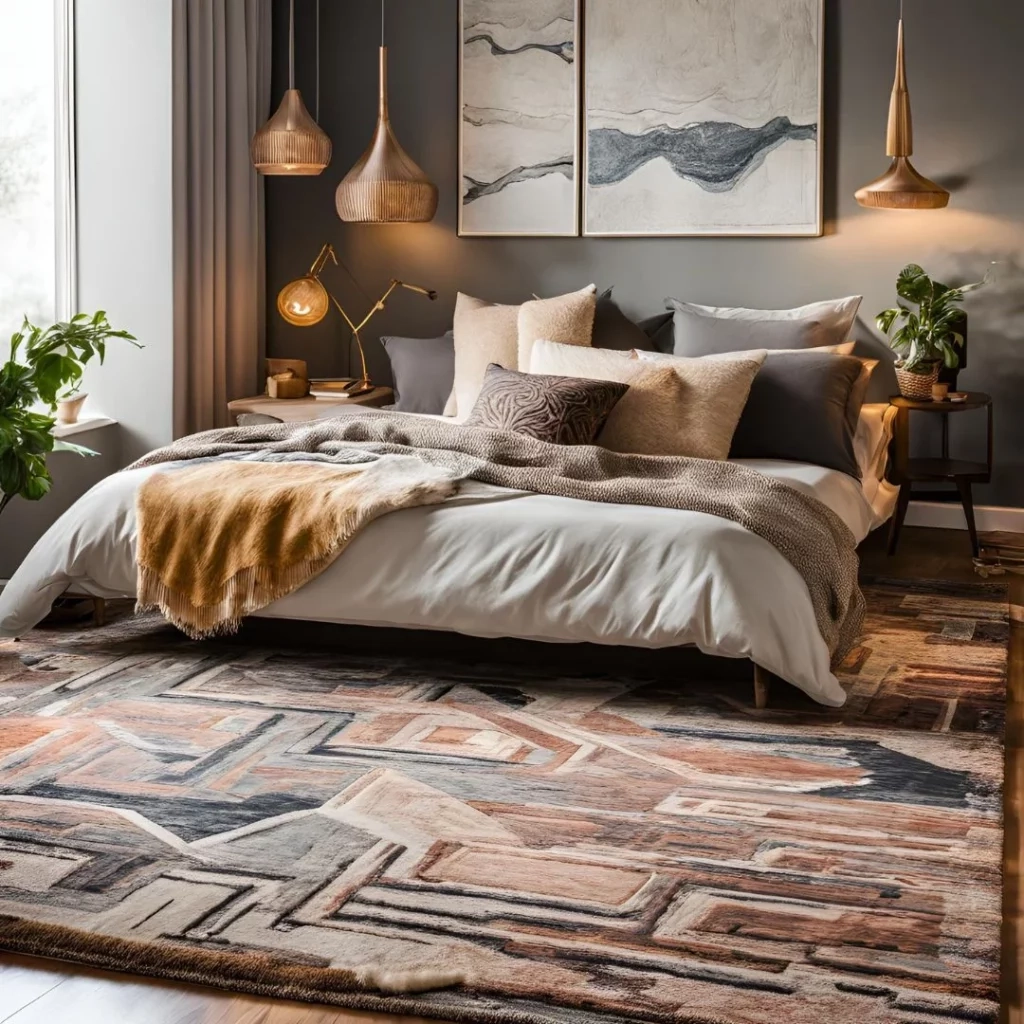
When the shape of the room is the problem, use the rug to distract the eye. Bold patterns can be tricky. A large geometric print might highlight the uneven walls. If one wall is crooked, a straight-lined rug will make it obvious. It’s like drawing a straight line next to a wavy one. The waviness stands out. Instead, go for organic shapes. Think abstract swirls, tonal variations, or shaggy textures. These soften the hard lines of the architecture. They blur the boundaries.
Texture is your best friend here. A high-pile shag or a chunky knit rug adds volume and softness. It draws attention to the floor itself, rather than the dimensions of the room. It invites touch. It makes the space feel cozy and enclosed, which is great for small, awkward bedrooms. In 2026, sustainable textures like jute, sisal, and recycled fibers are huge. They add natural irregularity. No two jute rugs are exactly alike. This inherent imperfection matches the imperfection of your room. It feels harmonious.
Color also plays a role. Light-colored rugs expand a space. If your awkward room is small and dark, a light beige or grey rug will bounce light around. It makes the corners recede. Dark rugs absorb light and can make a small, weirdly shaped room feel cave-like. Unless that’s the vibe you’re going for (moody, dramatic), stick to lighter tones. If you love color, try a rug with a gradient. Ombre rugs fade from dark to light. This can help transition the eye from a cramped corner to a more open area. It’s a subtle trick, but it works. It guides the gaze smoothly across the uneven landscape of your floor.
Layering for Flexibility and Depth
Sometimes, one rug just isn’t enough. Or rather, one rug can’t do all the heavy lifting. This is where layering comes in. It’s not just for bohemian vibes. It’s a practical solution for awkward shapes. Start with a large, neutral, natural fiber rug (like sisal or jute) that covers most of the floor. This defines the overall space. Then, layer a smaller, softer, more colorful rug on top, positioned specifically under the bed or in the seating area.
Why does this help? Because it allows you to adjust the visual center without moving a massive, heavy rug. If the bed shifts, you just shift the top rug. The base rug stays put, anchoring the room’s perimeter. It also adds dimension. The different textures create interest. It distracts from the room’s odd proportions. Plus, it’s cheaper. Buying one giant custom rug is expensive. Buying a standard sisal rug and a smaller decorative rug is often more affordable and easier to find.
Be careful with thickness though. Don’t layer two thick piles. It becomes a tripping hazard. Keep the base flat and the top layer plush. Or vice versa. Just ensure the transition is smooth. Use a good quality rug pad between the layers if they slip. In 2026, non-slip pads are eco-friendly and thin, so they don’t add bulk. Layering also lets you mix shapes. Try a round rug layered over a rectangular one. The circle softens the angles of the room. It breaks up the boxiness. It’s unexpected. It shows you didn’t just buy a set; you curated a space. That’s the goal.
Rugs don’t exist in a vacuum. They interact with light and furniture. In an awkward room, lighting can make the weird angles look even weirder. Shadows pool in corners. Use your rug placement to guide where you put your lights. If there’s a dark, unused corner, place the edge of the rug there and add a floor lamp. The rug invites you into that space. The light illuminates it. Suddenly, it’s not a dead zone; it’s a feature.
Align your furniture with the rug, not just the walls. If the walls are wonky, ignoring them is key. Create a self-contained furniture island on the rug. The bed, nightstands, and a bench at the foot of the bed should all relate to each other on the rug. This creates a cohesive unit. The eye sees the group, not the slanted wall behind it. It’s like a stage set. The rug is the stage. Everything else is scenery. If the room is long, pull the furniture away from the walls. Float the bed in the room if possible. Put the rug under it. This creates walkways around the bed, making the room feel wider and more luxurious.
Finally, check the sightlines. Stand in the doorway. What do you see? Does the rug look centered from that angle? Does it look balanced? Adjust accordingly. Sometimes, what looks right from the bed looks wrong from the door. Prioritize the entry view. It’s the first impression. Also, consider the light source. If sunlight streams in from a side window, a rug with some sheen (like silk blends or certain synthetics) can catch that light beautifully. It adds sparkle. It draws the eye to the light, not the shadowy awkward corner. It’s all about directing attention. Control the narrative of the room.
So, there you have it. Dealing with an awkwardly shaped king bedroom isn’t about hiding the flaws. It’s about working with them. It’s about using rugs as tools to reshape perception. Shift the placement. Play with size. Layer for depth. Use texture to soften. And always, always prioritize how the space feels to walk through. A beautiful room that’s annoying to navigate isn’t a success. A slightly imperfect room that feels cozy, balanced, and easy to live in? That’s a win. Don’t stress the perfect center. Embrace the comfortable offset. Your bedroom should be your retreat, not a geometry test.