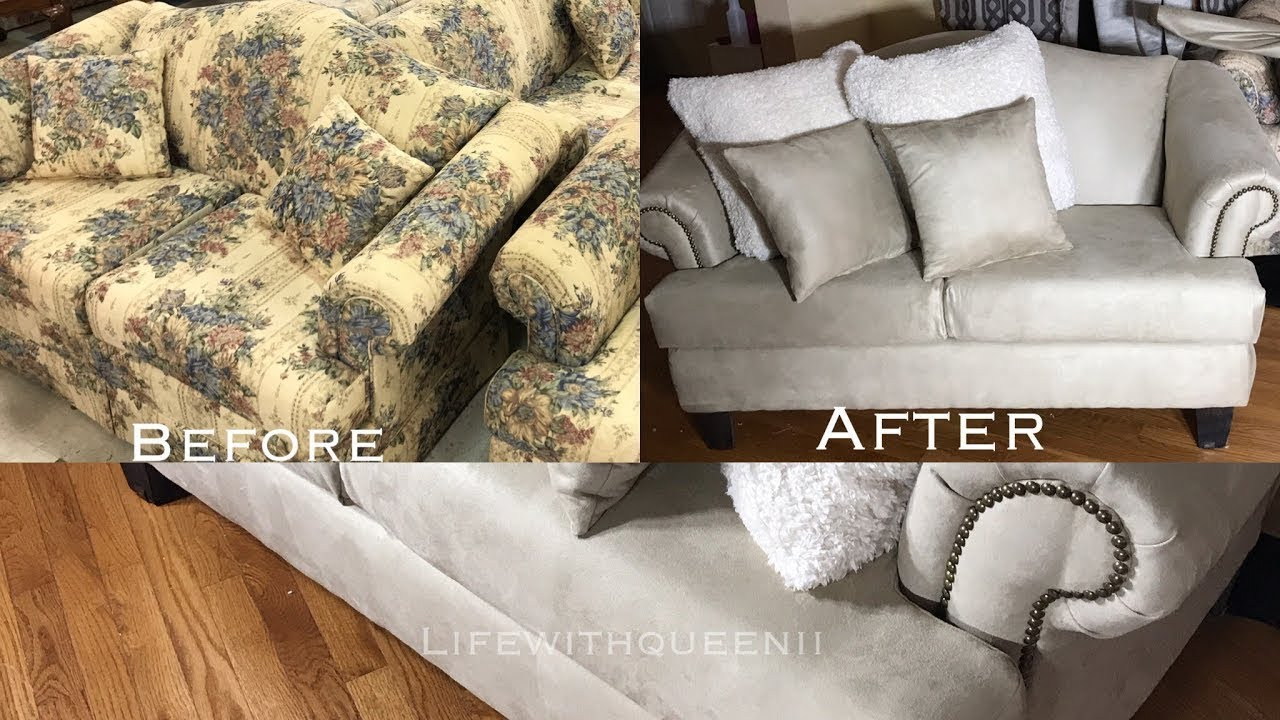
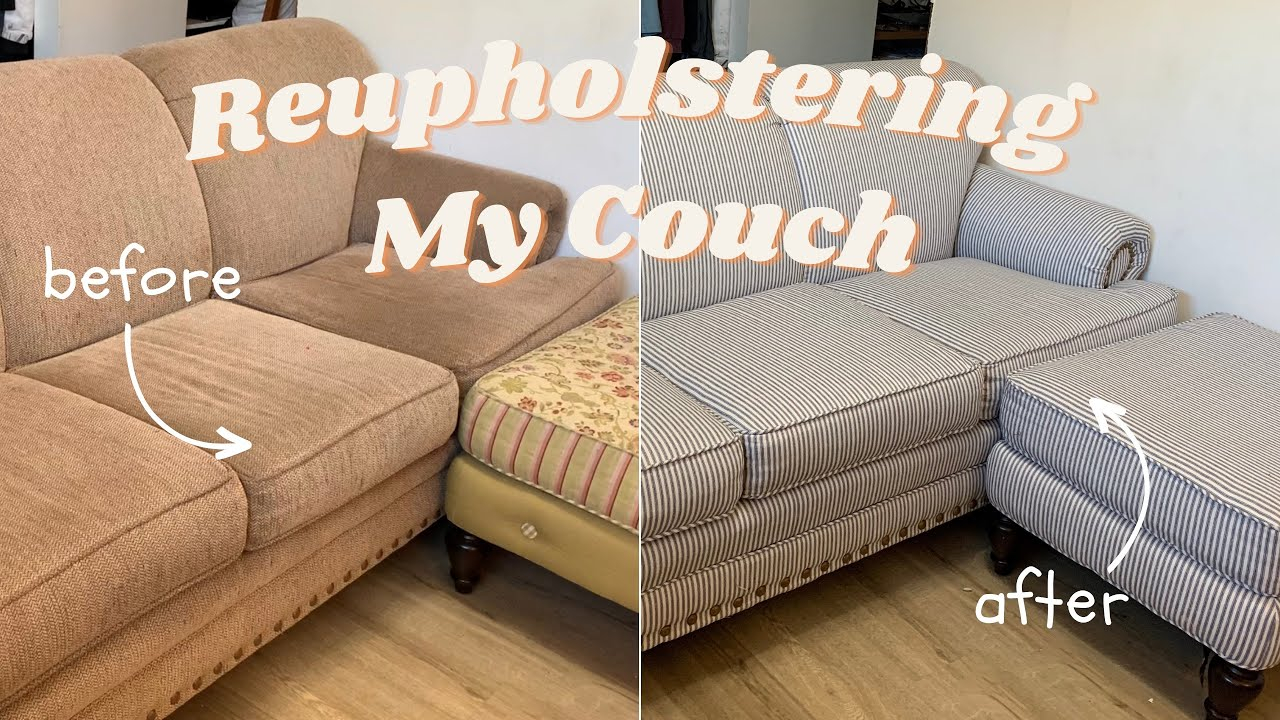
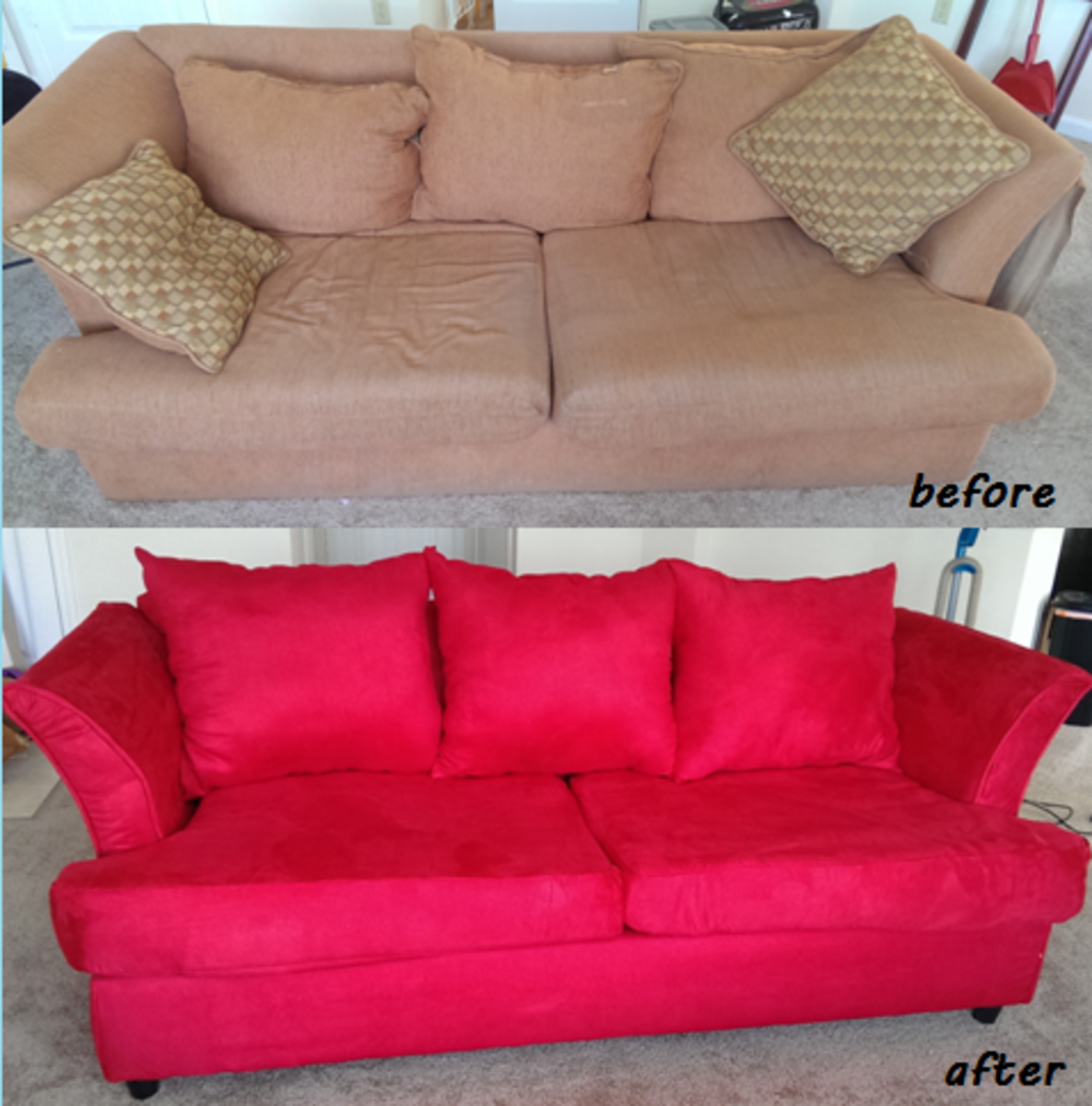
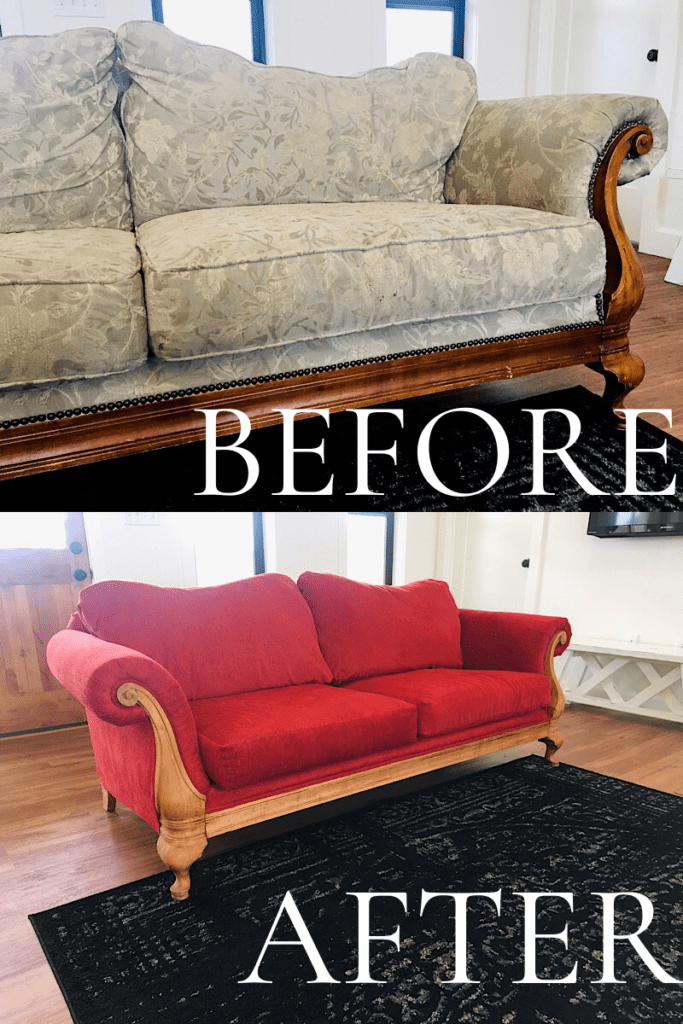
So, you’ve got that old armchair. The one with the frame that’s still solid as a rock but the fabric looks like it went through a war. You love the shape. It fits your living room perfectly. But when you start looking into getting it fixed up, the numbers can feel a bit shocking. Maybe you expected a few hundred bucks. Instead, you’re seeing quotes that climb into the thousands. It’s confusing, right? Especially in 2026, where everything seems to cost a little more than it did last year.
The truth is, reupholstery isn’t just about slapping new cloth on an old frame. It’s a craft. It’s hours of careful work by someone who knows their way around a sewing machine and a staple gun. And the material you pick? That’s half the battle. Some fabrics are cheap and easy. Others are pricey and tricky to handle. This mix of what you choose and how long it takes to install is what drives the final price tag. Let’s break it down so you know exactly what you’re paying for.
The Big Picture: What Are We Talking About Here?
When we talk about reupholstery costs in 2026, we aren’t talking about a single fixed price. It’s a spectrum. For a simple dining chair, you might pay anywhere from $200 to $1,000. For a standard sofa, the range usually sits between $600 and $1,800 for basic jobs, but can easily jump to $3,000 or even $5,000 if you go fancy. Why such a huge gap? Well, it depends on a lot of things. The size of the piece matters. A tiny loveseat needs way less material than a massive sectional. But beyond size, it’s really about the two big drivers: the fabric itself and the labor required to put it on.
Think of it like buying a suit. You can get one off the rack for cheap, or you can have one tailored from Italian wool. Both cover your body, but the experience and the cost are worlds apart. In furniture, the "off the rack" option is a simple cotton blend on a straight-backed chair. The "Italian wool" version is a hand-tufted velvet sofa with custom piping. Most people fall somewhere in the middle. According to recent data, the average spend for a typical piece hovers around $370 to $1,157. But that’s just an average. Your specific project could be lower or much higher.
It’s also important to remember that reupholstery is often about saving a piece you love. Maybe it’s an heirloom. Maybe it’s just the perfect size for your awkward apartment layout. Buying new furniture that fits well and lasts long can actually cost more than fixing what you have. Plus, it’s better for the planet. You’re keeping waste out of landfills. So while the upfront cost might sting a bit, the value is often there. You just need to understand where the money goes.
Fabric Choice: The Material Matters More Than You Think
Let’s talk about the cloth. This is usually the first thing people pick, and it’s a huge part of the bill. Basic fabrics like standard cotton or polyester blends are the most affordable. They’re easy to find and easy to work with. You might pay $30 to $60 per yard for these. If your chair needs 5 yards, that’s $150 to $300 just for the material. Not bad. But if you want something nicer, the price climbs fast. Velvet, linen, and high-performance fabrics designed to resist stains and pets can run $80 to $150 per yard. Suddenly, that same chair is costing $400 to $750 in fabric alone.
Then there’s leather. Oh, leather. It’s a whole different ballgame. Genuine leather is durable and looks amazing, but it’s expensive. We’re talking $100 to $200+ per yard. And leather is tricky. It doesn’t stretch like cloth. It shows every needle hole. If the upholsterer makes a mistake, they can’t just unpick it and try again. The hole is there forever. This risk means labor costs often go up too. For a large sofa, using premium leather can push the total project cost toward $4,000 or $6,000. It’s a luxury choice, and the price reflects that.
Don’t forget about pattern matching. If you choose a fabric with a big floral print or stripes, the upholsterer has to line up the patterns perfectly across seams and cushions. This wastes more fabric because they have to cut carefully to make sure the flowers don’t look chopped in half. It also takes more time. So, a busy pattern isn’t just a style choice; it’s a budget choice too. Solid colors are generally cheaper to install because there’s no matching to worry about. Keep that in mind when you’re browsing swatches.
Labor Rates: Paying for Skill and Time
Fabric is only half the story. The other half is the person doing the work. Upholstery is hard. It’s physical. It requires patience and precision. In 2026, labor rates vary by location, but skilled upholsterers charge for their time and expertise. A simple chair might take 5 to 10 hours. A complex sofa with lots of cushions and details can take 20 to 40 hours or more. If the hourly rate is $50 to $100, you can see how the labor bill adds up quickly. For a standard sofa, labor alone can easily be $800 to $1,500.
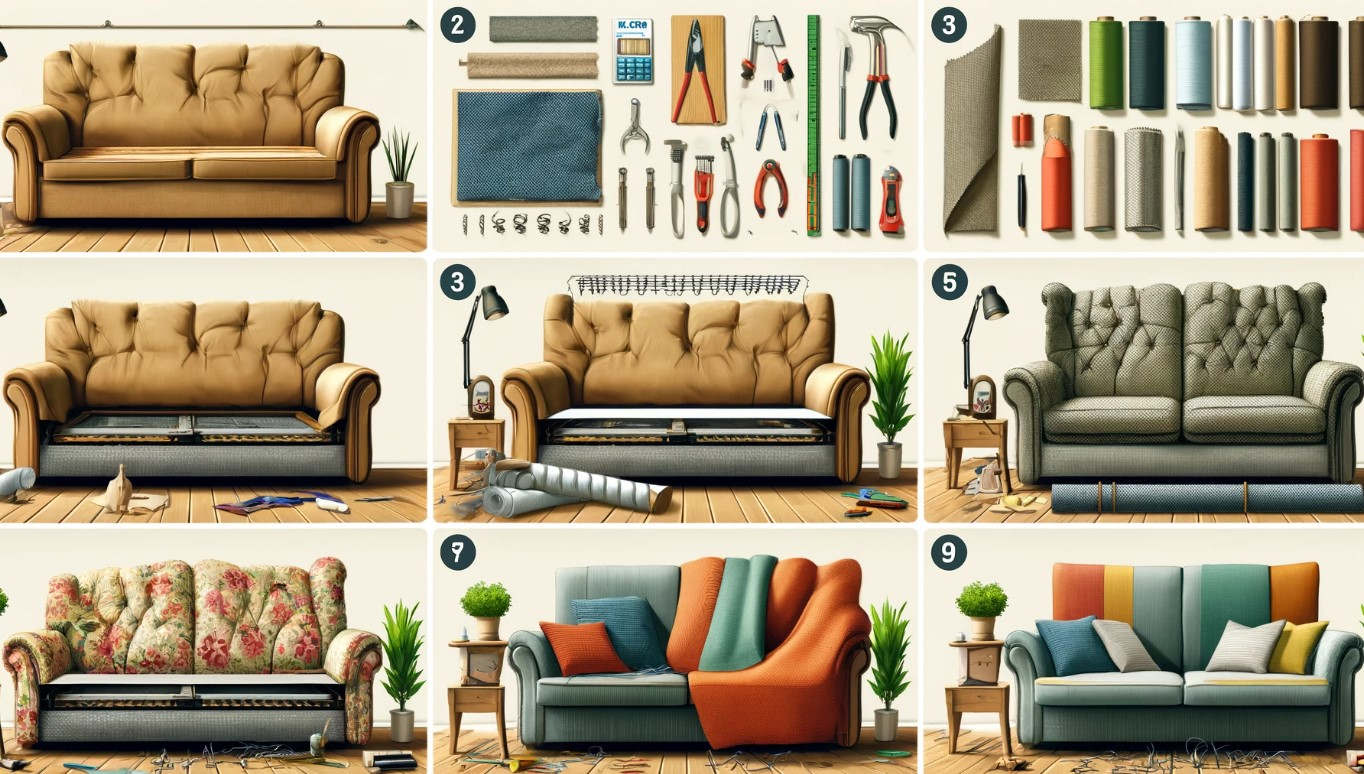
Why does it take so long? Well, it’s not just sewing. The upholsterer has to strip the old fabric off. They have to inspect the frame. They might need to replace the padding or the springs. Every step takes time. And if the piece has details like tufting (those button indentations), piping (the cord along the edges), or skirts, that adds even more hours. Tufting, for example, is incredibly tedious. Each button has to be placed just right. It’s art, really. And art takes time. That’s why a plain, boxy sofa is cheaper to reupholster than one with lots of curves and trim.
Also, consider the complexity of the furniture design. A mid-century modern chair with clean lines is easier to cover than a Victorian wingback with carved wood arms and intricate shapes. The more nooks and crannies, the harder it is to get the fabric to lie flat and look good. This difficulty drives up the labor time. So when you get a quote, ask yourself: is this piece simple or complicated? The answer will tell you a lot about why the labor cost is what it is. Don’t underestimate the skill involved in making old furniture look new again.
Hidden Costs: Structural Repairs and Add-Ons
Here’s the thing that catches people off guard: the inside stuff. When the old fabric comes off, the upholsterer sees what’s underneath. Sometimes, it’s fine. But often, there are issues. The webbing (the straps that hold the seat up) might be sagging. The springs might be broken. The foam cushion might be crumbling into dust. These aren’t optional fixes if you want the furniture to be comfortable and safe. Structural repairs typically add $150 to $500 to your bill. It’s not always predictable until the piece is stripped down.
Frame repairs are another potential cost. If the wood is cracked or loose, it needs to be glued and clamped. In severe cases, parts might need to be replaced. This is common with older antiques or pieces that have been moved a lot. If you have an antique, you might also want specialized care to preserve its value. That kind of work costs more because it requires a specialist. It’s worth it for a valuable piece, but it’s an extra expense to plan for. Always ask your upholsterer to inspect the frame before giving a final quote, or at least give you a range for potential repairs.
Then there are the nice-to-haves. New cushion fills, for instance. You can stick with the old foam, but it’s probably flat and lumpy by now. Upgrading to high-density foam or down-wrapped cushions makes a huge difference in comfort. But it costs extra. Maybe $50 to $150 per cushion. Adding decorative nails or trim is another small add-on that adds up. These aren’t hidden in a sneaky way, but they’re often forgotten in the initial budget. Make sure you discuss all these options upfront so there are no surprises when the bill arrives.
Size and Style: How Your Furniture Shape Impacts Price
We touched on this earlier, but it’s worth diving deeper. The size of your furniture is the single biggest variable in pricing. A compact loveseat requires far less fabric and labor than a large sectional. It’s simple math. Less material equals lower cost. Less surface area equals less time to cover. For a small accent chair, you’re looking at the lower end of the spectrum, maybe $300 to $800 total. For a massive L-shaped sectional, you could easily be looking at $2,500 to $5,000 or more. Know the size of your piece before you start shopping for quotes.
Style matters too. As mentioned, details drive labor. A sofa with a skirted bottom takes more fabric and more sewing time than one with exposed legs. Cushions are another factor. A sofa with three tight back cushions (attached to the frame) is easier to cover than one with six loose throw pillows. Each loose cushion is basically a mini-project on its own. It needs to be measured, cut, sewn, and stuffed. More cushions mean more hours. So, if you’re trying to save money, a simpler style with fewer loose parts is the way to go.
Also, consider the accessibility of the piece. Can the upholsterer easily work on it in their shop? Or do they need to come to your home? On-site work is rare for full reupholstery because it’s messy and requires big tools, but if it’s needed, it will cost more. Most of the time, you’ll drop the piece off. But if it’s a huge sectional that’s hard to move, you might need to pay for movers. That’s another cost to factor in. The logistics of getting the furniture to and from the shop can sometimes be overlooked, but they matter.
Smart Tips to Manage Your Reupholstery Budget
So, how do you keep costs down without sacrificing quality? First, be realistic about your fabric choice. If you’re on a budget, skip the designer prints and genuine leather. Look for durable, mid-range synthetics or cotton blends. They’ve come a long way in terms of look and feel. Many modern performance fabrics look like linen or velvet but cost half as much and are easier to clean. This is a huge trend in 2026. You don’t have to spend a fortune to get something that looks great and lasts.
Second, simplify the design. If your old sofa has piping or tufting, consider removing those features during the reupholstery process. Going for a cleaner, more modern look can save you hundreds in labor costs. Talk to your upholsterer about this. They might suggest a simpler style that works with the frame. Also, reuse what you can. If the cushion foam is still in good shape, keep it. If the down wrapping is fine, keep it. Only replace what’s broken or worn out. This saves on material costs.
Finally, get multiple quotes. Prices vary wildly between shops. One upholsterer might charge $60 an hour, another $90. One might include pickup and delivery, another might not. Ask for a detailed breakdown. What’s the fabric cost? What’s the labor estimate? Are structural repairs included? This helps you compare apples to apples. And don’t be afraid to ask questions. A good upholsterer will explain everything. They want you to be happy with the result. Building a relationship with them can also lead to better service and maybe even a discount on future projects.
At the end of the day, reupholstery is a personal choice. It’s not just about money. It’s about sentiment. It’s about sustainability. It’s about getting exactly what you want. If you have a piece that’s well-made and meaningful, fixing it is often better than buying new. Fast furniture today is often poorly constructed. It won’t last ten years. Your old solid wood frame? It could last another fifty. By investing in reupholstery, you’re investing in longevity. You’re choosing quality over convenience.
But it’s not for every piece. If the frame is wobbly or broken beyond repair, it might not be worth it. If the style is wildly outdated and can’t be modernized with fabric alone, maybe let it go. Use the guidelines here to assess your situation. Look at the fabric costs. Estimate the labor. Add in any repairs. Compare that total to the cost of a new, high-quality replacement. If the numbers are close, think about the emotional value. Do you love this chair? Does it fit your space perfectly? If yes, then the cost is likely justified.
In 2026, we’re seeing more people choose to repair rather than replace. It’s a shift in mindset. We’re valuing craftsmanship and history. Reupholstery is part of that movement. It’s not the cheapest option, but it’s often the most rewarding. You get a unique piece that tells a story. You support local artisans. And you reduce waste. It’s a win-win-win, as long as you go in with your eyes open. Know the costs. Understand the process. And enjoy the result.
Reupholstery prices are driven by two main things: what you cover it with and how long it takes to do. Fabric choice sets the baseline. Labor adds the bulk. Add in repairs and details, and you have your final number. It’s not a mystery. It’s a calculation. By understanding these factors, you can budget smarter. You can make choices that fit your wallet and your style. Whether you spend $400 on a chair or $4,000 on a sofa, you’ll know exactly why. And that knowledge makes the whole process a lot less stressful. So go ahead. Give that old favorite a new life. It’s worth it.