Have you ever walked out after a heavy rain storm only to find a massive puddle staring back at you in the middle of your favorite lawn spot. It is frustrating. Water just sits there and refuses to drain away. You might feel like you are fighting a losing battle against nature.
Instead of fighting the moisture, why not work with it. soggy patches and low lying spots do not have to be an eyesore. By choosing the right greenery, you can turn those damp problem areas into vibrant ecosystems that attract pollinators and brighten up your entire landscape.
Why Native Species Matter For Wet Soil
Local plants have spent thousands of years adapting to regional climate patterns, soil types, and seasonal weather extremes. They know how to handle a deluge without rotting away. When you plant regional varieties in your damp backyard, you give yourself a massive head start because these greens naturally crave moisture.
Non-native ornamentals often drown or develop root rot when placed in standing water. Local choices have deep root systems or specialized cellular structures that let them breathe even when the surrounding earth is completely saturated. This means less work for you and a healthier garden overall.
The Beauty Of Cardinal Flower
Standing tall with brilliant red spikes, the cardinal flower is a true showstopper for damp locations. Hummingbirds absolutely adore these vibrant blooms. They add a dramatic splash of color to shady or partly sunny corners of your yard where other flowers would simply wither away.
This perennial thrives in consistently wet soil and can handle temporary flooding with ease. If you have a spot near a downspout or along a pond edge, this is your go-to option. Just make sure the earth stays moist during dry spells because they do not like to dry out completely.
Embracing Blue Flag Iris
Blue flag iris brings a touch of wild elegance to any marshy landscape zone. Their striking violet-blue flowers bloom in late spring, creating a breathtaking visual display. They spread naturally over time, helping to fill in empty gaps where puddles tend to linger.
Planting these beauties is straightforward. They love full sun and rich, wet organic matter. As an added bonus, they act as natural filters, helping to clean runoff water before it seeps deeper into the local groundwater supply.
Swamp Milkweed For Monarchs
Do not let the word swamp fool you. Swamp milkweed produces lovely pink flower clusters that smell amazing and play a critical role in supporting monarch butterflies. These insects rely on milkweed species to complete their life cycle.
This plant handles saturated ground like an absolute champ. It grows upright and tidy, meaning it will not take over your entire garden bed. Plop it into a damp rain garden and watch pollinators flock to your yard all summer long.
Turtlehead Blooms And Their Unique Shape
Have you ever looked closely at a turtlehead flower. The blossom looks remarkably like a tiny turtle popping its head out of its shell. These unique perennials bloom in late summer when many other garden plants are already starting to fade.
They prefer moist soil and partial shade. Their sturdy stems mean they rarely flop over, even after heavy rains. They make a fantastic addition to the back of a damp border, offering texture and curious blooms that always spark conversations with visitors.
Adding Texture With Soft Rush
Not all water-loving greenery needs showy flowers to make an impact. Soft rush brings incredible architectural interest with its slender, bright green, cylindrical stems. It grows in neat, upright clumps that look stunning near water features or soggy drainage ditches.
This resilient grass-like plant tolerates prolonged flooding and poor drainage without breaking a sweat. It provides essential cover for small wildlife and helps stabilize loose mud, preventing erosion when heavy downpours hit your property.
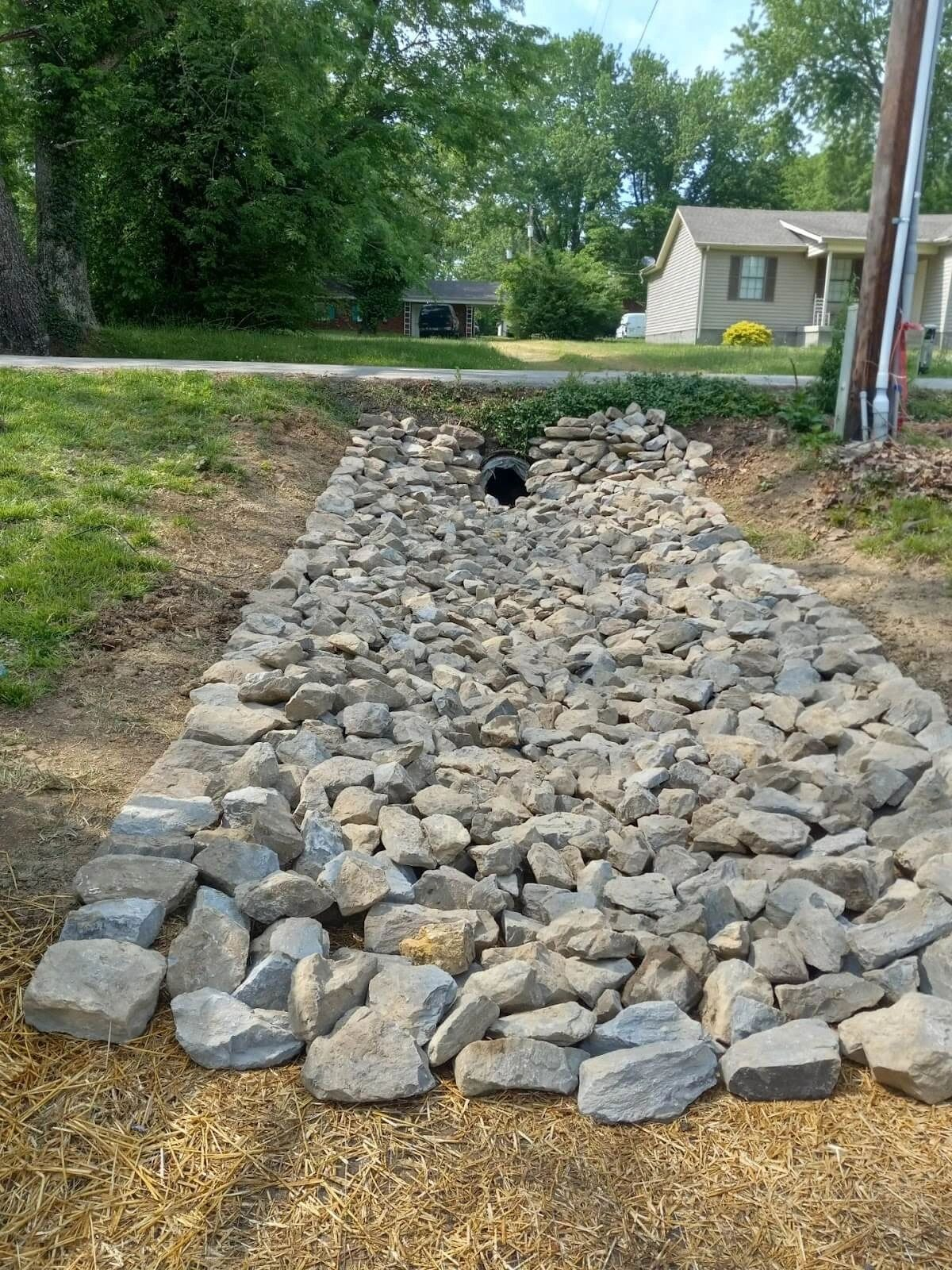
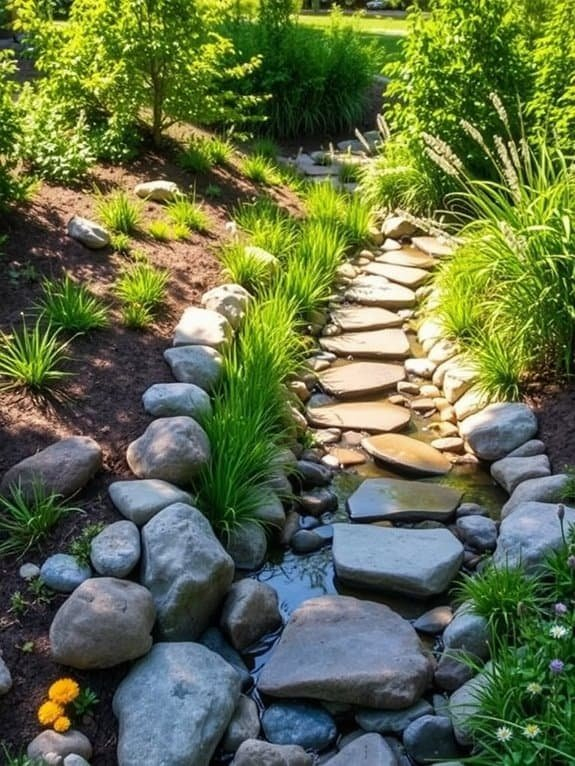
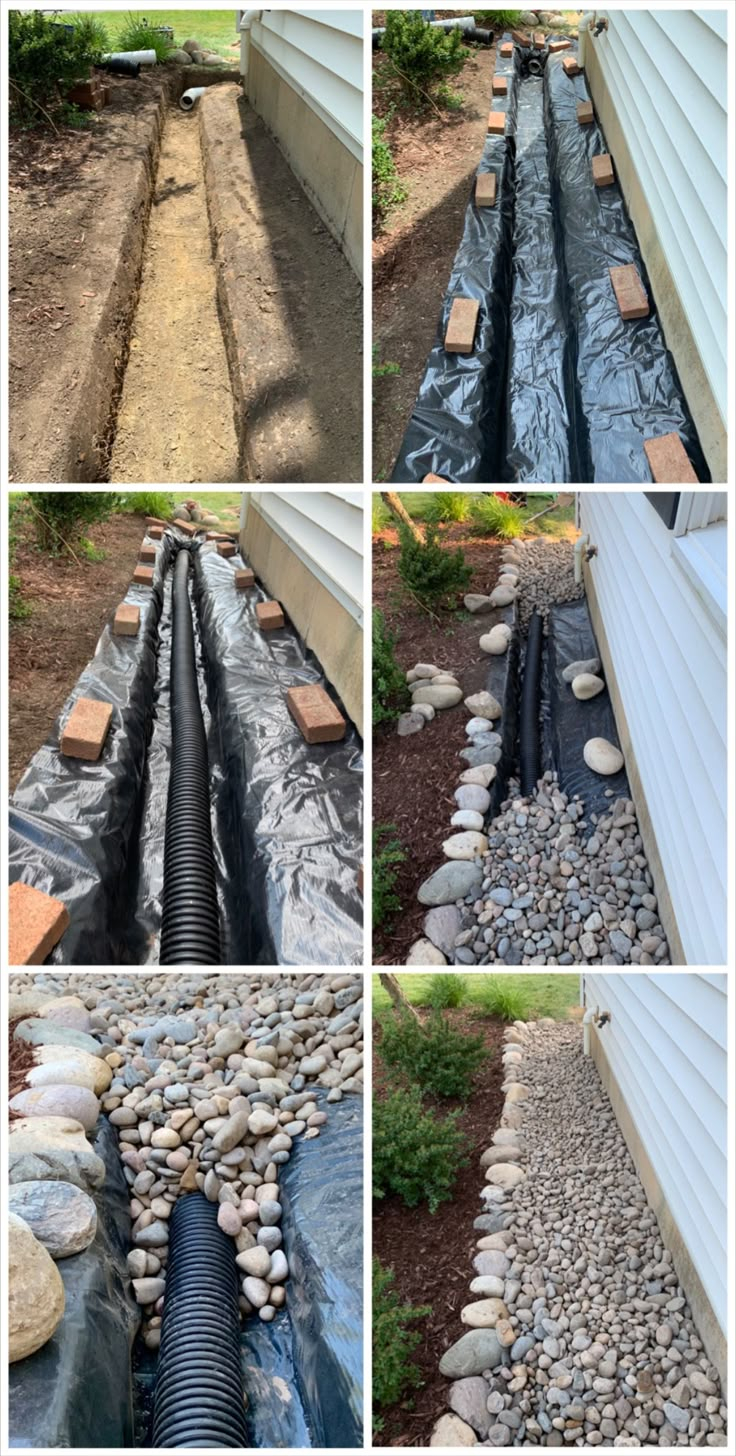
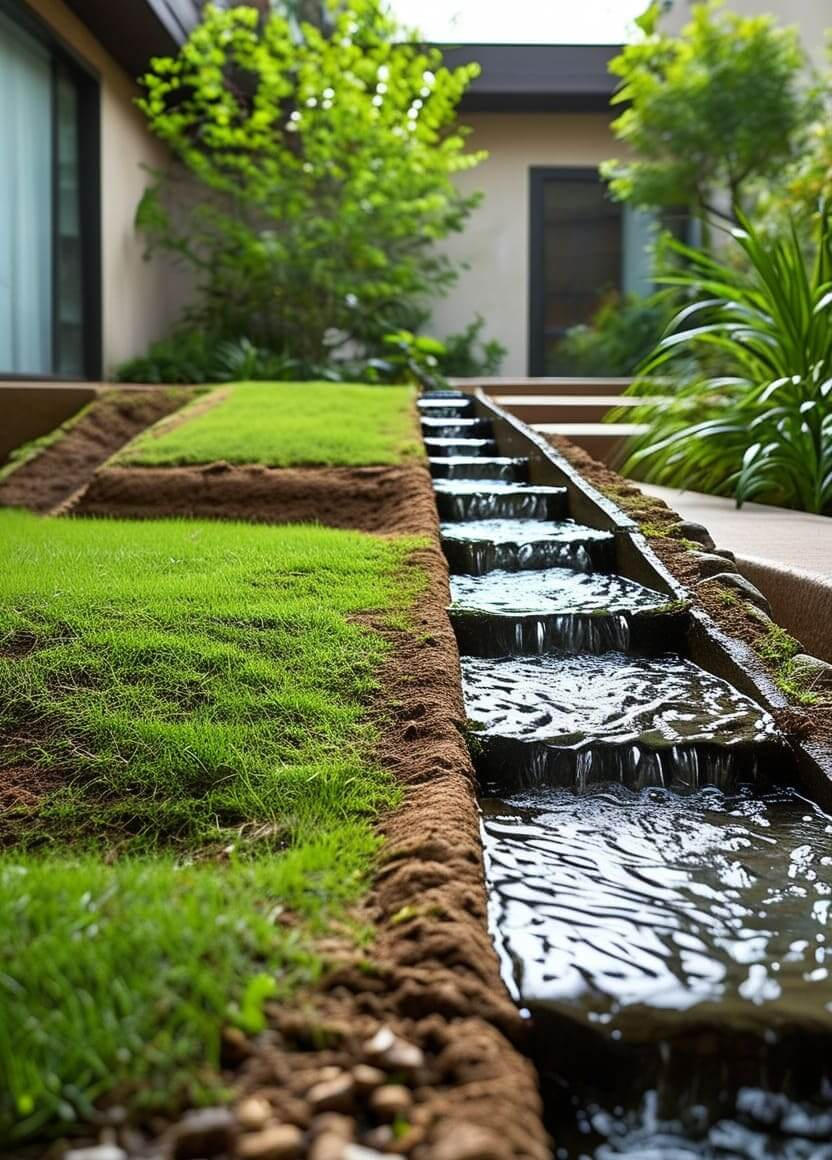
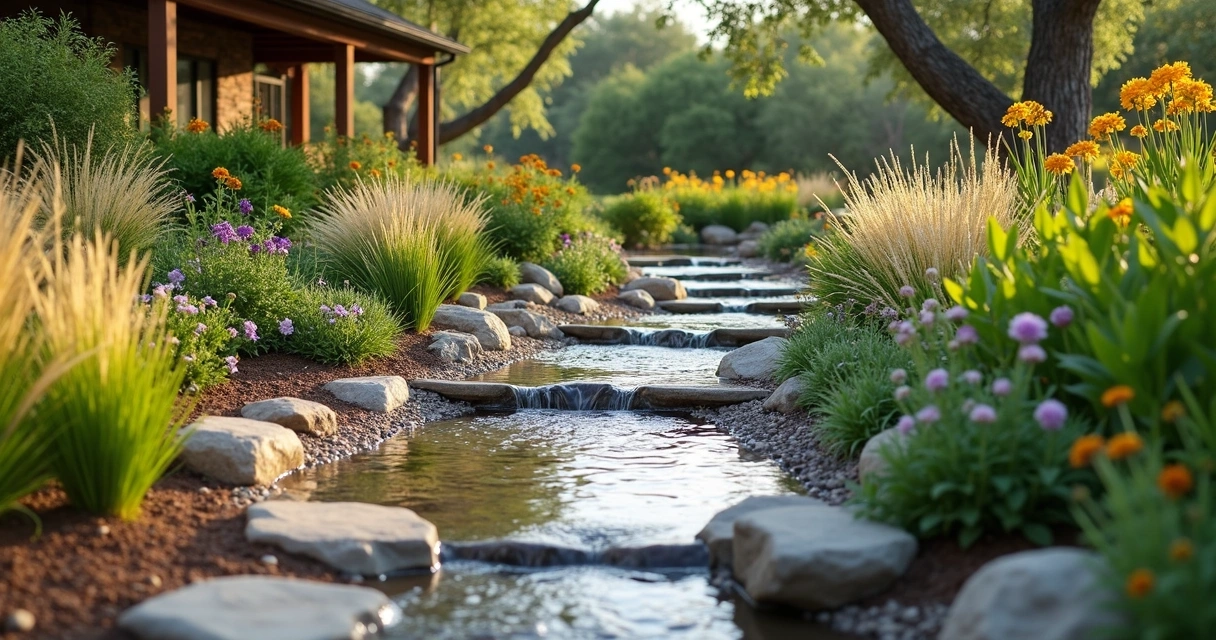
Bringing all these elements together into a cohesive rain garden is the ultimate way to manage backyard water issues. A rain garden is simply a shallow depression designed to catch and absorb runoff from roofs, driveways, and lawns.
By lining this basin with stones and filling it with moisture-loving native species, you create a self-sustaining habitat. The vegetation soaks up excess moisture within a couple of days, preventing mosquito breeding grounds while adding incredible curb appeal to your home.
Managing a wet yard does not have to be a headache. By embracing the dampness and planting hardy, water loving native species, you can turn problem areas into thriving natural habitats. Take a look at your yard today, find that soggy spot, and start planning your new garden sanctuary.