You look out your back window. You see the fence. You see the neighbor’s shed. And you think, "There is no way." It’s a common thought. We’ve all been there. The dream of waking up, stepping onto fresh concrete, and smashing a dink before coffee sounds amazing. But reality? Reality is usually a yard that’s too narrow, too short, or just plain awkward.
But here’s the thing. You don’t need an estate. You don’t need acres. You just need about 30 feet by 60 feet of usable space if you play your cards right. Maybe even less if you’re willing to get creative with the boundaries. In 2026, backyard courts are everywhere. From suburban cul-de-sacs to tight urban patios, people are making it work. It’s not just about having space; it’s about seeing space differently.
So, can you actually fit a pro-level court in a small plot? Yes. But it takes planning. It takes knowing exactly what matters and what you can skip. Let’s break down how to turn that cramped corner of your property into the neighborhood’s favorite hangout spot.
The Hard Numbers: What "Regulation" Really Means
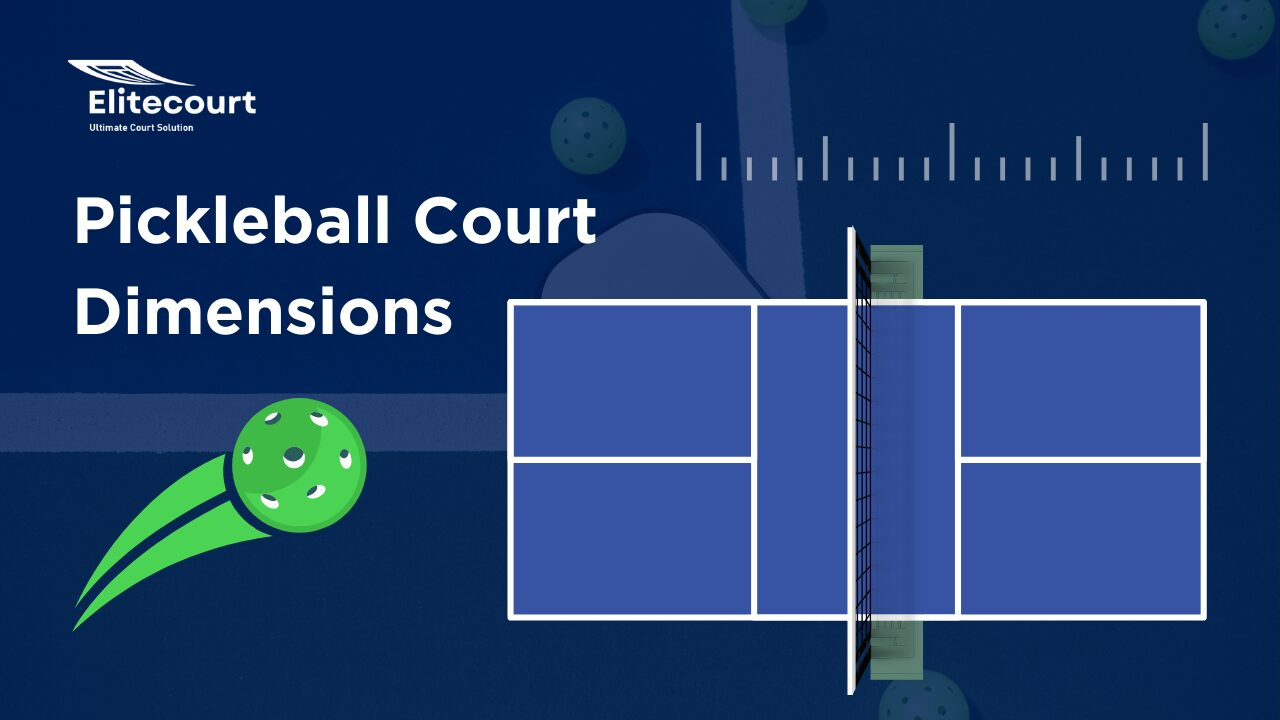
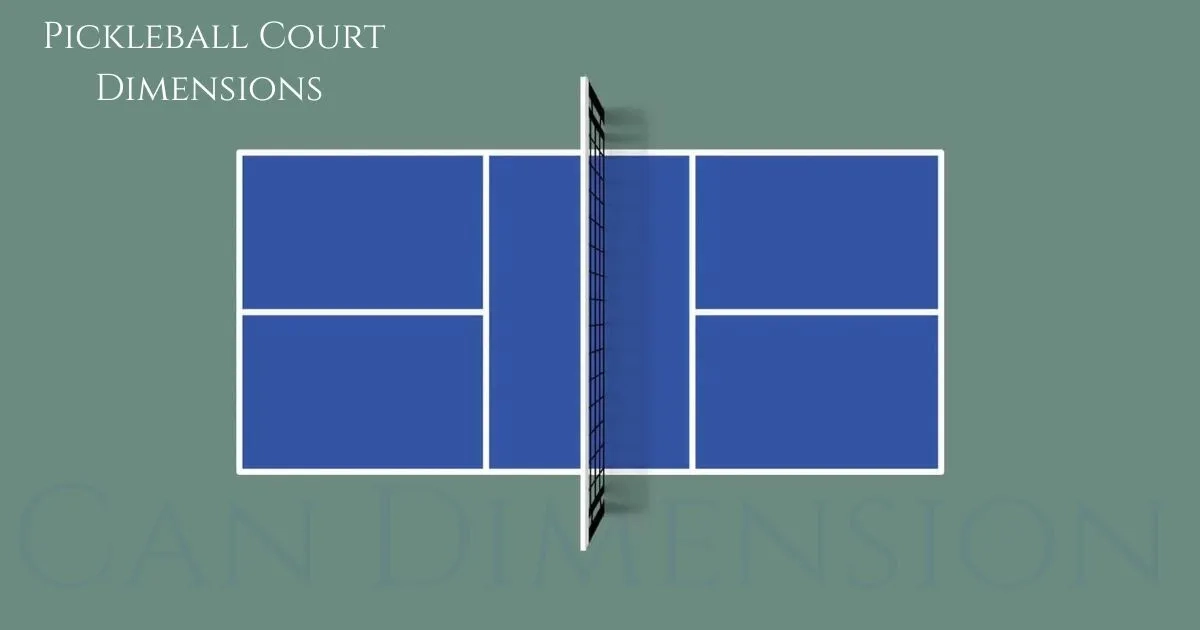
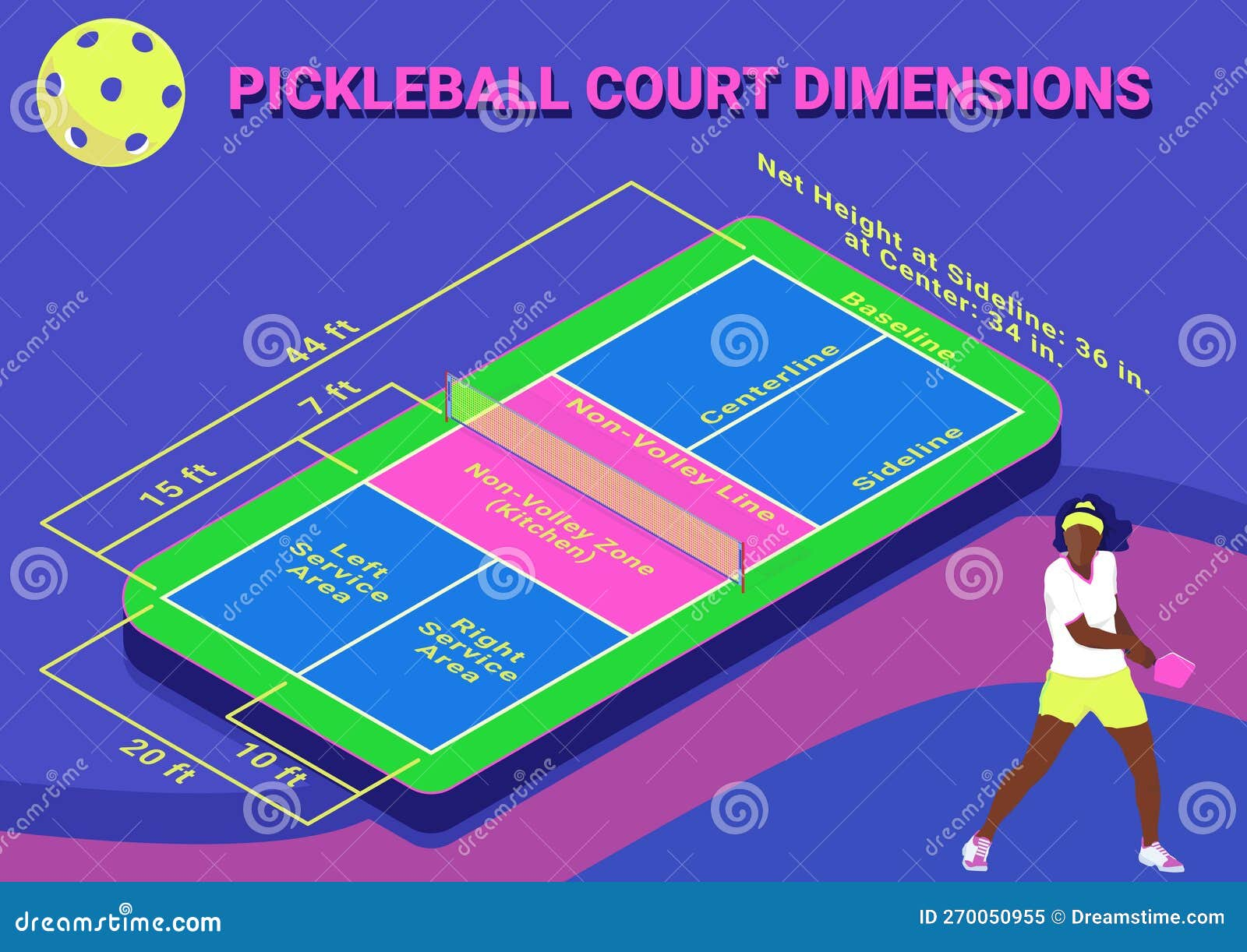
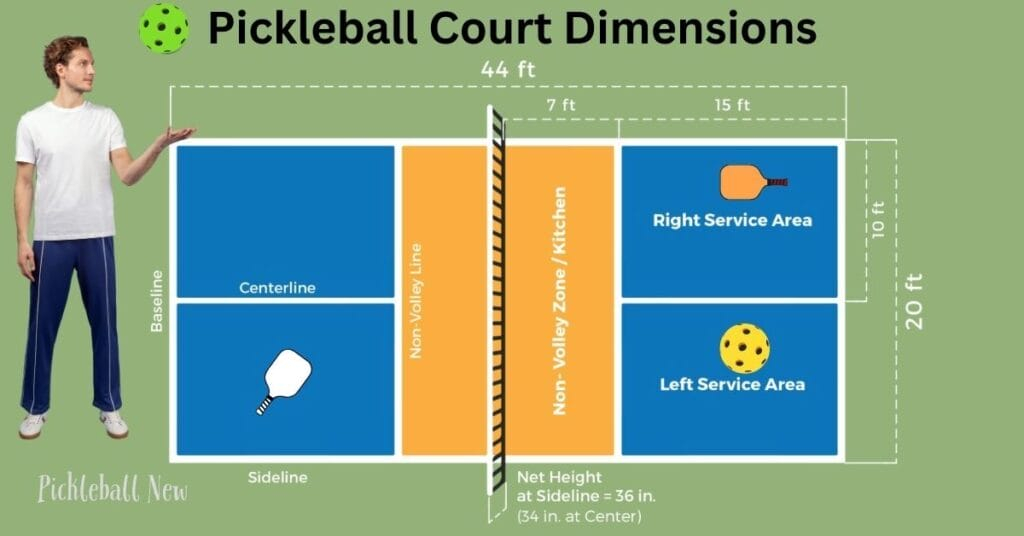
First, let’s talk facts. A lot of folks get confused here. They think "regulation" means you need huge run-off areas like they have at the professional tournaments on TV. That’s not true for home use. The actual playing area—the box where the ball has to land—is strictly 20 feet wide and 44 feet long. That’s it. That’s the magic rectangle.
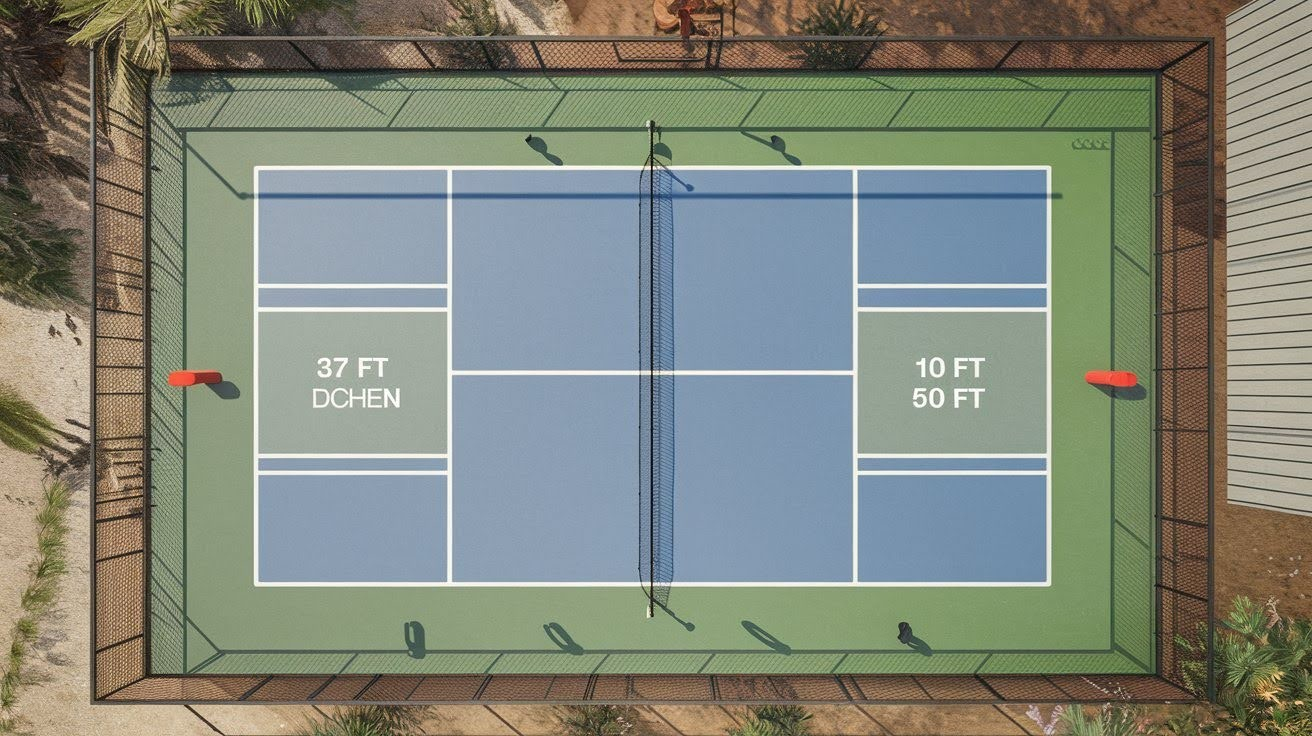
However, you can’t just paint lines on a 20×44 slab and call it a day. You’d be tripping over the fence every time you went for a wide shot. You need buffer space. For casual home play, experts recommend at least 5 to 10 feet of clearance on the sides and 10 to 12 feet behind the baselines. This brings your total ideal footprint to roughly 30 feet by 64 feet. If your yard is smaller than that, don’t panic. You can shrink the buffers. Just know that diving for balls will become a hazard rather than a highlight reel moment.
If you’re working with a really tight squeeze, say a yard that’s only 25 feet wide, you have options. You can reduce the side clearance to 3 feet. It’s tight. You’ll have to watch your swing. But it’s playable. The key is measuring twice. Use a tape measure. Mark the corners with stakes. Walk the perimeter. Feel the space. Does it feel claustrophobic? If so, you might need to trim a hedge or move a planter. Every inch counts when you’re dealing with small layouts.
Choosing Your Battleground: Surface Matters More Than You Think
Once you know the size, you have to decide what goes under your feet. This is where budgets blow up. Concrete is the gold standard. It’s durable. It’s flat. It lasts forever. But it’s hard on the knees. If you’re older or have joint issues, concrete might feel like playing on pavement. Literally. For a small backyard, though, it’s often the easiest choice because it doesn’t require much maintenance. You pour it, let it cure, and paint it. Done.
Then there’s asphalt. It’s slightly softer than concrete, which is nice. But it needs sealing every few years. If you live in a place with harsh winters, asphalt can crack. Concrete handles freeze-thaw cycles better if installed correctly. Both options require a good base. You can’t just slap them on dirt. You need gravel. You need compaction. If the base shifts, your court cracks. And a cracked court is a tripping hazard.
For those who want something easier on the body, consider modular tile systems. These are plastic interlocking tiles that sit on top of concrete or even compacted gravel. They provide grip and cushion. They’re pricey upfront, but they drain well and feel great. In 2026, these systems have gotten cheaper and more durable. They’re also DIY-friendly. You can lay them yourself over a weekend. If your yard has drainage issues, tiles might be your best bet since water flows right through them.
The Art of the Layout: Orientation and Obstacles
Where you put the court is just as important as how big it is. The sun is your enemy. Seriously. If you orient your court north-to-south, the sun will be in your eyes during morning and evening play. That’s when most people play after work. You’ll be squinting. You’ll miss easy shots. Try to orient east-to-west if possible. This keeps the sun to your side, not in your face. It makes a huge difference in enjoyment.
Look around your yard. What’s in the way? Trees? Roots are a nightmare for concrete slabs. If you have a big oak tree nearby, its roots will eventually heave your court. Avoid planting near large trees. Also, think about wind. If your backyard is a wind tunnel between two houses, the ball will fly everywhere. You might need to install windbreaks. Simple lattice fencing with some vines can slow the air down without blocking the view.
Don’t forget about noise. Pickleball is loud. The "pop" of the paddle carries. If you have neighbors close by, this is a big deal. In many communities, noise complaints are rising. Position the court away from shared property lines if you can. Or, invest in acoustic fencing. It’s expensive, but it saves friendships. You don’t want to be the person who gets yelled at every time you hit a forehand. Check your local HOA rules too. Some places have strict setbacks. Know the rules before you dig.
Smart Compromises: When You Can’t Fit the Full Buffer
Let’s be real. Not everyone has 30×64 feet. Maybe you have 25×55. What then? You compromise. You prioritize. The most important part of the court is the non-volley zone, aka the kitchen. Make sure you have enough room there. You can shorten the run-back space behind the baseline. Instead of 12 feet, maybe you only have 6. This means you won’t be chasing down lobs that go deep. You’ll just let them go out. It changes the game strategy, but it’s still fun.
Another trick is using multi-use spaces. Can the court double as a patio? Yes. Use a surface color that looks nice. Add some outdoor furniture on the sidelines. When you’re not playing, it’s a lounge area. This helps justify the space usage to family members who might not be obsessed with the sport. It becomes a "living space" rather than just a sports court.
You can also use portable nets. Permanent nets require posts dug into the ground or bolted to concrete. Portable nets can be moved. This lets you use the space for other things when needed. Maybe you need room for a kids’ birthday party. Move the net. Clear the court. It adds flexibility. In small yards, flexibility is king. Don’t lock yourself into a single use if you can avoid it.
DIY vs. Pro: Who Should Build Your Dream Court?
Building a court is a project. A big one. Can you do it yourself? Sure. If you’re handy. If you know how to level ground. If you have friends who owe you favors. Pouring concrete is hard work. It’s heavy. It’s messy. One mistake in the leveling and the ball will roll to one side forever. That’s annoying. Many DIYers opt for asphalt because it’s easier to spread, but it still requires skill.
Hiring a pro costs more. In 2026, expect to pay between $15,000 and $30,000 for a full concrete court with coating and fencing. That’s a chunk of change. But you get warranty. You get precision. You get peace of mind. If you go the DIY route, you might spend $6,000 to $10,000 on materials and equipment rental. You save money, but you spend sweat equity.
Consider a hybrid approach. Hire a contractor to do the base and the pour. Then, do the painting and net installation yourself. Painting lines is tedious but not technically difficult. You need good tape and steady hands. Installing a net system is basically assembling furniture. This splits the cost and the labor. It’s a smart middle ground for many homeowners. Just make sure the contractor knows it’s for pickleball. Tennis contractors sometimes mess up the line dimensions.
You built it. Now what? You have to take care of it. Debris is the enemy. Leaves, twigs, dirt. They make the surface slippery. Sweep your court regularly. A simple push broom works fine. If you have trees overhead, you’ll be sweeping a lot. Consider trimming branches back further than you think necessary. It saves time later.
Check the net tension. Nets sag. Especially in heat. A sagging net ruins the game. Adjust it before every session if you’re serious. It takes ten seconds. Also, look for cracks. Small hairline cracks in concrete are normal. Big cracks are problems. Fill them with concrete caulk before they get worse. Water gets in, freezes, and expands. That’s how small cracks become big holes.
Resurfacing comes eventually. Coatings wear down. The color fades. The texture smooths out. Depending on use, you might need to recoat every 3-5 years. It’s not cheap, but it’s cheaper than rebuilding. Keep the surface clean. Avoid dragging heavy furniture across it. Treat it like a floor, not a driveway. If you respect the court, it will last for decades. And think of the memories. The games. The laughs. That’s worth a little sweepin’.
So, there you have it. Fitting a regulation court into a small backyard isn’t just possible; it’s practical. It requires careful measurement, smart material choices, and a willingness to adapt. You might not have the sprawling grounds of a country club. But you’ll have something better. You’ll have convenience. You’ll have community. And you’ll have a place to play, right outside your door.
Don’t let the size of your yard stop you. Measure it. Plan it. Build it. The game is waiting. And honestly, once you hit that first serve on your own private court, you’ll wonder why you didn’t do it sooner. It’s not about perfection. It’s about play. So grab a tape measure and get started. Your future self will thank you.