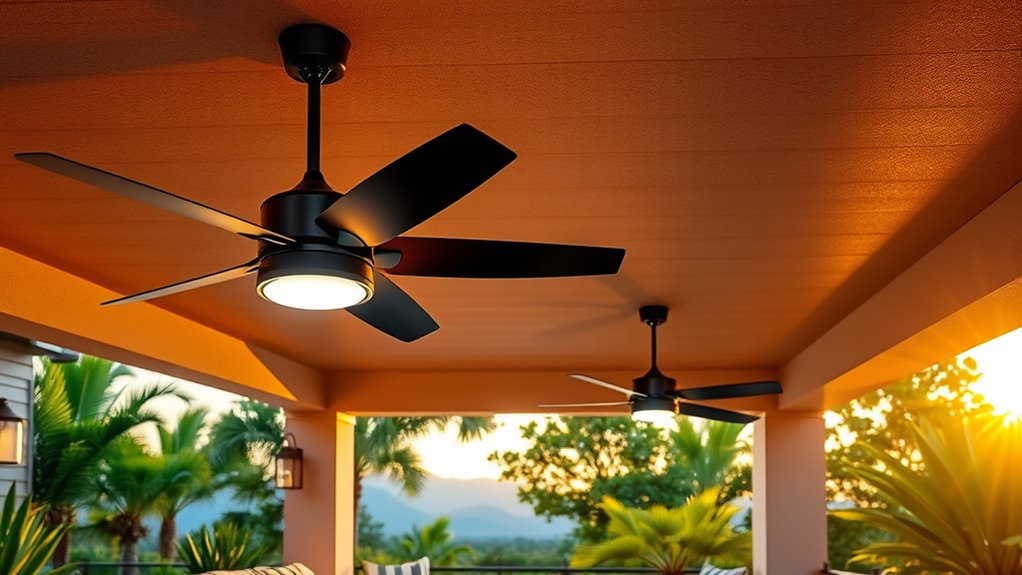
You’re standing on your back porch, looking up at that empty hook in the ceiling. It’s hot. Like, really hot. You can practically see the heat waves shimmering off the deck boards. You know you need a fan. But then you go online, and suddenly it’s not just about style or blade span. It’s about "ratings." Damp. Wet. Coastal. What does it even mean? And why does it matter if your patio is covered?
It’s easy to feel overwhelmed. We’ve all been there. You just want a breeze, not a lecture on electrical engineering. But here’s the thing: getting this wrong isn’t just about buying the wrong product. It’s about safety. It’s about making sure your new fan doesn’t short out after one summer storm, or worse, become a hazard. In 2026, with weather patterns getting a bit more unpredictable than they used to be, choosing the right gear matters more than ever.
Let’s cut through the jargon. Let’s talk about what these labels actually mean for your home, your wallet, and your peace of mind. Because once you know the difference, picking the perfect fan becomes surprisingly simple.
Understanding the UL Rating System
First things first. When you see "damp" or "wet" on a box, you’re looking at a UL (Underwriters Laboratories) rating. Or sometimes ETL. These aren’t marketing buzzwords made up to sell you a more expensive fan. They are strict safety standards. Think of them like waterproof ratings on a watch or a phone. You wouldn’t take a "splash-resistant" smartwatch swimming, right? Same logic applies here.
The rating tells you exactly how much moisture the fan’s motor, wiring, and light kit can handle without failing. Indoor fans? They have zero protection against humidity or water. Put one outside, and it’s a ticking time bomb. Outdoor fans are built differently. They use materials that resist rust, corrosion, and moisture intrusion. But not all outdoor fans are created equal. That’s where the split happens.
In recent years, manufacturers have gotten better at labeling these clearly. Back in the day, you might have had to dig through fine print. Now, in 2026, most major brands like Hunter, Big Ass Fans, and others make it pretty obvious. But you still need to know what you’re looking at. The rating isn’t a suggestion. It’s a rule. Ignoring it voids warranties and, frankly, risks your safety. So, let’s break down the two main contenders.
The Damp-Rated Fan: Your Covered Patio Pal
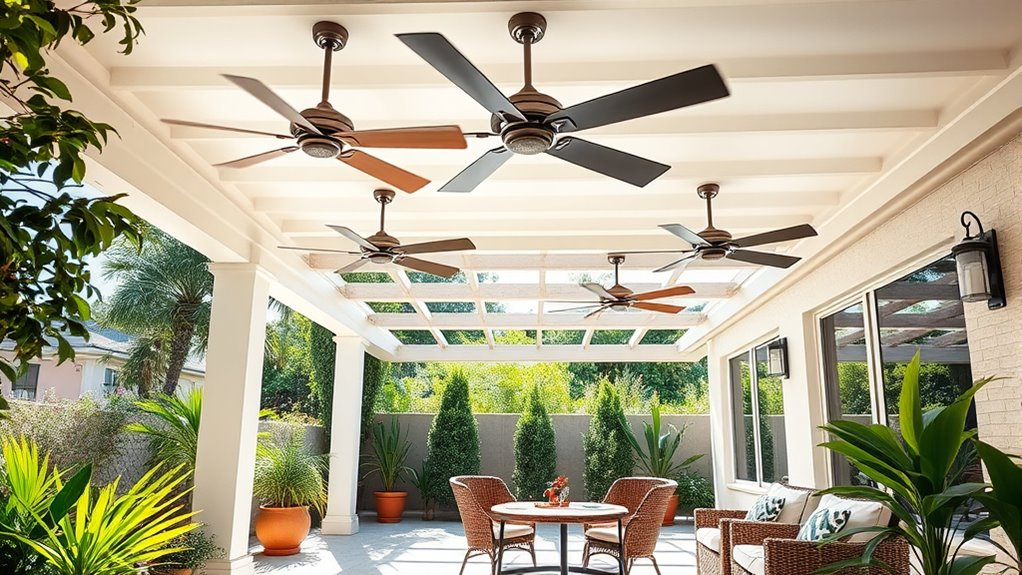
So, what is a damp-rated fan? Imagine a space that’s outdoors, but protected. A covered porch. A screened-in lanai. A garage. Maybe a bathroom with a shower (yes, bathrooms count as damp locations too). In these spots, the fan will never get rained on directly. It might get humid. It might get a little mist from a nearby sprinkler if the wind blows just right. But no direct rain. No snow. No hose-downs.
Damp-rated fans are built to handle that humidity. Their motors are sealed to prevent moisture from creeping in and causing rust or electrical shorts. The finishes are treated to resist corrosion. But—and this is a big but—they are not waterproof. If you install a damp-rated fan in an area where rain can hit it, the motor will eventually fail. The light fixture might fog up or short out. It’s not designed for that kind of abuse.
Think of it like this: a damp-rated fan is like a rain jacket. It’ll keep you dry in a drizzle or high humidity, but if you stand under a waterfall, you’re getting soaked. For most covered patios, this is the perfect choice. It’s often slightly less expensive than wet-rated models, and you get a wider variety of styles. Just make sure your roof overhang is sufficient. If rain can blow in sideways during a storm, you might need to think twice.
The Wet-Rated Fan: Built for the Elements
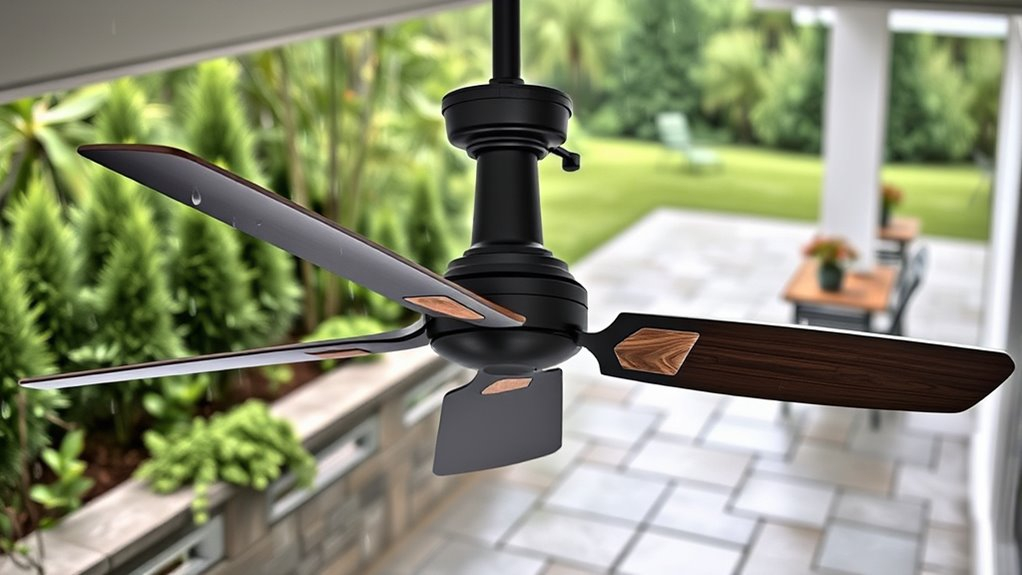
Now, let’s talk about the heavy lifter: the wet-rated fan. These bad boys are built to take a beating. Direct rain? No problem. Snow? Bring it on. You can literally hose them down to clean them. Wet-rated fans are fully sealed. Every component, from the motor housing to the light kit to the blades, is designed to withstand direct exposure to water.
Where do you use these? Anywhere that’s not fully covered. An open pergola. A gazebo with no roof. A pavilion. Even a covered patio if it’s very exposed to wind-driven rain. If there’s any chance water will touch the fan, it needs to be wet-rated. Period. There’s no gray area here.
In 2026, we’re seeing more wet-rated fans with integrated LED lights that are also fully sealed. This is huge. Older models sometimes had damp-rated light kits on wet-rated fans, which was a confusing mess. Now, the whole unit is certified. This means you don’t have to worry about finding a separate waterproof light fixture. It’s all in one package. Sure, they tend to cost a bit more, but the durability is worth it. You’re buying insurance against the weather.
Why the Light Fixture Matters Too
Here’s where people often trip up. You might buy a wet-rated fan, but the light kit attached to it? Not so much. In the past, some manufacturers sold fans with mixed ratings. The motor was wet-rated, but the glass shade or the socket wasn’t. That’s a recipe for disaster. Water gets into the light fixture, causes a short, and boom. You’ve got a problem.
Today, reputable brands ensure the entire assembly matches the rating. If it’s sold as a wet-rated fan with light, the light is wet-rated too. Look for seals around the glass. Look for gaskets. The materials should be resistant to UV rays as well, since sunlight can degrade plastic and finish over time. Polycarbonate shades are common because they don’t yellow or crack as easily as traditional glass or cheaper plastics.
If you’re adding a light kit later, be super careful. Check the specs. Don’t assume. If you put a non-rated light on a wet-rated fan, you’ve effectively downgraded the whole system. It’s like putting a regular tire on a race car. It might work for a bit, but it’s not safe. Stick with manufacturer-approved, matching-rated accessories. It’s the only way to be sure.
Coastal Considerations: Salt Air is Different
Wait, there’s a third category? Sort of. If you live near the ocean, you’ve got another enemy: salt. Salt air is incredibly corrosive. It eats metal faster than you’d think. A standard damp or wet-rated fan might survive the moisture, but the salt will rust the screws, the bracket, and the motor housing within a few seasons.
This is where "coastal-rated" or "marine-grade" fans come in. These are usually wet-rated fans that have extra protection. Think stainless steel hardware, powder-coated finishes that are thicker and more resilient, and motors specifically sealed against salty infiltration. Some brands, like Hunter with their WeatherMax technology, specifically engineer fans for these harsh environments.
If you’re within a few miles of the coast, don’t skimp here. A regular wet-rated fan might last three years. A coastal-rated one could last ten or more. It’s an investment. But replacing a fan every few years because it’s rusted solid? That’s more expensive and annoying in the long run. Check your local building codes too. Some coastal areas actually require marine-grade fixtures for outdoor installations.
Making the Right Choice for Your Space
Okay, so how do you decide? Let’s make it simple. Stand in the spot where you want the fan. Look up. Is there a roof? Good. Now, imagine a heavy rainstorm with wind. Will rain blow in and hit the fan? If the answer is no, you can go with damp-rated. If the answer is yes, or even "maybe," go wet-rated.
It’s always safer to go wet-rated if you’re unsure. A wet-rated fan works perfectly fine in a damp location. It’s just over-engineered for the job. But a damp-rated fan in a wet location is a failure waiting to happen. There’s no downside to buying a wet-rated fan for a covered porch, except maybe the initial cost. But the peace of mind? Priceless.
Also, think about cleaning. Do you plan to hose down your patio furniture? If so, get a wet-rated fan. You can spray it off without worry. With a damp-rated fan, you’d have to be super careful to avoid spraying the motor. Life is easier when you don’t have to baby your appliances. In 2026, with busy schedules, convenience matters.
Buying the right fan is step one. Installing it correctly is step two. Even a wet-rated fan needs proper installation. Make sure the electrical box is rated for outdoor use and for fan support. Regular light boxes won’t cut it. They can’t handle the vibration and weight. Use a licensed electrician if you’re not comfortable working with wiring. It’s not worth the risk.
Maintenance is pretty simple, but it’s important. For damp-rated fans, wipe them down occasionally to remove dust and humidity buildup. For wet-rated fans, you can be more thorough. Check the seals on the light kit once a year. Make sure no debris has clogged the motor vents. If you live in a coastal area, rinse the fan with fresh water every few months to wash off salt deposits. This simple step can double the life of your fan.
Don’t ignore strange noises or flickering lights. These are early warning signs. If a damp-rated fan starts acting up after a rainy season, it’s probably taken on water. Replace it. Don’t try to repair a compromised motor. Safety first. Always.
Choosing between damp and wet-rated fans doesn’t have to be a headache. It’s really just about matching the tool to the environment. Damp for covered, dry-ish spots. Wet for anything exposed to rain or snow. Coastal for salt air. Keep it simple, prioritize safety, and you’ll enjoy cool breezes on your patio for years to come. Enjoy that summer evening. You’ve earned it.