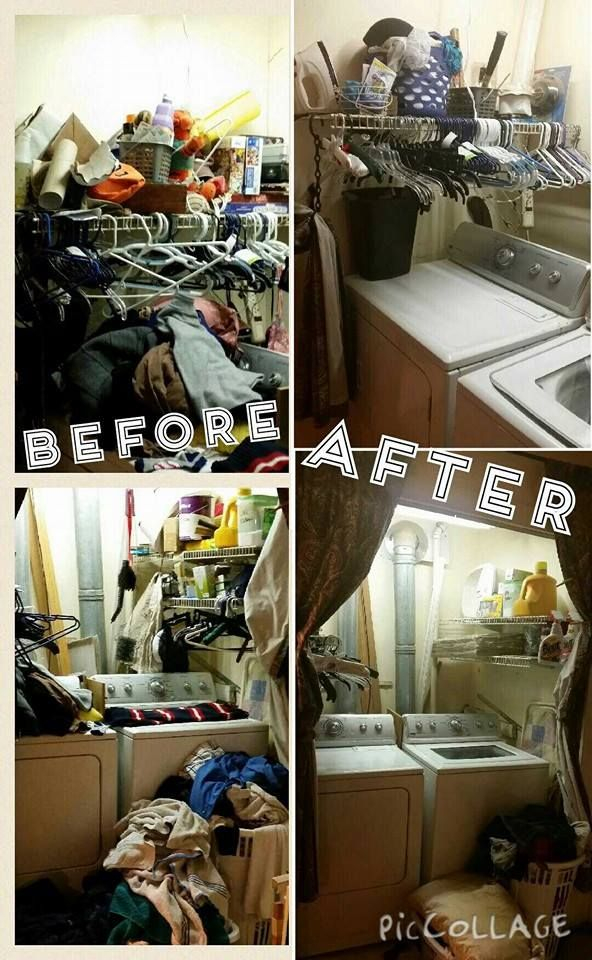
The basket sits on the floor, overflowing with damp towels that have begun to develop that subtle, unwelcome mustiness. Beside it, an open box of powdered detergent leaves white streaks across the linoleum, and three mismatched socks dangle precariously from the top of the dryer. This is the reality of the domestic laundry chore in a compact footprint. When square footage is measured in inches rather than rooms, the act of washing clothes quickly devolves into a daily battle against physical entropy.
Every home designer dreams of the sprawling, mudroom-adjacent laundry palace equipped with islands for folding, deep utility sinks, and built-in hampers for twelve distinct categories of fabric. Yet, millions of urban dwellers, apartment renters, and modern homeowners navigate laundry rooms that double as hallways, narrow utility closets, or cramped corners of the garage. In these tight quarters, traditional organizing advice falls flat. You cannot install a sprawling folding table when the door clearance requires every millimeter of available floor space.
The frustration goes deeper than mere aesthetics. Cluttered utility spaces waste time, energy, and money. When you cannot see what you own, you buy duplicate bottles of stain remover. When surfaces are buried under heaps of lint and stray dryer sheets, the simple rhythm of washing and folding becomes a source of dread. Mastering a small laundry space requires a fundamental shift in perspective: abandoning the expectation of sprawling horizontal acreage and embracing the ruthless, beautiful efficiency of three-dimensional design.
Decoding the Anatomy of Spatial Constraint in Compact Laundry Zones
Spatial limitation is rarely just about square footage; it is about poor traffic flow and wasted volumetric potential. Most small laundry rooms or closets fail not because they are inherently too small, but because they mimic the layout of larger rooms on a micro scale. Designers often attempt to cram standard-sized utility sinks, standalone hampers, and side-by-side washers and dryers into areas that demand vertical integration. Understanding the mechanics of a tight laundry footprint means analyzing how air, water, and human bodies move through the zone during a standard washing cycle.
Consider the ergonomic reality of loading and unloading a front-load versus a top-load machine in a tight space. A front-loader requires swing clearance for the door, which can instantly paralyze a narrow galley-style laundry room if oriented incorrectly. Meanwhile, top-loaders demand vertical clearance above the drum, rendering traditional low-hanging cabinets unusable unless mounted at an awkward height. Recognizing these physical parameters dictates every subsequent organizational choice. You must map the "swing radius," the "reach zone," and the "drop zone" before bringing a single storage bin across the threshold.
Furthermore, utility rooms are heavy-duty industrial zones compressed into residential spaces. They deal with vibrations, high humidity, chemical storage, and frequent foot traffic. Standard particle-board shelving will warp within months under the humid exhaust of a clothes dryer. True spatial mastery begins with material selection and structural honesty. By evaluating the physical loads, moisture levels, and movement patterns inherent to the space, you lay the groundwork for an organizational system that survives daily wear and tear.
The Psychology of Laundry Clutter and How Visual Noise Drains Energy
There is a direct correlation between visual clutter in utility spaces and the psychological resistance to tackling household chores. When you step into a cramped laundry room and are immediately assaulted by a chaotic wall of mismatched bottles, tangled hangers, and unruly plastic bags, your brain registers cognitive overload. Environmental psychologists note that cluttered spaces elevate cortisol levels, turning a routine chore into an oppressive mental burden. In a small room, this effect is magnified because the boundaries of the clutter are literally inches from your face.
Taming this environment requires treating the laundry room as a micro-sanctuary rather than a dumping ground for orphaned buttons and expired cleaning agents. Streamlining the visual field involves decanting chaotic commercial packaging into uniform, clear containers or matching opaque bins. When every detergent pod, scent booster, and wool dryer ball has a designated, labeled boundary, the brain experiences visual rest. This reduction in cognitive friction makes the transition from avoidance to action infinitely smoother.
Moreover, the emotional weight of laundry often stems from a lack of immediate processing systems. Clutter accumulates when items linger without a designated home—the pocket lint, the dry-cleaning tags, the coins, the receipts. Establishing micro-sorting habits directly counters this accumulation. By integrating immediate disposal and sorting mechanisms right at the point of entry, you prevent the room from serving as a holding pen for household detritus.
Blueprint for Vertical Integration and Multi-Functional Layouts
When horizontal square footage drops to zero, the only direction left to conquer is upward. Vertical integration is the cornerstone of any viable small-space laundry strategy, transforming empty wall space into high-capacity utility storage. This goes far beyond simply screwing a generic wire shelf above your washer and dryer. It requires an architectural approach to wall loading, utilizing heavy-duty steel tracks, adjustable standards, and modular cabinetry that can adapt as your storage needs shift.
The space between the top of your laundry machines and the ceiling is prime real estate that is frequently squandered. By installing a custom wooden folding counter directly over front-load units, you instantly create a sturdy horizontal work surface without consuming any floor space. Above this counter, a staggered arrangement of floating shelves or closed upper cabinets keeps everyday essentials within arm’s reach while hiding unsightly cleaning supplies behind clean doors.
Multi-functionality must also extend to the doors and sides of your appliances. The back of a laundry room door or a hollow utility closet panel can host over-the-door pocket organizers, ironing board mounts, and hanging rods for drip-dry garments. Magnetic caddies cling securely to the side panels of washing machines, holding laundry detergent sheets and stain brushes without requiring a single drilled hole. Every square inch of vertical surface becomes a load-bearing asset in the fight against spatial poverty.
Common Pitfalls, Structural Traps, and Field-Tested Workarounds
Transforming a cramped laundry space is fraught with operational traps that can easily backfire, rendering the room even less functional than before. Recognizing these missteps saves you from wasted investments and structural damage.
- Overloading Drywall Without Stud Anchors: Hanging heavy shelving or solid wood folding counters directly onto standard drywall will inevitably lead to structural failure under the vibrations of a spinning washing machine. Workaround: Always locate and screw support brackets directly into wall studs using heavy-duty structural screws, or install a plywood ledger board across multiple studs to distribute the weight load evenly.
- Choosing Deep Cabinets in Narrow Gulleys: Installing standard 15-to-24-inch deep upper cabinets in a narrow laundry room creates a claustrophobic environment where you will constantly bump your head while loading the machines. Workaround: Opt for shallow upper cabinets or open shelving measuring 8 to 10 inches deep—more than enough space for detergent bottles and storage jars while preserving precious head clearance.
- Ignoring Appliance Vibration Dynamics: Placing glass jars, ceramic containers, or unanchored baskets directly on top of vibrating top-load or front-load machines guarantees items will eventually rattle off and break. Workaround: Apply high-friction rubber mats to the tops of appliances and use magnetic or silicone-lined trays that absorb kinetic energy and grip containers securely.
- Neglecting Proper Ventilation and Moisture Traps: Building closed cabinetry too tightly around washer and dryer units without adequate airflow creates a microclimate for mold, mildew, and accelerated appliance rusting. Workaround: Ensure at least two inches of clearance around laundry units, incorporate louvered cabinet doors for ventilation, and consider a compact dehumidifier if the space lacks a window.
- Accumulating Unvetted Inventory: Buying bulk-sized cleaning products that physically cannot fit into your designated storage zones results in hallway clutter and chaotic floor stacks. Workaround: Adopt a strict "one-in, one-out" policy for consumables, and decant bulk supplies into garage storage, keeping only a manageable active supply in the laundry room.
Economic Value, Sustainability, and the Shift Toward Minimalist Utility
Organizing a small laundry space yields surprising financial and ecological dividends that extend far beyond a tidy aesthetic. In an era where household efficiency is paramount, an optimized utility room directly combats waste. When cleaning products are neatly arranged and easily visible, you eliminate the costly habit of repurchasing items you already own simply because they were buried in the back of a deep, dark closet.
Furthermore, optimizing airflow and machine maintenance through smart spatial organization prevents costly appliance breakdowns. Washers and dryers require proper clearance to vent heat and prevent mechanical strain; clearing out lint buildup and chemical clutter reduces fire hazards and extends the operational lifespan of expensive hardware. Sustainable laundering practices also thrive in organized environments. When sorting bins for darks, lights, delicates, and eco-friendly rags are built directly into the workflow, recycling water and energy-conscious washing habits become second nature.
Embracing minimalist utility means letting go of the twenty specialized cleaning sprays marketed for specific surfaces and returning to versatile, multi-purpose staples. White vinegar, baking soda, and a high-efficiency concentrated detergent can handle ninety percent of laundry and utility tasks. Reducing your inventory of chemical products frees up physical storage space, lowers household expenses, and minimizes your chemical footprint on the environment.
Actionable Frameworks for Maintaining Long-Term Spatial Harmony
Implementing a brilliant organization system is only half the battle; maintaining its integrity through the relentless churn of weekly laundry requires a concrete operational framework. Without ongoing maintenance protocols, even the most meticulously designed laundry closet will revert to chaos within a single month.
- Establish a Daily Five-Minute Reset: Dedicate the final moments of your evening routine to clearing stray lint, returning empty hangers to their caddy, and wiping down folding counters.
- Enforce the Single-Basket Rule: Limit each household member to one designated sorting basket; once it overflows, it acts as an immediate trigger that it is time to run a wash cycle.
- Quarterly Inventory Audits: Review your cleaning product stock every three months, disposing of expired stain removers and consolidating partially used bottles to prevent clutter creep.
- Deploy Clear Labeling Protocols: Use waterproof, bold label makers on all decanted bins, jars, and baskets so that every family member knows precisely where items belong.
- Create an Orphan Sock Station: Hang a clearly marked mesh bag on the laundry room wall dedicated exclusively to single socks, giving them a sixty-day grace period to find their match before discarding them.
The transformation of a small laundry space is ultimately an exercise in reclaiming agency over your immediate environment. When you strip away the excess, optimize the vertical planes, and establish intentional workflows, a cramped utility room ceases to be a source of daily friction. It becomes a quiet, highly efficient engine of domestic order.
The physical constraints of your home do not dictate the level of peace and functionality you can achieve. By treating every inch as valuable real estate and approaching the chore of washing with clarity and purpose, you turn one of the home’s most mundane spaces into a masterclass in modern spatial design. Step into your laundry room today not with a sigh of resignation, but with a blueprint for transformation, and watch how small changes ripple outward into the rest of your daily life.