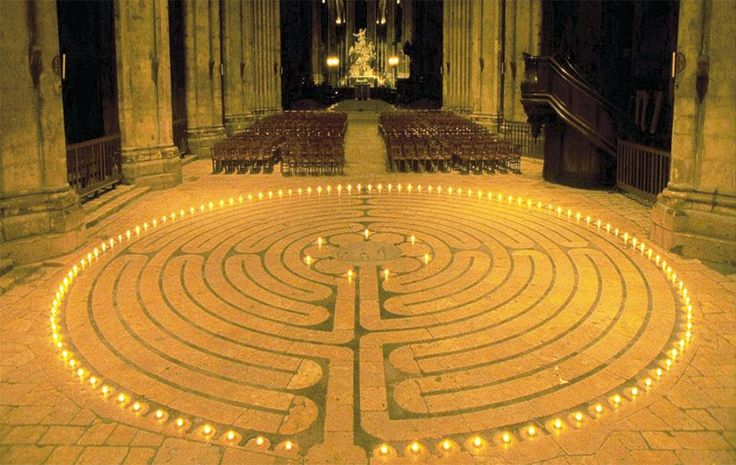
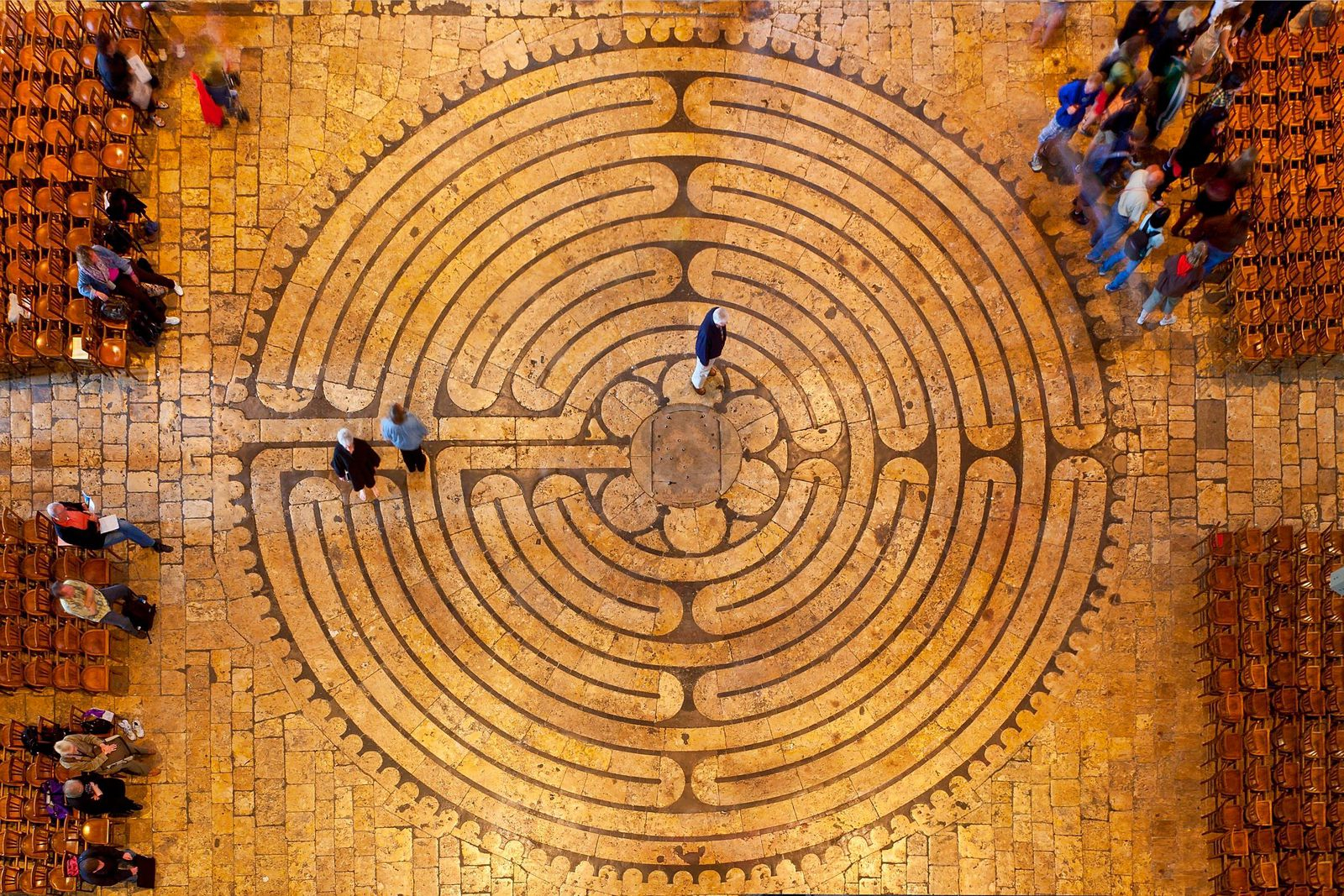
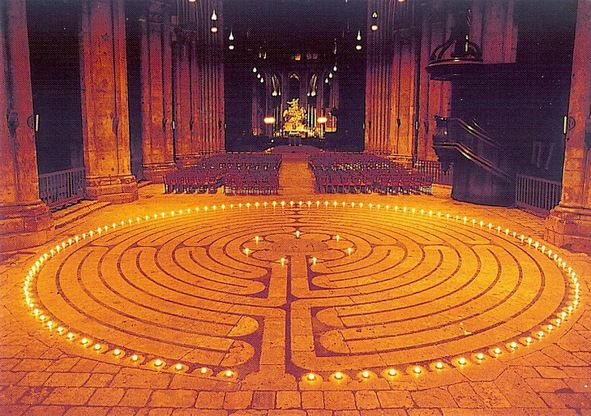
There is something profoundly quieting about stepping onto a path that has no dead ends. You might be wondering why anyone would want to walk in circles in their backyard. It’s not about exercise, really. It’s not about getting from point A to point B as fast as posible. It’s about the journey itself. The ancient stone floor of Chartres Cathedral in France holds a secret that has drawn pilgrims for nearly eight hundred years. But you don’t need a plane ticket to France to find that same sense of coming home. You just need a patch of earth, a little patience, and an open heart.
In our hyper-connected world of 2026, where notifications ping every few seconds and our attention is fractured into tiny shards, the idea of slowing down feels almost rebellious. Yet, more people are turning to their gardens not just for tomatoes or tulips, but for sanctuary. Building a labyrinth is one of the most rewarding ways to reclaim that space. It transforms a simple lawn into a sacred container for your thoughts, your prayers, and your breath. It invites you to take a pilgrimage without ever leaving your zip code.
Understanding the Difference: Maze vs. Labyrinth
Let’s clear up a common confusion right away. A maze is a puzzle. It’s designed to trick you, with dead ends and false turns that frustrate your mind. You have to think your way out. A labyrinth is different. It is unicursal, meaning it has only one path. There are no choices to make. No wrong turns. You can’t get lost. This is crucial because it allows your brain to switch off its problem-solving mode. When you know there is only one way forward, you stop worrying about the destination and start noticing the step you are taking right now.
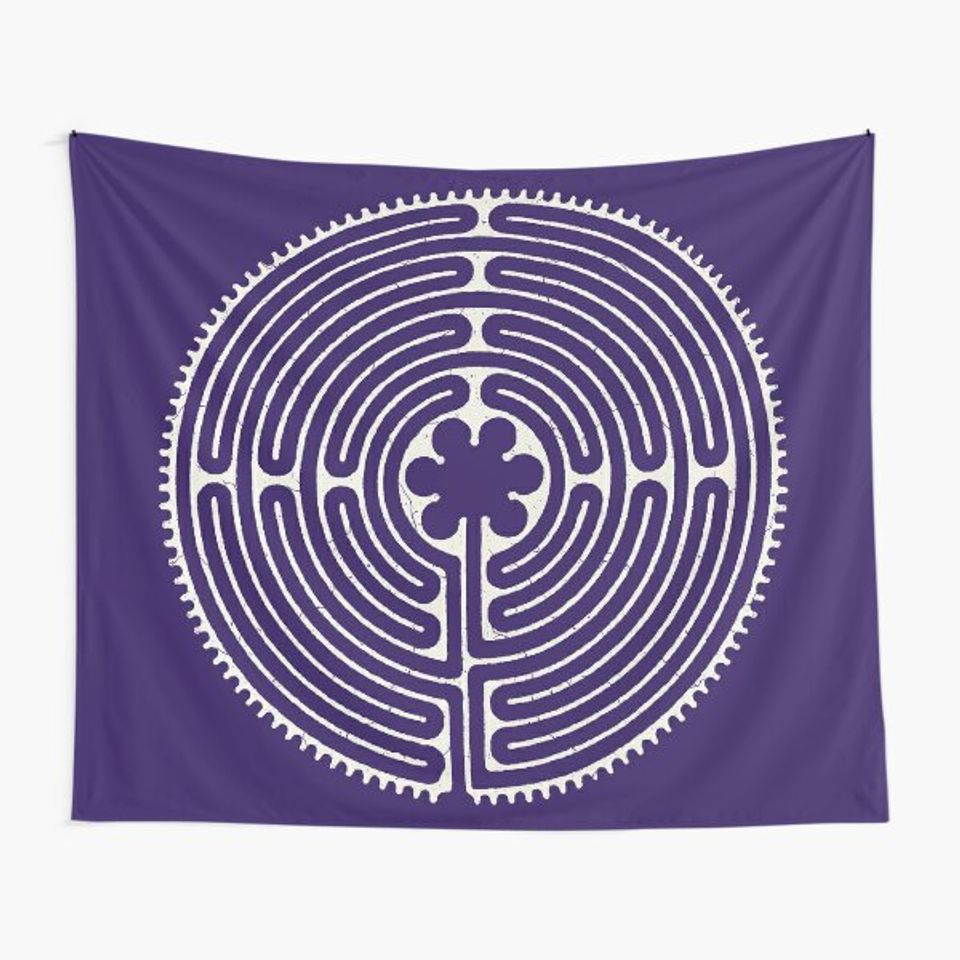
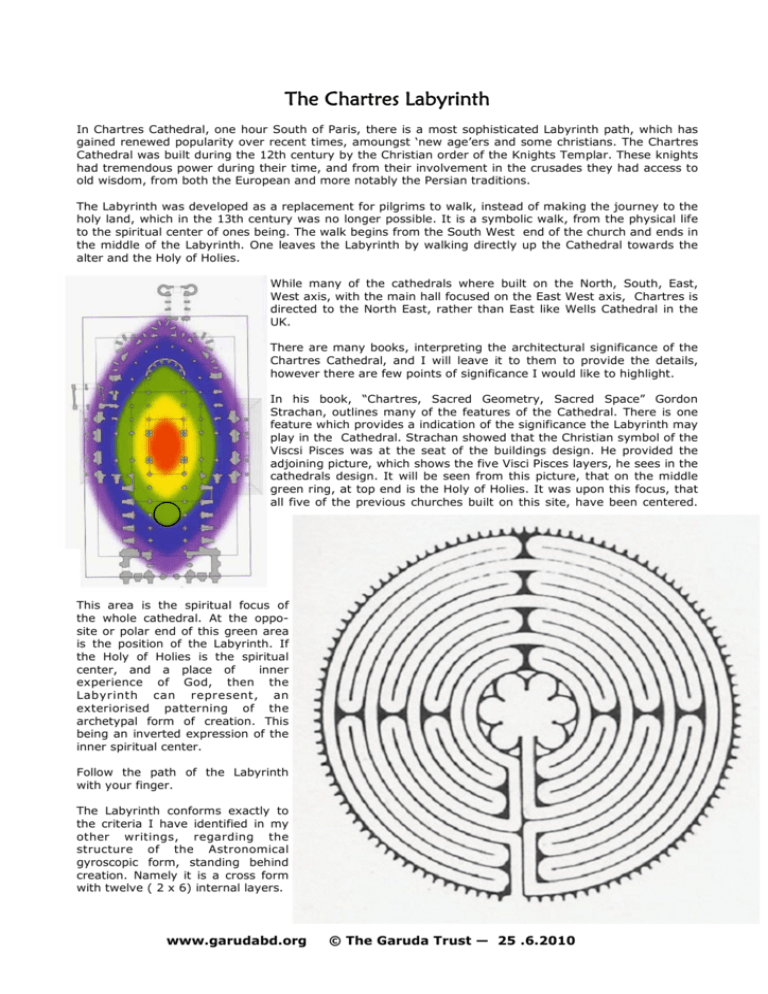
The Chartres pattern, specifically, is a classical eleven-circuit design. It’s intricate, yes, but it follows a rhythmic logic that mirrors the seasons, the phases of the moon, and the cycles of our own lives. When you walk it, you aren’t just moving your feet. You are engaging in a moving meditation. The Cathedral’s official guidance reminds us that the energy isn’t in the stones themselves, but in the people who walk them. The grace of the moment comes from your presence. By bringing this pattern into your garden, you are creating a tool that helps unify body and soul, step by deliberate step.
Think of it as a spiral of the soul. As you wind toward the center, you are letting go of the clutter of the day. The twists and turns force you to slow down. You can’t rush a labyrinth; if you try, you’ll lose the rhythm. And when you reach the center, that rosette flower in the middle, you pause. You breathe. Then, you walk back out, carrying that stillness with you into the rest of your life. It’s a simple concept, but the impact is deep.
Choosing Your Spot and Preparing the Ground
Before you buy a single brick or bag of mulch, you need to look at your land with new eyes. Where does the light fall in the morning? Where is it shady in the afternoon? A labyrinth is a place for reflection, so you want a spot that feels separate from the high-traffic areas of your yard. It doesn’t have to be huge. A full-sized Chartres labyrinth is about 42 feet in diameter, which is roughly the size of a large patio or a small tennis court half. But you can scale it down. Many gardeners in 2026 are opting for smaller, seven-circuit versions if space is tight, but the eleven-circuit Chartres design remains the gold standard for those who have the room.
Start by clearing the area. Remove any rocks, roots, or debris that might trip you up. The ground needs to be relatively level. If you’re working on a slope, you might need to do some gentle terracing, but try to find a flat patch if you can. This isn’t just about safety; it’s about energy. A level path allows for a smooth, uninterrupted flow of movement. Imagine walking on a bumpy, uneven surface versus a smooth one. The smooth one lets your mind wander inward. The bumpy one keeps your attention on your feet.
Consider the surroundings too. Are there noisy neighbors? A busy street? You might want to plant a hedge or install a low fence to create a visual and auditory buffer. This boundary marks the transition from the profane world to the sacred space. Even a simple row of lavender or rosemary can serve this purpose, adding scent to the experience. The goal is to create a container that feels safe and enclosed, a private world within your world.
Materials That Speak to the Soul
You don’t need expensive stone imported from Europe to build a meaningful labyrinth. In fact, using materials native to your area can make the connection to the land even stronger. Bricks are a popular choice because they are durable and provide a nice, solid feel underfoot. They also age beautifully, gaining character over time. But bricks can be pricey and labor-intensive to lay. If you’re on a budget, consider gravel or crushed stone. It’s forgiving, drains well, and makes a satisfying crunching sound as you walk, which can be very grounding.
For a softer, more organic feel, you might use wood chips or mulch. This is great for shaded areas and creates a quiet, cushioned path. However, it requires more maintenance. You’ll need to top it off every year or so as it decomposes. Another option gaining traction is using living plants. Imagine a labyrinth where the paths are mown grass and the walls are low-growing herbs like thyme or chamomile. When you brush against them, they release their scent. It’s a multisensory experience that engages smell, touch, and sight.
If you’re renting or don’t want to commit to permanent landscaping, try a temporary approach. Use rope, masking tape, or even painted canvas. The Labyrinth Society offers guides for taping out a Chartres pattern on a gym floor or a large rug. This is a fantastic way to test the waters. You can walk it for a week and see how it feels. Does it fit your space? Do you enjoy the ritual? If the answer is yes, then you can invest in the more permanent materials. Remember, the love and care you put into building it adds to the transformative power of walking it. So choose materials that resonate with you.
Laying Out the Pattern: Precision Meets Intuition
This is the part that scares people the most. The Chartres pattern looks complex. It has eleven concentric circles and four quadrants. But it’s actually based on a simple geometric grid. You don’t need to be a mathematician to lay it out. You just need a stake, some string, and a measuring tape. Start by finding the exact center of your circle. Drive a stake in. Tie a string to it. This is your anchor. From here, you will mark out the circles.
Most builders recommend creating a template first. You can print out a diagram of the Chartres labyrinth and scale it to your desired size. Then, use spray paint or flour to mark the lines on the ground. Take your time with this step. It’s meditative in itself. As you measure and mark, set your intentions. Think about what you want this space to be for. Is it for peace? For clarity? For healing? Let those thoughts infuse the process. If you make a mistake, it’s okay. Erase it and start again. The imperfection is part of the human touch.
Once the outline is visible, you can begin installing your chosen material. If you’re using bricks, lay them edge-to-edge or with a small gap for moss to grow. If you’re using gravel, dig out the path slightly and line it with landscape fabric to prevent weeds, then fill it with stone. Keep the width of the path consistent. A good rule of thumb is to make it wide enough for two feet to walk side-by-side, or about 18 to 24 inches. This allows for a comfortable stride. Don’t rush this phase. The physical act of building is the first stage of the pilgrimage.
The Art of Walking: A Moving Meditation
Now comes the best part. The labyrinth is built. The sun is setting. It’s time to walk. But how? There is no "right" way, but there are guidelines that can deepen your experience. First, slow down. Much slower than you think you need to. Leave your phone in the house. This is a digital-free zone. As you step onto the path, take a deep breath. Acknowledge that you are entering a sacred space. You might say a silent prayer or simply set an intention, like "I am here to listen."
As you walk, let your gaze soften. You don’t need to stare at your feet, but don’t look around at the neighbors either. Keep your eyes on the path just a few steps ahead. Notice the rhythm of your body. Left foot, right foot. Breathe in, breathe out. Let your thoughts come and go like clouds. Don’t chase them. Don’t judge them. Just let them pass. The twists of the Chartres pattern will naturally disrupt your linear thinking. You’ll find yourself turning left, then right, then left again. This physical disorientation helps break mental habits.
When you reach the center, stop. Stand in the rosette. Spend as much time there as you like. This is the place of reception. Open yourself to whatever insights or feelings arise. Maybe you feel a sense of peace. Maybe you feel sadness. Maybe you feel nothing at all. All of it is valid. When you are ready, begin your journey back out. The exit path is often seen as a time for integration. How can you carry this calmness back into your daily life? Walk out with purpose, knowing that the path is always there for you, whenever you need to return.
A garden labyrinth is a living thing. It changes with the seasons and requires care. This maintenance is not a chore; it’s part of the practice. In the spring, you might sweep away winter debris. In the summer, you might trim the edges of the grass or pull weeds from the gravel. These small acts of stewardship keep the space clear and inviting. They also give you a reason to visit the labyrinth even when you aren’t walking it. You might spend ten minutes tidying up, and in doing so, you reconnect with the energy of the place.
Pay attention to how the elements affect your labyrinth. Rain might wash away mulch. Frost might heave bricks. Fix these issues promptly. A well-maintained labyrinth signals respect for the practice. It also ensures safety. You don’t want to trip on a loose stone when you’re in a meditative state. If you used plants, prune them regularly so they don’t encroach on the path. The boundary between the path and the wall should be clear. This clarity supports the clarity of mind you’re seeking.
Consider adding seasonal touches. In autumn, you might rake leaves into the center as an offering. In winter, you might light candles along the path if it’s safe to do so. These rituals mark the passage of time and keep the space feeling alive. Invite friends or family to walk it with you, but encourage silence. Sharing the space can be powerful, but it changes the dynamic. Ultimately, this is your personal sanctuary. Treat it with the same care you would treat a cherished friend. Listen to what it needs. And in return, it will offer you a path home, again and again.
Creating a Chartres labyrinth in your garden is more than a landscaping project. It’s an invitation to slow down, to breathe, and to reconnect with the deepest parts of yourself. It’s a reminder that the journey is the destination. Whether you build it with brick, stone, or straw, the true magic lies in the walking. So take that first step. The path is waiting.