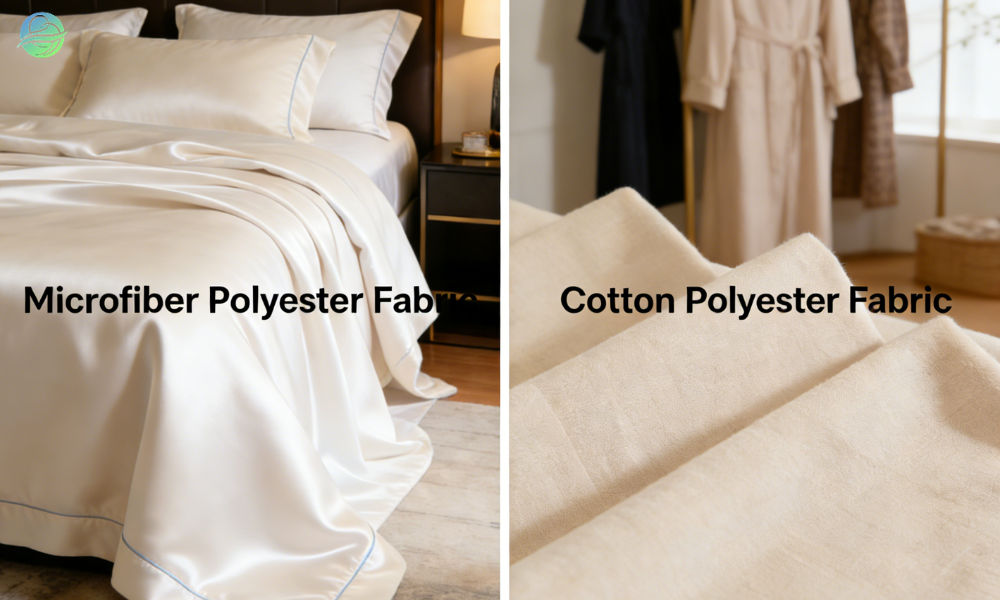
You’re standing in the showroom, hand hovering over two different swatches. One feels like soft suede, the other has a crisp, woven texture. The salesperson says both are "indestructible." But you’ve heard that before. You have a dog who thinks the sofa is his personal chew toy and a toddler who treats every surface like a canvas for grape juice. You need the truth, not the pitch.
For years, microfiber was the go-to answer for messy families. It was cheap, tough, and easy to wipe down. But lately, "performance fabric" has become the buzzword in every interior design magazine and furniture store in 2026. Marketing claims suggest it’s magic. But is it really better than the old reliable microfiber? We dug into the data, talked to manufacturers, and looked at real homes to find out which one actually survives the chaos of daily life.
The results weren’t exactly what we expected. It turns out, the winner depends entirely on what kind of mess you’re making. Let’s break it down.
The Great Misconception: What Are We Actually Talking About?
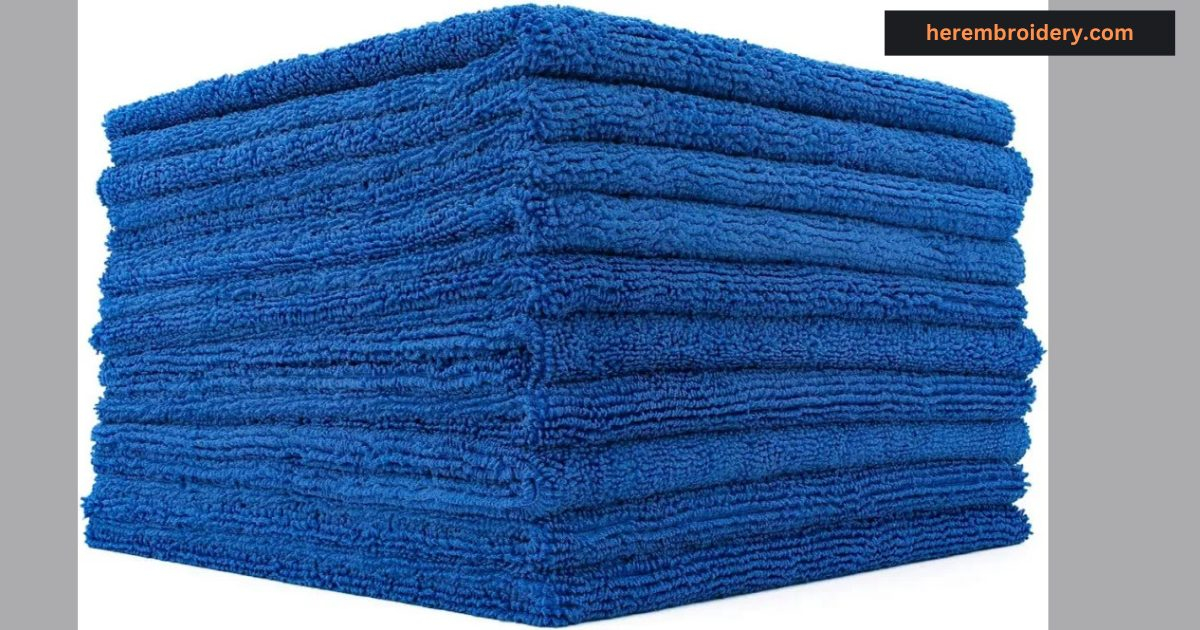
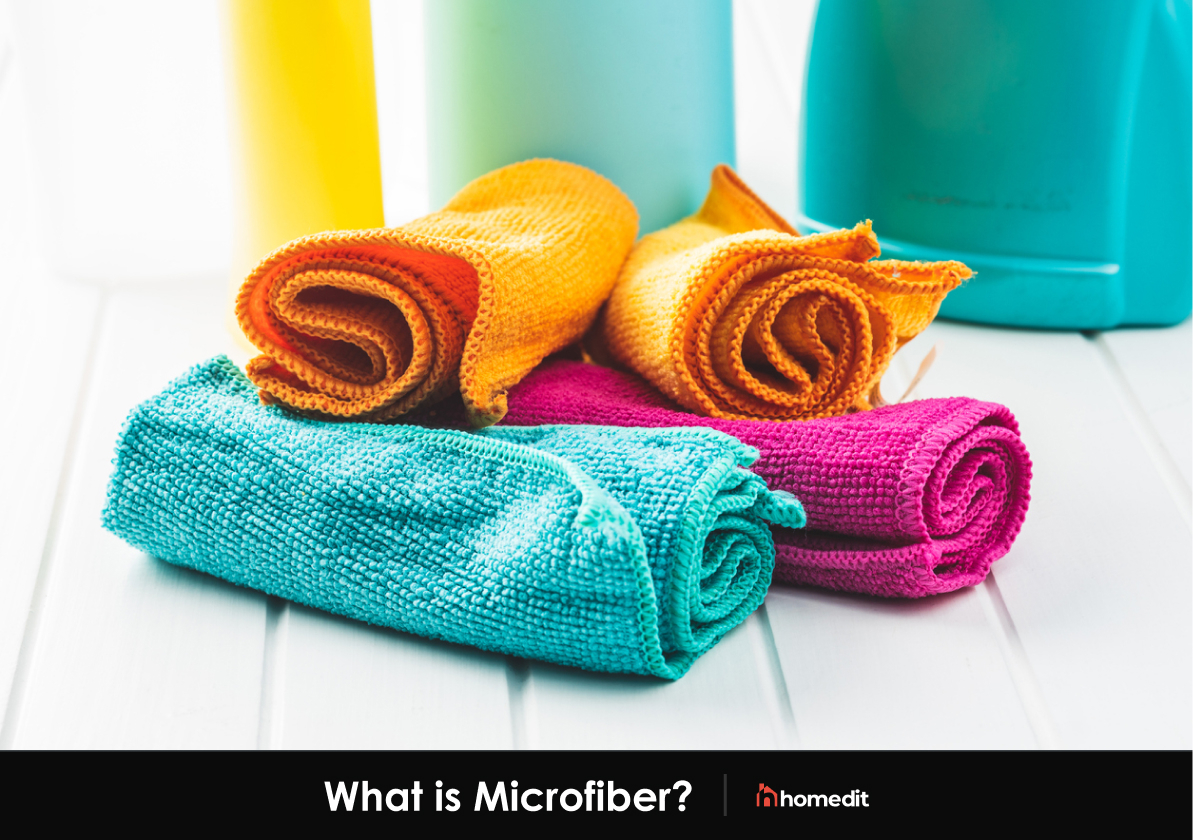
First, let’s clear up a bit of confusion. Microfiber isn’t actually a specific type of material like cotton or wool. It refers to the thickness of the fiber. If a synthetic fiber is thinner than one denier, it’s considered microfiber. Usually, it’s made from polyester or nylon. It’s tightly woven, which gives it that smooth, suede-like feel. Because the weave is so tight, liquids tend to sit on top rather than soaking in immediately. That’s why it’s been a favorite for decades.
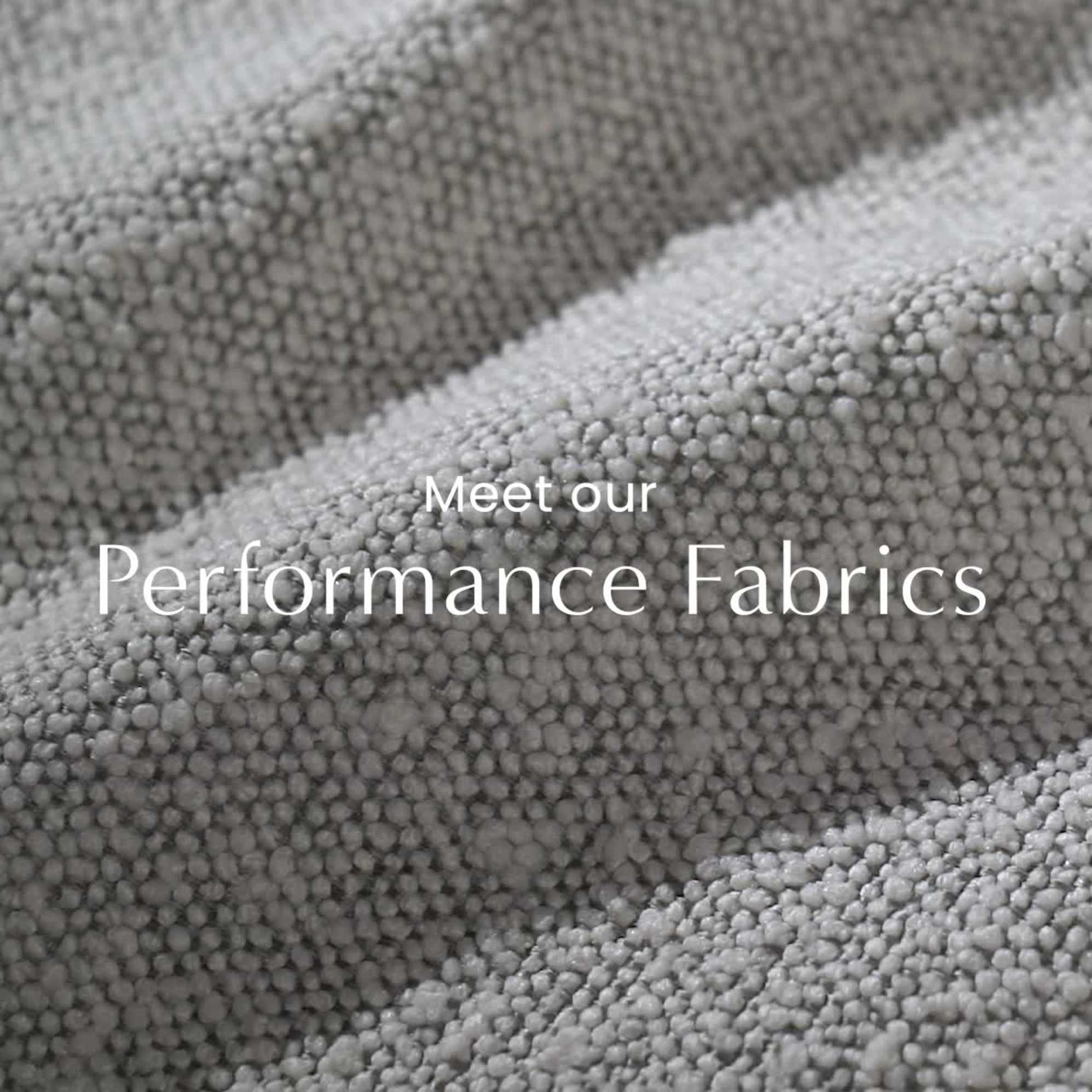
Performance fabric, on the other hand, is a category, not a single material. It’s any textile that has been engineered or treated to resist stains, fading, and wear. In 2026, most performance fabrics are still synthetic blends—often polyester or olefin—but they use advanced weaving techniques and molecular-level stain repellents. Brands like Crypton, Sunbrella, and Perennials have pushed this technology forward. They aren’t just coated; the protection is built into the fiber itself.
So, when you compare them, you’re often comparing a specific weave (microfiber) against a treatment technology (performance). This is where things get tricky. Some microfibers are performance fabrics if they have those extra treatments. But generally, when people say "microfiber," they mean the standard, untreated, tightly woven synthetic suede. When they say "performance fabric," they usually mean a textured, woven synthetic with high-tech stain resistance. Knowing this distinction helps you read the labels correctly.
The Spill Test: Liquids, Stains, and the Race Against Time
Let’s talk about the nightmare scenario: the red wine spill. Or maybe it’s coffee. Or tomato sauce. In controlled tests, standard microfiber performs surprisingly well initially. Because the fibers are so dense, liquids bead up on the surface. If you act fast—within minutes—you can blot it up with almost no trace. It’s forgiving for quick accidents.
However, here’s the catch. If you don’t catch it immediately, microfiber can be a pain. Once that liquid penetrates the tight weave, it can leave a watermark or a ring that is incredibly difficult to remove without professional cleaning. You can’t just throw a microfiber slipcover in the wash easily because the texture can get crushed or stiffen up. It requires specific care instructions that many homeowners ignore until it’s too late.
Performance fabrics shine in this area, specifically because of how they handle time. In recent durability trials, high-end performance textiles allowed spills to sit for hours—even overnight—and still wipe away cleanly with just water and a mild soap. The molecular barrier prevents the liquid from bonding with the fiber. For busy parents or anyone who might not notice a spill until the next morning, this is a game-changer. It’s not just about repelling; it’s about giving you a grace period.
The Pet Factor: Claws, Hair, and the "Suede" Problem
If you have pets, you know the struggle is real. Fur sticks to everything. But there’s a bigger issue: claws. Standard microfiber has a notorious weakness here. Because it mimics suede, it has a nap. Cat claws, or even enthusiastic dog nails, can snag these tiny fibers. Over time, this creates pulls and runs in the fabric. It doesn’t tear easily, but it looks worn and fuzzy in high-traffic spots much faster than you’d hope.
Pet hair is another story. Microfiber is static-prone. Dog and cat hair clings to it like glue. You’ll find yourself lint-rolling your sofa daily. It’s not impossible to clean, but it’s a constant battle. The hair gets woven into the tight texture, requiring more than just a quick vacuum pass. You often need a rubber glove or a specialized pet hair remover to get it all out.
Performance fabrics, particularly those with a tighter, flatter weave like canvas or twill styles, handle pets much better. The smooth surface doesn’t offer much for claws to grab onto, reducing snags significantly. Plus, many modern performance weaves are designed to be anti-static or low-pile, meaning pet hair sits on top rather than embedding itself. A quick vacuum usually does the trick. For multi-pet households, the structural integrity of a woven performance fabric often outlasts the soft nap of microfiber.
Sunlight and Fading: The Hidden Durability Killer
We often forget about the sun. If your sofa sits near a window, UV rays are slowly breaking down the fibers and bleaching the color. This is where the difference between basic microfiber and true performance fabric becomes stark. Standard polyester microfiber has moderate resistance to fading, but over three to five years, you will likely notice a change in color, especially in darker shades. It might look patchy or just duller than when you bought it.
Performance fabrics are frequently tested for UV resistance, especially those originally designed for outdoor use that have migrated indoors. In 2026, many indoor performance lines boast high UV stability ratings. They use solution-dyed fibers, where the color is added to the liquid polymer before it’s spun into thread. This means the color is part of the fiber, not just a coating on top. It won’t rub off, and it won’t fade easily.
If you have a sun-drenched living room, this is a critical factor. Microfiber might look great for the first two years, but performance fabric maintains its vibrancy for five, seven, or even ten years. It’s an investment in longevity. You aren’t just paying for stain resistance; you’re paying for the fabric to look new for longer. The initial cost might be higher, but the replacement cycle is much slower.
Comfort and Feel: The Trade-Off You Didn’t See Coming
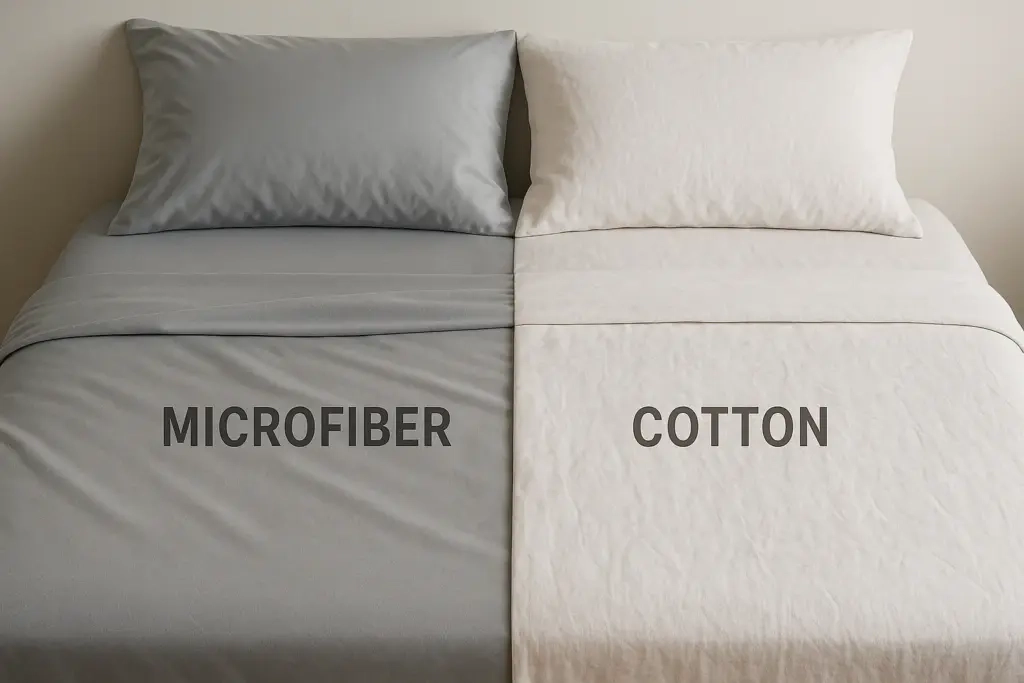
Durability is great, but you still have to sit on the thing. This is where microfiber has historically held the crown. It’s soft, warm, and inviting. It feels cozy against your skin, which is why people love curling up on it. It has a plushness that is hard to replicate with harder-wearing materials. For many, this tactile comfort is worth the extra maintenance.
Performance fabrics have come a long way, though. Early versions felt stiff, plasticky, or cold. But the latest generations in 2026 are remarkably soft. Manufacturers have figured out how to blend durability with comfort. However, they still tend to feel slightly more structured or "crisp" than microfiber. They might not have that same sinking-in, cloud-like sensation. Some people prefer this support, while others miss the plush give of microfiber.
It’s also worth noting that microfiber can trap heat. In warmer climates or during summer months, it can feel sticky or hot. Performance fabrics, especially those with breathable weaves, often regulate temperature better. They don’t cling to you. So, if you live in a hot area, the "coziness" of microfiber might actually work against you. It’s a personal preference, but one that impacts daily satisfaction with the piece.
So, who takes the trophy? If we look strictly at long-term durability in a high-traffic, high-mess environment, performance fabric generally comes out on top. Its resistance to snags, fading, and set-in stains makes it more resilient over a 5-10 year period. It’s the smarter choice for families with young children, multiple pets, or anyone who wants a "buy it for life" piece. The technology has matured enough that you don’t have to sacrifice too much comfort.
However, microfiber is still a strong contender if you’re on a budget or prioritize immediate softness. It’s cheaper upfront and handles quick spills well. If you’re diligent about cleaning and don’t have cats that scratch, it can last a decent amount of time. It’s a good option for guest rooms, adult-only spaces, or rentals where you might replace the furniture sooner. Just be prepared for the lint roller lifestyle.
Ultimately, the "best" fabric is the one that matches your actual habits, not your idealized ones. Be honest about how messy you are. Do you clean spills instantly? Microfiber might work. Do you let them sit? Go performance. Do you have cats? Avoid standard microfiber. Do you want the softest feel possible? Microfiber wins. There’s no single right answer, but now you have the data to make the right choice for your home. Don’t just buy based on the label; buy based on your life.