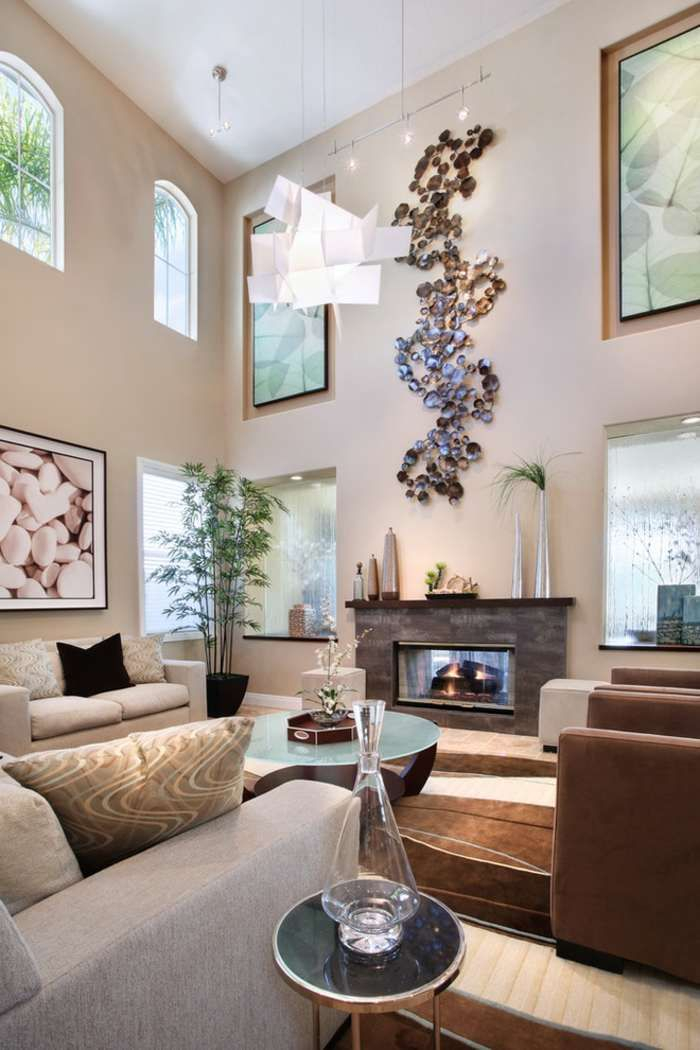
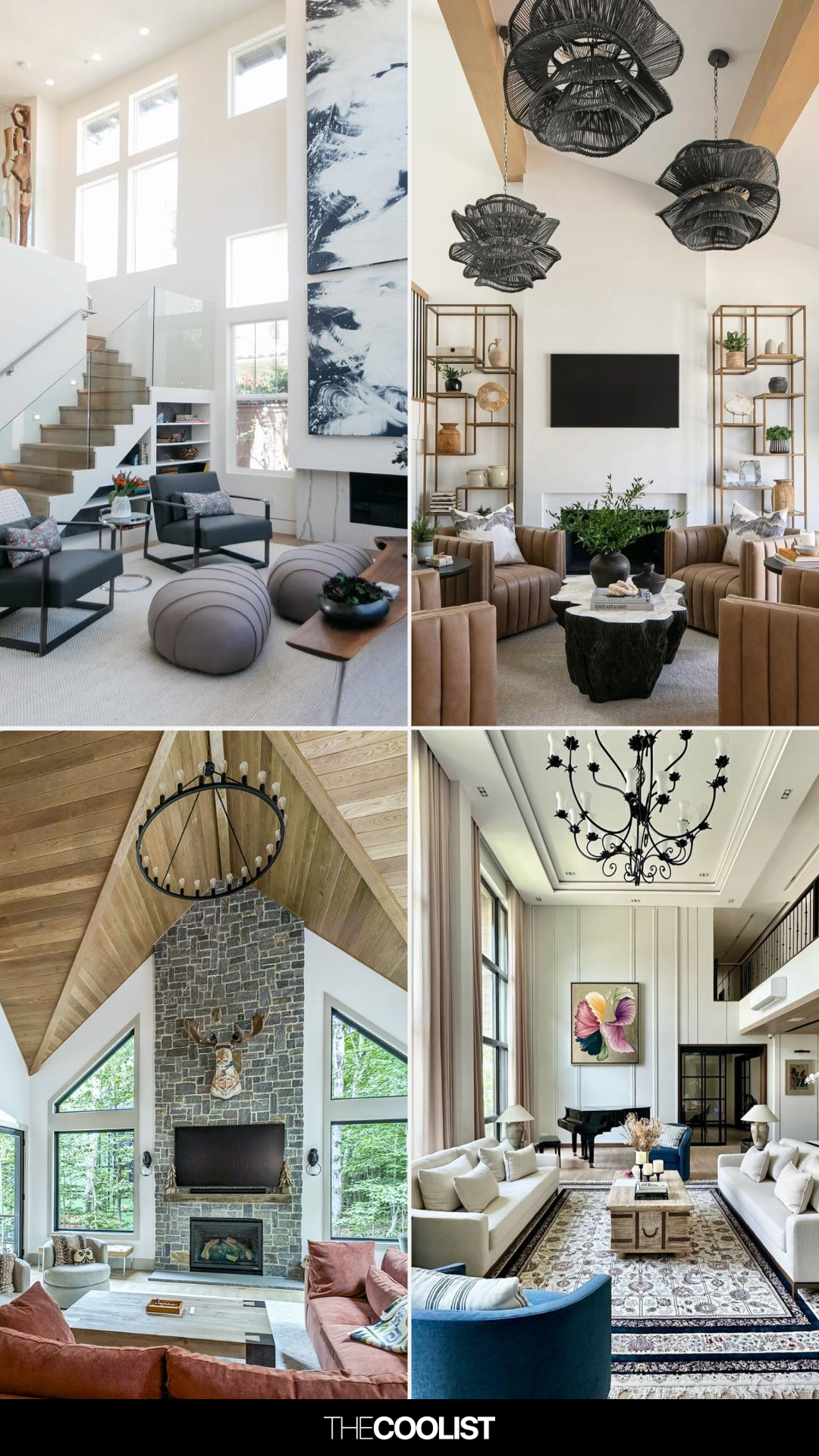
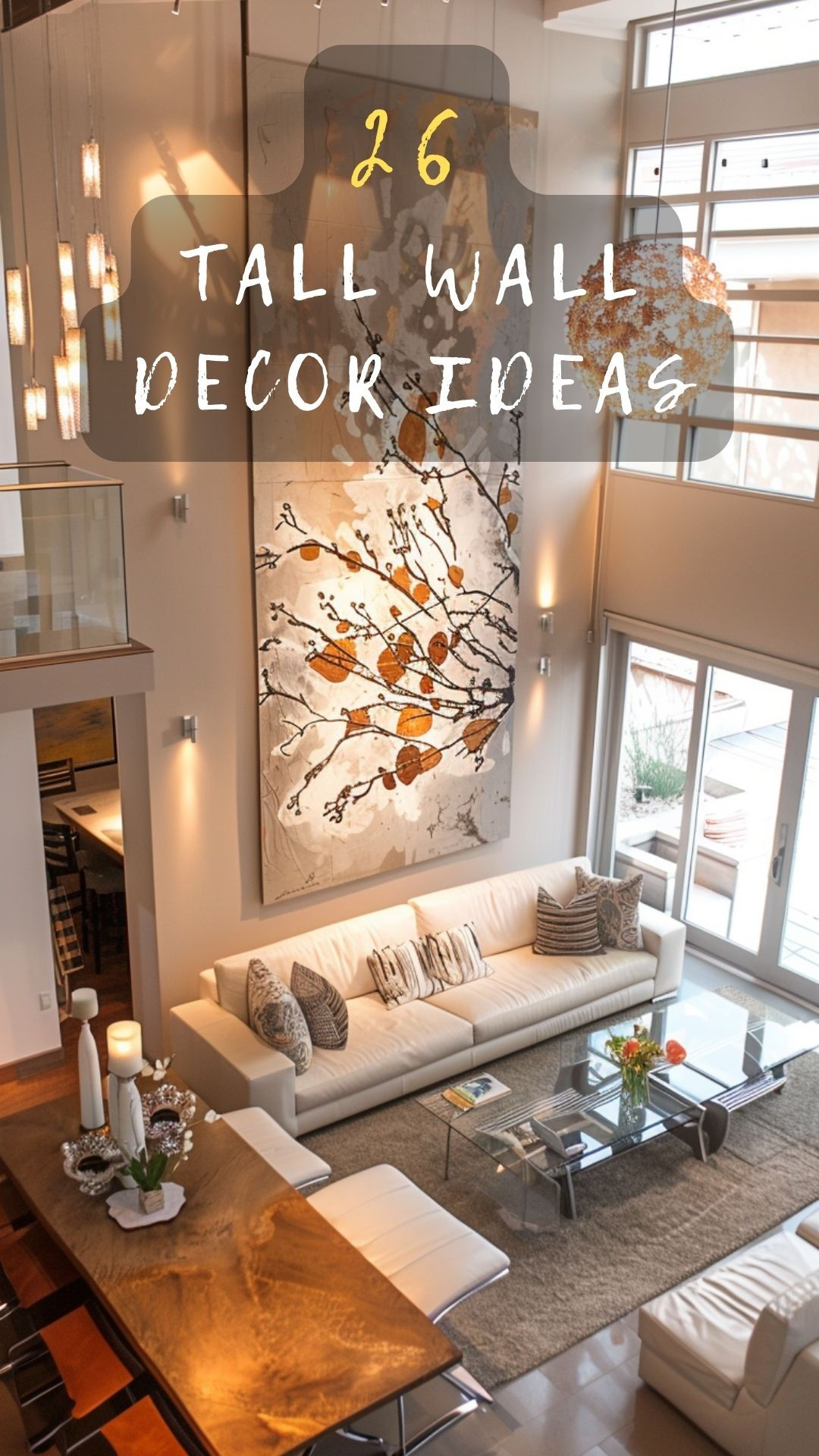
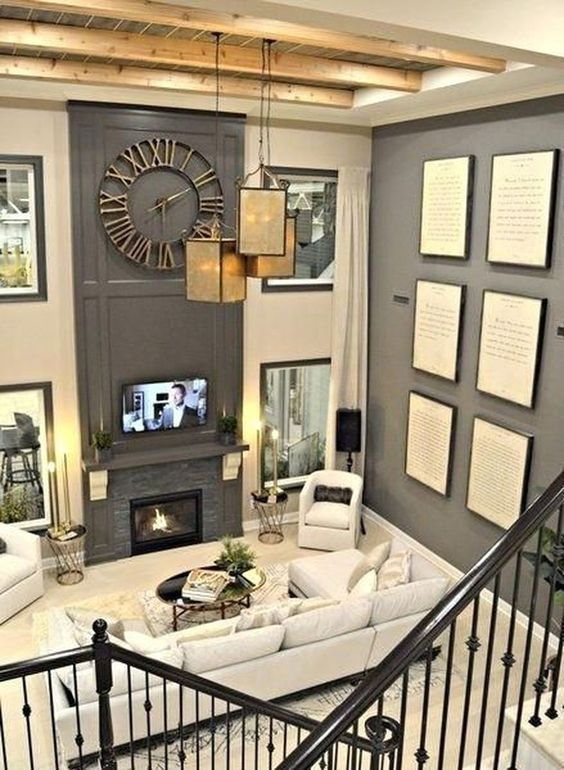
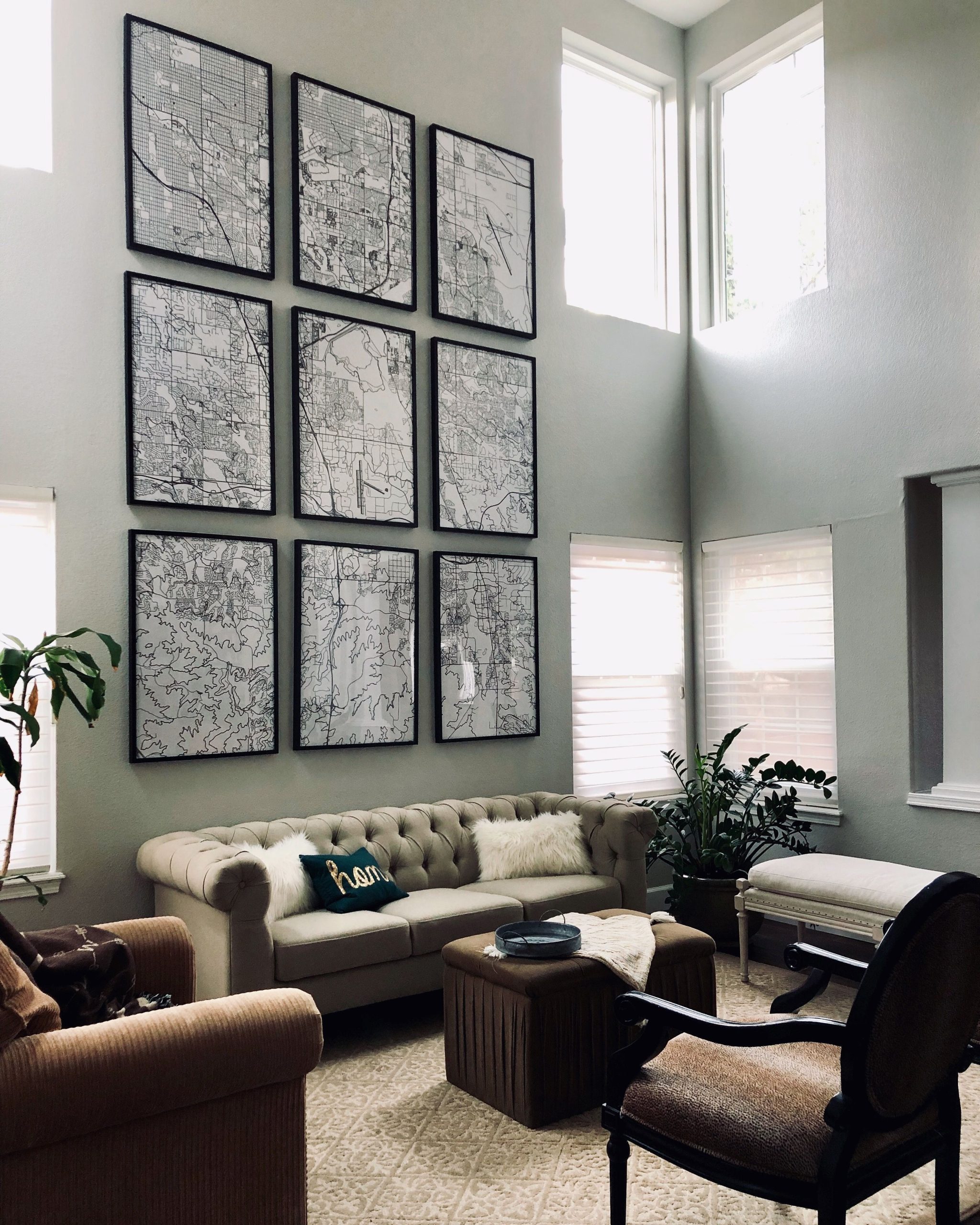
You know that feeling when you walk into a room with soaring ceilings? It’s impressive, sure. Grand. But sometimes, it just feels… cold. Like you’re standing in a museum lobby instead of your own living room. The air up there is thin, distant, and frankly, a bit lonely. We love the drama of a vaulted ceiling, but we don’t always love the echo chamber effect it creates. It can make a space feel anonymous, lacking that crucial sense of warmth and focus that makes a house a home.
The problem isn’t the height itself. It’s how we light it. Standard rules for eight-foot ceilings simply don’t apply when your roof peaks at fifteen or twenty feet. If you rely on recessed cans alone, you end up with a cave-like effect—bright spots on the floor and a dark, void-like expanse above. To fix this, we have to trick the eye. We need to bring the visual weight down. We need to create layers of light that hug the human scale, ignoring the vastness above while still honoring it. It’s about balance. And maybe, just maybe, making the space feel a little more like a hug and a little less like a cathedral.
The Psychology of Visual Weight
Light has mass. Well, not physically, but perceptually. Bright objects draw the eye. Dark areas recede. When you have a massive vertical space, the goal is to stop the eye from traveling all the way to the peak and getting lost there. Instead, you want to anchor the gaze at eye level or slightly above. This is where the concept of "visual weight" comes into play. By placing heavier, brighter, or more intricate light fixtures lower in the room, you create a horizontal plane that the brain interprets as the "ceiling" of the lived-in space.
Think about it. If you have a single, dim chandelier hanging ten feet down from a twenty-foot peak, the eye still travels up past it to the dark shadows in the rafters. But if you have a cluster of pendant lights hanging just seven or eight feet above the floor, grouped over a dining table or kitchen island, the eye stops there. The space above becomes secondary. It’s background noise. This doesn’t mean you ignore the upper volume entirely, but you prioritize the zone where people actually exist. It’s a subtle shift, but it changes the entire emotional temperature of the room.
This approach also helps with acoustics, indirectly. When a room feels visually smaller and cozier, we tend to speak softer, move slower. It’s a psychological trick. By keeping the primary illumination within the human scale—roughly six to nine feet from the floor—you signal to the brain that this is an intimate gathering space, not a public hall. It’s about creating a canopy of comfort. You aren’t fighting the architecture; you’re just defining where the party happens. And honestly, who wants to party in the rafters?
Pendant Clusters and the Power of Grouping
One of the most effective ways to bring down the height is through the strategic use of pendant lighting. But not just one pendant. A single fixture can look lost in a large volume. The magic happens when you group them. Think of pendants like jewelry. A single earring is nice, but a stack of bracelets draws attention to the wrist. Similarly, a cluster of three, five, or even seven pendants creates a substantial visual object that commands attention at a lower level.
When dealing with sloped or vaulted ceilings, installation can be tricky. You can’t just hang a standard cord straight down from a slanted junction box, or it’ll look crooked. That’s where swivel canopies and adjustable cords come in. These hardware tweaks allow the fixture to hang perfectly vertical, regardless of the angle of the roof. This verticality is key. It creates strong, clean lines that cut through the space, drawing the eye down along the cord to the light source. It’s a simple mechanical solution that solves a major aesthetic problem.
Placement matters too. Don’t scatter them randomly. Group them over functional areas like dining tables, kitchen islands, or seating arrangements. This reinforces the idea that the "room" is defined by these activities, not by the outer walls. In 2026, we’re seeing a trend towards mixed materials in these clusters—combining glass, brass, and matte black finishes. This variety adds texture and interest, keeping the eye engaged at that lower level. The goal is to make the viewer forget to look up because they’re too busy admiring the light sculpture right in front of them.
Wall Washing and Sconces: The Horizontal Anchor
If pendants are the vertical anchors, wall sconces are the horizontal ones. They are arguably the most underutilized tool in the vaulted ceiling toolkit. By placing light sources on the walls at eye level (around 60 to 66 inches from the floor), you create a perimeter of warmth that encloses the space. This technique, often called "wall washing," pushes the walls visually inward and brings the ceiling visually downward. It creates a box of light within the larger shell of the room.
Sconces work best when they cast light both up and down, or primarily down. Up-lighting can accentuate the height, which might be the opposite of what you want if you’re trying to cozy things up. Down-lighting, however, pools light on the floor and furniture, creating intimate islands of brightness. Imagine reading a book in a chair next to a sconce. The light is focused on you, not the beam structure twenty feet above. It’s personal. It’s private. It makes the vast room feel like a series of small, connected nooks.
Layering is essential here. You don’t want the sconces to be the only light. They should work in tandem with your pendants and floor lamps. The idea is to create a gradient of light. Brightest at the task level (where you’re eating or reading), medium at the eye level (sconces and table lamps), and softer, ambient light higher up. This gradient mimics natural light patterns outdoors, where the ground is often brighter than the sky at dusk. It feels natural to our brains. It feels safe. And in a big, empty-feeling room, safety is synonymous with comfort.
The Strategic Use of Floor and Table Lamps
Let’s talk about the unsung heroes of interior lighting: portable lamps. In a room with standard ceilings, floor lamps are often afterthoughts. In a vaulted room, they are structural elements. Because they sit on the floor and rise only a few feet, they firmly establish the human scale. A tall arc floor lamp, for instance, can sweep over a sofa, creating a makeshift ceiling of light that is barely eight feet high. It literally caps the seating area.
Table lamps serve a similar purpose. Placing them on sideboards, consoles, or end tables adds points of light at roughly two to three feet off the ground. This low-level lighting is crucial for evening ambiance. It prevents the room from feeling like a dark cave with a few bright spots. Instead, it creates a glow that rises from the bottom up. This upward glow softens the transition between the furniture and the dark void above. It’s like a campfire effect. We are drawn to low, warm light sources. It’s primal.
The key is distribution. Don’t cluster all your lamps in one corner. Spread them out. Create a rhythm. If you have a long living room with a vaulted ceiling, place floor lamps at both ends and table lamps in the middle. This creates a continuous band of light that stretches across the room, effectively lowering the perceived height across the entire span. It’s a cheap and easy fix. No electrician needed. Just plug them in and watch the room shrink into something manageable. Something cozy.
Chandeliers: Scale and Suspension Secrets
Chandeliers are the traditional choice for vaulted spaces, but they are often done wrong. The biggest mistake? Hanging them too high. People seem to think that because the ceiling is high, the chandelier must be high. Wrong. If you hang a chandelier twelve feet off the floor, it’s just a decorative object in the sky. It doesn’t illuminate the room effectively, and it doesn’t help bring the scale down.
The rule of thumb is to hang chandeliers so that the bottom of the fixture is roughly seven to eight feet above the floor in traffic areas, or about 30 to 36 inches above a dining table. Yes, even in a room with a twenty-foot ceiling. This might feel counterintuitive. You might worry it looks out of proportion. But remember, the chandelier is meant to light the people, not the plaster. By bringing it down, you make it part of the human experience. It becomes a centerpiece you can actually see and appreciate, not just a distant star.
Scale is also critical. A tiny chandelier in a huge room looks pathetic. It gets swallowed by the volume. You need a fixture with presence. In 2026, we’re seeing larger, more sculptural designs that can hold their own in big spaces. Think wide drum shades, multi-tiered structures, or expansive linear fixtures. These larger forms occupy more visual space, helping to fill the void without needing to reach the ceiling. They act as a bridge between the floor and the peak, but they stay firmly rooted in the lower half of the room. It’s about confidence. Pick a piece that doesn’t apologize for its size.
Finally, let’s talk about the quality of the light itself. You can have the perfect fixtures in the perfect places, but if the bulbs are the wrong color, the room will still feel off. For vaulted rooms, warmth is your friend. Stick to color temperatures between 2700K and 3000K. This soft, yellowish-white light mimics the glow of incandescent bulbs and sunset. It’s inviting. Cool white light (4000K and above) tends to feel clinical and expansive, which exaggerates the height and coldness of the space. We want the opposite. We want contraction. We want warmth.
Dimmers are non-negotiable. A vaulted room needs flexibility. During the day, you might want more ambient light to combat shadows. At night, you want to dial it back. Dimming allows you to lower the overall intensity, which makes the light sources feel closer and more intimate. When the light is softer, the edges of the room blur. The high ceilings fade into the darkness. The focus narrows to the illuminated zones at eye level. It’s a simple switch that transforms the room from a showroom to a sanctuary.
Also, consider the direction of the light. Avoid fixtures that shoot light directly upward into the vault unless you are specifically trying to highlight architectural beams. Instead, choose shades that direct light downward or outward. Downward light stays in the living zone. Outward light hits the walls and bounces back, creating a soft, diffuse glow that doesn’t travel far. It keeps the energy contained. It’s about containment. Keeping the light, and therefore the feeling of the room, within reach.
Bringing down the height of a vaulted room isn’t about hiding the architecture. It’s about making it livable. It’s about recognizing that while we admire grandeur, we crave intimacy. By using layers of light—pendants, sconces, lamps, and carefully scaled chandeliers—we can create a space that feels both majestic and manageable. We can have our cake and eat it too. We can have the drama of the peak and the comfort of the hearth.
It takes a bit of planning. You have to think vertically and horizontally. You have to consider where the eye goes and where it stops. But the payoff is huge. A room that feels like it fits you. A room that wraps around you rather than towering over you. So, look at your high ceilings not as a problem to be solved, but as a canvas. Paint it with light. Keep it low. Keep it warm. And enjoy the cozy.