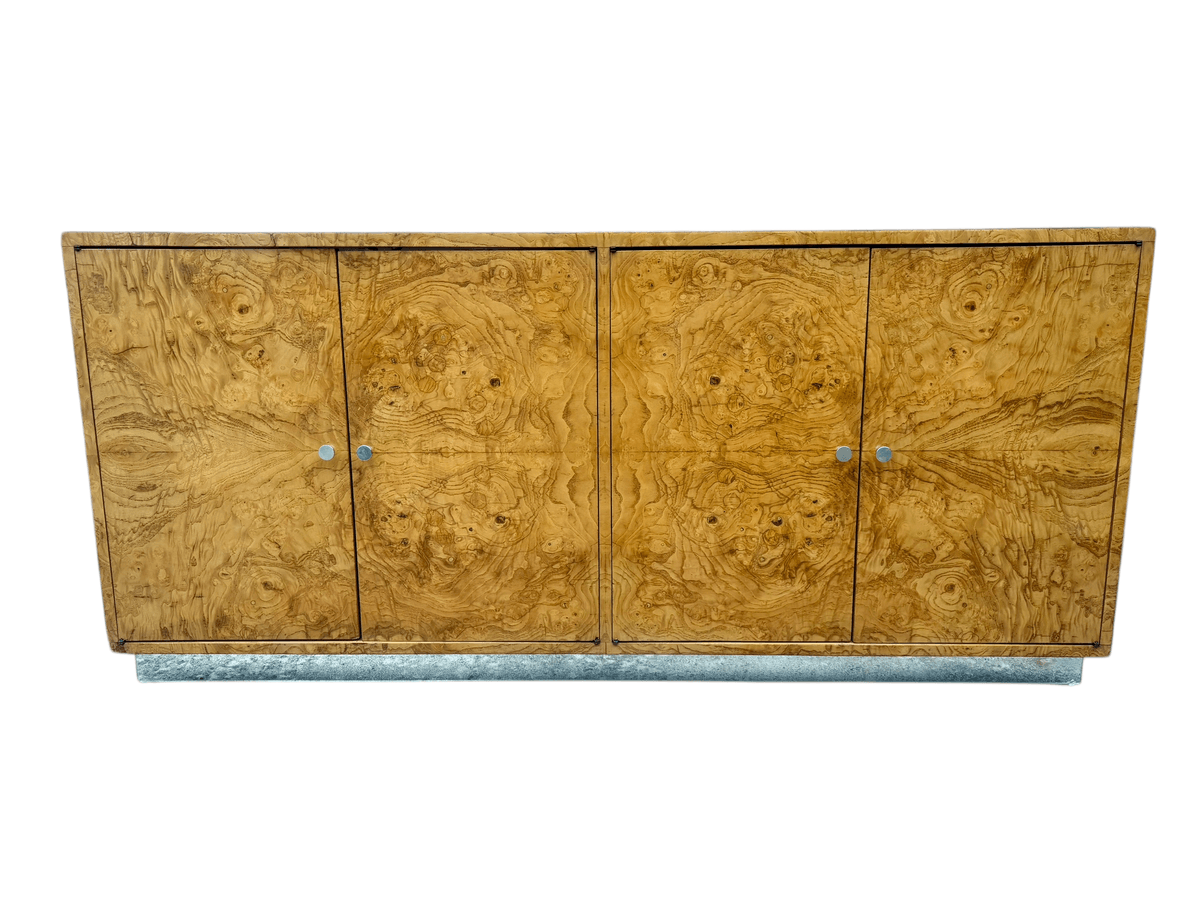
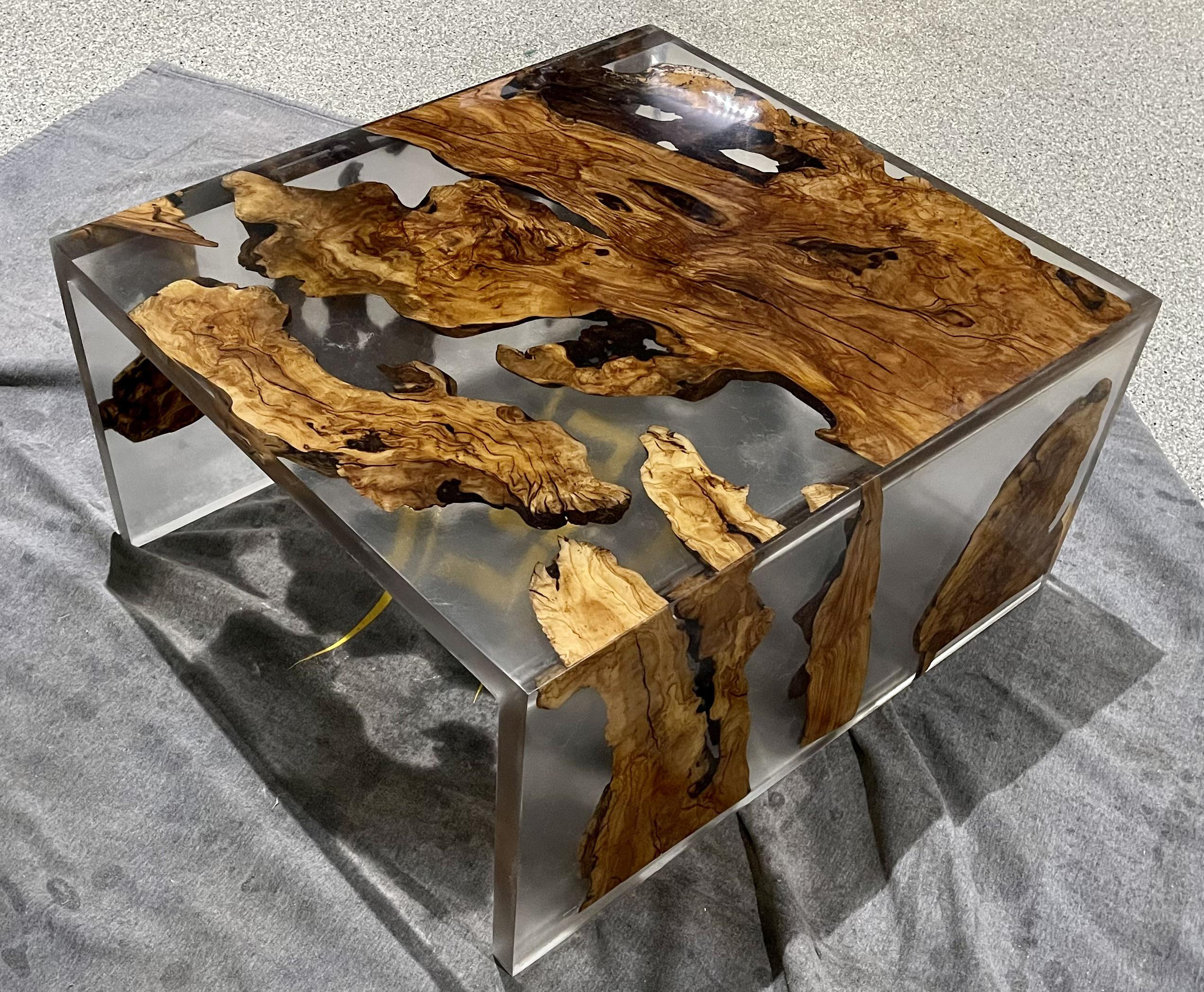
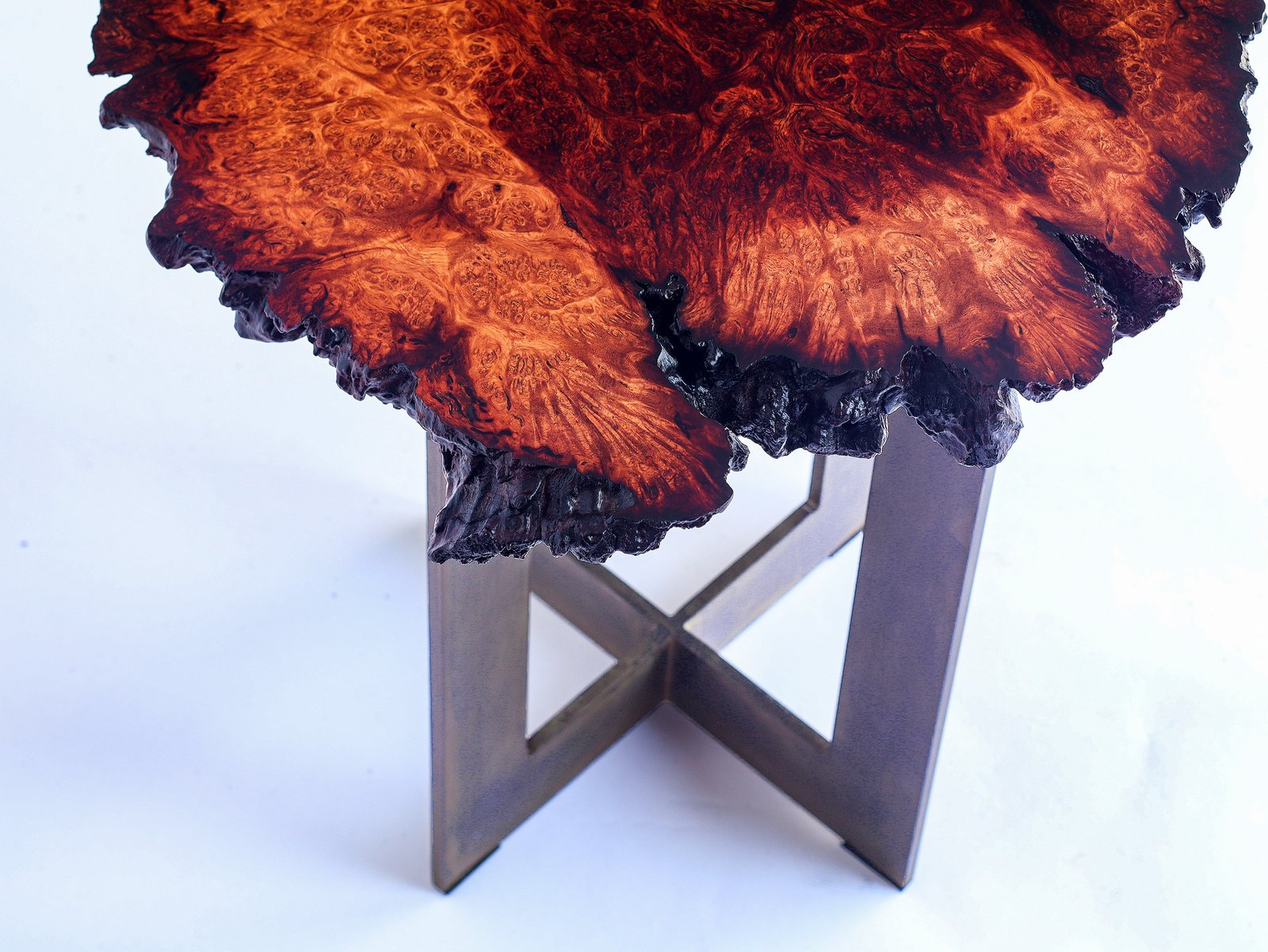
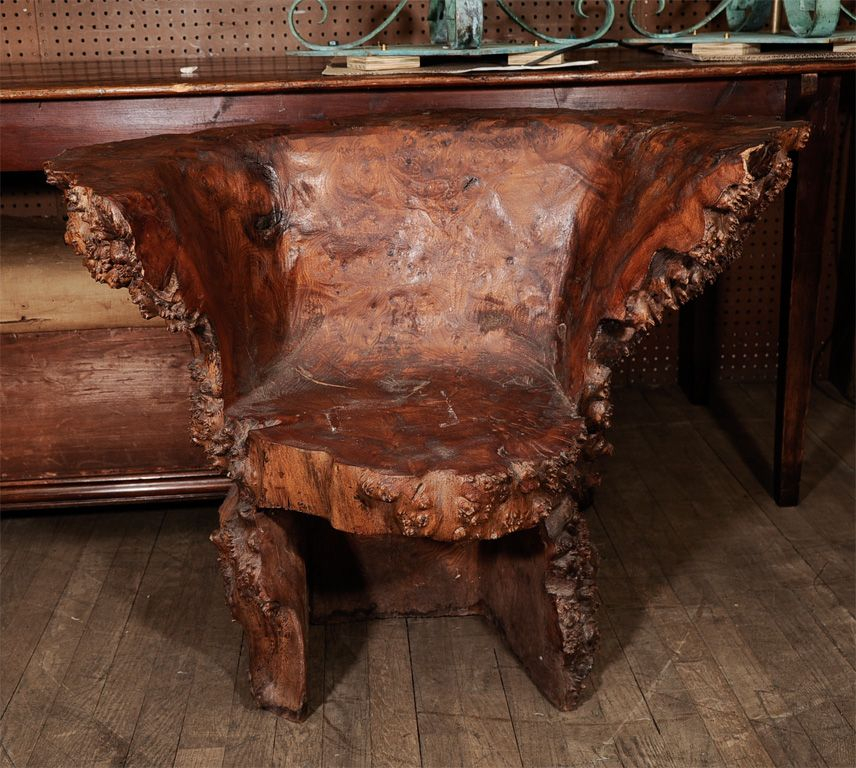
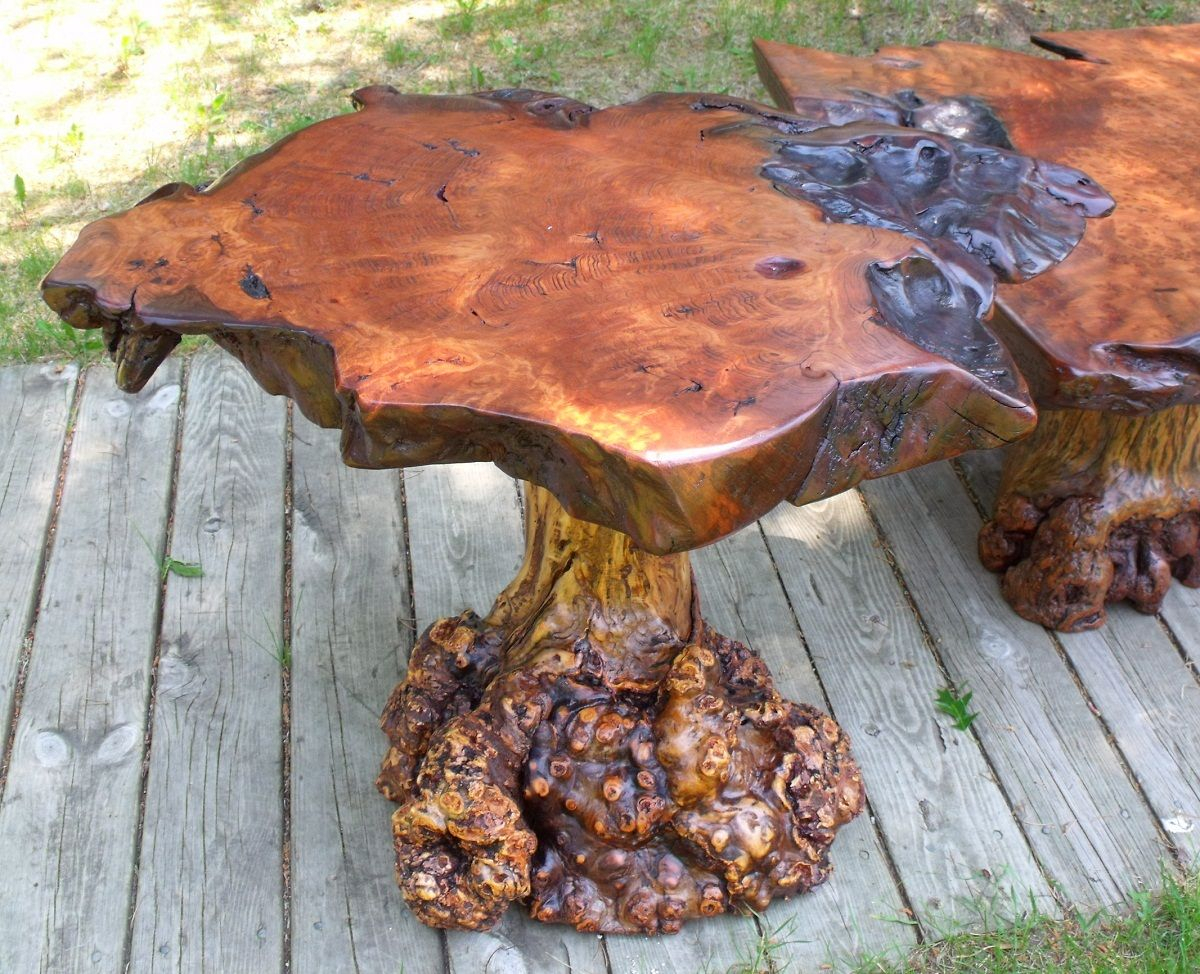
You walk into a high-end showroom or scroll through a custom furniture feed, and there it is. A table top that looks like a swirling galaxy frozen in timber. Or maybe a dashboard in a classic car that seems to have eyes of its own. It’s not just wood. It’s burl. And then you see the price tag. Your breath hitches. Is that number a typo? It’s usually not.
Burl wood has always been the oddball of the forestry world. It doesn’t grow straight. It doesn’t play by the rules. For decades, it was seen as a defect, a tumor on an otherwise perfect tree. But today? In 2026, it’s arguably the most sought-after material for luxury accents. But why does a lump of knotty wood cost more than gold per pound sometimes? And more importantly, if you drop that kind of money, are you actually making a smart move, or just buying a pretty rock?
Let’s dig into the dirt. Literally. We’re going to unpack the mystery behind the markup, look at the sheer headache of turning a burl into a usable slab, and figure out if this organic art piece is worth the investment for your wallet and your wall.
The Biological Accident That Became a Treasure
So, what exactly is a burl? It’s not a specific species of tree. You won’t find a "burl oak" seed at the nursery. A burl is a growth anomaly. It’s a chaotic cluster of cells that forms when a tree gets stressed. Maybe a fungus attacked it. Maybe a branch broke off and the tree tried to heal over the wound. Maybe insects got under the bark. The tree panics, basically. It throws up a dense, irregular mass of grain to protect itself.
This randomness is the first reason for the price tag. You can’t farm burls. You can’t plant a row of maple trees and expect half of them to produce prize-winning burls. It’s entirely luck-based. A logger might cut down fifty perfectly straight walnut trees and find zero burls. Then, on the fifty-first, there’s a massive, gnarly lump at the base. That scarcity drives the initial cost up before the wood even hits the mill.
In 2026, as old-growth forests become even more protected and scarce, finding large, high-quality burls is harder than ever. We aren’t just talking about small knots here. We’re talking about massive formations that can yield wide slabs. Because they are unpredictable, every single piece is unique. There is no "standard" burl pattern. This one-of-a-kind nature appeals to buyers who want something that literally no one else on the planet has. It’s biological exclusivity.
The Nightmare of Processing Raw Burl
If finding the burl is hard, working with it is a special kind of torture for woodworkers. Regular lumber is predictable. You cut it, it stays flat. You dry it, it shrinks in a known way. Burl? Burl fights back. The grain is interlocked, swirling in every direction. This makes it incredibly difficult to cut without tearing the fibers. Standard saw blades often struggle, requiring specialized tools and slow, careful feeding rates.
Then there’s the drying process. This is where many amateurs ruin their investment. Because the grain is so dense and twisted, moisture escapes unevenly. If you try to kiln-dry a burl too fast, it will check (crack) or warp into a shape that looks like a pretzel. Most high-end burl wood needs to be air-dried for years, sometimes decades, to stabilize. Some makers use stabilization techniques, injecting resin into the wood to fill voids and harden it, but that adds another layer of cost and labor.
The waste factor is huge, too. When you mill a straight log, you get a lot of usable board feet. With a burl, you might lose 50% or more of the material to cracks, rot pockets, or just the irregular shape that doesn’t fit standard dimensions. You’re paying for the wood that ends up in the burn pile. Skilled craftsmen charge for their time, and working with burl takes three to four times longer than working with straight-grained timber. That labor cost gets baked into the final price.
Visual Depth and the Art Factor
Let’s talk about why we actually want this stuff. It’s the look. Straight grain is nice. It’s clean. It’s modern. But it can be boring. Burl wood has "figure." That’s the technical term for the visual pattern on the surface. Because the cells grew in chaotic directions, when you slice through them, you get swirls, eyes, clusters, and waves that seem to move as you change your viewing angle.
This visual depth is impossible to replicate with veneers or prints. Sure, you can buy printed laminate that looks like burl, but it lacks the tactile reality. Light hits real burl differently. It refracts through the dense, interlocked fibers, creating a shimmering effect often called "chatoyancy," similar to what you see in cat’s eye gemstones. In 2026, with the rise of biophilic design—bringing nature indoors—people are craving these authentic, complex textures.
Each piece tells a story of survival. That swirl might be where a branch tried to grow. That dark cluster might be where a beetle burrowed. For collectors, this isn’t just furniture; it’s a conversation piece. It’s art. When you buy a burl slab table, you aren’t just buying a surface to eat dinner on. You’re buying a sculpture. This artistic value elevates it from a commodity to a collectible, which naturally commands a higher price in the market.
Species Matters: Not All Burls Are Created Equal
Here’s a common misconception: all burl is expensive. Well, yes and no. The species of the tree matters immensely. A burl from a common pine tree might not fetch much because pine is soft and abundant. But a burl from Black Walnut, Maple, Oak, or Redwood? That’s where the money is. In recent years, exotic species like Amboyna or Thuya burl have reached astronomical prices, often used in high-end automotive interiors and luxury watches.
Size is the other big multiplier. A small burl cap suitable for a bowl or a pen blank is affordable. You can pick those up for fifty or a hundred bucks. But a full-sized slab, wide enough to make a dining table, is rare. Finding a burl that is both large and free of major defects is like finding a needle in a haystack. As of 2026, large slabs of figured maple or walnut can run into the thousands of dollars, depending on the clarity of the figure and the stability of the wood.
Quality grading also plays a role. "Clear" burl, with tight, consistent swirling patterns and no rot or loose knots, is top-tier. "Character" burl, which might have holes, decay pockets, or lighter color variations, is cheaper but still prized by some for its rustic look. Buyers need to know what they are paying for. Are you paying for perfection, or are you paying for raw, untamed nature? The price reflects that distinction.
Is It a Smart Financial Investment?
Okay, the big question. If you spend $5,000 on a burl wood desk, will it be worth $10,000 in ten years? Probably not. Unlike gold or stocks, wood is not a liquid asset. You can’t easily sell a custom burl table for cash if you need rent money next month. The market for high-end woodworking is niche. While values for rare, museum-quality pieces have held steady or increased, most consumer-grade burl furniture depreciates once it leaves the shop, just like a car.
However, "investment" doesn’t always mean financial return. Think about value retention. A solid wood burl piece, if cared for, will last generations. It won’t go out of style because it’s natural. Trends come and go, but the appreciation for natural beauty is timeless. In a world of disposable IKEA furniture, a burl slab is an heirloom. It holds value in the sense that it remains desirable. You likely won’t lose your shirt if you decide to sell it in five years, provided you kept it in good condition.
There is also the aspect of craftsmanship investment. By buying burl, you are supporting skilled artisans who keep traditional woodworking alive. In 2026, as automation takes over more manufacturing, hand-finished, unique items are becoming status symbols. Owning a piece of burl wood signals an appreciation for craft and patience. That social and aesthetic capital is hard to quantify but very real for many buyers.
Tips for Buying Burl Wood in 2026
If you’re ready to take the plunge, don’t just click "buy" on the first pretty picture you see. Do your homework. First, check the stability. Ask the seller how the wood was dried. If it hasn’t been properly stabilized or aged, it could crack in your home when the humidity changes. Look for signs of previous repairs. Epoxy fills are common and acceptable, but they should be disclosed. A clear finish allows you to see these details; avoid heavy stains that hide the wood’s true character.
Second, consider the scale. Burl is busy. A huge slab of intense burl pattern can overwhelm a small room. It works best as a focal point. A coffee table, a headboard, or a accent wall panel. Don’t try to burl-out your entire house. Let the piece breathe. Also, think about maintenance. Burl wood, especially with its irregular grain, can trap dust in tiny crevices. It needs regular cleaning with appropriate wood cleaners, not harsh chemicals.
Finally, buy from reputable sources. In the online marketplace, there are plenty of sellers offering "burl-look" veneers or poorly processed slabs. Look for reviews, ask for close-up photos of the actual piece (not stock images), and if possible, see it in person. Feel the weight. Look at the end grain. Trust your gut. If the price seems too good to be true, it probably is. Real burl costs real money because of the reasons we discussed. Respect the process, and you’ll end up with a piece you love.
So, is burl wood worth the hype? If you value uniqueness, natural beauty, and craftsmanship, absolutely. It’s expensive because it’s rare, difficult to harvest, and a pain in the neck to work with. Every swirl and knot is a testament to a tree’s resilience. It’s not just wood; it’s a survivor.
But if you’re looking for a quick flip or a budget-friendly option, look elsewhere. Burl is a luxury. It’s for the person who wants their home to feel grounded, organic, and distinctly theirs. In 2026, amidst the digital noise and mass production, having a piece of chaotic, beautiful nature in your living room feels more valuable than ever.
Take your time. Appreciate the quirks. And remember, you’re not just buying a table. You’re buying a piece of history, frozen in grain. That’s a price tag that’s hard to put a number on, but for the right person, it’s worth every penny.