You know that feeling. You’re standing in the middle of a room, maybe it’s a bay window nook or a grand entryway with an arched doorway. The vision is clear. You want that soft, sweeping curve of custom radius molding. It screams elegance. It whispers "high-end." But then you get the quote. Ouch. Custom bent wood isn’t just expensive; it’s often prohibitively so. We are talking thousands of dollars for just a few feet of trim. In 2026, with lumber prices still fluctuating and labor costs climbing, that custom quote feels like a punch to the gut.
But here is the good news. You don’t have to choose between blowing your budget and settling for boxy, sharp corners. The world of home renovation has changed. A lot. There are now ways to get that same look—maybe not exactly the same, but close enough to fool all but the most eagle-eyed inspectors—for a fraction of the cost. We are talking about materials that bend, techniques that trick the eye, and smart swaps that save your wallet. Let’s dive into how you can keep the curves without losing your shirt.
The Magic of Flexible Polyurethane and PVC
Let’s start with the heavy hitters. If you walk into any major hardware store today, you will see rolls of trim that look suspiciously like wood but feel like plastic. This is flexible polyurethane or high-density PVC. Back in the day, plastic trim looked cheap. It was shiny, flimsy, and screamed "rental property." That is not the case anymore. In 2026, manufacturers have nailed the texture. They use advanced embossing techniques to mimic wood grain so well that you have to touch it to know the difference.
The best part? It bends. You don’t need a steam box or a specialized workshop. You just buy the pre-curved radius sections or cut a straight piece and gently flex it into place. For tight curves, like a circular column cap or a small archway, this stuff is a lifesaver. It’s lightweight, which means you aren’t fighting gravity while trying to nail it up. And because it’s synthetic, it doesn’t care about humidity. No warping, no shrinking. It stays put.
However, there is a catch. You can’t stain it like real wood. Well, you can try, but it rarely looks good. These materials are designed to be painted. So, if your design calls for white or cream trim, you are golden. If you want a natural oak finish, keep reading. But for painted applications, flexible PVC is arguably the best bang for your buck right now. It installs fast, cuts easy with a standard miter saw, and costs maybe 20% of what custom bent wood would run you.
Kerfing: The Old-School Trick That Still Works
Sometimes, the best solutions are the oldest ones. Have you ever heard of kerfing? It sounds like a made-up word, but it’s a legitimate carpentry technique. Here is the gist. You take a straight piece of wood—usually something inexpensive like pine or poplar—and you cut a series of parallel grooves into the back side. You don’t cut all the way through. You leave a thin layer of wood intact on the front face.
These grooves allow the wood to bend. Think of it like an accordion. When you push the board into a curve, the gaps on the back open up, and the front face stretches smoothly around the radius. It’s brilliant. And it’s cheap. You are using standard straight stock, which is readily available and affordable. You don’t need to order special bent laminations. You just need a table saw and a little patience.
The downside? It takes time. Cutting those kerfs evenly requires precision. If they are too far apart, the curve will look faceted, not smooth. If they are too close, you might weaken the wood too much. Also, you have to fill those gaps on the back before installing, usually with a flexible filler or by backing it with a thin sheet of plywood. But for the DIYer who loves a project, kerfing is satisfying. It feels like real craftsmanship. And when it’s painted, nobody knows you didn’t buy a $500 piece of bent mahogany.
MDF: The Unsung Hero of Curves
Medium Density Fiberboard, or MDF, gets a bad rap. People think it’s just "fake wood" that swells up if you look at it wrong. And sure, standard MDF hates water. But for interior trim, especially painted trim, it is fantastic. Why? Because it’s uniform. There is no grain. No knots. No weak spots. This makes it incredibly easy to shape and sand.
For radius moldings, you can often find pre-formed MDF arches and circles at specialty millwork shops. They are cheaper than solid wood because MDF is made from compressed fibers and resin. It’s essentially recycled waste product turned into something useful. In 2026, with sustainability being a bigger focus, using MDF feels a bit less guilty than harvesting old-growth timber for trim that’s just going to be painted white anyway.
You can also bend thin MDF. If you need a custom radius that isn’t sold off-the-shelf, you can laminate two or three thin layers of MDF together with wood glue. You clamp them around a form (which you can make from scrap cardboard or foam) and let it dry. When it comes out, you have a solid, smooth, curved piece of "wood" that takes paint beautifully. It’s heavy, though. So make sure you use good adhesive and plenty of nails or screws during installation. But the finish? Flawless. No grain raise, no splinters. Just smooth, curvy perfection.
Foam and Polystyrene: Lightweight and Easy
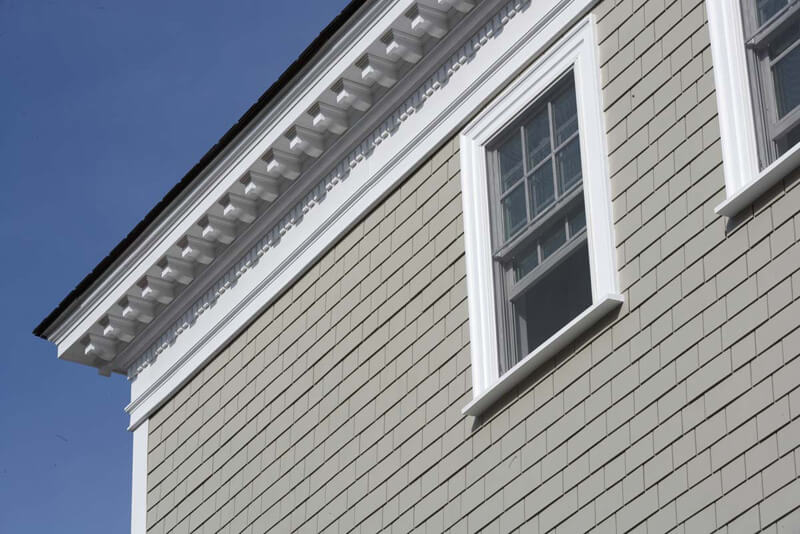
Wait, foam? Like packing peanuts? Not exactly. We are talking about high-density polystyrene or urethane foam moldings. These are often used for exterior cornices and ceiling medallions, but they work great for interior radius trim too. The advantage here is weight. They are feather-light. You can install them with just construction adhesive and a few pins. No heavy nail guns needed.
This is perfect for delicate curves or intricate designs that would be a nightmare to carve out of wood. You can buy these in long strips and cut them to size, or order custom shapes online. The customization options are endless because foam is easy to machine. Want a weird, organic curve that doesn’t fit a standard circle? Foam can do it. And it’s cheap. Really cheap.
The trick with foam is finishing. You can’t just paint it raw. It needs to be sealed. Usually, you apply a coat of joint compound or a specific primer-sealer to harden the surface. Once that’s done, you sand it smooth and paint. If you do it right, it looks just like plaster or wood. If you rush it, it looks like… well, foam. So take your time with the prep. But for those tricky, non-standard radii, foam is often the only affordable option.
Vinyl Wraps and Veneer Skins
What if you absolutely, positively need the look of real wood grain? Maybe you are doing a mid-century modern remodel and need teak or walnut curves. Staining PVC won’t cut it. Kerfing pine won’t look right. This is where veneer skins come in.
Here is the play. You build your curve out of something cheap and stable, like MDF or even layered cardboard for very light applications. Then, you wrap it in real wood veneer. Wood veneer is thin slices of real wood, flexible enough to bend around moderate curves. You glue it on, sand it, and stain it. The result is genuine wood appearance.
In 2026, veneer technology has improved. You can find pre-backed veneers that are easier to handle. They don’t tear as easily. And there are even vinyl wraps that mimic wood grain surprisingly well. High-quality architectural vinyls have textured surfaces that feel like wood. They aren’t real, but from three feet away, they are convincing. This approach lets you get the color and grain you want without paying for solid exotic hardwoods. It’s a bit more labor-intensive, but the material cost is low. You are paying for your time, not the lumber.
Okay, so you’ve picked your material. Now what? Installing curved trim is different than straight trim. You can’t just whack it with a hammer and hope for the best. First, measure twice. Actually, measure three times. Curves are unforgiving. A quarter-inch error in a straight line is noticeable. A quarter-inch error in a curve creates a gap that looks like a canyon.
Use the right adhesive. For PVC and foam, construction adhesive is your best friend. It fills small gaps and holds strong. For wood and MDF, use wood glue plus nails. But don’t over-nail. Curved trim can split if you pound too many nails into it. Pre-drill your holes if you are using solid wood or dense MDF. It takes an extra minute but saves a lot of headache.
And don’t forget the caulk. No matter how careful you are, there will be tiny gaps between the trim and the wall. Use a paintable, flexible caulk. Run a bead along the top and bottom edges, then smooth it with a wet finger. This hides the imperfections and makes the transition look seamless. It’s the secret ingredient that makes DIY trim look pro. Take your time with this step. It’s the difference between "good enough" and "wow."
So, there you have it. You don’t need a trust fund to add some elegance to your home. Whether you go with flexible PVC, kerfed pine, MDF, foam, or veneer-wrapped curves, there is a solution for every budget and skill level. The key is to stop thinking of "custom wood" as the only option. It’s not. It’s just the most expensive one. By opening your mind to alternatives, you can save money, reduce waste, and still get that beautiful, flowing look you dreamed of.
Renovating is stressful. I get it. But tackling a tricky detail like radius molding doesn’t have to be the thing that breaks the bank or your spirit. Pick the method that fits your skills. If you love detailed work, try kerfing. If you want speed, go with PVC. If you need a weird shape, try foam. Just remember, perfection is boring. A little character, a little human touch, that’s what makes a house a home. Now go grab some tools and start bending.