There is nothing quite like that moment when you finally sink into a hammock. The world slows down. The noise of the day fades away. But if your stand wobbles, creaks, or looks like it’s seen better days, that peace shatters instantly. You spend more time worrying about safety than enjoying the sway. It’s frustrating, right? We’ve all been there. Maybe you bought a cheap metal frame that rusted after one rainy season. Or perhaps you tried building something yourself with whatever lumber was on sale, only to watch it warp within months.
Choosing the right wood isn’t just about aesthetics. It’s about trust. You need to trust that the structure holding you up is solid. In 2026, we have more options than ever, but that also means more confusion. Do you go for the expensive exotic hardwoods? Is treated pine actually safe and durable enough? What about those new composite materials everyone is talking about? This guide cuts through the noise. We’re going to look at what really matters when picking timber for your outdoor sanctuary. No fluff. Just real talk about grain, density, and how to keep your investment standing tall for years to come.
Understanding the Enemy: Weather and Weight
Before we dive into specific tree names, let’s talk about what your hammock stand is up against. It’s not just sitting in a climate-controlled living room. It’s outside. That means it faces sun, rain, snow, and humidity swings. Wood is a living material, even after it’s cut. It breathes. When it gets wet, it swells. When it dries out, it shrinks. This constant movement is what causes cracking and warping. If you pick a wood that can’t handle this cycle, your stand will twist out of shape. And a twisted stand is a dangerous stand.
Then there is the weight factor. A hammock stand takes dynamic load. It’s not just static weight like a bookshelf. When you get in, there’s momentum. When you swing, there’s force. The wood needs high bending strength and stiffness. Softwoods might look fine initially, but under constant stress, they can fatigue. You want a species with good structural integrity. Think of it like choosing shoes for a hike. You wouldn’t wear flimsy sandals on a rocky trail. You need something built for the terrain. Same logic applies here. The "terrain" is gravity and weather.
Don’t forget insects and rot. In many parts of the world, termites and carpenter ants are looking for an easy meal. Some woods have natural oils and tannins that repel these pests. Others are like an open buffet. If you live in a humid area, fungal decay is also a huge risk. This is why heartwood—the darker, inner part of the tree—is usually preferred over sapwood. Heartwood is denser and naturally more resistant. Knowing your local environment helps narrow down the list. What works in dry Arizona might fail miserably in humid Florida. Context is king.
The Gold Standard: Teak and Ipe
If budget is not your primary concern, Teak is often considered the king of outdoor woods. Why? It’s packed with natural oils and rubber. These oils act as a built-in preservative. Water beads right off. Insects hate it. Teak stands can last decades with minimal care. In fact, many people prefer the look of aged teak, which turns a silvery-gray over time. You don’t even need to seal it, though many do to keep the golden-brown color. It’s heavy, stable, and incredibly strong. For a hammock stand, this is top-tier performance. But be warned: it’s pricey. And because of sustainability concerns, make sure you’re buying from certified sources like FSC-certified forests.
Ipe (pronounced ee-pay) is another heavyweight contender. Often called Brazilian Walnut, it’s extremely dense and hard. It’s so dense that it sinks in water. This makes it nearly impervious to rot and insects. It’s a favorite for decking and heavy-duty outdoor structures. An Ipe hammock stand will feel rock solid. There’s no flex, no give. Just pure stability. However, working with Ipe can be tough. It dulls saw blades quickly and requires pre-drilling for screws. But once it’s built, it’s a tank. Like Teak, it weathers to a gray patina if left untreated. If you want that rich dark brown look, you’ll need to oil it regularly.
Both Teak and Ipe represent the high end of the market. They are investments. You pay more upfront, but you likely won’t replace the stand for twenty years or more. For many, that math makes sense. It’s buy it for life. Plus, the aesthetic appeal is undeniable. These woods have a richness and depth that cheaper alternatives just can’t match. If you’re building a centerpiece for your garden, these are the choices that scream quality. Just remember to check local availability. Supply chains have been tricky in recent years, so prices can fluctuate wildly depending on where you live.
The Smart Middle Ground: Cedar and Redwood
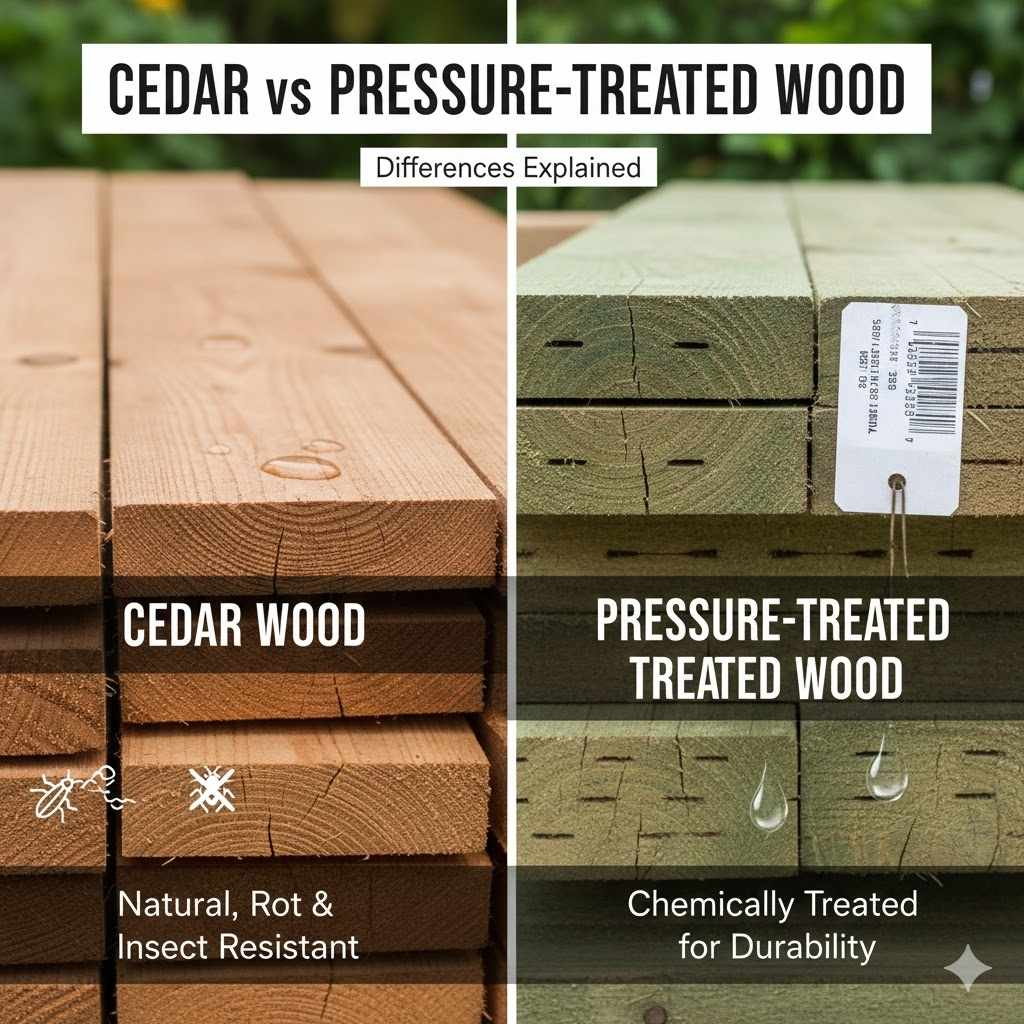
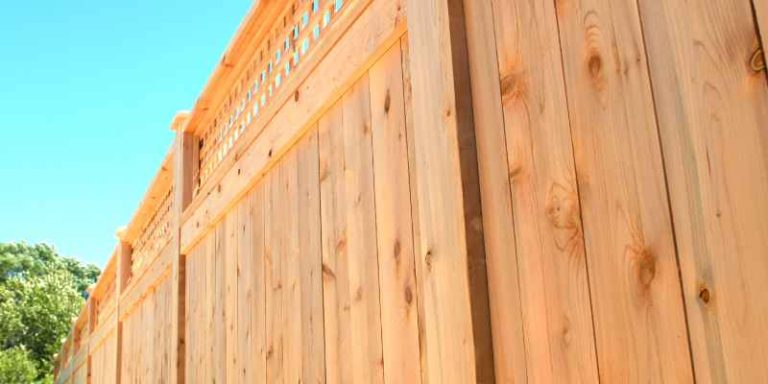
Not everyone wants to spend a fortune on Teak. That’s where Western Red Cedar and Redwood come in. These are softwoods, but don’t let that fool you. They have excellent natural decay resistance. Cedar contains thujaplicins, natural chemicals that fight off rot and bugs. It’s also lightweight and easy to work with. If you’re DIYing your stand, Cedar is a dream. It cuts smoothly and holds screws well. It has a beautiful aromatic scent too. Many people love the smell of cedar in their backyard. It adds to the sensory experience of relaxing in your hammock.
Redwood is similar to Cedar but often slightly more durable and stable. It’s native to the West Coast of the US, so if you’re in that region, it’s often more affordable due to lower transport costs. Both woods are dimensionally stable, meaning they don’t warp or shrink as much as other softwoods. This is crucial for a hammock stand where joint integrity is key. If the wood moves too much, bolts can loosen. Cedar and Redwood stay put. They also take stains and seals very well if you want to change their color or add extra protection.
The downside? They are softer than hardwoods. They can dent or scratch more easily. If you have kids or pets who might bang into the stand, you might see some marks over time. Also, while they are rot-resistant, they aren’t rot-proof. In very wet climates, they still benefit from a protective finish. Regular maintenance, like cleaning and re-sealing every couple of years, will keep them looking fresh. For most homeowners, this is the sweet spot. Good durability, reasonable price, and easy to find at most lumber yards. It’s a balanced choice that doesn’t compromise too much on either cost or quality.
Budget-Friendly Options: Treated Pine and Acacia
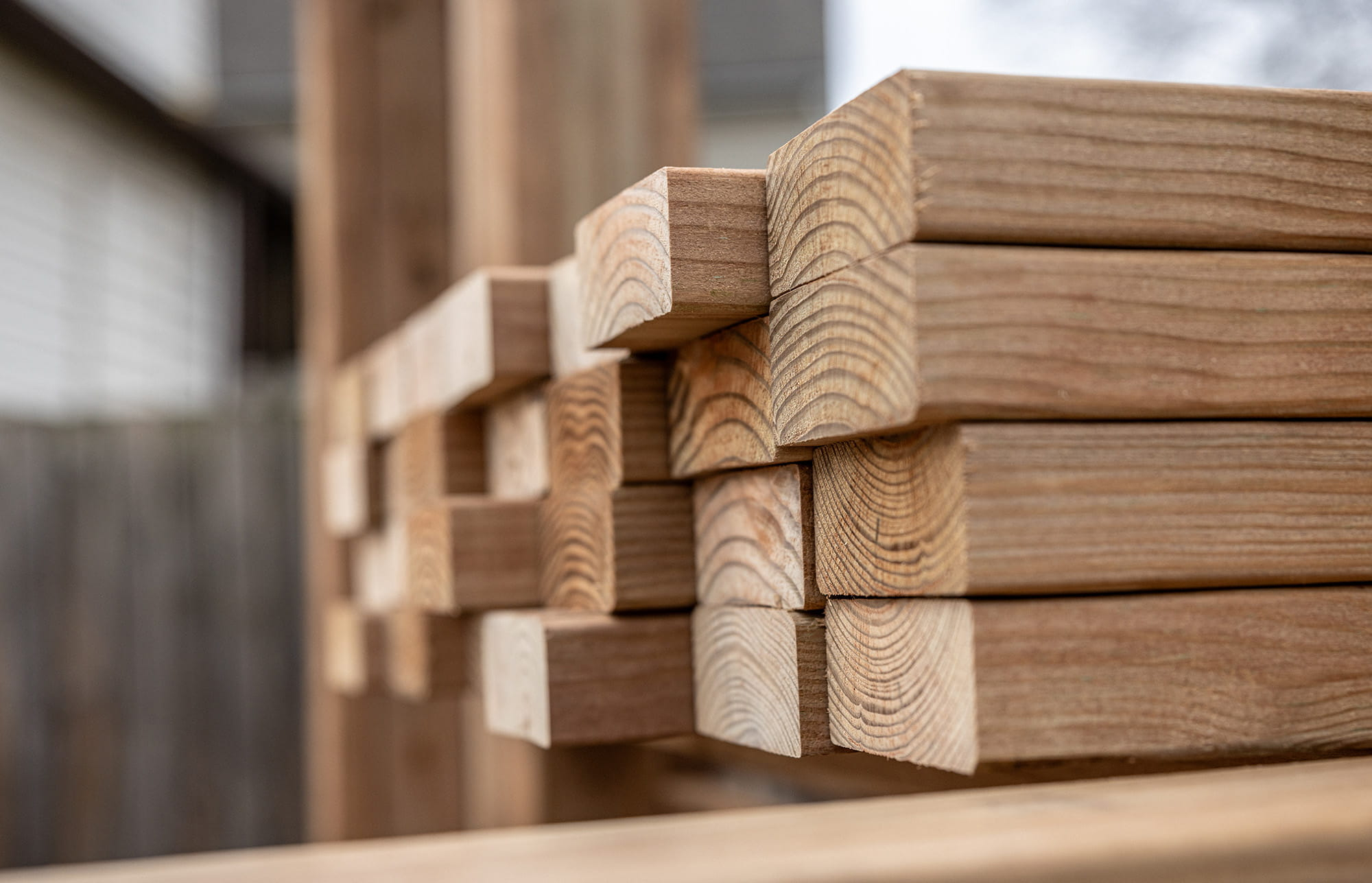
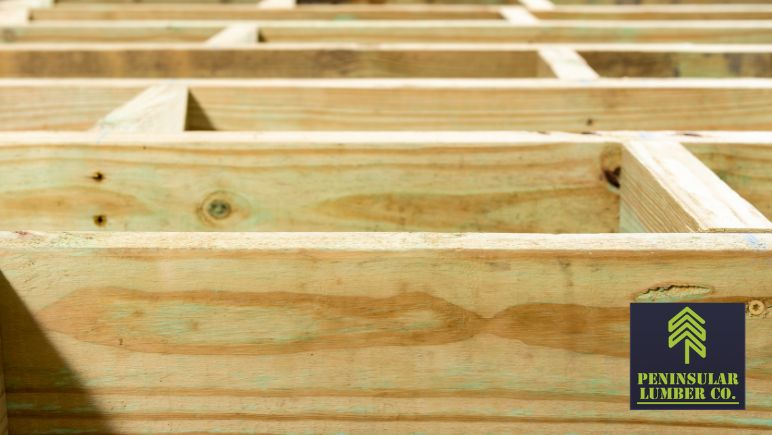
Let’s talk about budget. Sometimes you just need a functional stand without breaking the bank. Pressure-treated pine is the most common option here. Modern treatment processes use copper-based compounds that are much safer than the old arsenic-heavy formulas. This wood is infused with preservatives under high pressure, forcing the chemicals deep into the grain. It’s highly resistant to rot and insects. It’s also cheap and widely available. You can build a sturdy pine stand for a fraction of the cost of Teak. But there are trade-offs.
Treated pine is often wet when you buy it. As it dries out, it can warp, twist, or crack. It’s crucial to let it acclimate before building, or use construction techniques that allow for some movement. Also, the chemical treatment can corrode standard metal fasteners. You must use hot-dipped galvanized or stainless steel hardware. Otherwise, your bolts will rust and weaken the structure. Aesthetically, it has a greenish tint initially, which fades to gray. Many people paint or stain it, but you need to wait for it to dry out completely first. It’s a project that requires patience.
Acacia is another budget-friendly hardwood option gaining popularity in 2026. It’s often imported from Southeast Asia or South America. It’s harder and more durable than pine, with a nice grain pattern that resembles Teak. It’s naturally resistant to water and wear. However, quality can vary wildly between suppliers. Some Acacia is harvested young and isn’t as dense. It’s important to buy from reputable dealers. Also, Acacia can be prone to checking (small cracks) if not sealed properly. It’s a good middle ground between pine and premium hardwoods, offering a nicer look than pine at a lower cost than Teak. Just do your homework on the source.
Sustainability and Ethical Sourcing
In 2026, we can’t talk about wood without talking about where it comes from. Deforestation is a real issue. Choosing sustainable wood isn’t just good for the planet; it’s often a sign of higher quality. Look for certifications like FSC (Forest Stewardship Council) or PEFC. These labels ensure the wood was harvested responsibly, with respect for local communities and ecosystems. When you buy FSC-certified Teak or Ipe, you know it wasn’t taken from an illegal logging operation. This matters. It gives you peace of mind along with your relaxation.
Local sourcing is another great angle. Using wood native to your region reduces carbon footprint from transportation. It also means the wood is naturally adapted to your local climate. For example, if you’re in the Pacific Northwest, using local Douglas Fir (properly treated) or Cedar makes sense. If you’re in the South, maybe Cypress is a good local option. Supporting local mills also helps your community economy. It’s a win-win. Plus, local wood often has a unique character and story that imported mass-produced lumber lacks.
Avoid endangered species. Some exotic woods are threatened due to overharvesting. Always check the CITES list if you’re considering rare imports. Responsible builders avoid these materials entirely. There are plenty of excellent alternatives that don’t contribute to ecological damage. Bamboo is another option to consider, though technically a grass. It grows fast and is very strong. Engineered bamboo products are becoming more common for outdoor use. They offer a modern look and high sustainability credentials. Just ensure the adhesives used in engineered products are waterproof and non-toxic.
Even the best wood needs some love. Neglect is the number one killer of outdoor furniture. But maintenance doesn’t have to be a chore. It can be a ritual. Start with the finish. Whether you choose oil, stain, or sealant, apply it correctly. Clean the wood thoroughly before applying anything. Use a wood cleaner to remove mildew and dirt. Let it dry completely. Then apply your chosen product. For Teak and Ipe, a specialized teak oil can maintain the color. For Cedar and Pine, a semi-transparent stain allows the grain to show while protecting against UV rays. UV rays break down lignin, the glue that holds wood fibers together, causing graying and surface degradation.
Inspect your stand regularly. At least twice a year, give it a once-over. Check for loose bolts or screws. Tighten them up. Look for signs of cracking or splintering. Small cracks can be filled with exterior-grade wood filler. Sand down any rough spots to prevent splinters. Pay attention to the feet of the stand. If they sit directly on soil or grass, they will rot faster. Use concrete pavers or gravel pads to keep the wood off the ground. This simple step can double the life of your stand. Air circulation is key. Don’t let leaves and debris pile up around the base.
In harsh winters, consider covering your stand or storing it indoors if possible. Even weather-resistant wood suffers from freeze-thaw cycles. A simple breathable cover can protect it from snow and ice buildup. If you can’t move it, make sure the cover doesn’t trap moisture against the wood. Trapped moisture leads to mold. Also, avoid using harsh pressure washers. High pressure can damage the wood fibers and force water deep into the grain. A garden hose and a soft brush are usually enough. Gentle care yields long-term results. It’s about consistency, not intensity.
Choosing the right wood for your hammock stand is a blend of science and personal preference. You have to balance durability, cost, aesthetics, and ethics. There is no single "best" wood for everyone. For some, the unmatched longevity of Teak is worth the premium. For others, the charm and ease of Cedar is perfect. And for those on a tight budget, treated pine done right can serve you well for many seasons. The key is understanding what each wood brings to the table and matching it to your specific needs and environment.
Think about how much time you want to spend on maintenance. Do you enjoy oiling wood twice a year? Or do you want something you can ignore? Be honest with yourself. A high-maintenance wood that gets neglected will fail faster than a low-maintenance wood that gets basic care. Also, consider the look you want. Do you like the rustic gray of weathered wood? Or the rich warmth of oiled hardwood? Your stand is part of your outdoor living space. It should reflect your style.
Ultimately, the goal is relaxation. You want a stand that disappears into the background, providing silent, sturdy support so you can focus on the sky, the breeze, and your own thoughts. By choosing wisely now, you invest in countless hours of future peace. Take your time. Ask questions at the lumber yard. Feel the weight of the boards. Look at the grain. Make a choice that feels right. Then build it with care. Your future self, swinging gently in the shade, will thank you.