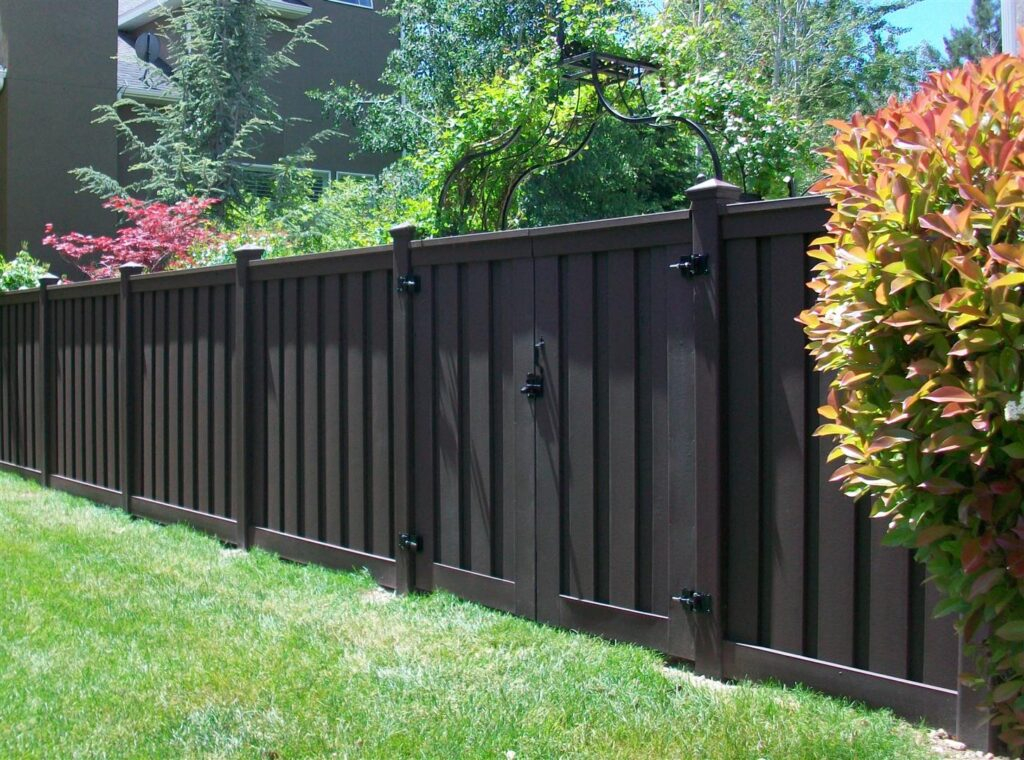
It started with a Saturday. You know the kind. The sun is beating down, the air is thick with humidity, and you’re standing there with a brush in one hand and a can of semi-transparent cedar stain in the other. Your back hurts. Your knees are cracking. And you’re staring at a section of fence that looks less like a boundary marker and more like a sponge that’s been left out in the rain for a decade.
I loved the idea of wood. I really did. There’s something primal and warm about natural timber. It smells good when it’s fresh. It feels solid. But loving it and living with it turned out to be two very different things. By the time I finished that last panel, sweating through my shirt and wondering if I’d missed a spot near the bottom post, I realized I wasn’t building a legacy. I was signing up for a part-time job I didn’t apply for.
That was the moment. The switch wasn’t instant, but the decision was. I tore out the rotting cedar posts and called a contractor to install composite fencing. It’s been a few years now, and looking back, it’s not just about laziness. It’s about reclaiming my weekends. It’s about knowing that when I look out my window in 2026, the barrier around my yard isn’t fighting a losing battle against nature. It’s just… there. Doing its job. Quietly.
The Romance of Rotting Wood
Let’s be real for a second. Wood fencing has a charm that’s hard to replicate. When you first put it up, or right after you’ve stained it, it looks incredible. It blends into the landscape. It has texture. Grain. Character. For decades, this was the only real choice for homeowners who wanted privacy without feeling like they lived in a plastic bubble.
But that charm has a shelf life. And it’s short.
I spent years chasing that "new fence" look. Every two or three years, I’d power wash the old gray off, let it dry for days (because if you stain wet wood, you’re basically wasting money), and then apply fresh coat after fresh coat. I learned the hard way that wood is alive, even after it’s cut. It breathes. It expands when it rains and shrinks when it’s hot. This movement causes cracks. Splinters. Warping.
And then there’s the rot. No matter how good your stain is, water finds a way. It pools at the base of the posts. It seeps into end grains. Before I knew it, I had sections of my fence that were soft to the touch. Poking a screwdriver into a post and watching it sink in like butter is a special kind of heartbreak. You realize that all that effort, all that money on premium cedar or pressure-treated pine, is slowly turning into mulch.
The versatility of wood is unmatched, sure. You can build a picket fence, a split rail, a shadow box style. But by 2026, the question isn’t just about what it looks like day one. It’s about what it looks like day one thousand. And for wood, day one thousand usually looks tired.
The Composite Promise: Hype or Reality?
When composite fencing first hit the market, people were skeptical. It felt like decking material slapped onto a fence post. Early versions faded weirdly or got moldy in shady spots. But the tech has come a long way since the late 20th century origins mentioned in industry guides. Today’s composite isn’t just plastic. It’s a sophisticated blend of wood fibers and recycled plastics, engineered to handle what nature throws at it.
The main selling point? Longevity.
Most sources now agree that while a well-maintained wood fence might last 10 to 20 years (with lots of love), composite fencing is built to go the distance. We’re talking 20 to 30 years, easily. Some manufacturers even push toward the 50-year mark if you’re gentle with it. That’s a huge difference. It means you install it once, and you likely won’t have to think about replacing it until your kids are grown and moved out.
But it’s not just about lasting longer. It’s about resisting the things that kill wood. Rot? Composite doesn’t rot. Termites? They don’t eat plastic. Harsh weather? It handles UV rays and heavy rain without warping or cracking the way timber does.
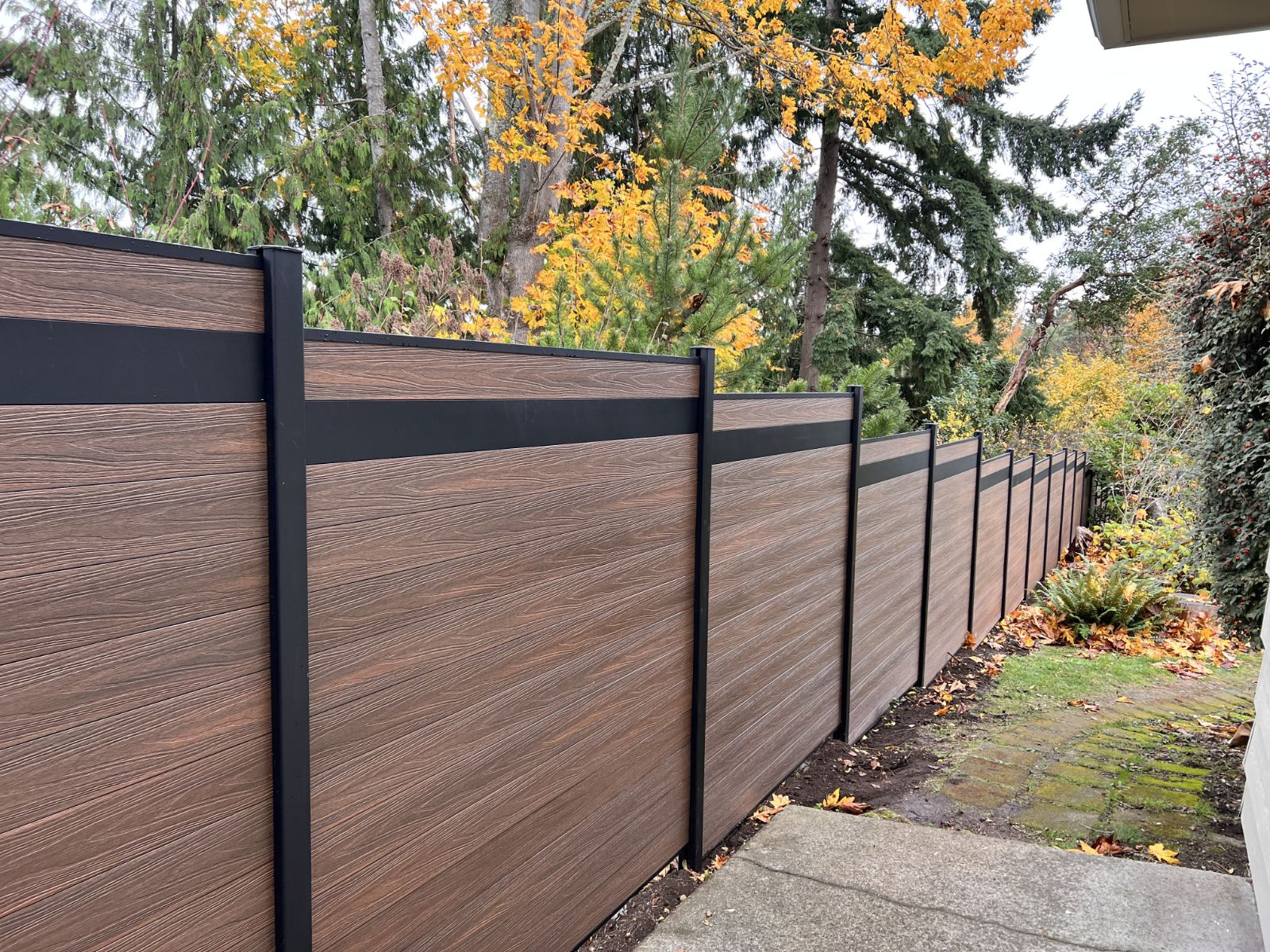
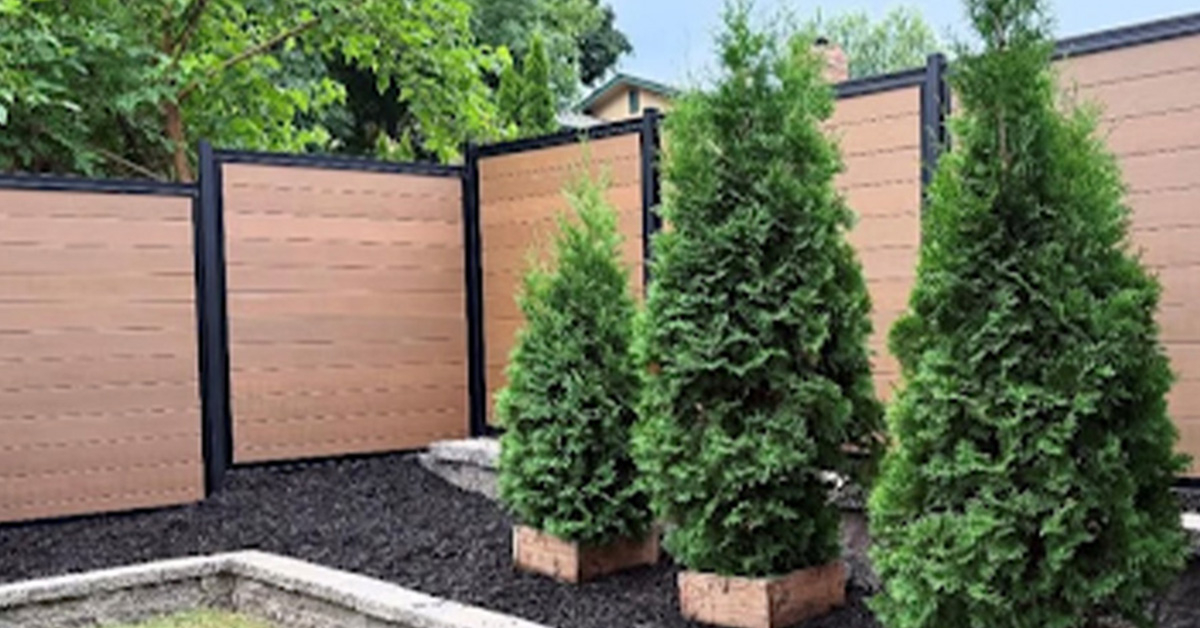
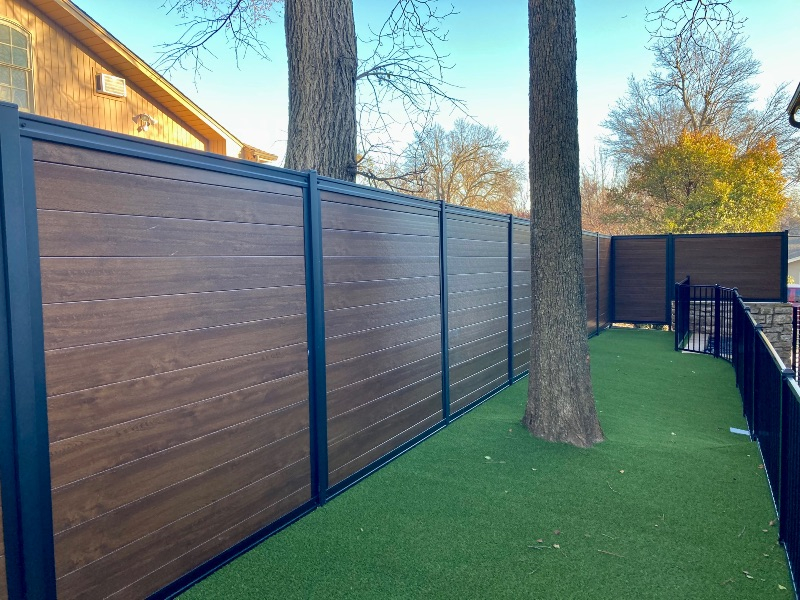
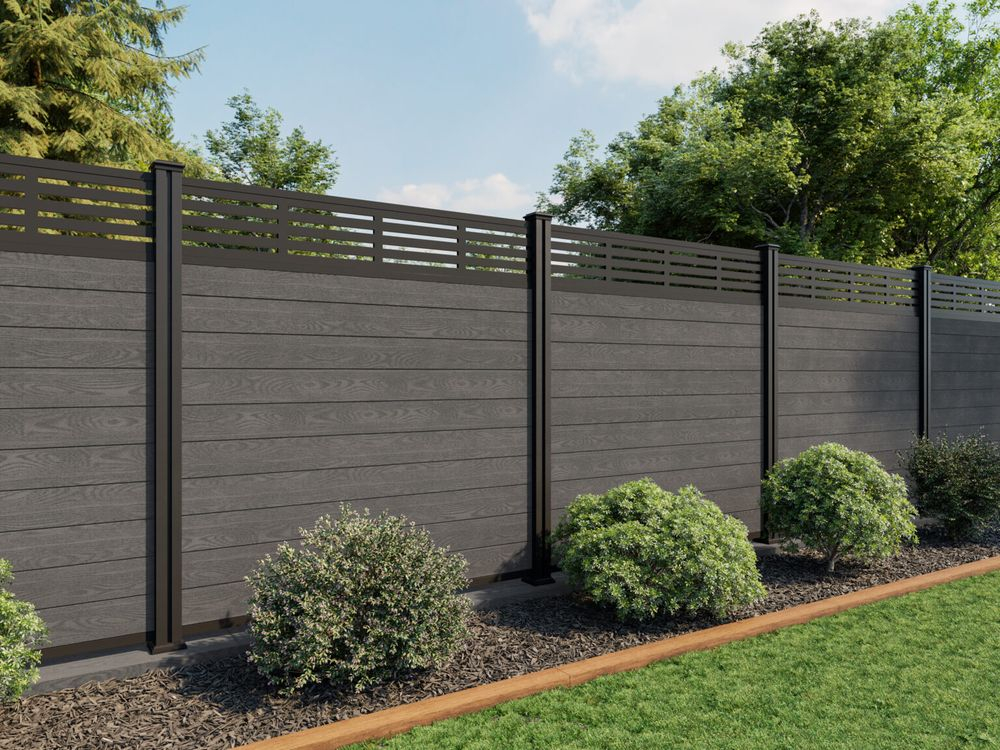
I was worried it would look fake. That’s a common fear. But modern composites have textured surfaces that mimic wood grain surprisingly well. They come in varied tones—grays, browns, even whites—that don’t look flat or shiny. They look substantial. When I ran my hand along my new composite panels, it didn’t feel cold or slick. It had a bit of grip. A bit of warmth. It fooled my neighbors, at least for a while.
The Maintenance Myth vs. The Weekend Reality
Here is where the rubber meets the road. Or rather, where the brush meets the wood.
With wood, maintenance is a cycle. It’s inevitable. You stain it, it fades. You wash it, it gets dirty again. You fix a loose board, another one pops out. It’s a treadmill. In contrast, composite fencing asks almost nothing of you. And I mean almost.
Occasional cleaning is usually enough. A garden hose. Maybe some soapy water if there’s bird droppings or pollen buildup. That’s it. No sanding. No scraping. No waiting for drying windows between rainstorms.
Think about what that frees up.
For me, it meant my Saturdays came back. Instead of spending eight hours prepping and staining, I could actually use my backyard. I could grill. I could read. I could just sit there and watch the dogs run around without worrying that they’d get splinters from a rough patch on the lower rail.
Some people argue that wood is "easier" to repair because you can just swap out a single board. And yeah, that’s true. If a dog runs through a wooden fence, you can nail in a new picket pretty quickly. With composite, if a panel gets damaged, you might need to replace the whole section. But let’s be honest: how often does that actually happen? In five years, I haven’t had a single panel break. Not one. The durability is such that the "repairability" of wood becomes a solution to a problem I no longer have.
The trade-off is clear. Wood gives you easy repairs but constant upkeep. Composite gives you zero upkeep but harder repairs. For most of us, the daily reality favors the latter. We’d rather deal with a rare, big fix than a constant, nagging chore.
The Sticker Shock: Breaking Down the Cost
Let’s talk money. Because this is usually the dealbreaker.
Composite fencing is expensive. There’s no sugarcoating it. Upfront, you will pay significantly more for composite materials and installation than you will for standard pressure-treated pine or even mid-range cedar. Depending on the brand and style, you could be looking at double or even triple the initial cost.
So why do it?
You have to look at the total cost of ownership. This is a concept we often ignore when buying things for our homes. We see the price tag today and forget the costs of tomorrow.
With wood, you’re paying for:
- The initial install.
- Stain or sealant every 2-3 years.
- Brushes, rollers, drop cloths.
- Power washer rental or purchase.
- Replacement boards for rot or damage.
- Your time. (And let’s put a value on that. Is your weekend worth $50 an hour? Probably more.)
Over a 20-year period, those costs add up. Fast. By year 10, you’ve likely spent half the original cost of the fence again just keeping it standing and looking decent. By year 20, you’re probably replacing the whole thing anyway because the posts are rotted out.
Composite costs more upfront, but your ongoing costs are near zero. No stain. No replacements. No labor. Over 20 or 30 years, the gap narrows. And when you factor in the increased property value from a low-maintenance, modern-looking fence, the investment starts to make sense. It’s not just a fence; it’s an asset that holds its value better than a decaying wooden one.
Aesthetic Evolution: Does It Look Good?
I’ll admit, I was hesitant about the look. Wood has a natural irregularity that’s pleasing to the eye. Every knot, every grain pattern is unique. Composite is manufactured. It’s consistent. Can consistency be beautiful?
In 2026, the answer is yes.
The technology behind composite coloring has improved drastically. Older composites used to fade unevenly, leaving blotchy patches. Newer formulations use cap-stock layers or full-through coloring that resists fading much better. They also incorporate realistic wood-grain embossing. From a distance, you genuinely can’t tell the difference. Up close, you can see it’s not real wood, but it doesn’t look "cheap." It looks refined.
Plus, there’s the color stability. My wood fence would turn gray within six months if I didn’t stain it. The gray wasn’t a nice, weathered silver; it was a dull, dirty slate color. My composite fence has stayed the same rich walnut tone since installation. Rain or shine. Summer heat or winter freeze.
There’s also a design flexibility now that didn’t exist before. You can get composite panels that mimic horizontal slats, vertical boards, or even stone textures. Brands like Trex and SimTek have expanded their lines to offer privacy styles that feel modern and sleek, rather than just "plastic alternatives."
However, wood still wins if you want a truly rustic, organic feel. If you’re going for a cottage-core vibe or a historic restoration, wood might still be the better aesthetic choice. Composite leans modern. It leans clean. If that fits your home’s style, it’s a perfect match. If you want rough-hewn charm, you might still miss the imperfections of timber.
Making the Switch: Practical Tips for 2026
If you’re on the fence (pun intended) about making the switch, here are a few things I learned the hard way. Or rather, things I learned by watching others stumble.
First, check your local HOA rules. Some neighborhoods still have strict guidelines about fencing materials. They might require wood or specific colors. Don’t buy anything until you’ve got that approval in writing. It’s a hassle, but it’s better than tearing it down later.
Second, choose the right brand. Not all composites are created equal. Look for warranties. A good composite fence should come with a 20+ year warranty against fading, staining, and structural defects. Read the fine print. Some warranties require you to clean the fence annually to stay valid. Keep those receipts!
Third, consider the installation. Composite is heavier than wood. It requires sturdy posts. Don’t skimp on the framing. Use metal or heavy-duty composite posts if available, or ensure your wooden posts are set deep and in concrete. The panels themselves are often modular, which makes installation faster, but the foundation needs to be rock solid.
Lastly, think about privacy. Composite panels are often solid, which is great for blocking noise and views. But solid panels can act like sails in high wind. Make sure your installer accounts for wind load, especially if you live in a storm-prone area. Adding slight gaps or using perforated designs can help, though most modern systems are engineered to handle standard wind loads without issue.
Making the switch isn’t just about buying a product. It’s about changing how you interact with your outdoor space. It’s a shift from maintenance to enjoyment. And honestly? That’s worth every penny.
So, was it worth it?
Absolutely.
Looking back at those Saturdays spent hunched over a bucket of stain, breathing in fumes, and scrubbing mildew off the bottom rails, I don’t miss it. Not even a little bit. The composite fence has done exactly what it promised. It’s stood there, quiet and strong, through three winters and three summers. It’s washed clean with a hose twice a year. It looks as good today as it did when the crew left.
Wood has its place. It’s traditional. It’s warm. And for some, the ritual of caring for it is part of the joy of homeownership. But for me, and for many others in 2026, the trade-off isn’t worth it. We want our homes to serve us, not the other way around.
Switching to composite wasn’t just a change in material. It was a change in mindset. It was deciding that my time is valuable. That my weekends are for living, not laboring. That I want a backyard that feels like a retreat, not a project list.
If you’re staring at your own weathered wood fence right now, feeling that familiar dread of the upcoming maintenance season, consider this your sign. You don’t have to keep chasing the gray. You can stop. You can switch. And you can finally sit down and enjoy the view.