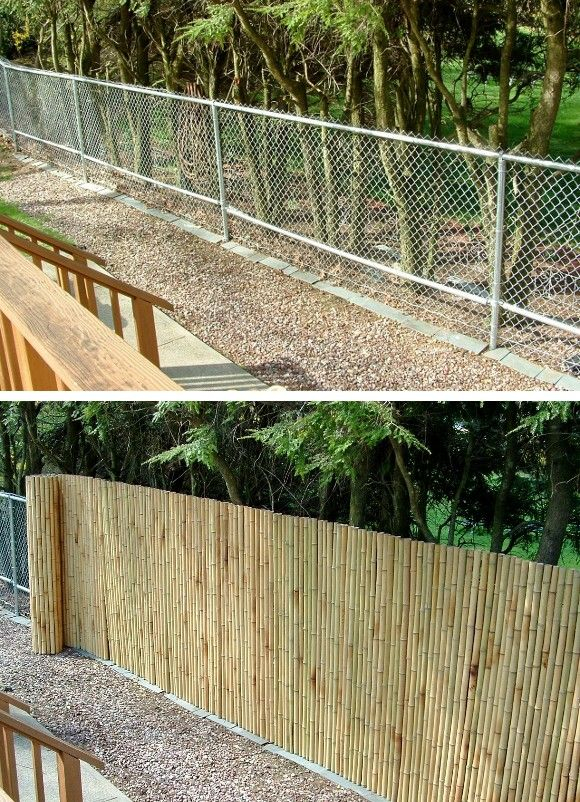
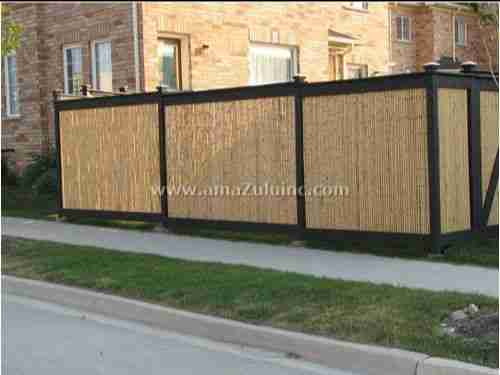
Let’s be honest for a second. Is there anything less inviting than the cold, industrial stare of a chain link fence? It feels like living inside a cage sometimes. You’re trying to enjoy your morning coffee or a quiet evening read, but you can feel eyes on you. Or maybe it’s just the wind rattling through those metal diamonds, reminding you that your yard isn’t really yours until it’s private. We’ve all been there. That utilitarian mesh is durable, sure, but it has zero soul. It doesn’t whisper "relax." It shouts "boundary."
But here’s the good news. You don’t need to tear it down. You don’t need to spend thousands on new wood panels that will rot in five years. In 2026, the trend is still strongly leaning toward sustainable, quick-fix solutions that look high-end but cost next to nothing. Enter the bamboo roll. It’s the secret weapon of backyard designers who know that privacy shouldn’t cost a fortune. With just a few hours of work and some simple tools, you can turn that eyesore into a lush, tropical-looking wall that makes your neighbors wonder if you hired a pro.
This isn’t just about hiding from the world. It’s about creating a space where you can actually breathe. Imagine stepping outside and being greeted by warm, natural tones instead of gray steel. The sound of the wind changes, too. It softens as it hits the reeds. It’s a small change, but it shifts the whole vibe of your home. Let’s dive into how you can make this happen, without the headache.
Why Bamboo Beats the Alternatives
When you start looking for ways to cover a fence, the options can feel overwhelming. Vinyl slats? They look plastic and cheap after a year. Artificial hedge mats? They trap heat and look fake from ten feet away. Wood panels are heavy, expensive, and require serious carpentry skills. Bamboo sits in this sweet spot. It’s natural, which means it ages gracefully. It doesn’t try to be something it’s not.
Cost is a huge factor here. According to recent data from fencing experts, covering a standard backyard section with bamboo rolls can cost between $50 and $200, depending on the size. Compare that to replacing a chain link fence with wood, which can easily run into the thousands. For a lot of homeowners in 2026, budget is tight. We want maximum impact for minimum spend. Bamboo delivers that. It’s lightweight, so you don’t need a team of people to lift it. One person can handle a roll easily.
There’s also the eco-angle. People are more conscious now about what they bring into their gardens. Bamboo is a grass, not a tree. It grows back incredibly fast. When you buy a roll, you’re using a renewable resource. It feels good to know your privacy screen isn’t contributing to deforestation. Plus, it adds texture. A flat vinyl screen is just a wall. Bamboo has depth. The poles vary slightly in thickness and color. It catches the light differently throughout the day. That visual interest matters more than you think when you’re staring at it every day.
Gathering Your Toolkit and Materials
Before you run out to the garden center, let’s talk about what you actually need. You might think you need fancy hardware, but you probably have most of this in your garage already. The key is keeping it simple. If you overcomplicate the attachment method, you’ll regret it later when you need to adjust or replace a section.
First, measure your fence. This sounds obvious, but people skip it all the time. Measure the height and the total length. Bamboo rolls usually come in standard heights like 4ft, 6ft, or 8ft. Make sure you buy rolls that are at least as tall as your fence, preferably an inch or two taller so you can trim the bottom if the ground is uneven. Don’t forget to account for gates! You’ll need separate, smaller pieces for those, or you can cut the rolls to fit.
Here’s your shopping list:
- Bamboo Rolls: Buy a little extra. It’s better to have leftovers than to run short. Look for "peeled" bamboo for a cleaner look, or natural for a rustic vibe.
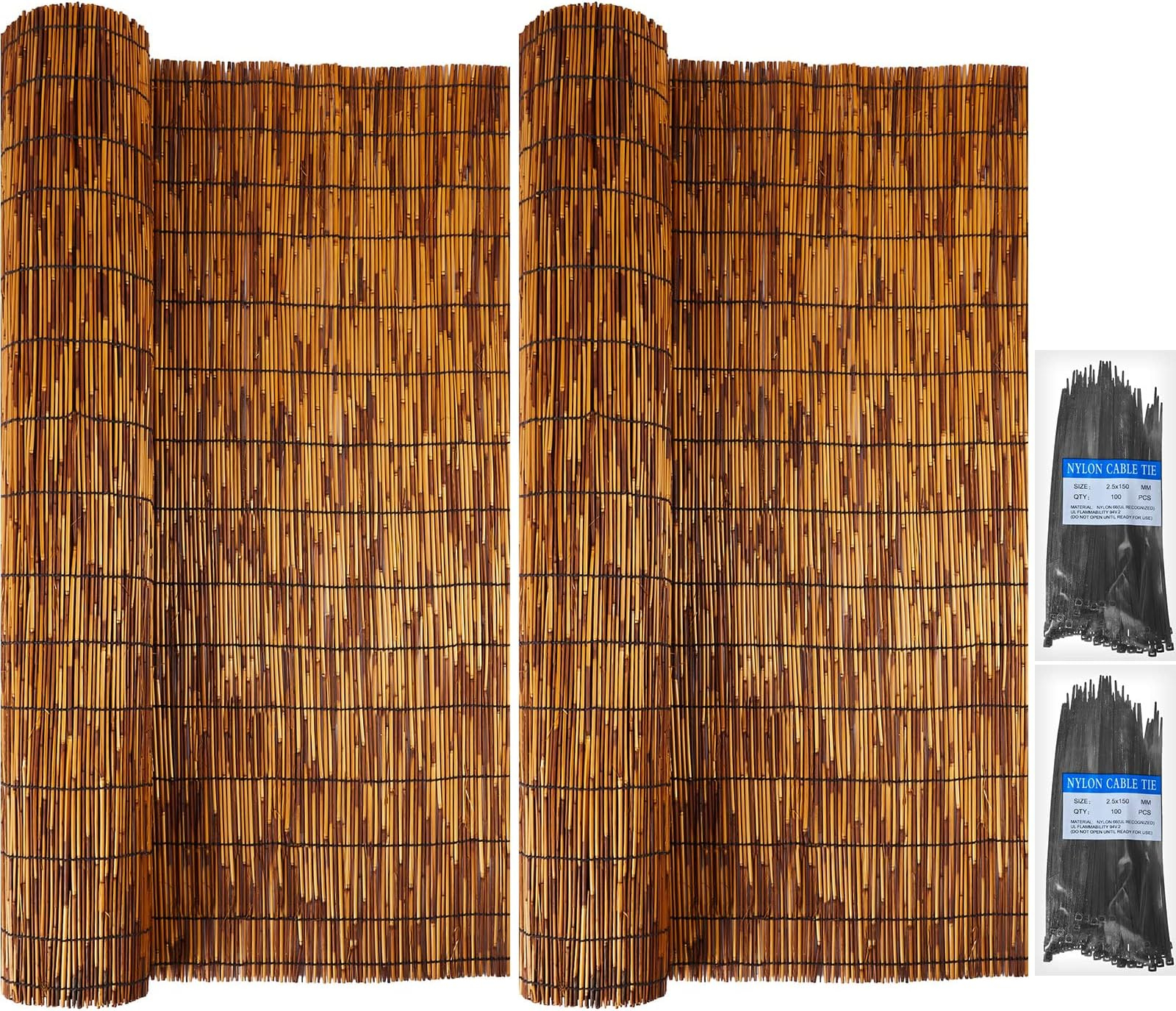
- Galvanized Steel Tie Wire: This is the gold standard. It’s strong, doesn’t rust quickly, and blends in with the bamboo color eventually. Avoid copper wire; it stains the bamboo green.
- Wire Cutters: You’ll need these to snip the tie wire.
- Pliers: Helpful for twisting the wire tight.
- Zip Ties (UV Resistant): Some people prefer these for speed. If you go this route, make sure they are rated for outdoor use. Regular zip ties will snap in the sun within months. Black ones look best.
- Measuring Tape: Essential for spacing.
One tip: Check the quality of the roll before you buy. Shake it gently. Does it feel solid? Are the reeds tightly packed? Loose rolls let too much light through, defeating the purpose of privacy. You want density. In 2026, many suppliers offer "double-thick" rolls specifically for privacy screens. Seek those out if your budget allows.
Prepping the Fence for Installation
You can’t just slap bamboo onto a dirty, rusty fence and expect it to last. Preparation is boring, I know. But it’s the difference between a job that lasts three years and one that falls apart in six months. Start by walking the perimeter. Look for any loose tension bars or broken links in the chain link. Fix those now. Once the bamboo is up, you won’t want to deal with underlying structural issues.
Give the fence a quick clean. You don’t need to power wash it, but a stiff brush to remove loose dirt, spiderwebs, and old leaves helps. If there’s significant rust, give those spots a quick wire-brush treatment. You want the surface where the tie wires will sit to be relatively smooth. Sharp, jagged rust spots can cut your tie wires or zip ties over time as the wind moves the bamboo.
Check the ground level along the fence line. Is it sloped? Bamboo rolls are rigid. If your ground dips significantly, you’ll have gaps at the bottom. This is where pets love to dig under, or where neighbors can peek through. If you have a slope, plan to trim the bottom of the bamboo roll to follow the contour of the land, or accept that you might need to add some landscaping rocks or plants at the base to fill the voids. It’s easier to address this now than after you’ve wired everything up.
Also, decide on your orientation. Most people attach the bamboo to the inside of the fence, facing their yard. This protects the binding wire from weather and makes the smooth side visible to you. However, if you want the rougher, more natural look facing inward, you can flip it. Just remember that the binding wire (usually galvanized steel) will be visible on the outside. If your neighbors are close, consider their view too. A little courtesy goes a long way.
The Step-by-Step Attachment Process
Alright, let’s get to the actual work. Unroll your first section of bamboo. Lay it flat against the fence to see how it fits. Don’t unroll the whole thing at once if it’s long; it’s unwieldy. Start at one end, preferably near a post or a corner. This gives you a solid anchor point.
The general rule of thumb, backed by pros like those at ezgardentips, is to secure the bamboo every 12 inches. This spacing provides enough support to keep the roll from sagging or blowing away in a storm, without using an excessive amount of wire. Start at the top. Thread your galvanized tie wire through the chain link mesh and around the horizontal binding wire of the bamboo roll. Twist it tight with your pliers. Snip off the excess wire ends so they don’t poke out. Safety first.
Work your way down. Top, middle, bottom. Then move horizontally along the fence. Alternate your positioning slightly if you want extra stability, but keeping a straight line looks neater. If you’re using zip ties, the process is faster. Loop them through, pull tight, and snip. But remember, zip ties can loosen over time with temperature changes. Wire is more permanent. If you’re doing a large area, wire is worth the extra effort.
When you reach the end of a roll, overlap the next roll by at least one or two vertical reeds. This prevents a visible seam where light can leak through. Secure the overlapping section heavily. You don’t want wind getting between the layers and peeling them apart. It’s like shingling a roof. Overlap is your friend. Take your time here. Rushing leads to gaps. And gaps mean less privacy.
For gates, measure carefully. You might need to cut the bamboo roll to size. Use bolt cutters or heavy-duty shears to snip the vertical reeds and the horizontal binding wires. It’s a bit tricky, but manageable. Attach the cut piece to the gate frame using the same method. Ensure the gate can still open and close freely without the bamboo dragging on the ground or hitting the latch.
Styling and Softening the Edges
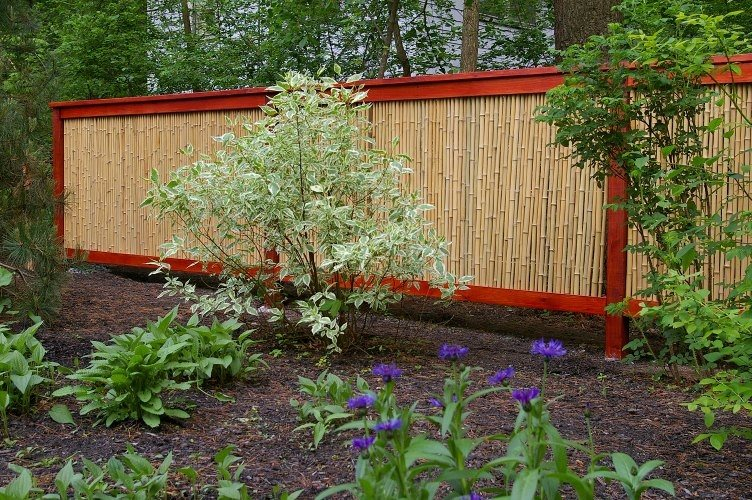
Once the bamboo is up, you might notice it looks a bit… stark. It’s a wall of sticks. To truly create an oasis, you need to soften it. This is where the magic happens. The bamboo is the canvas, but plants are the paint. In 2026, the focus is on integrating living elements with static structures.
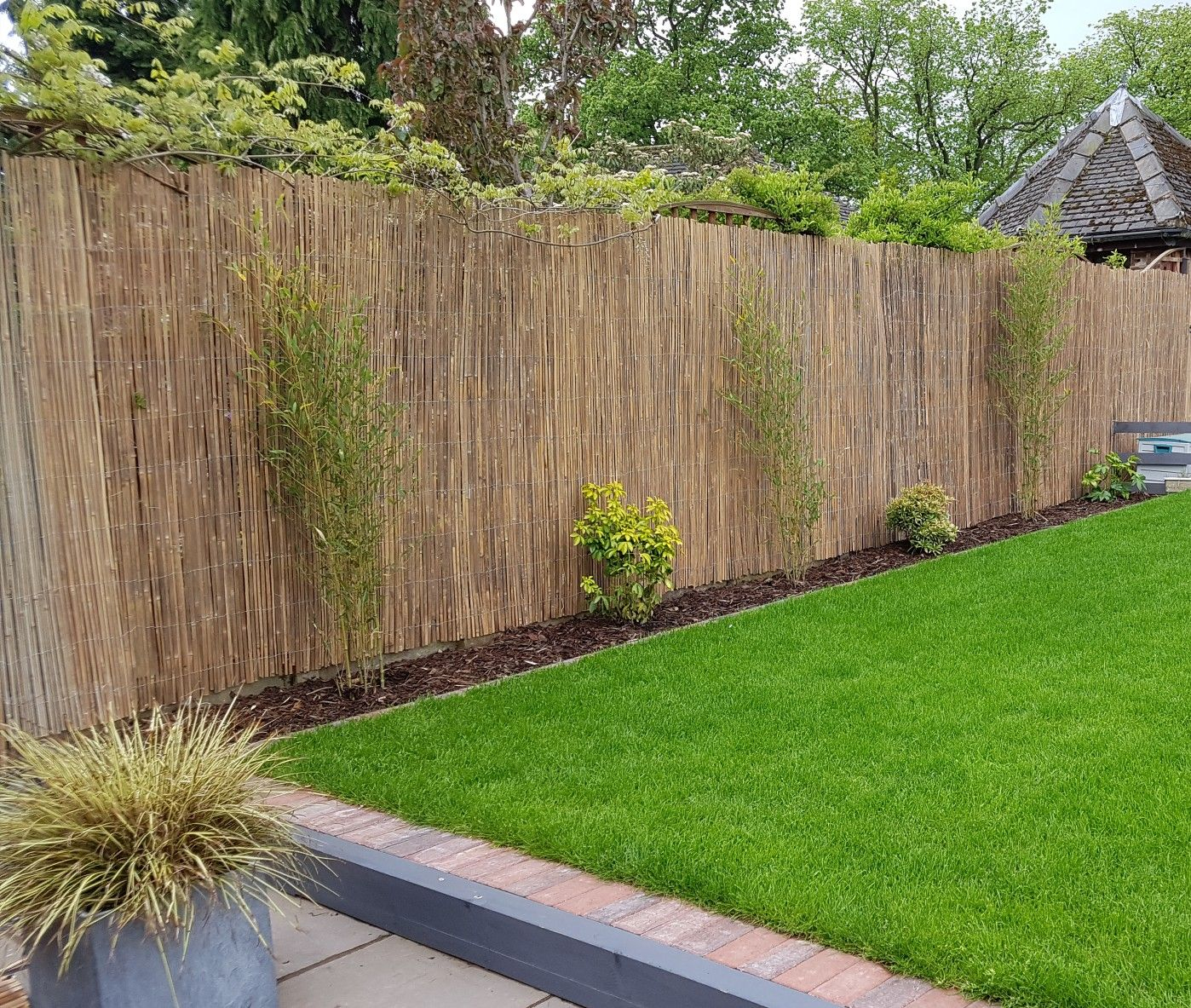
Plant climbing vines at the base. Jasmine, clematis, or even hardy ivy can weave through the bamboo. Over time, they’ll grow up and add greenery, flowers, and scent. This breaks up the monotony of the yellow-brown bamboo. It makes the fence feel alive. If you don’t have green thumbs, fake vines have come a long way. High-quality artificial greenery mixed in can add pops of color without the maintenance.
Lighting is another game-changer. String lights draped along the top of the bamboo, or solar-powered spotlights aimed up from the ground, create ambiance at night. The texture of bamboo catches light beautifully. It creates shadows and depth that a flat fence never could. Think about where you sit in the evening. Place lights to highlight that area.
Consider adding a trellis or shelf system on top of the bamboo if you want to display potted plants. Since the bamboo is attached to a sturdy chain link frame, it can hold some weight. Just don’t overload it. Small ferns or succulents in hanging pots can dangle down, further breaking up the vertical lines. It turns a barrier into a feature wall.
Don’t forget the ground. Mulch or gravel along the base of the fence hides any uneven cuts and keeps mud from splashing up onto the lower reeds during rain. It keeps the installation looking clean and intentional. A tidy edge makes the whole project look professional, even if you did it yourself on a Saturday afternoon.
Bamboo is low maintenance, but it’s not no maintenance. If you ignore it, it will degrade. The sun is the biggest enemy. UV rays dry out the bamboo, causing it to gray and become brittle. To combat this, apply a protective sealant or oil once a year. There are specific bamboo oils available, or you can use a clear exterior wood stain. This preserves the golden color and adds a layer of water resistance.
Check your ties twice a year. Spring and fall are good times. Wind can loosen wires or snap zip ties. Tighten anything that’s slack. Replace any broken ties immediately. If a section of bamboo gets damaged—maybe a branch fell on it—you can patch it. You don’t need to replace the whole roll. Just cut out the damaged section and wire in a new piece. It’s modular, which is a huge advantage.
In wet climates, watch for mold or mildew. It’s rare, but if the bamboo stays damp for long periods, it can happen. A quick spray with a vinegar-water solution usually clears it up. Avoid harsh chemicals that might strip the natural oils.
If you live in an area with heavy snow, be aware that snow accumulation can weigh down the top of the fence. Bamboo is flexible, but too much weight can bend the binding wires. Brush heavy snow off if possible. It’s a small effort that extends the life of your screen significantly.
With proper care, a bamboo screen on chain link can last 5 to 10 years. That’s a decade of privacy for a fraction of the cost of traditional fencing. And when it does eventually wear out, it’s biodegradable. You can compost it or use it for garden stakes. Nothing goes to waste. That’s the beauty of working with natural materials.
So, there you have it. A private oasis doesn’t require a contractor or a loan. It requires a weekend, some wire, and a willingness to get your hands dirty. The transformation is immediate. The moment that last tie is twisted, the feeling of exposure vanishes. You’re left with a space that feels enclosed, safe, and serene. It’s your yard again. Not just a plot of land, but a retreat. Go ahead. Give it a try. Your future self, sipping coffee in peace, will thank you.