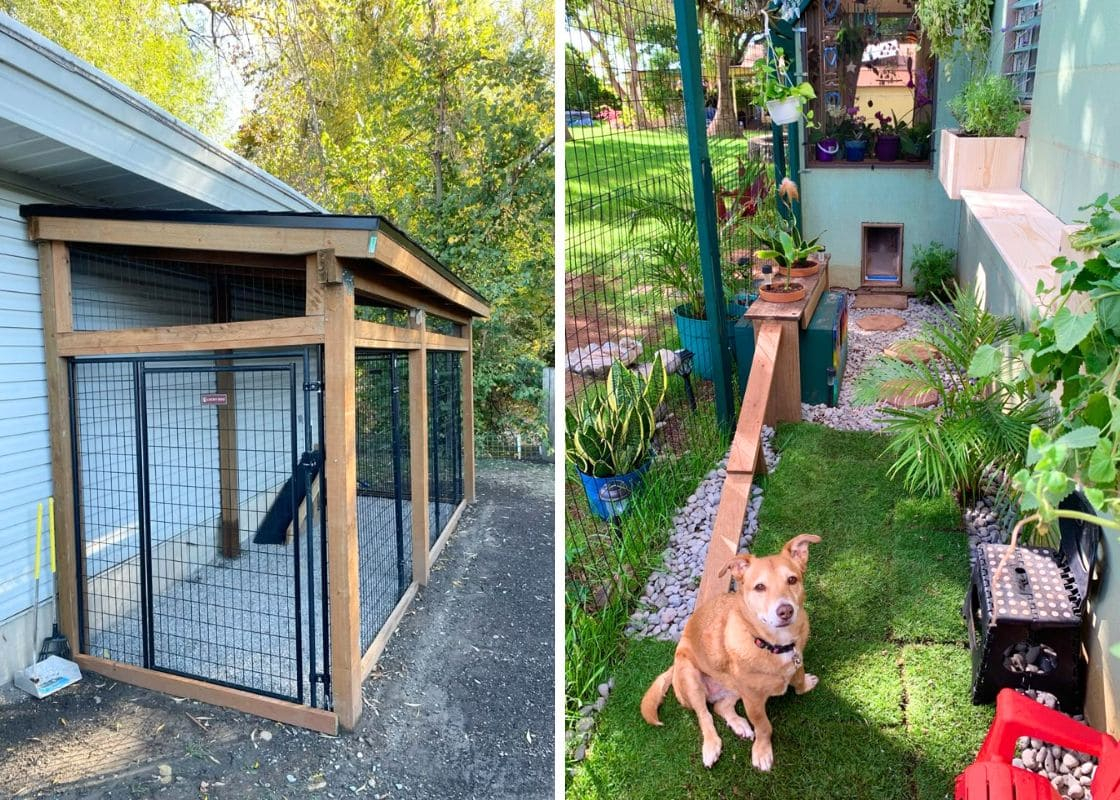
You’ve probably seen them. Those sad, sagging dog houses in the back corner of a yard. The ones where the roof looks like it’s given up on life, holding a permanent puddle of rainwater or a heavy blanket of snow that never seems to melt. It’s heartbreaking, isn’t it? We build these shelters for our best friends, wanting to give them a safe haven, but often we cut corners on the design without realizing the long-term cost. And by cost, I don’t just mean money. I mean the comfort and safety of the pup sleeping inside.
The difference between a kennel that lasts two years and one that lasts twenty often comes down to a single geometric choice: the angle of the roof. It sounds simple, almost too simple to be the "secret" to durability. But physics doesn’t lie. Gravity is the hardest working employee you’ll ever have, and a pitched roof puts it to work. In 2026, with weather patterns becoming more unpredictable and intense, relying on a flat surface to shed water is a gamble you really shouldn’t take. Let’s talk about why that slope matters so much, and why it’s the single most important feature you can add to your dog’s outdoor home.
The Enemy Above: Water, Snow, and Gravity
Let’s be real for a second. Water is destructive. It doesn’t matter if you’re building a skyscraper or a small wooden box for a Beagle; moisture is the enemy of structure. When you opt for a flat roof, you are essentially inviting water to hang out. Even with the best sealants and membranes, standing water finds a way. It seeps into tiny cracks, freezes, expands, and then thaws. This cycle, known as freeze-thaw, is brutal on materials. Wood rots faster. Metal corrodes quicker. Concrete cracks.
A pitched roof changes the game entirely. By introducing a slope, usually between 20 to 30 degrees as recommended by recent building guides, you ensure that water has somewhere to go. Immediately. As soon as that rain hits the shingles or metal sheeting, gravity pulls it down and off the edge. There’s no pooling. There’s no sitting. There’s just flow. This simple action keeps the structural integrity of the roof intact because the materials aren’t constantly saturated. Think of it like wearing a raincoat with a hood versus wearing a flat hat. One sheds the water; the other lets it soak in.
Snow is even worse than rain. In colder climates, a flat roof becomes a snow storage unit. That weight adds up fast. A few inches of wet snow can weigh hundreds of pounds. For a lightweight kennel structure, this is a recipe for collapse. A pitched roof encourages snow to slide off before it accumulates to dangerous levels. Sure, you might need to clear the area around the kennel so the sliding snow doesn’t block the door, but your roof won’t cave in. That’s a trade-off most dog owners are happy to make. It’s about working with nature, not against it.
Ventilation and the Heat Factor
We often think about roofs keeping things dry, but we forget they play a huge role in temperature control. Dogs are sensitive to heat. Much more so than humans, actually. A flat roof, especially if it’s made of dark material, absorbs solar radiation like a sponge. That heat transfers directly into the living space below. In the summer months, a flat-roofed kennel can turn into an oven. It’s uncomfortable for the dog and can even be dangerous if they can’t cool down.
Pitched roofs create an air gap. This is a crucial detail that often gets overlooked. Because the roof rises to a peak, there’s naturally more volume inside the top portion of the structure. Hot air rises. It’s basic science. In a pitched design, that hot air gets trapped in the upper peak, away from where the dog is lying down. Furthermore, this design allows for better airflow. If you add small vents near the peak (which is easy to do with a sloped design), the hot air escapes, pulling cooler air in from lower down. It creates a natural chimney effect.
This passive cooling system means your dog stays cooler in the summer without you needing to install expensive fans or AC units. It’s efficient and reliable. In contrast, a flat roof sits right on top of the ceiling joists. There’s no buffer zone. The heat bakes directly into the interior. By choosing a pitched roof, you’re essentially giving your dog a breath of fresh air. It’s a small architectural tweak that makes a massive difference in their daily comfort. And let’s face it, a comfortable dog is a happy dog.
Material Longevity and Maintenance Hassles
Let’s talk about your weekend plans. Do you want to spend them scrubbing moss off a flat roof and re-applying tar every six months? Probably not. Flat roofs are high maintenance. They require constant attention to ensure the waterproofing layer hasn’t degraded. UV rays break down sealants. Debris like leaves and twigs get stuck in the slight imperfections of the surface, holding moisture against the material. This accelerates wear and tear. You’re fighting a losing battle against time and the elements.
Pitched roofs are largely self-cleaning. Remember that gravity we talked about? It doesn’t just move water; it moves debris. Leaves, pine needles, and dirt tend to slide off a sloped surface, especially when it rains. This means less organic matter sitting on your roof, rotting and causing damage. The materials themselves last longer because they aren’t subjected to the constant stress of standing water. Whether you use asphalt shingles, metal panels, or cedar shakes, a pitched design extends their lifespan significantly.
From a financial perspective, this makes sense. Yes, a pitched roof might cost slightly more in initial materials—maybe a few extra boards for the framing. But think about the replacement costs. A flat roof kennel might need a new top every three to five years. A well-built pitched roof can last fifteen to twenty years, or even longer with minimal care. That’s a huge saving in both money and effort. It’s the classic "pay me now or pay me later" scenario, and in this case, paying a little more now saves you a lot of headache later.
Structural Integrity and Wind Resistance
It’s not just about what falls on the roof; it’s about what blows against it. Wind is a powerful force, and kennels are often placed in open areas of the yard where they take the full brunt of storms. A flat roof acts like a sail. When strong winds hit it, they create uplift pressure. This can pull the roof off the walls if it’s not secured incredibly tightly. We’ve all seen videos of roofs flying off buildings during hurricanes. The same physics applies to dog houses, just on a smaller scale.
A pitched roof is aerodynamic. The sloped sides allow wind to flow over and around the structure rather than hitting a flat wall of resistance. This reduces the stress on the connections between the roof and the walls. In 2026, with storm seasons becoming more volatile, this structural stability is key. A pitched roof distributes the load more evenly across the frame. It ties the whole structure together, making it more rigid and less likely to wobble or shift in high winds.
This also helps with the overall squareness of the kennel. A peaked roof acts as a brace. It keeps the walls from bowing out over time. Flat roofs rely entirely on the strength of the walls and the ceiling joists. If those weaken due to moisture or age, the whole structure can become unstable. The triangular shape of a pitched roof is inherently strong. It’s the same reason bridges and trusses use triangles. You’re borrowing strength from ancient engineering principles to keep your pup safe.
The Aesthetic Appeal and Property Value
Let’s be honest. We care about how things look. A dog kennel is part of your landscape. A boxy, flat-rooded structure can look industrial or unfinished. It might stick out like a sore thumb in a nicely landscaped yard. A pitched roof, on the other hand, mimics the architecture of your main house. It looks intentional. It looks like a proper building, not just a crate with a lid. This visual harmony matters. It integrates the kennel into your outdoor living space rather than making it look like an afterthought.
There’s also the psychological aspect. When visitors see a well-built, traditional-looking dog house, it signals care. It shows that you’ve invested in your pet’s well-being. It adds a touch of charm. You can match the shingles to your garage or your home. You can add cute details like a cupola or decorative trim. These things are much harder to pull off with a flat roof. The pitched design offers a canvas for creativity. It allows the kennel to be a feature, not just a function.
And yes, this can actually impact property perception. While a dog house won’t skyrocket your home value, a cluttered, eyesore-filled yard can detract from it. A sleek, durable, and attractive kennel contributes to a tidy, well-maintained appearance. It suggests that the homeowner pays attention to detail. It’s a small thing, but curb appeal is made up of many small things. Why not make the dog’s spot a nice one? It reflects well on you and provides a dignified space for your companion.
So, you’re convinced. A pitched roof is the way to go. Now what? You need to decide on the angle. As mentioned earlier, a pitch between 20 and 30 degrees is the sweet spot for most dog kennels. This angle is steep enough to shed water and snow effectively but not so steep that it eats up too much interior headroom or becomes difficult to build. If you live in an area with heavy snowfall, you might lean toward the steeper end of that range. If you’re in a windy, rainy climate, the lower end might suffice, but don’t go too flat.
Material choice is next. Metal roofing is fantastic for kennels. It’s durable, slippery (so snow slides off easily), and reflects heat. It’s also lightweight, which puts less stress on the frame. Asphalt shingles are another popular choice. They’re quiet during rainstorms (which can scare some dogs) and offer good insulation. Just make sure to use a solid plywood underlayment. Avoid using just thin plastic or tarp material; it won’t last. You want rigidity. You want protection.
Don’t forget the overhang. A good pitched roof should extend beyond the walls of the kennel by at least six to eight inches. This keeps rain from running down the sides of the walls, which protects the siding and the interior from splashing mud. It also provides a little shaded porch area for your dog to sit in if they want to be outside but out of the direct sun. These small details, combined with the right pitch and material, create a shelter that stands the test of time. It’s not just about putting a roof on; it’s about crafting a home.
In the end, building a kennel with a pitched roof is an act of love. It’s choosing the harder, better path over the easy, temporary one. It’s recognizing that our dogs deserve more than just minimum viability. They deserve shelter that respects the forces of nature and protects them from the elements. By understanding the simple physics of slope and drainage, you can create a space that remains dry, cool, and sturdy for years. It’s a small investment in design that pays dividends in durability and peace of mind. So, grab your saw, measure twice, and give that roof some slope. Your dog will thank you, even if they don’t have the words to say it.