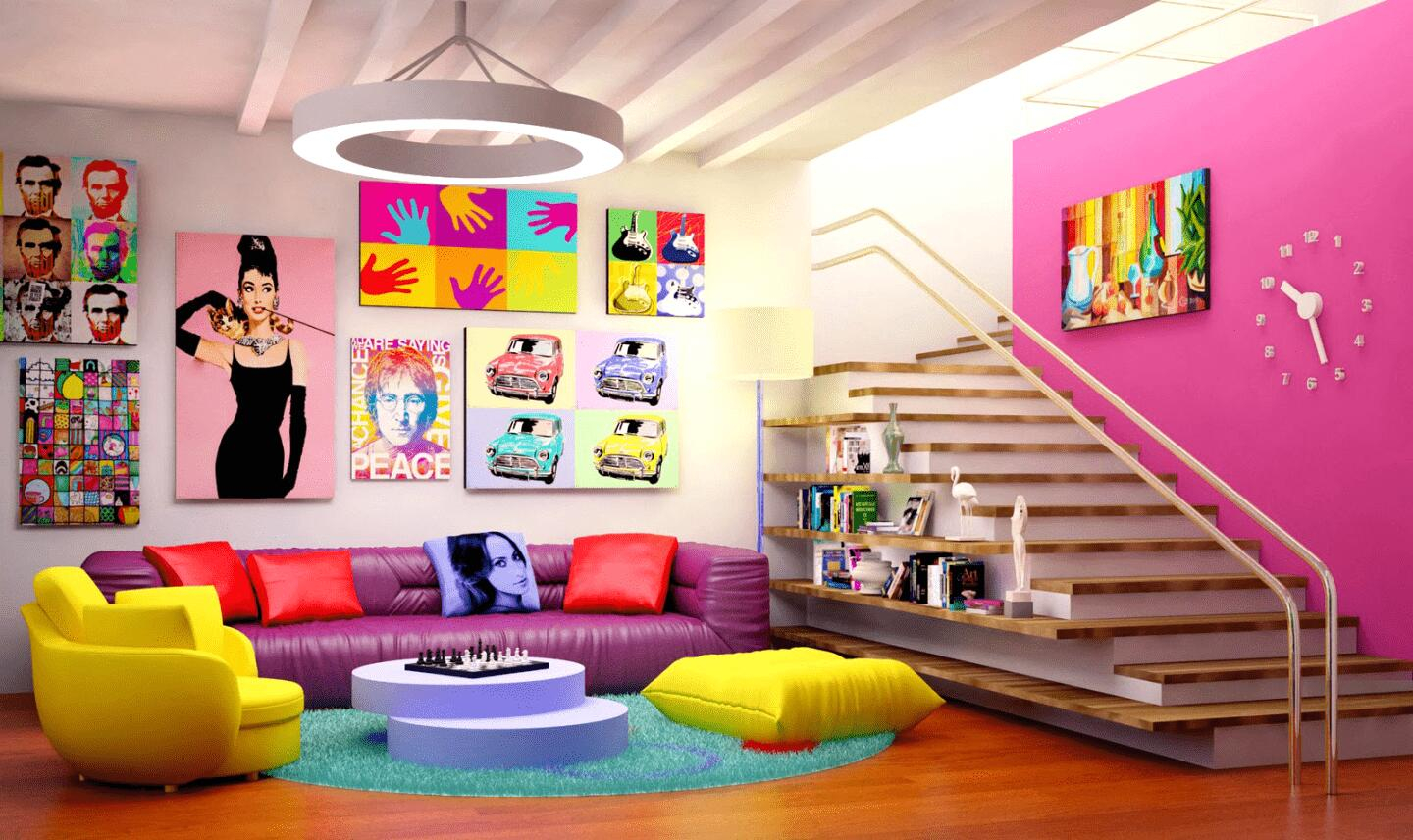
We’ve all been there. You’re scrolling through an auction site or wandering a vintage market, and you spot it. That limited-edition sneaker box. The original poster from a movie that defined your teenage years. A vinyl record sleeve that smells like dust and memories. Your heart skips a beat. But then, the doubt creeps in. Can I actually put this in my living room without it looking like a college dorm?
For decades, there was a rigid wall between "high design" and "mass culture." One belonged in museums and minimalist lofts; the other belonged in fan caves and cluttered shelves. But something shifted. Maybe it was the fatigue of endless, sterile trends. Or maybe we just realized that the things we love—really love—are worth displaying. In 2026, the conversation isn’t about hiding our interests anymore. It’s about curating them. It’s about taking the loud, colorful, often disposable icons of pop culture and treating them with the same reverence we’d give a classical sculpture.
This isn’t about slapping a superhero logo on a pillow. That’s merchandise. We are talking about transformation. It is the art of context. When you strip away the noise and focus on form, color, and story, a comic book becomes graphic art. A vintage game console becomes a study in industrial design. This approach bridges the gap between who we are and how we live. It allows our homes to be authentic reflections of our lives, not just showrooms for furniture catalogs. Let’s explore how to make that leap.
The Psychology of Nostalgia in Modern Spaces
Why do we hold onto these items? It’s not just hoarding. Research in environmental psychology suggests that objects tied to personal history create a sense of continuity and safety. In a world that moves at breakneck speed, our homes need to be anchors. When we integrate mass culture icons into our interiors, we aren’t just decorating; we are storytelling. This narrative layer adds depth to a room that pure aesthetics can’t achieve alone.
Consider the concept of "reflexive modernism," a term gaining traction in design circles recently. It’s the idea that we can embrace modern minimalism while simultaneously honoring our past. It’s not a contradiction. It’s a balance. By placing a cherished, perhaps slightly kitschy, object within a refined setting, we elevate both. The object gains dignity, and the room gains soul. This is particularly important as globalization tends to homogenize our spaces. A culturally responsive approach ensures that your home feels like yours, not just a replica of a hotel lobby.
Think about the emotional resonance. A mid-century modern chair is beautiful, sure. But a chair paired with the original album art from the record you listened to while falling in love? That’s powerful. It triggers memory. It invites conversation. It makes the space feel lived-in and loved. The key is intentionality. You aren’t just dumping memorabilia on a shelf. You are selecting specific icons that carry weight for you and giving them the stage they deserve. This shifts the dynamic from clutter to curation.
Deconstructing the Icon: Form Over Fandom
To turn a mass culture item into a timeless statement, you have to stop seeing it as a product and start seeing it as a design element. Look at the lines. The colors. The typography. Take a classic video game cartridge, for instance. To a gamer, it’s a portal to another world. To a designer, it’s a study in rectangular geometry and bold, primary color blocking. When you frame it or display it in a way that highlights these formal qualities, you detach it from its purely functional origin.
This process requires a bit of visual editing. Ask yourself: What is the most striking feature of this object? Is it the neon glow of a retro sign? The intricate illustration on a cereal box? The sleek curve of a vintage camera? Once you identify that core aesthetic strength, you can build the display around it. This might mean removing packaging, isolating the object against a neutral background, or using lighting to accentuate its texture. The goal is to make the viewer appreciate the object’s beauty, even if they don’t know its cultural significance.
Let’s look at streetwear. Sneakers are massive cultural icons. But displaying them in their original boxes stacked in a corner feels transient. However, mounting a single, iconic pair on a floating shelf, treated like a pair of ceramic vases, changes the perception. It becomes a sculpture. The branding fades into the background, and the silhouette takes center stage. This is the essence of turning the temporary into the timeless. You are respecting the design integrity of the object, regardless of its mass-market origins.
Context is King: The Power of Juxtaposition
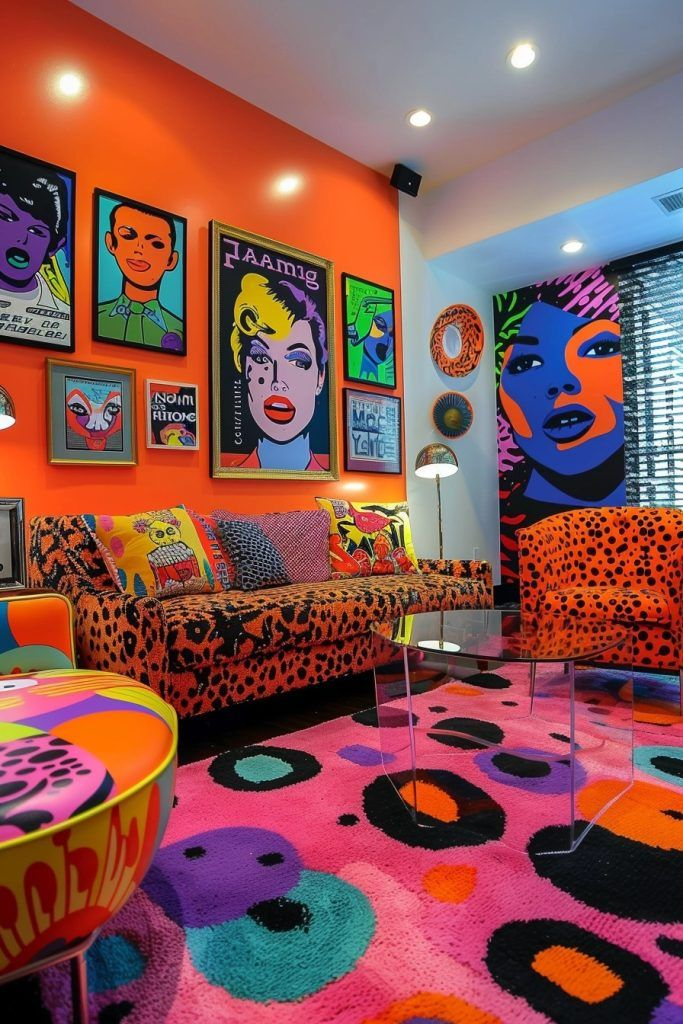
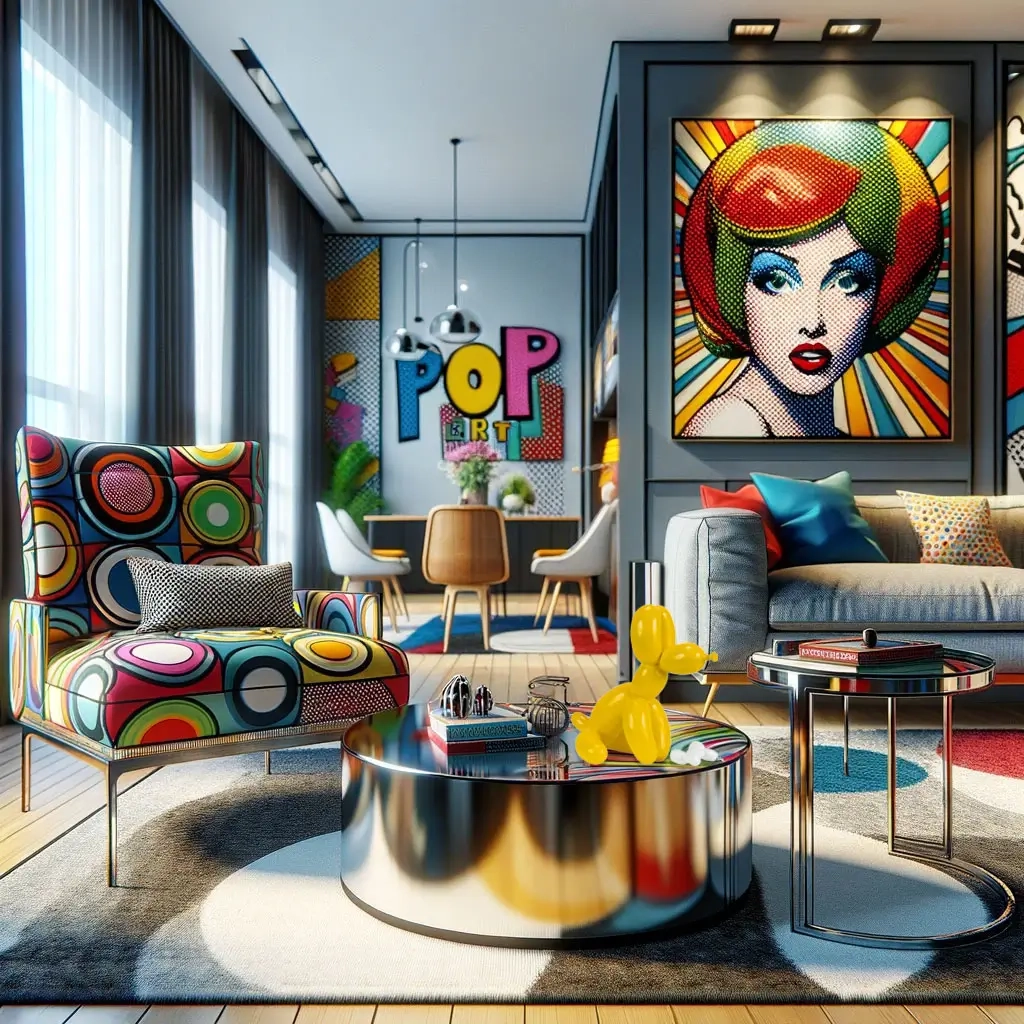
Placement is everything. You can have the coolest object in the world, but if it’s surrounded by chaos, it loses its power. The secret to making pop culture feel sophisticated is juxtaposition. Place the unexpected next to the established. Put a vibrant, graffiti-style print next to a serene, linen-upholstered sofa. Display a collection of plastic action figures inside a glass cabinet traditionally used for crystal ware. The contrast creates tension, and tension creates interest.
This technique relies on the principle of "critical regionalism" adapted for interiors. Just as architects blend local traditions with global styles, you can blend your personal pop culture heritage with universal design principles. If your room is heavily minimalist, a single, bold pop art piece acts as a focal point. It doesn’t overwhelm because the rest of the space is quiet. Conversely, in a maximalist room, a pop culture icon can serve as an anchor, providing a recognizable touchstone amidst the pattern and color.
Lighting plays a huge role here too. Treat your icon like a museum piece. Use directed spotlights or LED strips to highlight it. This signals to the brain that this object is important. It’s worthy of attention. It’s not just lying there; it’s being presented. Even a simple change in lighting can transform a toy from a plaything into an artifact. It’s about signaling value through environment. When you light something carefully, you invite people to look closer, to appreciate the details they might have otherwise missed.
Materiality and Craft: Elevating the Everyday
Mass-produced items are often made of plastic, paper, or cheap metal. These materials don’t always age gracefully, nor do they always convey "luxury." To make these icons timeless, consider how they interact with high-quality materials. Frame a comic book page in archival-grade glass with a matte border. Mount a vintage skateboard deck on a wall of rich, warm wood. The contrast between the disposable nature of the original item and the permanence of the surrounding materials creates a dialogue.
This is where craftsmanship comes in. Custom framing, bespoke shelving, or hand-finished mounts show that you’ve invested time and care into the presentation. It’s the difference between taping a poster to a wall and having it professionally mounted on aluminum dibond. The latter feels permanent. It feels intentional. In 2026, sustainability is also a key factor. Upcycling mass culture items into functional decor—like turning old vinyl records into bowls or using film reels as table bases—adds a layer of ethical value to the design.
Don’t be afraid to mix textures. If you have a glossy, plastic figurine, place it on a rough, stone surface. The tactile difference enhances the visual experience. It grounds the object. It makes it feel part of the natural world, rather than separate from it. This integration of natural and synthetic elements is a hallmark of contemporary design. It acknowledges our digital, manufactured reality while keeping us connected to the earth. It’s a subtle balance, but when done right, it feels incredibly harmonious.
Curating the Collection: Less is More
One of the biggest mistakes people make is trying to display everything. A shrine to a fandom can quickly become visually exhausting. To achieve a timeless look, you must edit ruthlessly. Choose the pieces that speak the loudest. The ones with the best condition, the most iconic design, or the deepest personal meaning. Quality over quantity, always. A single, perfectly framed movie poster can have more impact than a wall covered in twenty mediocre prints.
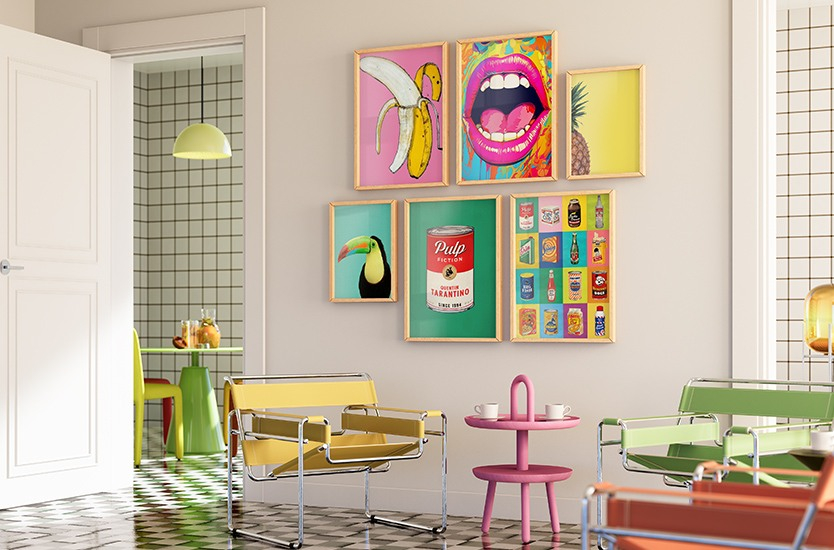
Grouping is another powerful tool. Instead of scattering items, cluster them. Create a vignette. This could be a shelf with three related objects, or a gallery wall with a consistent theme. The eye needs a place to rest. When items are grouped, they become a single design element rather than a dozen distractions. Think about color coordination. Even if the items are from different franchises or eras, linking them through a common color palette can unify the display.
Rotation is also a smart strategy. You don’t have to display your entire collection at once. Swap items out seasonally or annually. This keeps the space feeling fresh and allows you to appreciate different pieces at different times. It also prevents visual fatigue. By treating your collection as a rotating exhibition, you maintain a sense of novelty and respect for each item. It turns your home into a dynamic space that evolves with you, rather than a static museum of the past.
Trends change. What’s cool today might be cringe-worthy in five years. So, how do you ensure your pop culture decor remains stylish? Focus on design merit over hype. An item with strong graphic design, interesting form, or historical significance will always have value. Avoid items that are purely trend-driven without substance. Look for classics. The original iPhone, a first-edition Harry Potter book, a Eames chair inspired by pop art—these have staying power because they represent pivotal moments in design and culture.
Also, consider the flexibility of your display. Use modular shelving systems that can be reconfigured. Invest in high-quality frames that can be reused with different art. This adaptability allows you to evolve your style without discarding your treasures. As we move further into 2026, the line between digital and physical continues to blur. Consider how digital art frames or augmented reality displays might integrate with your physical collections. The future of interior design is hybrid, blending the tangible nostalgia of physical objects with the infinite possibilities of digital media.
Ultimately, the goal is authenticity. Your home should tell your story. If you love sci-fi, let that show, but let it show in a way that reflects your adult taste and design sensibility. Don’t hide your passions. Refine them. Elevate them. When you treat mass culture icons with respect and creativity, they transcend their origins. They become part of your personal heritage. And that is the definition of timeless design. It’s not about what’s trendy; it’s about what’s true to you.
So, take a look around your house. What’s hiding in a box? What’s tucked away in a drawer? Pull it out. Look at it with new eyes. See the design. See the story. And give it the place it deserves. Your home will be richer for it. And so will you. After all, isn’t that what design is really about? Making space for the things that matter.