Ever feel like the world is just moving too fast? Like you can’t catch your breath between notifications, meetings, and the endless scroll of social media? You’re not alone. In 2026, more than ever, people are craving a pause button. A place to just be. And honestly, you don’t need a massive estate or a huge budget to find that peace. Sometimes, it’s right outside your back door, waiting to be uncovered.
Imagine stepping out into your yard. The air is still. Underfoot, smooth stones guide your path. Around you, plump, green succulents thrive in the crevices, defying the dry heat with quiet resilience. There’s no loud noise here. Just the subtle shift of light on rock and leaf. This isn’t just landscaping; it’s therapy. It’s about creating a space that grounds you. By blending the permanence of natural stone with the living, breathing beauty of succulents, you can build a Zen retreat that feels both ancient and fresh. Let’s explore how you can bring this harmony home.
The Foundation: Choosing the Right Stones
When we talk about Zen gardens, the stone isn’t just a material; it’s the backbone of the design. But picking the right rock can feel overwhelming. Do you go for sleek, modern river rocks? Or rugged, jagged slate? The key is to think about the feeling you want to evoke. Smooth, pale stones, like limestone or sandstone, create a soft, welcoming vibe. They reflect light beautifully and make the space feel open and airy. On the other hand, darker basalt or granite adds weight and drama, grounding the eye and creating a sense of stability.
It’s also about scale. You don’t want everything to look the same size. That’s boring. Try mixing large boulders with smaller pebbles. The big rocks act as anchors—visual resting points that draw the eye. They represent mountains or islands in traditional Zen philosophy. The smaller gravel or pebbles can mimic water or sand, especially if you rake them into gentle waves. This contrast creates depth. It makes a small corner feel like a vast landscape. And remember, irregular shapes often look more natural than perfectly cut squares. Nature doesn’t do straight lines, so why should your garden?
Another thing to consider is texture. Run your hand over the stone before you buy it. Is it rough? Silky? Warm to the touch? These tactile details matter when you’re trying to create a sensory experience. In recent years, there’s been a shift toward locally sourced stone. Not only does this reduce your carbon footprint, but it also helps the garden blend seamlessly with the surrounding environment. It feels like it belongs there. So, take a drive to a local quarry or stone yard. See what’s native to your area. You might find a hidden gem that connects your retreat to the broader landscape in a way imported stone never could.
The Living Element: Selecting Succulents for Harmony
Now, let’s talk about the plants. Succulents are the perfect partners for stone because they share a similar aesthetic: simple, structured, and resilient. But not all succulents are created equal. For a Zen look, you want to avoid the neon-bright, chaotic varieties. Instead, lean into muted tones. Think dusty blues, soft greens, and silvery grays. Plants like Echeveria ‘Lola’ or Sedum ‘Autumn Joy’ offer subtle color shifts that change with the seasons, keeping the garden interesting without being distracting.
Placement is everything. You don’t want to just plop plants in random spots. Think of them as accents. Tuck a small rosette into a crack between two stones. Let a trailing String of Bananas spill over the edge of a rock border. This interplay between the hard, static stone and the soft, growing plant creates a dynamic balance. It’s the yin and yang of gardening. The stone provides structure; the succulent provides life. In 2026, drought-tolerant landscaping is more important than ever, and these pairings are not just beautiful—they’re sustainable. They require minimal water and care, which means less work for you and more time to actually enjoy the space.
One common mistake is overcrowding. Zen is about simplicity. Less is more. Give each plant room to breathe. As they grow, they’ll fill in the gaps naturally. If you cram them in too tight from the start, you’ll end up with a messy tangle that fights for light. Start sparse. Be patient. Watch how the light hits different parts of your garden throughout the day. Some succulents love full sun; others prefer a bit of shade. Matching the plant to the microclimate of your stone arrangement ensures they thrive rather than just survive. And when they thrive, they glow. That healthy, plump look is what brings the whole scene to life.
Creating Flow: Pathways and Patterns
A Zen garden isn’t just a static picture; it’s a journey. Even if your space is tiny, you can create a sense of movement through pathways. Natural stone steps or flagstones laid in a meandering pattern invite you to slow down. They force you to watch your step, to be present in the moment. This is a core principle of mindfulness. The path shouldn’t be a straight line from point A to point B. That’s too efficient, too hurried. Let it curve. Let it wind around a large boulder or dip slightly into a bed of gravel.
The material you choose for the path sets the tone. Smooth, flat stepping stones feel elegant and deliberate. Rougher, irregular cobbles feel more rustic and wild. Consider the gap between the stones. Filling these gaps with low-growing succulents like creeping thyme or sedum softens the hardscape. It blurs the line between the path and the garden. When you walk on it, you’re literally walking through the greenery. It’s an immersive experience. Plus, it prevents weeds from taking over those tricky spaces. Win-win.
Don’t forget the edges. How the path meets the rest of the garden matters. A clean, defined edge looks modern and crisp. A softer, blended edge where gravel spills onto the path looks more organic. Both are valid, depending on your style. But consistency is key. If you’re going for a minimalist look, keep the lines clean. If you’re aiming for a wilder, more natural feel, let things bleed into each other a bit. The goal is to guide the eye and the foot smoothly through the space. You want the visitor—whether it’s a guest or just you, coming home from a long day—to feel led, not directed. There’s a difference. One feels like a command; the other feels like an invitation.
The Art of Negative Space: Gravel and Sand
In Western design, we often fear empty space. We want to fill every corner with stuff. But in Zen philosophy, negative space is just as important as the objects themselves. It’s the silence between the notes. In your garden, this negative space is often represented by gravel or sand. Raked gravel patterns are iconic for a reason. They create a sense of order and calm. The repetitive motion of raking is meditative in itself. Many people find that spending ten minutes raking their garden in the morning sets a peaceful tone for the rest of the day.
But you don’t have to stick to traditional circular or wave patterns. Get creative. Try straight lines for a modern twist. Or leave areas unraked for a more natural, windswept look. The color of the gravel matters too. White gravel reflects light and makes small spaces feel larger. Dark gray or black gravel creates a dramatic, high-contrast backdrop that makes green succulents pop. Earth-toned gravel blends in, creating a seamless, monochromatic look that’s very soothing to the eye.
This open space also serves a practical purpose. It improves drainage, which succulents love. It suppresses weeds. And it reduces the amount of maintenance you need to do. No mowing, no trimming, no fuss. Just occasional raking and maybe blowing off leaves in the fall. It’s low-effort, high-reward landscaping. In a busy world, having a part of your life that requires so little upkeep is a luxury. It allows you to focus on the beauty of the elements rather than the chore of maintaining them. Embrace the emptiness. Let it breathe. You might be surprised by how much peace it brings.
Adding Depth: Vertical Elements and Containers
Not everyone has a sprawling backyard. Many of us are working with balconies, patios, or small courtyards. Does that mean you can’t have a Zen retreat? Absolutely not. You just need to think vertically. Stone walls, raised beds, and stacked rock features add height and interest to a flat space. They create layers. A low stone wall can serve as a seat, a planter, and a boundary all at once. It defines the space without closing it off.
Containers are another great tool. Large stone or concrete pots filled with succulent arrangements can be moved around to change the vibe of the space. They act as focal points. Try grouping three pots of varying heights together for a classic, balanced look. Or scatter single pots along a ledge for a more casual feel. The key is to choose containers that complement the stone in your garden. If you have rough fieldstone, go for textured, earthy pots. If you have sleek slate, opt for smooth, modern ceramics.
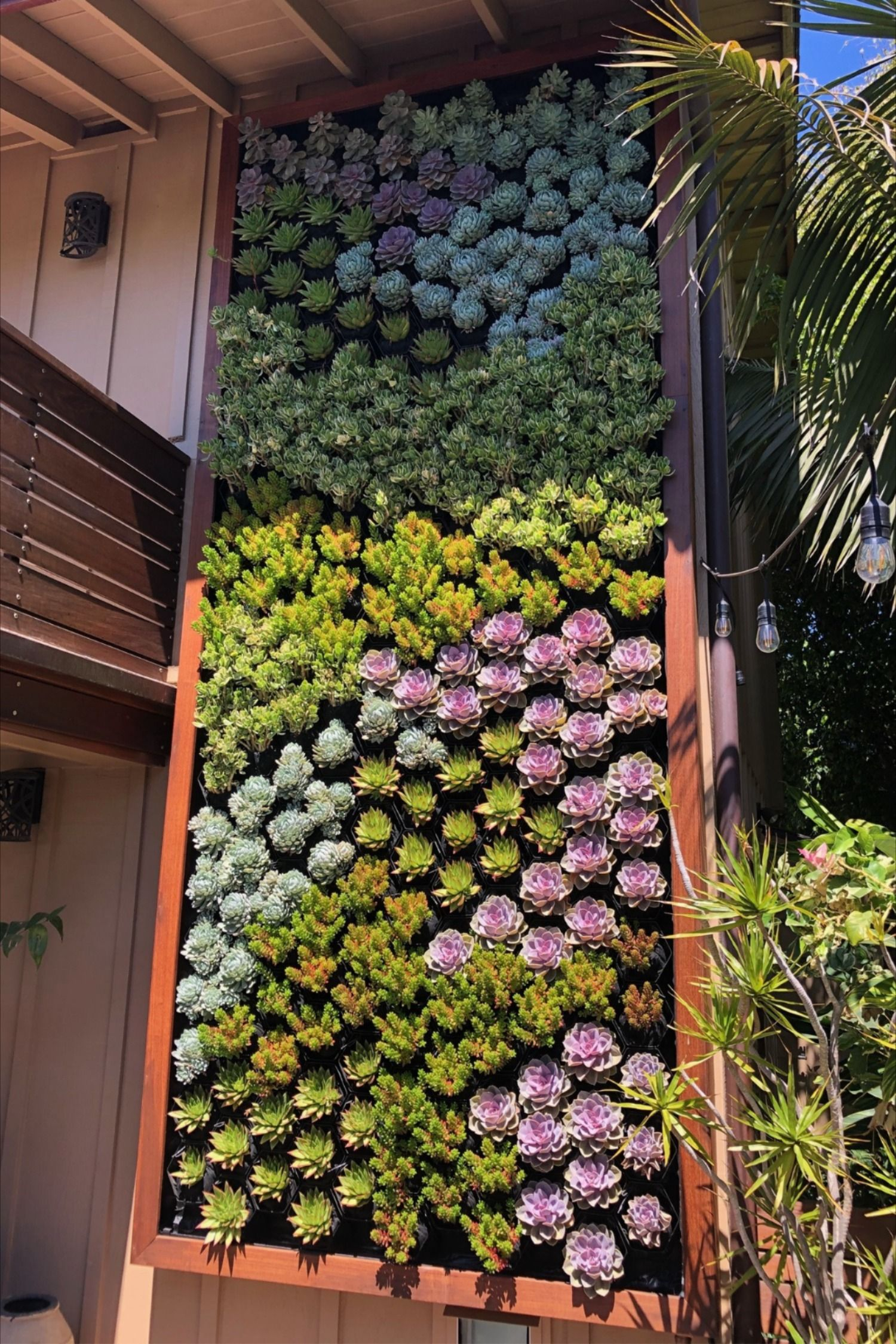
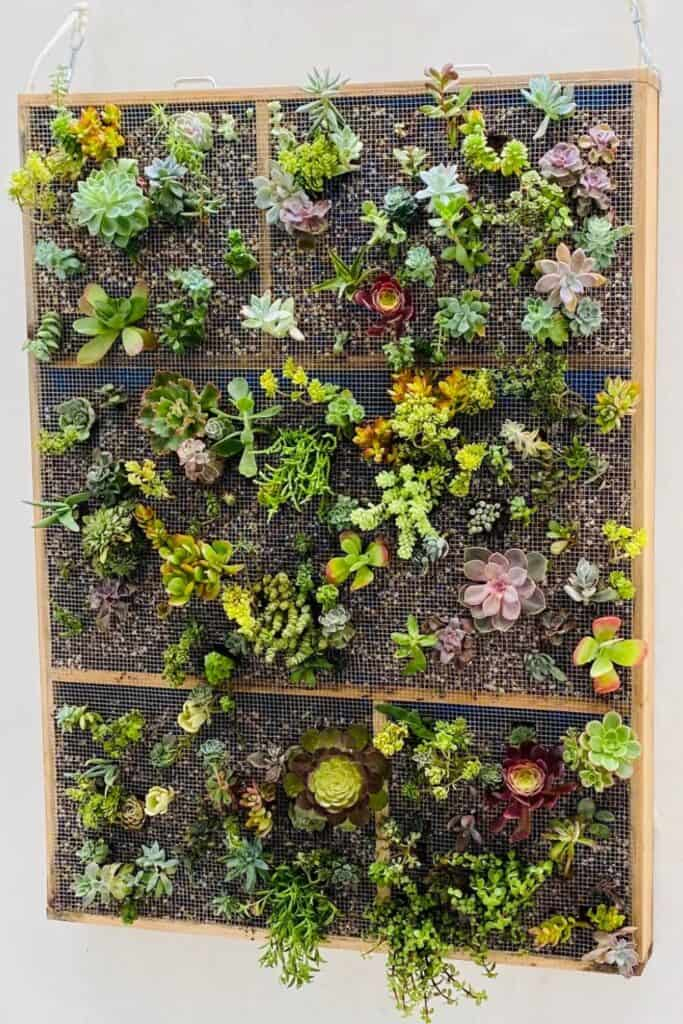
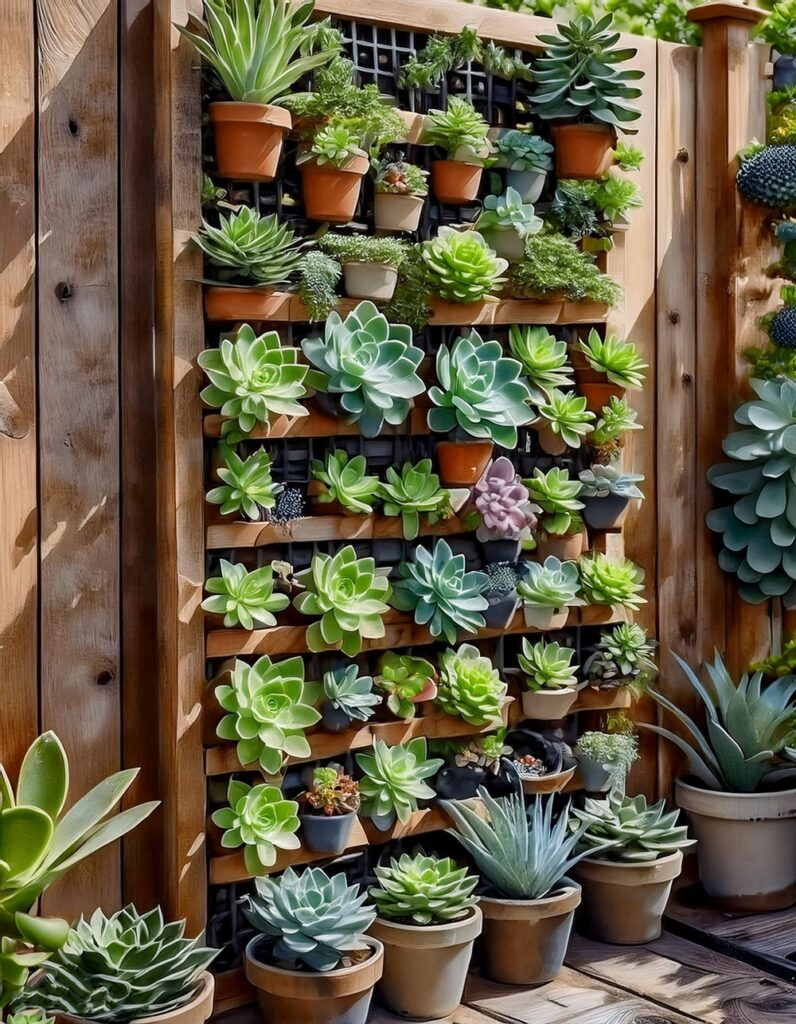
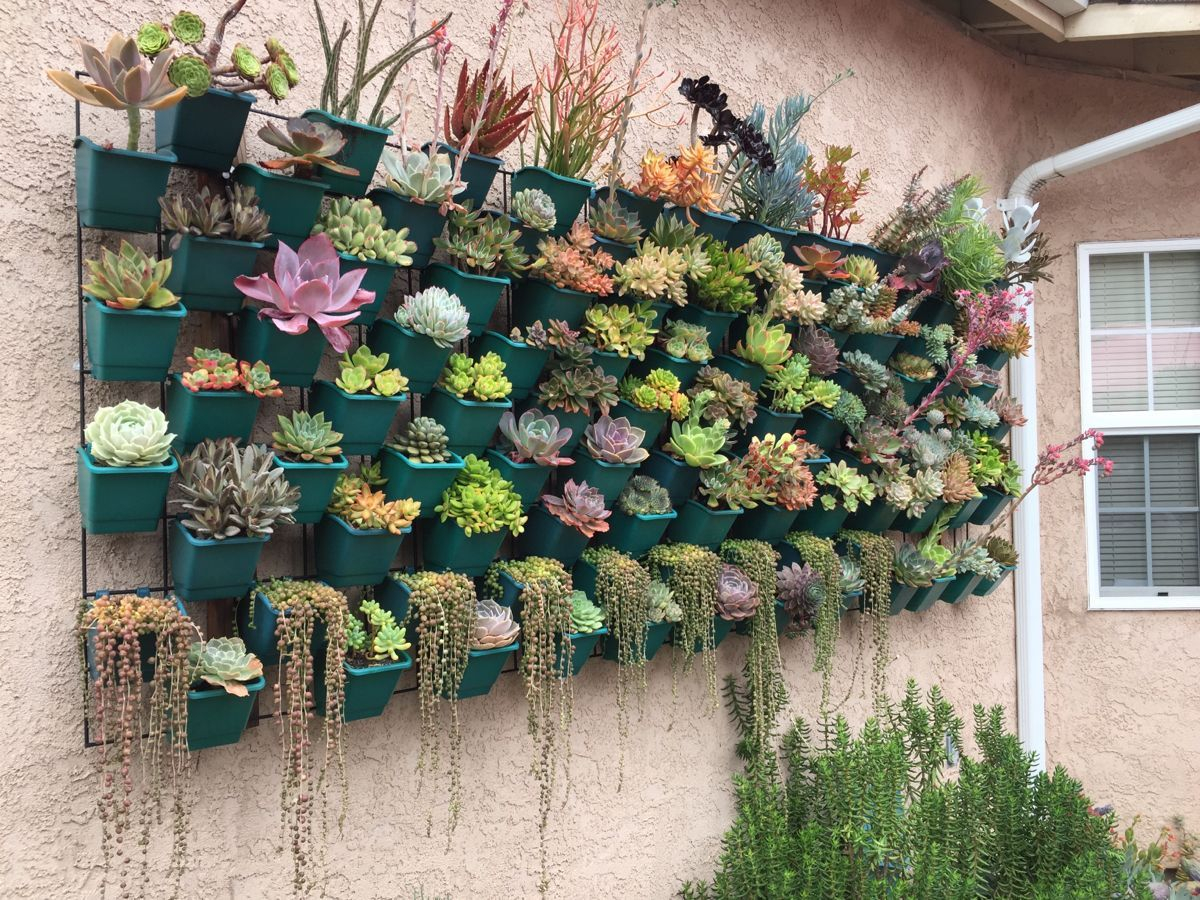
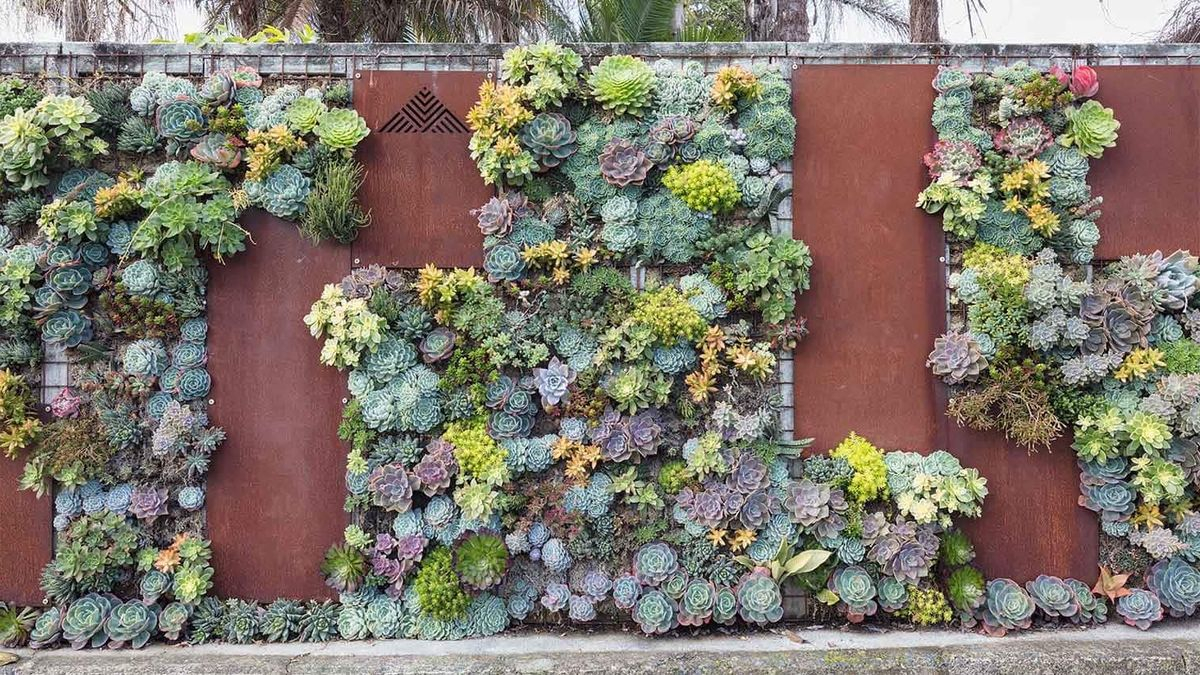
Vertical planters made of stone or attached to stone walls can also maximize space. Imagine a wall of succulents nestled into pockets of a dry-stacked stone feature. It’s like a living tapestry. This technique draws the eye upward, making the space feel taller and more expansive. It also adds a lush, green element to what might otherwise be a cold, hard surface. Just make sure your vertical setups have good drainage. Succulents hate wet feet, even when they’re climbing walls. A little planning goes a long way in ensuring your vertical garden stays healthy and vibrant.
Here’s the secret nobody tells you: the maintenance of a Zen garden is part of the practice. It’s not a chore to be rushed through. It’s an opportunity to connect with your space. Pulling a few weeds, wiping dust off a leaf, or rearranging a stone that shifted in the wind—these small acts are moments of mindfulness. They ground you. They remind you to pay attention to the details. In 2026, we’re so disconnected from the physical world. Tending to your garden reconnects you.
That said, you want the maintenance to be manageable. That’s why we chose succulents and stone. They’re tough. They don’t demand constant attention. But they do need some love. Check your plants regularly for pests. Make sure the drainage holes in your pots aren’t clogged. Sweep the gravel occasionally to keep it looking fresh. These tasks take minutes, not hours. And the reward is a space that always feels intentional and cared for.
Don’t strive for perfection. A Zen garden isn’t about being flawless. It’s about being authentic. Let the stones weather. Let the succulents grow a bit wild. Let the moss creep in where it wants. These signs of age and time add character. They tell the story of your garden. If a plant dies, don’t panic. Replace it, or leave the space empty for a while. See how it feels. Be flexible. Adapt. Your garden should evolve with you. It’s a living thing, after all. And so are you. Treat it with kindness, and it will return the favor tenfold.
Creating a Zen outdoor retreat with natural stone and succulents isn’t about following strict rules. It’s about finding what brings you peace. It’s about blending the enduring strength of rock with the quiet resilience of plants. It’s about carving out a sanctuary in your own backyard where you can breathe, reflect, and just be. Whether you have a huge yard or a tiny balcony, you can create this harmony. Start small. Pick one corner. Add a stone. Plant a succulent. See how it feels. Then add another. And another. Before you know it, you’ll have built more than a garden. You’ll have built a refuge. And in today’s world, isn’t that exactly what we all need?