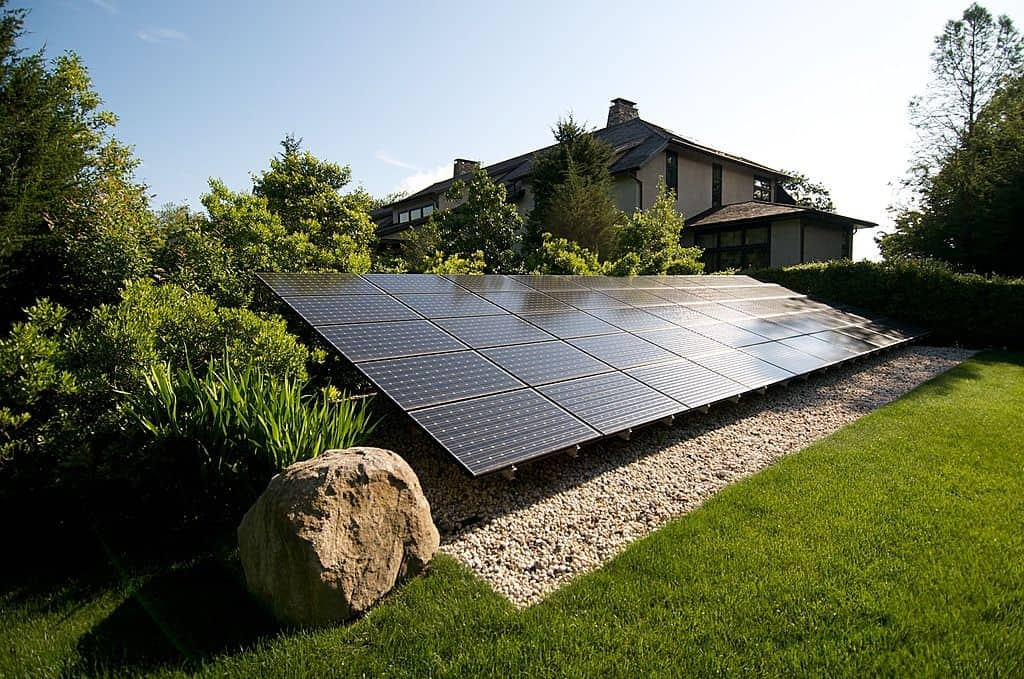
It started with a blister. Not a metaphorical one, but a real, stinging crack on my lower lip that tasted like salt and regret. I was standing in my backyard in late July, squinting against the glare of a southern California afternoon, holding a piece of angle iron that felt heavier than it had any right to be. The thermometer read ninety degrees. My shirt was soaked through. And yet, there was a strange, quiet thrill humming under the exhaustion. I wasn’t just building a rack for some glass panels. I was building an exit ramp. An escape hatch from the monthly utility bill that seemed to grow teeth every summer.
People talk about energy independence like it’s a switch you flip. You buy the panels, you hire a guy, you save money. Clean. Simple. But the reality? It’s messy. It’s dusty. It involves a lot of trial and error, a fair bit of cursing at stripped bolts, and yes, sun chapped lips. But when that inverter finally hummed to life and I saw my meter spin backward for the first time, something shifted inside me. It wasn’t just about electricity. It was about knowing exactly where my power came from. Literally.
This isn’t a polished corporate brochure. This is the dirt-under-the-fingernails truth of taking control of your own energy. Whether you’re looking to cut costs, prepare for the unpredictable grid failures we’ve seen more of in recent years, or just want the satisfaction of saying “I built that,” this journey is for you. Let’s dig in.
Why Go Ground? The Case for Getting Off the Roof
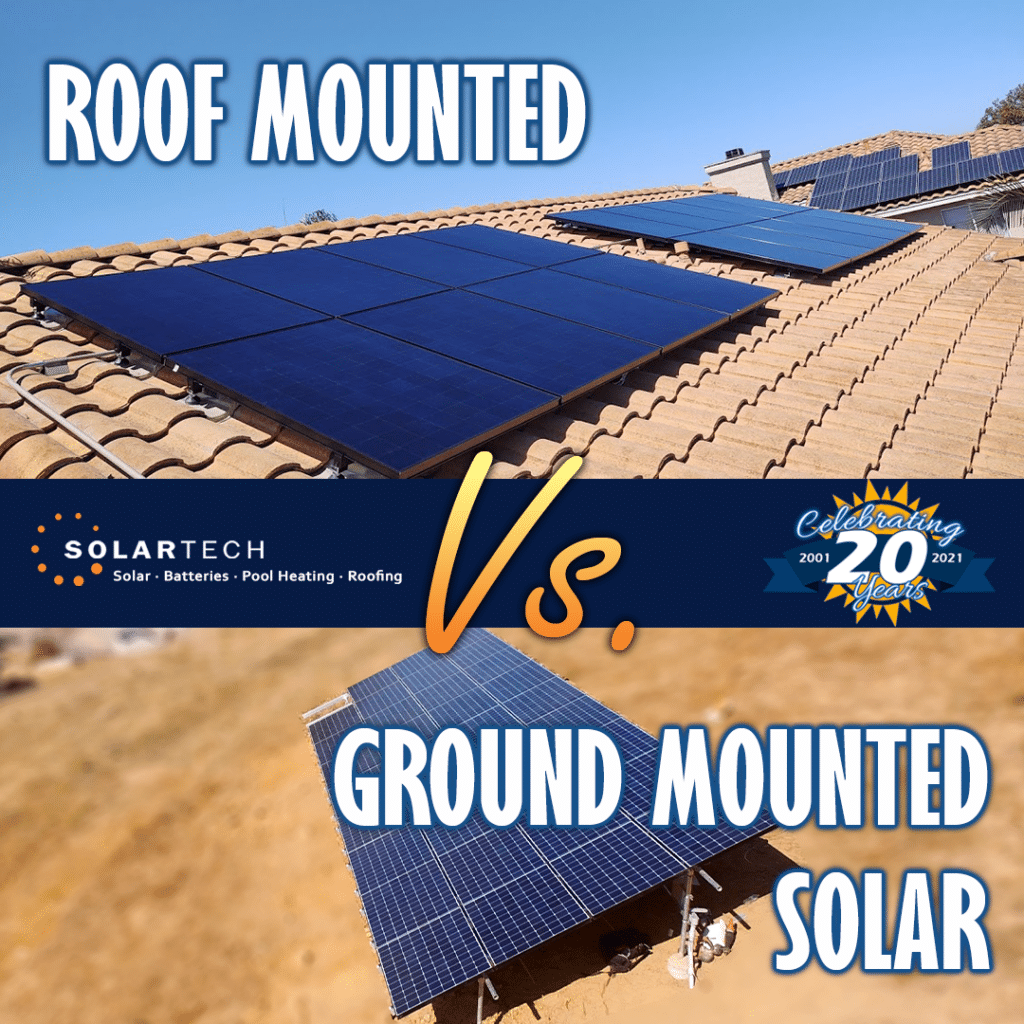
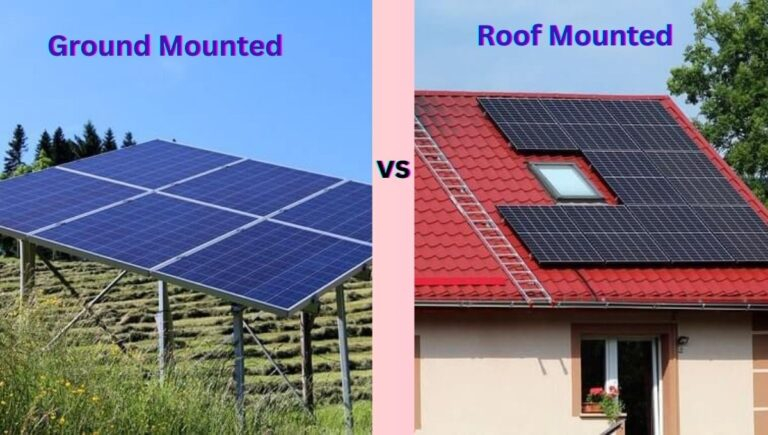
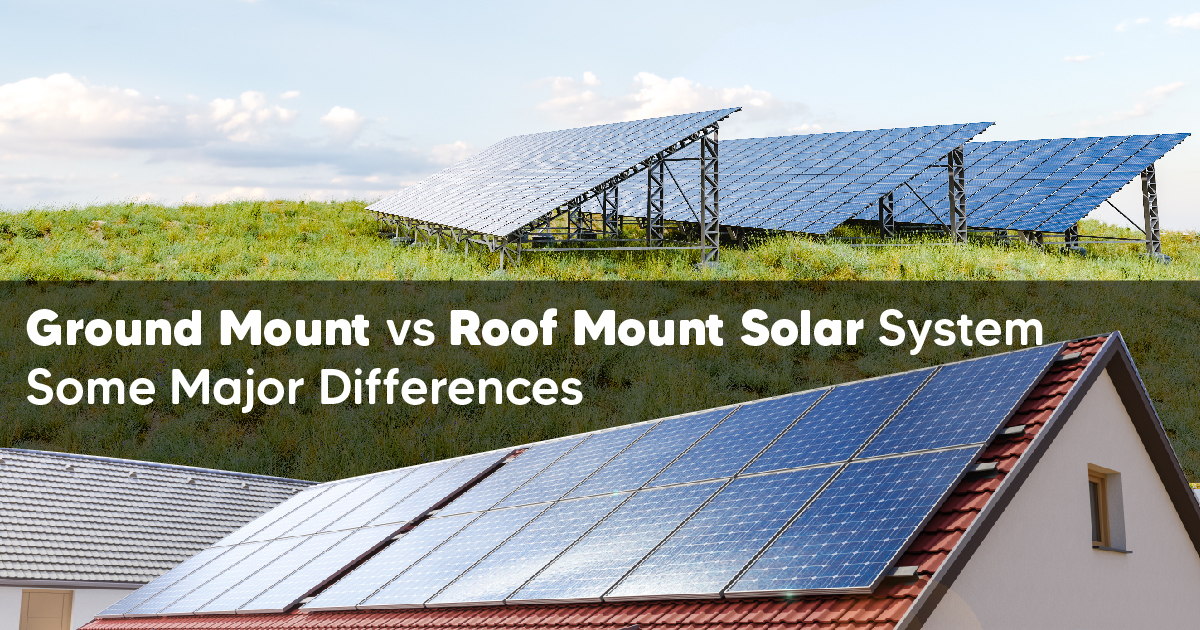
Let’s be honest. Rooftop solar is the poster child of the green movement. It’s sleek, out of the way, and doesn’t eat up your yard space. So why would anyone choose to drag heavy equipment into their garden and bolt it to the earth? For starters, roofs are tricky. They have angles you can’t change, shading from chimneys or trees that you can’t easily move, and structural limits that might require expensive reinforcements. If your roof faces north or is shaded by that massive oak tree your grandfather planted, rooftop solar might barely pay for itself.
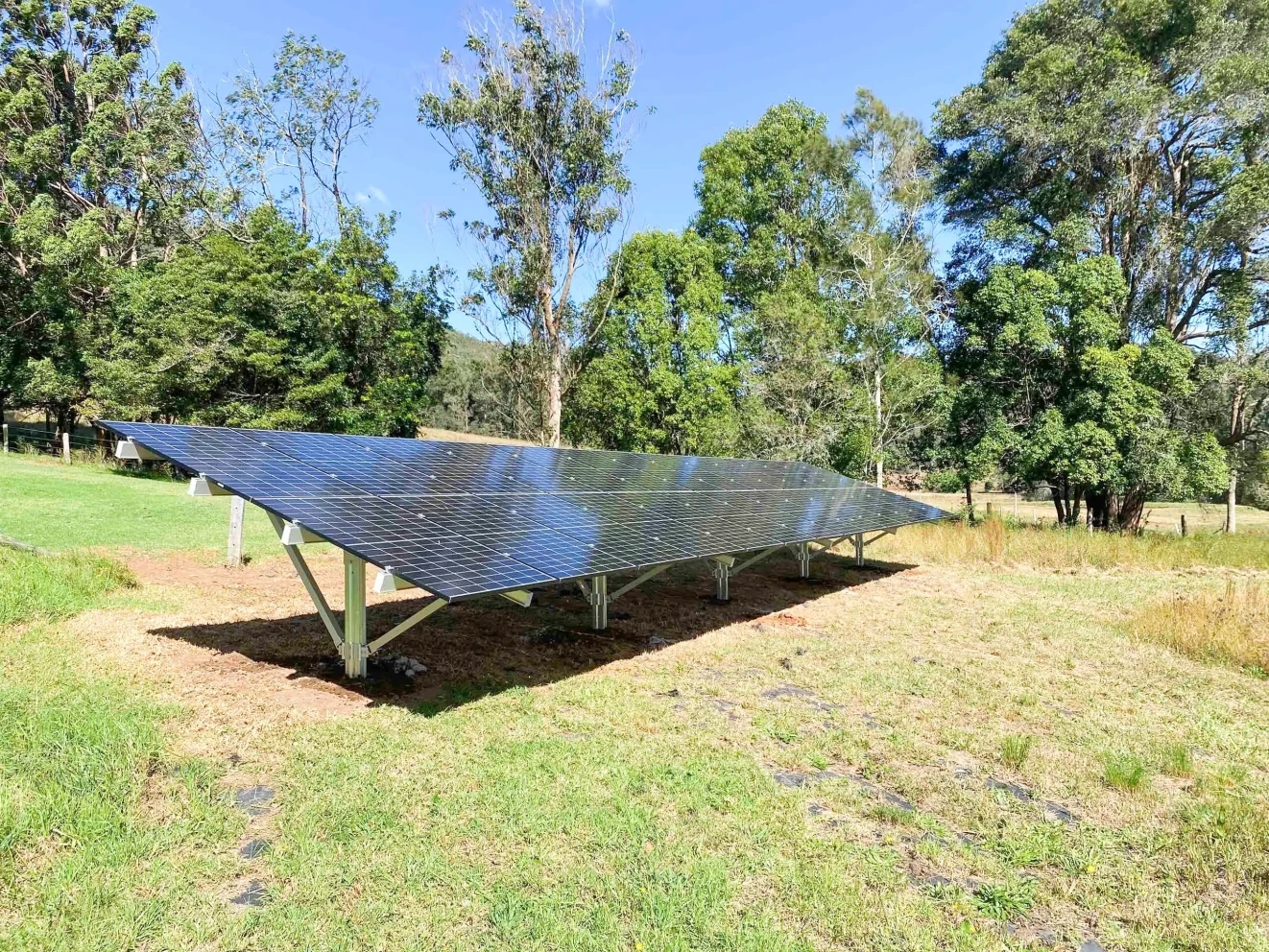
Ground mounts solve these problems with brute force simplicity. You pick the spot. You clear the shade. You set the angle to perfectly match your latitude for maximum year-round production. In 2026, with energy prices still fluctuating wildly, efficiency isn’t just a nice-to-have; it’s a financial necessity. A ground-mounted system can often produce 10-25% more energy than a comparable rooftop setup because you can optimize the tilt and orientation without being constrained by your house’s architecture.
Then there’s the maintenance factor. When panels are on the ground, cleaning them doesn’t require a ladder and a prayer. Snow removal? Easy. Checking connections? No risk of falling off the eaves. For anyone thinking about long-term sustainability, accessibility matters. Plus, if you ever decide to expand your system, adding more panels to a ground mount is infinitely easier than trying to squeeze them onto a crowded roof. It’s about flexibility. And in a world that feels increasingly rigid, having control over your infrastructure is a powerful thing.
The Dirt Cheap Reality: Sourcing Materials Without Breaking the Bank
One of the biggest myths about DIY solar is that it’s prohibitively expensive. Sure, if you buy pre-engineered racking kits from big-name brands, you’ll pay a premium for convenience. But if you’re willing to get creative, the costs drop dramatically. Take Dan from the Personal Power Project, for instance. He managed to build sturdy angle iron mounts for less than $100 per panel using materials sourced entirely from Home Depot. That’s nuts, bolts, screws, mounting bricks, and the steel itself. No fancy aluminum extrusions. Just raw, functional hardware.
The key is to think like a scavenger and a engineer at the same time. Angle iron is cheap, strong, and easy to work with if you have a basic drill and some metal-cutting skills. Concrete mounting blocks can be poured yourself or bought pre-cast for a fraction of the cost of specialized solar footings. In 2026, with supply chains still occasionally hiccuping, sourcing locally is not just eco-friendly; it’s practical. You avoid shipping delays and support local hardware stores that often have better prices on bulk items than online giants.
But don’t skimp on the essentials. While you can save on the rack structure, never compromise on the electrical components. Use UL-listed connectors, proper gauge wire, and a reputable inverter. The rack holds the panels; the electronics keep your house from burning down. It’s a balance. Spend time researching deals on used panels if you’re on a tight budget—many commercial upgrades leave perfectly good panels available for a song—but invest in quality wiring and safety gear. Your future self will thank you when you’re not troubleshooting a fire hazard.
Sweat Equity: The Physical Toll and the Learning Curve
Let’s talk about the work. Because it is work. Real, back-breaking, sun-burning work. Building a ground mount isn’t a weekend hobby project you knock out between brunch and dinner. It’s a multi-day endeavor that tests your patience and your physical limits. You’re digging post holes in hard soil. You’re leveling rails to within a fraction of an inch. You’re lifting forty-pound panels into place while trying not to drop them on your toes.
The heat is a real enemy. As mentioned earlier, working in ninety-degree weather leads to dehydration and fatigue quickly. You need to pace yourself. Work in the early morning or late afternoon. Take breaks. Wear a hat. And yes, use lip balm with SPF. It sounds trivial, but those small discomforts add up and can ruin your focus. When you’re tired and hot, you make mistakes. You strip a screw. You misalign a hole. You get frustrated.
But there’s a profound satisfaction in pushing through that discomfort. Each bolt tightened is a victory. Each level check that passes is a step forward. You learn things you didn’t know you needed to know. How to read the soil. How to torque a bolt correctly. How to manage your energy levels. It’s a crash course in resilience. And when you stand back at the end of the day, covered in dust and sweat, looking at a row of panels that you put there, the pride is tangible. It’s not just a structure; it’s a testament to your capability.
Navigating the Red Tape: Permits and Safety in 2026
Here’s the part nobody likes to talk about: bureaucracy. You can’t just stick panels in the ground and plug them in. Well, you can, but it’s illegal and dangerous. Most municipalities require permits for solar installations, even DIY ones. In 2026, regulations have become slightly more streamlined in many areas due to the push for renewable energy, but they’re still there. You’ll likely need an electrical permit and possibly a building permit for the structure itself.
Start by calling your local building department. Ask specifically about DIY solar guidelines. Some areas have pre-approved plans for standard ground mounts, which can save you weeks of engineering reviews. Others might require a stamped drawing from a licensed engineer. It varies wildly. Don’t skip this step. Unpermitted work can void your homeowner’s insurance and cause huge headaches if you ever sell your property.
Safety is paramount. Ground faults, arc faults, and improper grounding can lead to fires or electrocution. If you’re not comfortable with high-voltage DC wiring, hire a licensed electrician for the final hookup. There’s no shame in knowing your limits. Many DIYers build the entire mechanical structure and run the conduit, then pay a pro for the final connection to the main panel. It’s a smart compromise that keeps you safe and compliant. Remember, the goal is independence, not liability.
Maximizing Output: Angle, Orientation, and Maintenance
Once the structure is up, the science kicks in. To get the most bang for your buck, you need to optimize the position of your panels. In the northern hemisphere, facing true south is ideal. But “true” south isn’t always magnetic south, so use a compass app that accounts for declination. The tilt angle should roughly match your latitude for year-round production. If you want to maximize winter production (when days are short and energy demand is high), tilt them steeper. For summer, go flatter. Some advanced DIYers build adjustable mounts that let them change the angle seasonally, boosting annual yield by another 5-10%.
Shading is the silent killer of solar efficiency. Even a small shadow from a nearby bush or fence post can disproportionately reduce output because panels are often wired in series. One shaded cell can drag down the whole string. Walk your site at different times of day and year to identify potential shading issues. Trim trees. Move fences. Be ruthless about keeping the sky view clear.
Maintenance is surprisingly low, but not zero. Dust, pollen, and bird droppings can coat your panels and reduce efficiency by up to 20% in dry climates. A simple hose-down once a month during dry spells makes a huge difference. Check your connections annually for corrosion or looseness. Monitor your system’s output via your inverter’s app. If you see a sudden drop in production, investigate immediately. It could be a faulty panel, a broken wire, or just a lot of dirt. Stay vigilant.
So, what’s the end game? Yes, the electricity bill goes down. Often, it disappears entirely. In some cases, you might even earn credits from your utility company for excess power sent back to the grid. But the financial savings are just the tip of the iceberg. The real payoff is psychological. It’s the feeling of security when the grid goes down during a storm and your lights stay on. It’s the knowledge that you’re reducing your carbon footprint in a tangible, measurable way.
There’s also a community aspect. When neighbors see your project, they ask questions. They get curious. You become a resource. You inspire others to take that first step. In 2026, as climate concerns grow and energy costs remain volatile, these small acts of self-sufficiency ripple outward. You’re not just powering your home; you’re participating in a larger shift toward decentralized, resilient energy systems.
And let’s not forget the personal growth. You learned a new skill. You solved complex problems. You endured discomfort and came out stronger. That confidence spills over into other areas of life. If you can build a solar array, what else can you do? The answer is usually: more than you thought. That’s the true energy independence. It’s not just about watts and volts. It’s about believing in your own ability to shape your world.
Looking back at that first day, with the sun beating down and my lips cracking, it’s hard to believe how far this journey has come. It wasn’t easy. It wasn’t cheap in terms of effort. But it was worth every drop of sweat. If you’re standing on the edge of this decision, wondering if you have what it takes, know this: you do. Start small. Plan well. Stay safe. And don’t forget the lip balm. Your future self is waiting, and the view from here is bright.