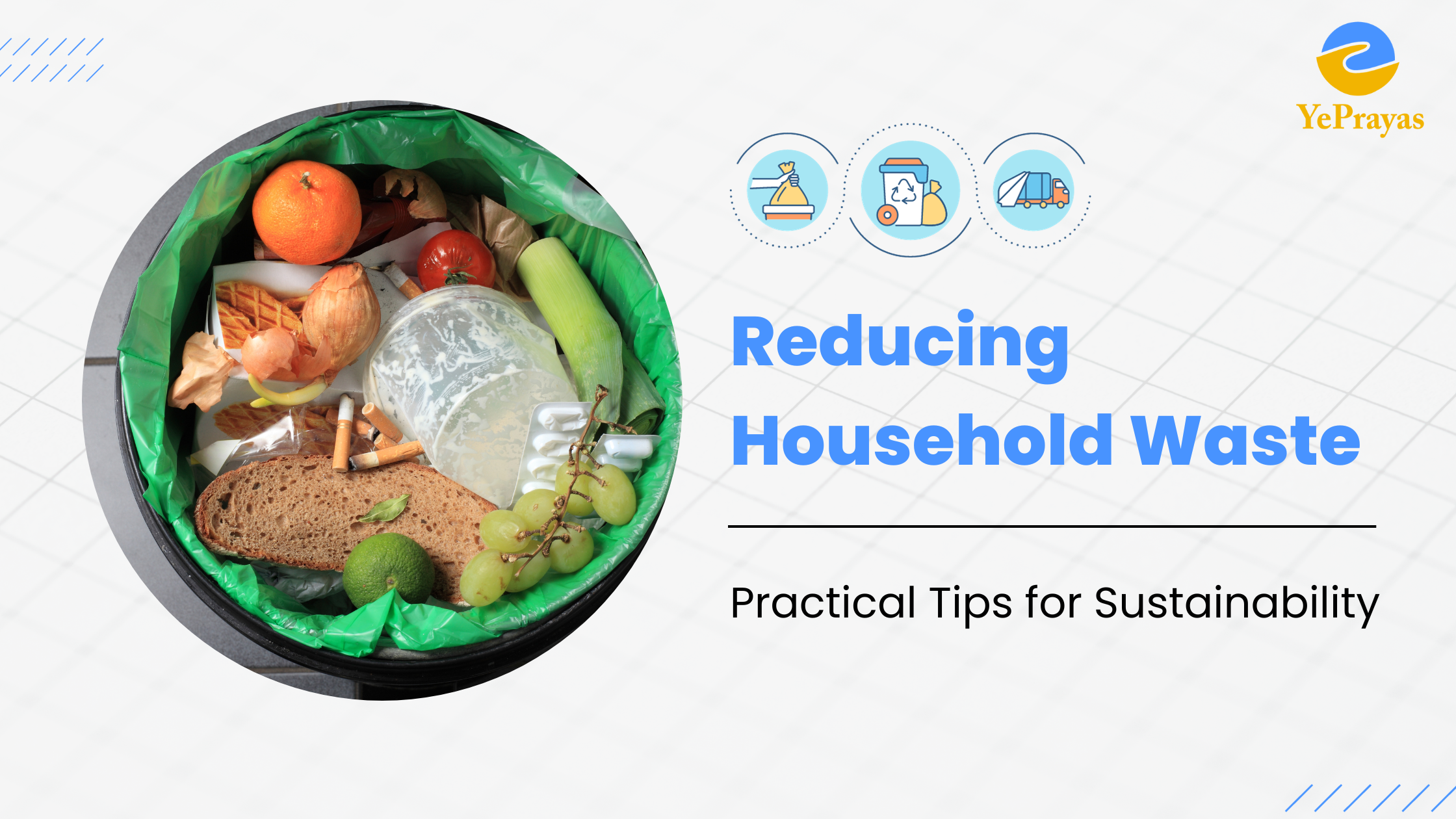
Let’s be honest for a second. Looking at that overflowing trash bin at the end of the week feels kinda gross, doesn’t it? It’s not just the smell or the mess. It’s that nagging feeling that we’re doing something wrong. We toss plastic wrappers, food scraps, and broken gadgets into the black bag, hoping the recycling fairy will sort it all out later. But here’s the thing: the fairy is tired. The system is clogged. And frankly, relying on the blue bin isn’t enough anymore.
The average American still churns out about five pounds of trash every single day. That adds up fast. But what if you could cut that number down to just one pound? Or even less? It sounds impossible when you’re staring at a mountain of packaging from your latest online order. Yet, thousands of households are doing it right now. They aren’t living in tiny cabins in the woods or making their own toothpaste from charcoal. They’re regular people who figured out that reducing waste isn’t about perfection. It’s about making smarter choices, one item at a time.
This isn’t about shaming you for buying a coffee in a disposable cup. Life happens. Sometimes you’re late, sometimes you’re tired, and sometimes you just need the caffeine. This guide is different. It’s a realistic roadmap to slashing your household waste by 80 percent. We’re going to look at what’s actually working in 2026, skip the preachy stuff, and focus on changes that stick. You might be surprised at how much money you save along the way.
Rethinking the Recycling Myth
For years, we’ve been told that recycling is the golden ticket to sustainability. Toss it in the blue bin, and you’ve done your part. Right? Well, not exactly. Recent data shows that traditional recycling is struggling big time. Contamination rates are through the roof because people are confused about what goes where. Plus, the markets for recycled materials are volatile. Sometimes, there’s literally nowhere for that plastic to go except the landfill anyway.
Don’t get me wrong, recycling is better than landfilling. But it’s not the best option. The best option is to not create the waste in the first place. Think of recycling as the last resort, not the first line of defense. In 2025 and 2026, innovative strategies have shifted the focus upstream. Instead of asking "Can I recycle this?", we’re starting to ask "Do I really need this?" It’s a subtle shift, but it changes everything.
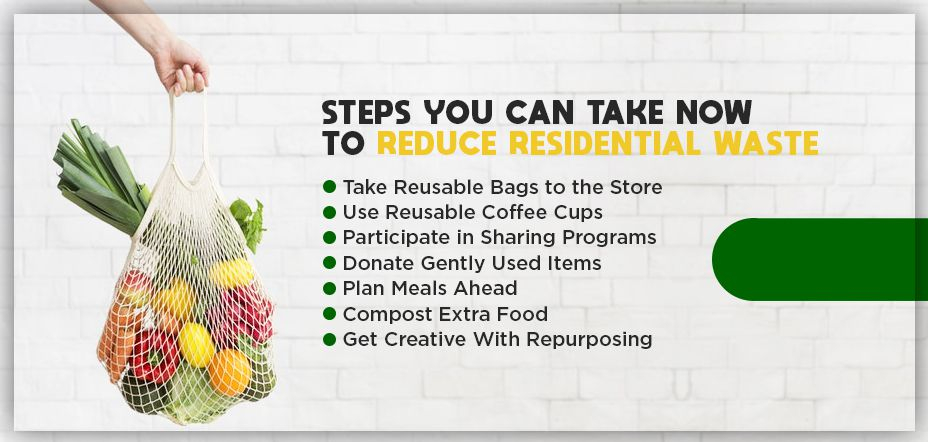
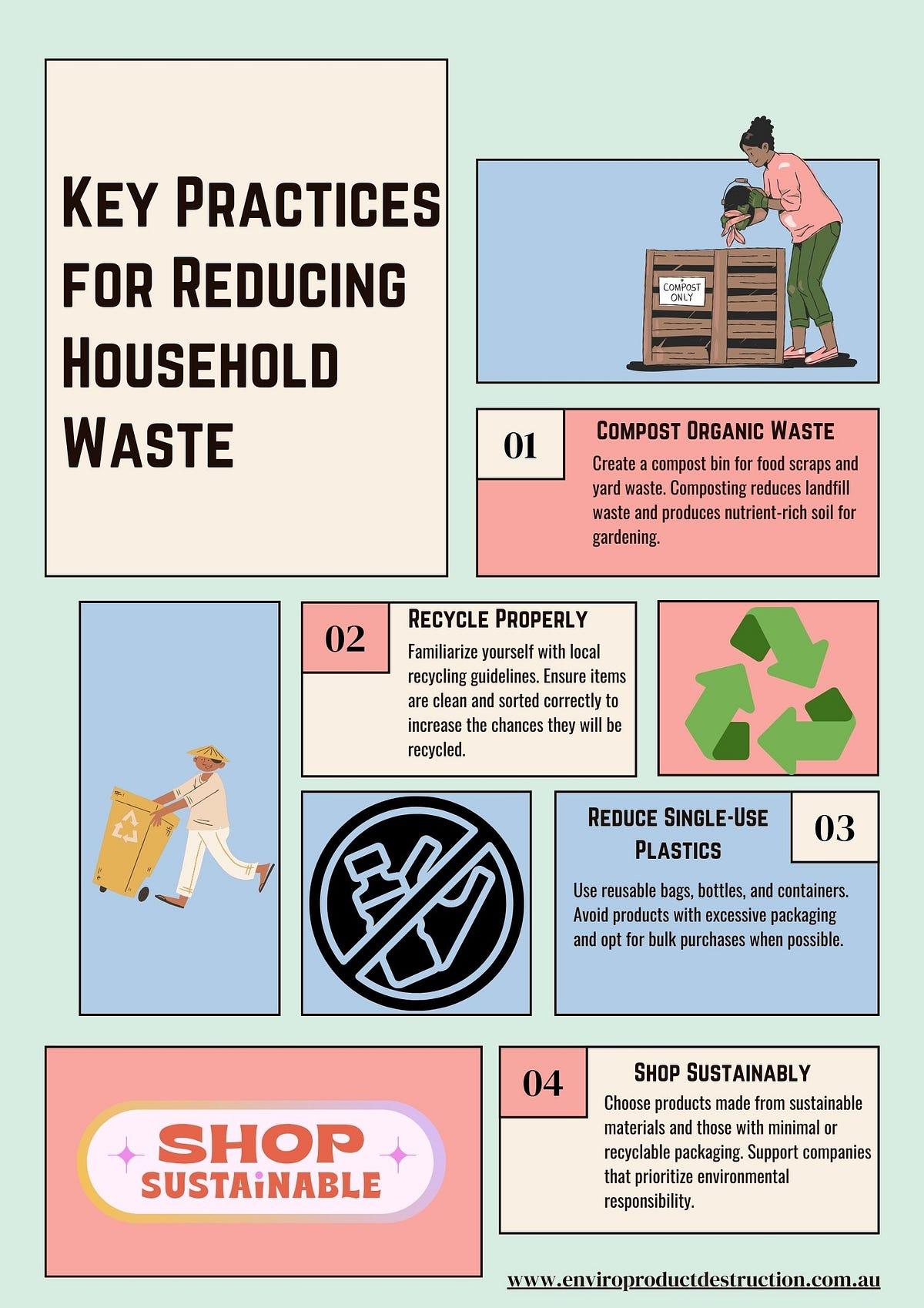
So, stop beating yourself up if you can’t find a recycling center for that weird plastic clamshell. Focus on reduction first. Buy in bulk to avoid individual packaging. Use reusable bags, sure, but also reusable produce bags. Bring your own container to the deli counter. These small actions prevent waste from entering your home, which means you never have to worry about how to dispose of it. It’s simpler, cleaner, and way more effective.
The Kitchen: Where Waste Lives (and Dies)
If you want to make a huge dent in your trash output, start in the kitchen. It’s the heart of the home, but it’s also the biggest source of household waste. Food scraps, plastic wrap, paper towels, and packaging all converge here. The good news? It’s also the easiest place to make impactful changes. You don’t need fancy gadgets. You just need a bit of planning.
Start with food waste. It’s a massive problem. When we throw away food, we’re also throwing away the water, energy, and labor that went into growing it. Try meal planning for just three days a week. You don’t have to plan every meal, but having a rough idea prevents those impulse buys that end up rotting in the crisper drawer. Store your veggies properly too. Did you know carrots last longer in water? Or that herbs stay fresh in a jar like flowers? Little tricks like these keep food edible for days longer.
Next, tackle the disposables. Paper towels are convenient, but they’re a huge waste generator. Swap them for cloth rags. Keep a basket of old t-shirts cut into squares under the sink. Use them for spills, then toss them in the wash. It feels weird at first, but you’ll get used to it. Same goes for plastic wrap. Beeswax wraps or simple silicone lids work great for covering leftovers. They pay for themselves in a few months, and you’ll never buy plastic wrap again.
Shopping Smarter, Not Harder
Our shopping habits dictate our waste levels. If you buy it packaged, you’re stuck with the package. But changing how you shop doesn’t mean you have to visit ten different specialty stores. It’s about tweaking where and how you buy the things you already need. In 2026, more grocery stores are offering bulk sections, and even conventional supermarkets are catching on. Take advantage of this.
Bring your own containers. Yes, some stores require you to tare them at the customer service desk, but many just let you weigh them at home and write the weight on the bag. It’s easier than you think. Buy rice, pasta, nuts, and spices in bulk. You’ll save money because you’re not paying for the branding and packaging. Plus, you only buy what you need. No more half-empty boxes of crackers taking up space.
Also, look at what you’re buying, not just how it’s packaged. Choose products with minimal or compostable packaging. Support brands that use refillable systems. Some companies now send you concentrated refills in small packets that you mix with water in your existing bottles. It cuts down on shipping weight and plastic use significantly. Every time you choose a loose apple over a pre-packaged tray, you’re voting for a less wasteful system. It adds up.
Bathroom Swaps That Stick
The bathroom is another hotspot for single-use plastics. Shampoo bottles, toothpaste tubes, razor cartridges—they all end up in the trash pretty quickly. But unlike the kitchen, where convenience is king, the bathroom is about routine. Once you set up a new routine, it becomes automatic. The key is to swap items out as they run out, not all at once. Don’t throw away half-full bottles. That’s wasteful too.
When your shampoo runs out, try a solid shampoo bar. They’ve come a long way since the early days. Now, they lather well, smell amazing, and last for months. One bar can replace three or four plastic bottles. Same for conditioner. If bars aren’t your thing, look for brands that offer aluminum bottle refills or take-back programs. Some local shops even let you refill your own bottles with bulk soap and shampoo.
Toothbrushes are tricky. Bamboo ones are popular, but the bristles are usually still nylon. Look for brands that have a take-back program for the heads. Or, consider a toothbrush with a replaceable head and a permanent handle. Razors? Ditch the disposable cartridges. A safety razor costs a bit more upfront, but the blades are cheap, recyclable metal, and give a better shave. It’s a learning curve, but your skin and the planet will thank you.
Clothing and Textiles: The Silent Waste Stream
We often forget about clothes when we talk about household waste. But the fashion industry is a huge polluter, and our closets are full of items we barely wear. Fast fashion has trained us to treat clothes as disposable. But textiles don’t break down easily in landfills. They sit there for decades, releasing methane and microplastics. Reducing textile waste is crucial for hitting that 80 percent goal.
Start by auditing your closet. What do you actually wear? What’s sitting there with tags on? Sell the good stuff, donate the decent stuff, and recycle the worn-out items. Many brands now have take-back schemes for old clothes, even if they’re torn. Turn old t-shirts into cleaning rags (see the kitchen section!). It’s a perfect circle.
When you do buy new clothes, buy less but buy better. Choose natural fibers like cotton, wool, and linen when possible. They last longer and are biodegradable. Avoid synthetic blends if you can, as they shed microplastics in the wash. And please, learn to mend. Sewing on a button or fixing a small tear takes ten minutes. It saves the garment from the landfill and saves you from buying a replacement. There’s a quiet satisfaction in wearing something you’ve repaired. It tells a story.
Here’s the secret nobody tells you: you’re going to fail. You’ll forget your reusable bags. You’ll buy a snack in plastic wrapper because you were hungry and had no other choice. You’ll break a glass jar and sigh. That’s okay. Perfection is the enemy of progress. The goal isn’t to produce zero waste overnight. It’s to reduce your impact by 80 percent over time. That leaves room for life to happen.
Connect with your community. Share tips with neighbors. Start a composting group if your city doesn’t offer it. Swap clothes with friends. Repair cafes are popping up everywhere, where volunteers help you fix broken electronics or furniture. These connections make the journey fun and less isolating. You realize you’re not alone in this. Everyone is figuring it out as they go.
Remember, this is a marathon, not a sprint. Celebrate the small wins. Did you remember your coffee cup today? Win. Did you compost your banana peels? Win. Did you repair that toaster instead of tossing it? Huge win. These moments add up. They build habits that last. And before you know it, that trash bin is barely half full. You’ve saved money, reduced your carbon footprint, and simplified your life. Not bad for a little bit of effort, right?
So, where do you start? Pick one thing. Just one. Maybe it’s switching to cloth napkins. Maybe it’s buying loose produce. Maybe it’s finally learning how to compost. Do that one thing until it feels normal. Then pick another. Don’t rush. Don’t stress. Just keep moving forward, beyond the bin. You’ve got this. And honestly? It feels pretty good.