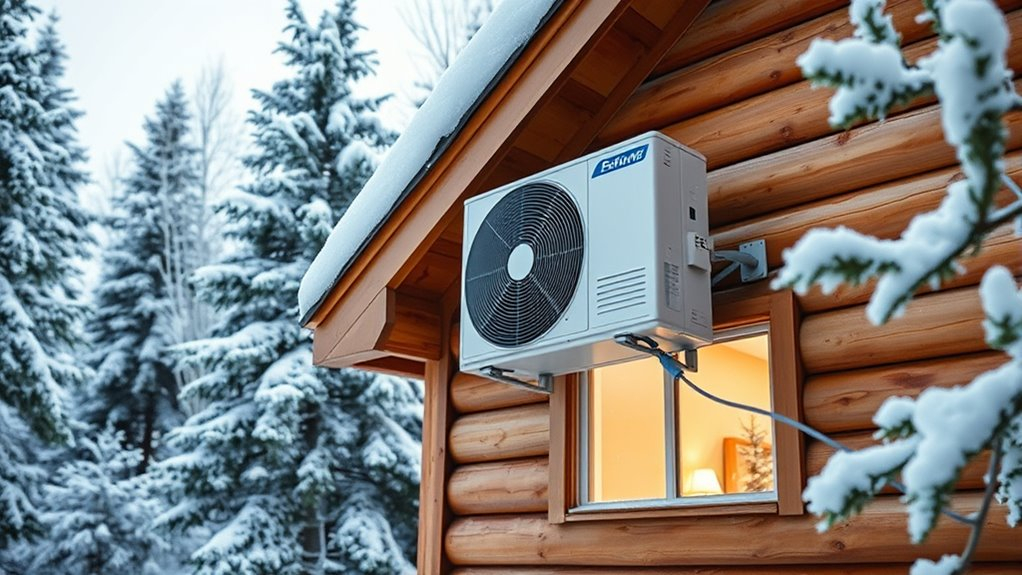
It’s a common myth that heat pumps are delicate creatures, shivering at the first sign of frost. You might picture them as fair-weather friends, great for a mild autumn day in Seattle but useless once the snow starts piling up in Fairbanks or Duluth. But that idea? It’s outdated. Like, really outdated. In 2026, the reality on the ground—and in the attics and basements of the northernmost homes in America—is vastly different. People are keeping their toes warm without burning a fortune on propane or oil.
The secret isn’t magic. It’s engineering that has caught up with the climate. We’re talking about machines that can pull warmth from air that feels like ice to the touch. It sounds counterintuitive, right? How can you get heat from something that’s already freezing? Well, science says there’s still energy there, and modern compressors are smart enough to grab it. From the coastal towns of Southeast Alaska to the windy plains of Minnesota, homeowners are finding that these systems aren’t just surviving the winter. They’re thriving.
The Science of Stealing Warmth from Cold Air
Let’s break down the weird physics for a second. A heat pump doesn’t actually create heat. Not exactly. It moves it. Think of it like a refrigerator running in reverse. Your fridge pulls heat out of the food inside and dumps it into your kitchen. A heat pump pulls heat from the outside air—even when it’s bitterly cold—and pushes it into your living room. Even at minus 20 degrees Fahrenheit, there is still thermal energy floating around in the air molecules. It’s just harder to catch.
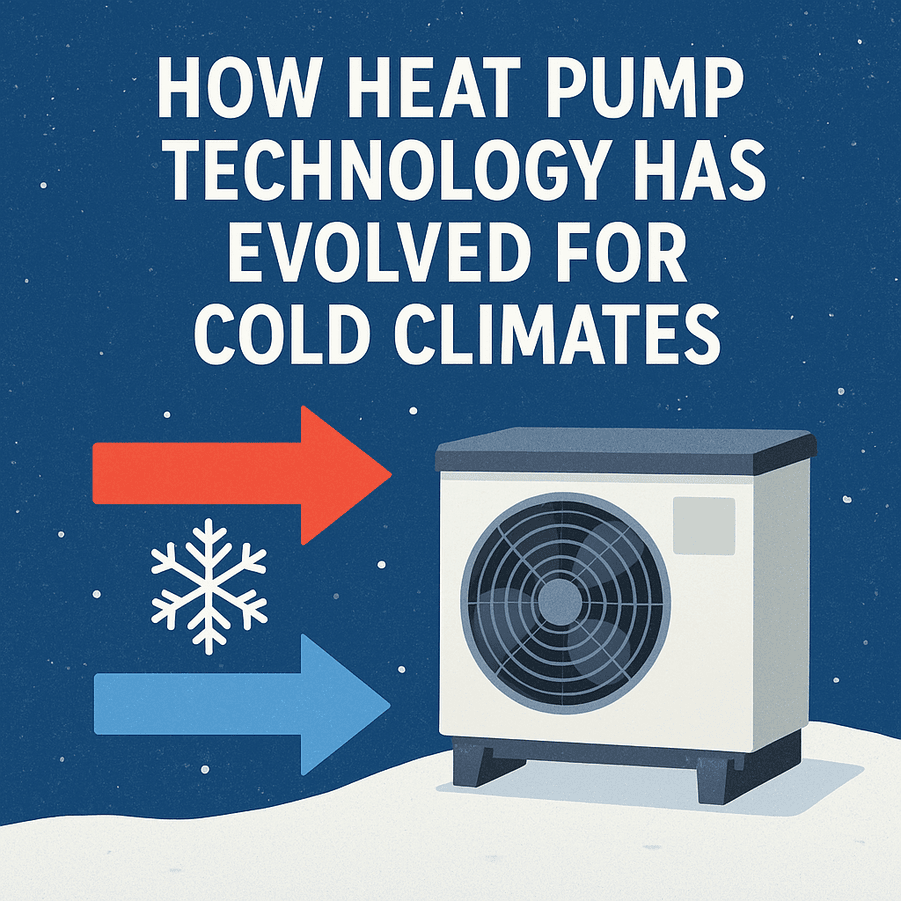
Older models struggled with this. They’d gag on the cold, efficiency dropping off a cliff as the thermometer dipped. But the new generation of "cold-climate" heat pumps uses advanced inverters and specialized refrigerants. These allow the compressor to run at variable speeds, ramping up power when it needs to work harder to extract that elusive warmth. In places like Juneau, where the damp cold can seep into your bones, these systems are now the most common heating installation. It’s not a niche experiment anymore. It’s the standard.
This tech shift matters because it changes the math on home comfort. You aren’t relying on combustion. You’re relying on electricity to move energy, which is inherently more efficient. For every unit of electricity you put in, you can get two or three units of heat out. That ratio, called the Coefficient of Performance (COP), stays respectable even in the deep freeze. It’s why organizations like Alaska Heat Smart are pushing hard for adoption. They’ve seen the bills drop. They’ve felt the consistent warmth. The science holds up when the wind howls.
Real World Results from Anchorage to Fairbanks
Data is nice, but what about the guy shoveling his driveway in Anchorage? Or the family in Fairbanks dealing with minus 40 degree mornings? The proof is in the daily experience. In Southeast Alaska, from Ketchikan to Kodiak, heat pumps have taken over. The climate there is milder, sure, but it’s still no walk in the park. Yet, the Alaska Housing Finance Corporation has been tracking this closely. Their findings show that air source heat pumps are cutting heating costs significantly for residents who switch from electric resistance heaters or old oil boilers.
Move inland to Fairbanks, and the story gets more nuanced but still positive. Here, the cold is extreme. It tests the limits of any machine. Modern cold-climate units are rated to operate efficiently down to minus 15 or even minus 25 degrees. Below that, they might need a little help. Many homeowners use a hybrid approach. The heat pump does the heavy lifting during the shoulder seasons and the moderate winter days. When the polar vortex hits, a small backup system—maybe electric resistance strips or a existing gas furnace—kicks in. It’s not all or nothing. It’s a team effort.
Testing by the University of Alaska’s Center for Energy and Power has backed this up. They’ve put these units through the ringer in real Alaskan conditions. The results? They work. They keep houses warm. And crucially, they do it without the massive carbon footprint of fossil fuels. For rural communities relying on expensive delivered fuel, this is a game changer. It’s not just about being green. It’s about keeping money in local pockets instead of sending it off to oil suppliers. The reliability is there, provided you buy the right unit for your zone.
The Upper Midwest Embraces the Change
It’s not just an Alaska thing. Look at the Upper Midwest. Minnesota, Wisconsin, the Dakotas. These places know winter. They respect it. And increasingly, they’re choosing heat pumps. Why? Because the technology has crossed the threshold of practicality. In 2026, utility companies in states like Minnesota are offering rebates that make the upfront cost much easier to swallow. They want you to switch. Why? Because heat pumps reduce peak demand on the grid compared to everyone cranking up electric baseboards at the same time.
In cities like Duluth or Fargo, the adoption curve is climbing steeply. Homeowners are realizing that air conditioning is built in. You get cooling in the summer, which is becoming more valuable as summers get hotter and more humid. It’s a two-for-one deal. No separate AC unit needed. Just one sleek outdoor condenser and some indoor heads. This simplicity appeals to people tired of maintaining two different systems. Plus, the noise levels on modern mini-splits are whisper quiet. You barely know they’re there until you notice the room is comfy.
There’s also a cultural shift happening. Neighbors talk. When one house on the block switches and the owner raves about the even heat and lower bills, others listen. It’s spreading through word of mouth, supported by local contractors who are getting trained on these specific cold-climate models. It’s not a foreign concept anymore. It’s a local solution. The stigma that heat pumps are "weak" heaters is dying out, replaced by data and personal testimony from people who’ve lived through a Midwest winter with one.
Navigating the Challenges of Permafrost and Installation
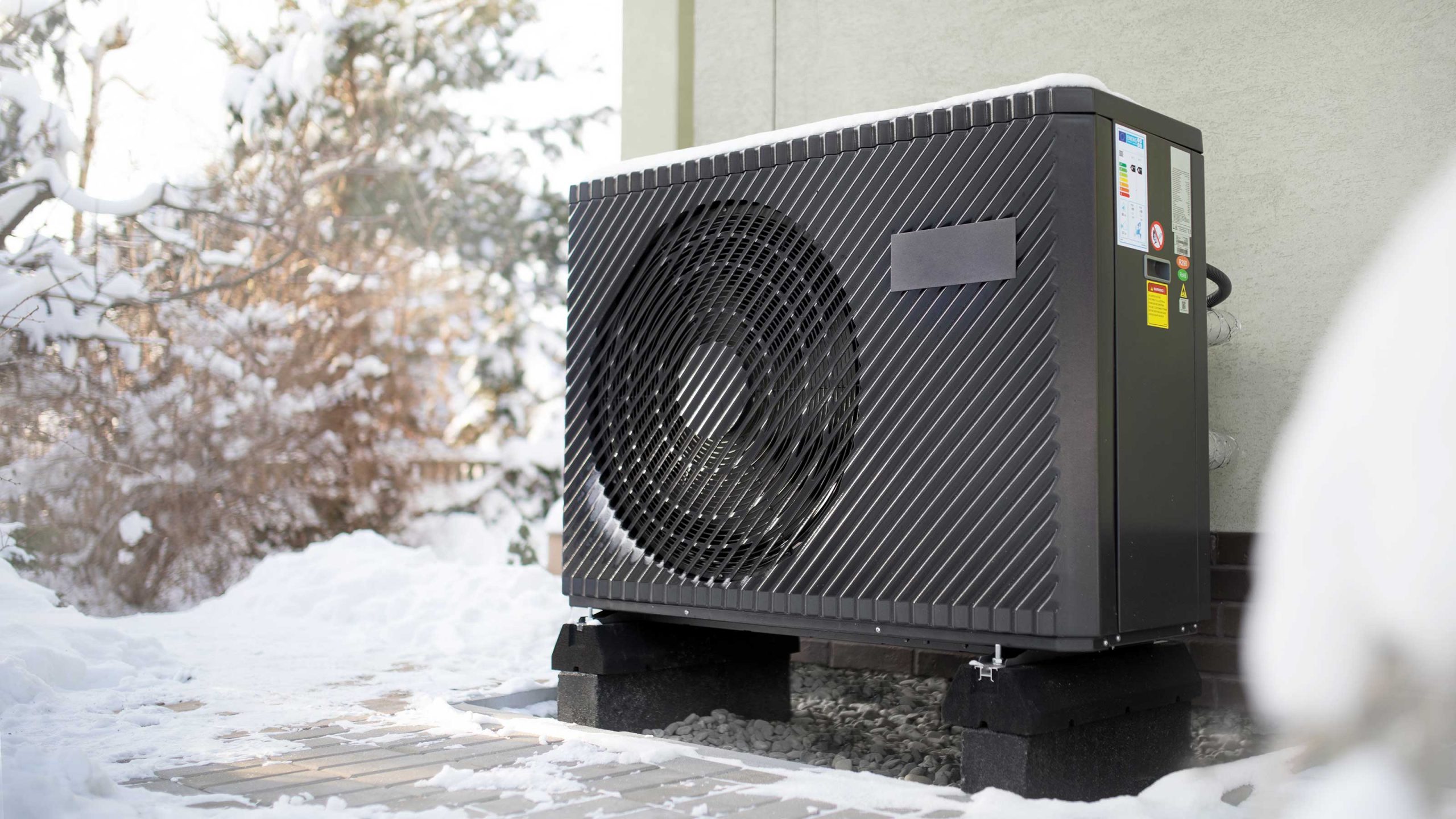
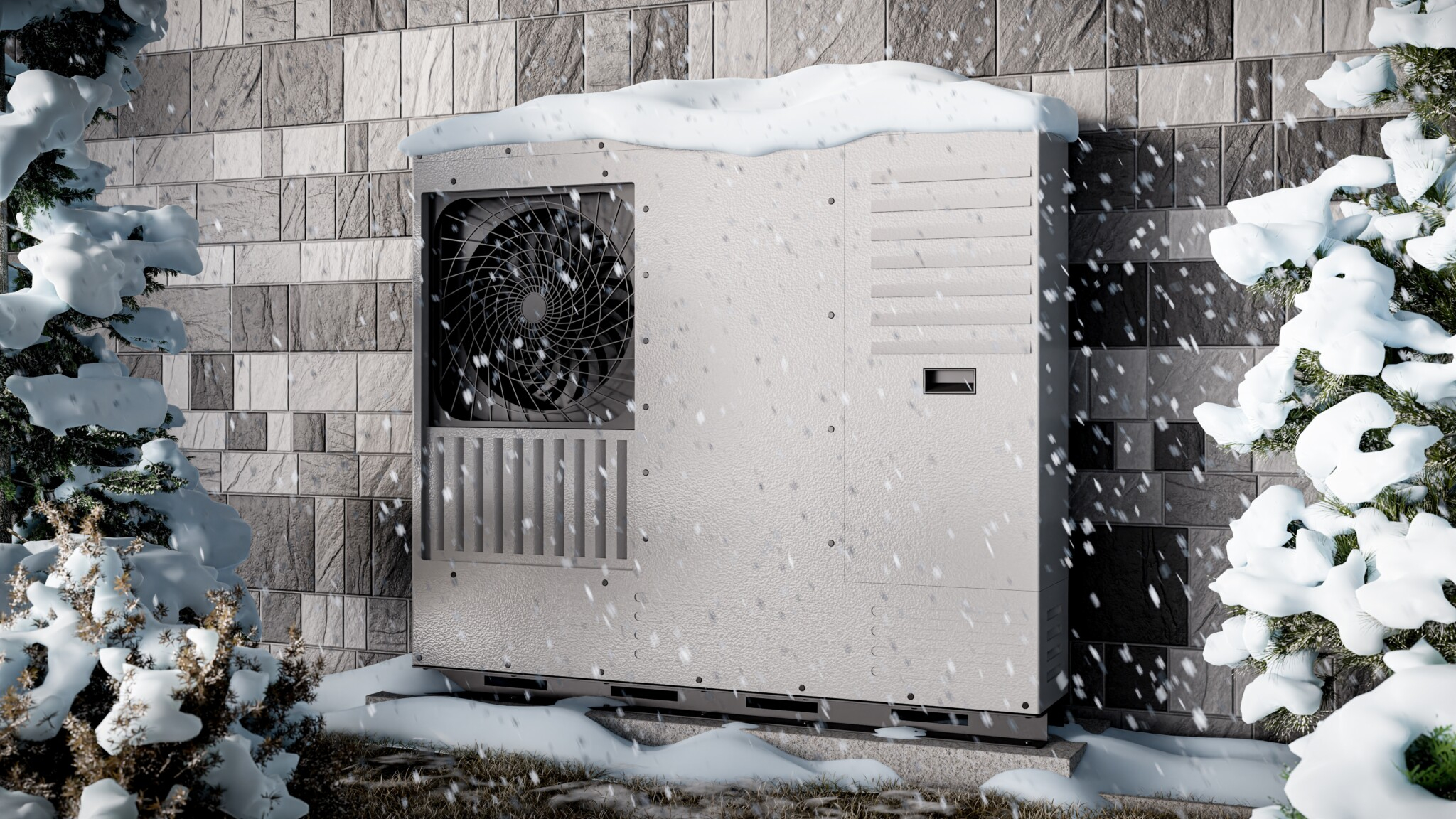
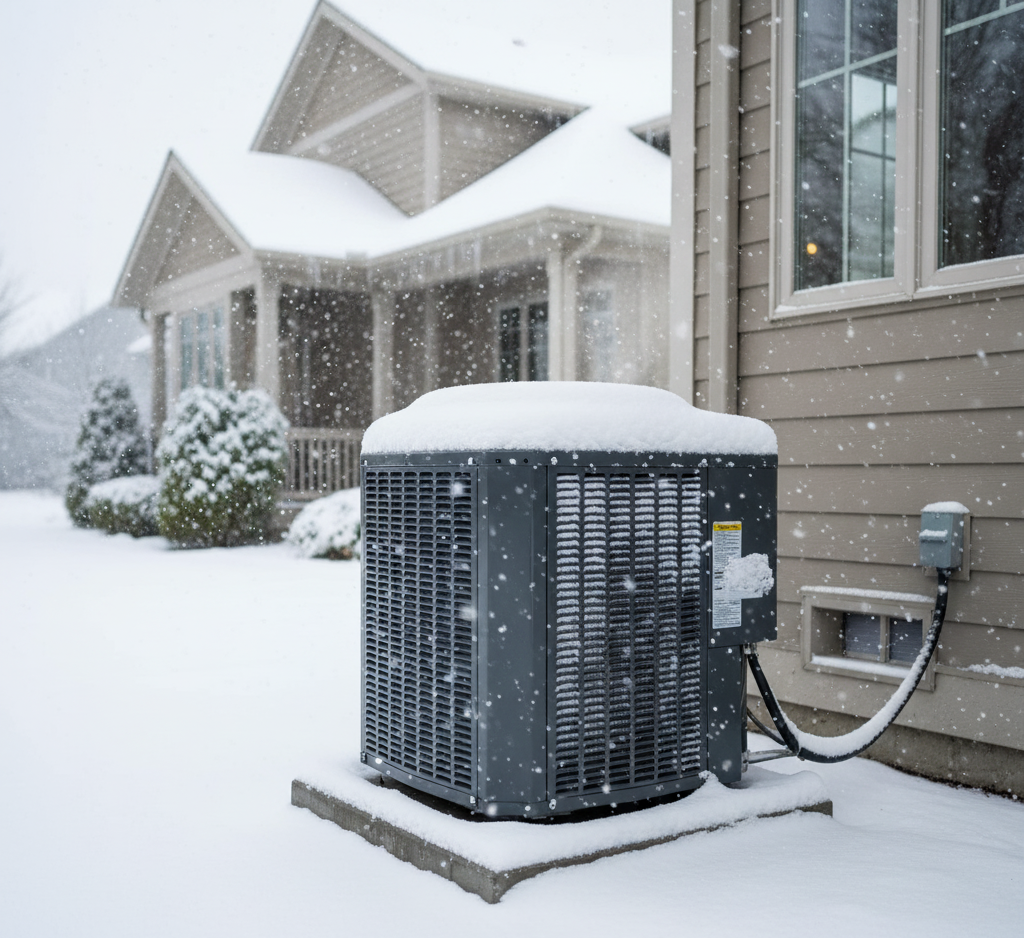
Okay, let’s be real. It’s not all smooth sailing. Installing a heat pump in the far north comes with hurdles. In Alaska, permafrost is a big deal. If you’re looking at ground-source (geothermal) heat pumps, you have to be careful. Digging loops into frozen ground that might thaw and shift is risky and expensive. That’s why air-source units are more popular. They sit on a pad above ground. No digging required. Less risk. But even air-source units need proper placement. Snow drifts can block airflow. Ice buildup on the outdoor unit can happen.
Modern units have defrost cycles to handle ice, but placement matters. You don’t want your outdoor unit under a roof eave where melting snow can refreeze into a giant icicle block. You want it in a spot with good air circulation and protection from drifting snow. This requires a knowledgeable installer. Not every HVAC tech in the lower 48 knows how to handle a install in Barrow or Bettles. Local expertise is key. That’s why community bulk purchase programs in Southeast Alaska are so successful. They pair homeowners with vetted installers who know the local quirks.
Another challenge is the electrical panel. Older homes in the Upper Midwest and Alaska might not have the capacity for a new high-draw appliance, although heat pumps are efficient, the startup surge can be an issue if the panel is ancient. Upgrading the electrical service can add to the cost. It’s a hidden expense that catches some people off guard. But again, incentives help. Tax credits and state rebates in 2026 are designed to cover not just the unit, but the necessary infrastructure upgrades. It’s about looking at the whole picture, not just the price tag on the box.
Making the Economics Work for You
Let’s talk money. Because at the end of the day, that’s what drives most decisions. Heat pumps used to be pricey. The upfront cost was a barrier. But in 2026, the landscape has changed. Federal tax credits are robust. Many states in the Upper Midwest and Alaska have their own layered incentives. When you stack them up, the net cost can be comparable to replacing a traditional furnace and AC separately. And then there’s the operating cost. If you’re switching from propane, oil, or electric resistance heat, the savings are immediate and substantial.
Electricity rates vary wildly. In Southeast Alaska, hydroelectric power is cheap and abundant. That makes heat pumps a no-brainer economically. In other parts of Alaska or the Midwest, electricity might be more expensive. But even then, the efficiency gains often offset the higher rate. You’re using less energy to get the same amount of heat. It’s simple math. Over the life of the system, which can be 15 to 20 years, the savings add up to thousands of dollars. That’s money that stays in your bank account.
There’s also the value of comfort. It’s hard to put a price on not having cold spots in your house. Heat pumps, especially ductless mini-splits, allow for zoned heating. You can keep the bedrooms cool for sleeping and the living room warm for movie night. You aren’t heating empty rooms. This granular control saves energy too. It’s a smarter way to heat. And as fuel prices for oil and propane continue to be volatile, locking in a system that runs on electricity—which is generally more stable in price—offers peace of mind. It’s a hedge against uncertainty.
So, you’re convinced. Or maybe you’re still on the fence. Either way, choosing the right system is critical. Not all heat pumps are created equal. You need a unit specifically rated for cold climates. Look for the H2I (Hyper Heating) label or similar certifications that guarantee performance at low temperatures. Brands like Mitsubishi, Fujitsu, and Gree have models designed specifically for these harsh environments. Don’t let a contractor sell you a standard unit meant for Georgia. It won’t cut it in Minnesota.
Size matters too. Oversizing is a common mistake. A unit that’s too big will short cycle—turn on and off rapidly—which wears it out and reduces efficiency. Undersizing means you’ll be cold on the coldest days. A proper load calculation is essential. This takes into account your insulation, window quality, and air sealing. Speaking of which, a heat pump works best in a tight, well-insulated home. If your house is drafty, you’re wasting energy. Before you install, consider an energy audit. Seal the leaks. Add insulation. Then size the pump. It’s a holistic approach.
Finally, think about your backup plan. In the deepest parts of Alaska or the coldest pockets of the Midwest, having a secondary heat source is wise. It doesn’t have to be your primary. It’s just insurance. Maybe it’s a wood stove for ambiance and emergency heat. Maybe it’s the existing furnace kept as a backup. Knowing your system has support gives you confidence. Talk to neighbors. Check with local utilities. Look at programs like Alaska Heat Smart for guidance. Do your homework. The right system, installed correctly, will serve you well for decades.
The shift toward heat pumps in the coldest parts of North America isn’t a trend. It’s a transformation. It’s driven by better technology, economic sense, and a desire for cleaner, more comfortable homes. Whether you’re in a cabin in the woods near Fairbanks or a suburban home in Wisconsin, the option is there. It works. It’s reliable. And it’s ready for the winter ahead. Don’t let the old myths freeze you out. The future of heating is already here, and it’s surprisingly warm.