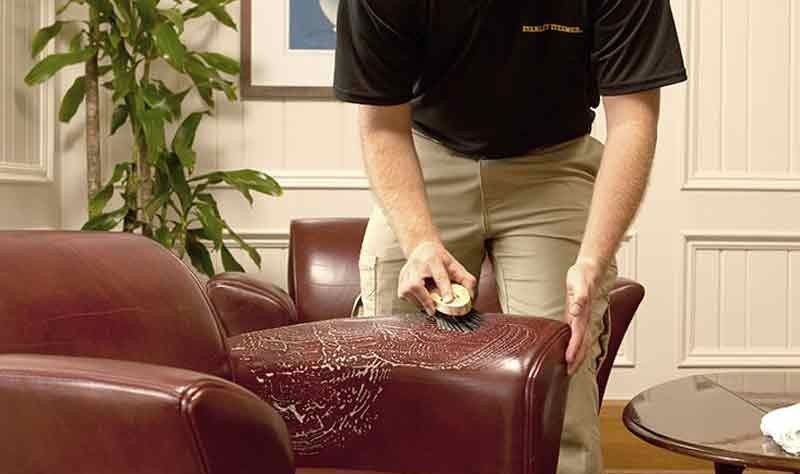
You know that feeling when you first sink into a brand-new leather sofa? It’s cool, smooth, and smells like… well, success. It feels like an investment. But then, six months later, you notice a weird scratch near the armrest. Or maybe it’s starting to look a bit dull in the spots where you actually sit. Panic sets in. Did you ruin it? Is it supposed to do that?
Here is the thing most salespeople won’t tell you while they are ringing up your purchase: leather is skin. It breathes, it ages, and it reacts to its environment just like your own skin does. Top grain leather is incredibly durable—arguably the best balance of quality and practicality for most homes—but it isn’t invincible. It doesn’t need babying, but it does need respect. And honestly? Most of us are doing it wrong. We either ignore it until it cracks or we drown it in chemicals that do more harm than good.
Let’s clear the air. Maintaining top grain leather isn’t about buying the most expensive spray on the shelf. It’s about understanding what the material actually is. By 2026, we have seen a shift in how manufacturers finish these hides, moving toward more eco-friendly tanning processes that can be slightly more sensitive to harsh cleaners. If you want that sofa to last twenty years instead of five, you need to stop treating it like plastic and start treating it like the organic material it is.
Understanding What Top Grain Actually Is
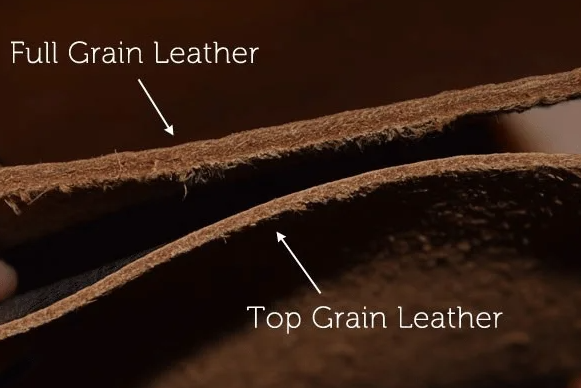
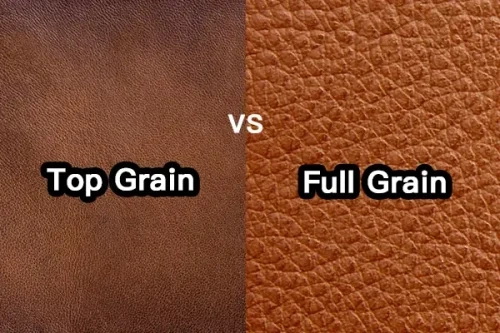
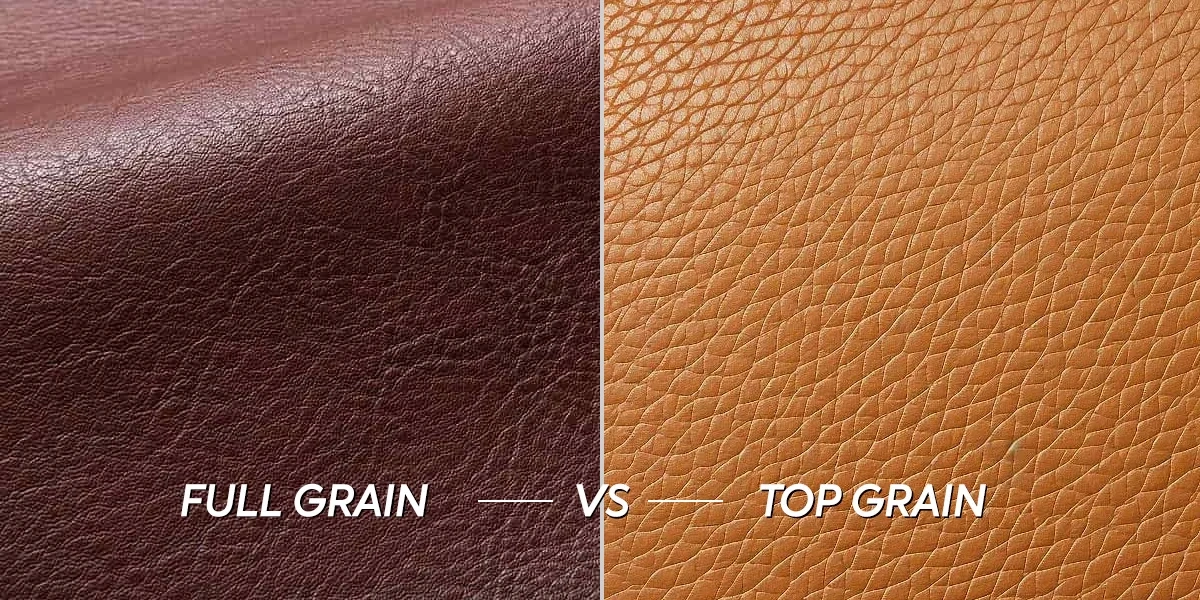
First off, let’s get the terminology straight because it matters. When you buy "top grain," you are getting the second-highest grade of leather. The very top layer (full grain) has been sanded down to remove imperfections like bug bites or scars. This makes it look uniform and sleek. It’s durable, yes, but it’s also been altered. Unlike full grain, which develops a heavy patina, top grain usually has a protective finish applied to it. That finish is your friend. It repels stains and makes cleaning easier. But it’s also the part that wears out if you abuse it.
Think of that finish like a raincoat. It keeps the moisture out, but if you scrub it with steel wool, the raincoat gets holes. Once those holes appear, the leather underneath is exposed to dirt, oils, and dry air. That’s when the cracking starts. Many people confuse top grain with "genuine leather," which is often a marketing term for lower-quality split leathers bonded together. Top grain is solid, single-piece hide. It’s strong. But because it has that factory-applied coating, it doesn’t absorb conditioners the way raw leather does. This is a crucial distinction that changes how you care for it.
So, why does this matter for your daily routine? Because you don’t need to feed it as aggressively as you might think. The biggest mistake people make is over-conditioning top grain leather. They slather on heavy oils, thinking they are nourishing the hide. In reality, that oil just sits on top of the protective finish, attracting dust and creating a gummy residue that eventually breaks down the coating. You want to preserve that factory finish for as long as possible. It’s doing the heavy lifting for you.
The Daily Habits That Make or Break Your Sofa
You don’t need a degree in chemistry to keep your leather nice. You just need to pay attention to the basics. Dust is the silent killer here. It sounds ridiculous, right? How can dust hurt leather? Well, dust particles are tiny and sharp. When you sit down, you grind those particles into the surface. Over time, it acts like sandpaper, wearing down that protective finish we talked about. A quick wipe-down with a dry, soft microfiber cloth once a week is non-negotiable. It takes ten seconds. Do it while you’re watching TV. Just swipe the arms and the seat cushions.
Then there is the issue of sunlight. We all love a sunny spot for our reading nook, but UV rays are brutal on leather. They break down the chemical bonds in the dye and the finish. If your sofa is parked directly in front of a west-facing window, you are going to see fading within a year. It’s not a matter of if, but when. In 2026, with summers getting hotter in many regions, this is even more critical. Try to rotate your cushions if they are removable. If not, consider sheer curtains during the peak afternoon hours. It’s a small change that saves the color integrity of your furniture.
Also, watch out for denim. Seriously. Indigo dye transfers onto light-colored leather faster than you’d believe. If you have a cream or beige top grain sofa, and you wear fresh dark jeans, you might end up with blue stains on the seat that are nearly impossible to remove. It’s not a spill; it’s a dye transfer. The fix? Throw a blanket over the seat if you’re lounging in new jeans, or just be mindful. It’s one of those annoying little details that catches people off guard.
Cleaning Spills Without Panicking
Okay, so you spilled coffee. Or wine. Or maybe the dog drooled on the armrest. Don’t freak out. The beauty of top grain leather is that it resists absorption for a short window of time. You have a moment to act. The golden rule here is: blot, don’t rub. Grab a clean, absorbent cloth or paper towel and press it gently onto the spill. Rubbing pushes the liquid deeper into the seams or spreads it across a wider area, potentially damaging the finish. Just lift the liquid off the surface.
For most everyday messes, lukewarm water is your best friend. Dampen a soft cloth with water—make sure it’s damp, not soaking wet—and wipe the area. Follow it up with a dry cloth to remove any moisture. That’s it. You don’t need a specialized cleaner for a water spill or a bit of dirt. However, if you have something stickier, like soda or juice, you might need a mild soap. Use a pH-balanced leather cleaner if you have one. If you don’t, a tiny drop of mild dish soap in a cup of water works in a pinch. But rinse it well. Soap residue left behind can dry out the leather over time.
Avoid the household cleaners under your sink. No Windex, no bleach, no ammonia-based products. These strip the natural oils and the protective finish instantly. I’ve seen people try to clean ink stains with rubbing alcohol, and while it might lift the ink, it often leaves a permanent white spot where the dye was stripped away. If you have a tough stain that water won’t touch, it’s better to call a professional than to experiment with harsh chemicals. Sometimes, doing nothing is safer than doing the wrong thing.
To Condition or Not to Condition?
This is where things get controversial. Walk into any furniture store, and they will try to sell you a conditioner. And look, conditioning has its place. But for top grain leather, less is more. Because of that protective finish, the leather underneath isn’t exposed to the air. It doesn’t dry out quickly. Over-conditioning can actually clog the pores of the leather and soften the finish too much, making it sticky and prone to tearing.
So, how often should you do it? For most households, once or twice a year is plenty. Maybe every six months if you live in a very dry climate or if you run your heating constantly in the winter. Test it first. Put a small amount of conditioner on an inconspicuous area, like the back of the sofa or under a cushion. Wait 24 hours. If it looks good and feels supple, go ahead. If it looks greasy or darkens the leather significantly, stop. You probably don’t need it yet.
When you do condition, use a product specifically designed for top grain or finished leather. Avoid heavy waxes or oils meant for rugged, unfinished work boots. You want a lightweight lotion that absorbs cleanly. Apply it with a soft cloth in circular motions, using a thin layer. Let it sit for the time recommended on the bottle, then buff off any excess. The goal is maintenance, not transformation. You aren’t trying to change the leather; you’re just keeping it flexible.
The Hidden Enemy: Humidity and Heat
We talk about cleaning and conditioning, but we rarely talk about the air in your home. Leather is hygroscopic, meaning it absorbs and releases moisture from the air. If your home is too dry, the leather shrinks and becomes brittle. If it’s too humid, it can swell and become susceptible to mold or mildew, especially in the seams. The ideal humidity level for leather furniture is between 40% and 50%.
In the winter, when heaters are blasting, indoor humidity can drop to 20% or lower. This is prime time for cracking. You might notice small fissures appearing in the high-stress areas, like where you lean back. Using a humidifier in the room where your leather furniture lives can make a massive difference. It’s not just good for your skin and sinuses; it’s good for your sofa. Conversely, in humid summers, make sure the room is well-ventilated. Air conditioning helps regulate both temperature and moisture.
Keep your leather away from direct heat sources, too. Don’t place your sofa right against a radiator or a fireplace. The intense, localized heat cooks the leather, drying it out rapidly and causing it to warp or crack. Even a few feet of distance can help. If you have floor heating, be aware that the bottom of the furniture can get warm. It’s usually fine, but just something to keep in mind if you notice unusual wear on the base.
Despite your best efforts, accidents happen. Maybe a pet clawed the armrest. Maybe a marker found its way into the hands of a toddler. Or maybe the leather just looks tired after a decade of use. Knowing when to DIY and when to call a professional is key. Minor surface scratches on top grain leather can often be minimized with a little bit of leather balm or even a gentle massage with your fingers to warm up the oils. But deep cuts or tears? Those need repair.
Professional leather restoration specialists have tools and dyes that you can’t buy at the hardware store. They can recolor faded areas, fill in tears, and restore the finish to match the original texture. In 2026, there are more eco-friendly restoration options available than ever before, so you don’t have to worry about toxic fumes in your home. If your sofa is a high-end piece, investing in a professional cleaning and conditioning service every few years can extend its life significantly.
Also, if you’ve tried to clean a stain and it’s only gotten worse, stop. Call a pro. They can assess whether the finish is compromised and what steps are needed to fix it. It’s cheaper to fix a small problem early than to replace the entire couch later. Think of it like dental care. You brush and floss at home, but you still go to the dentist for a deep clean. Your leather deserves the same courtesy.
Taking care of top grain leather isn’t about perfection. It’s about consistency. A quick dust here, a gentle wipe there, and keeping an eye on the humidity. It’s a relationship, not a chore. When you treat your furniture with a bit of awareness, it rewards you by aging gracefully. Instead of looking worn out, it looks lived-in and comfortable. And isn’t that what a home is supposed to feel like?
So, take a breath. You don’t need to panic over every little mark. Some character is good. Just keep the dust off, keep the sun away, and don’t drown it in lotion. Your sofa will thank you by staying soft, supple, and beautiful for years to come. And really, isn’t that worth a few minutes of your time now and then?