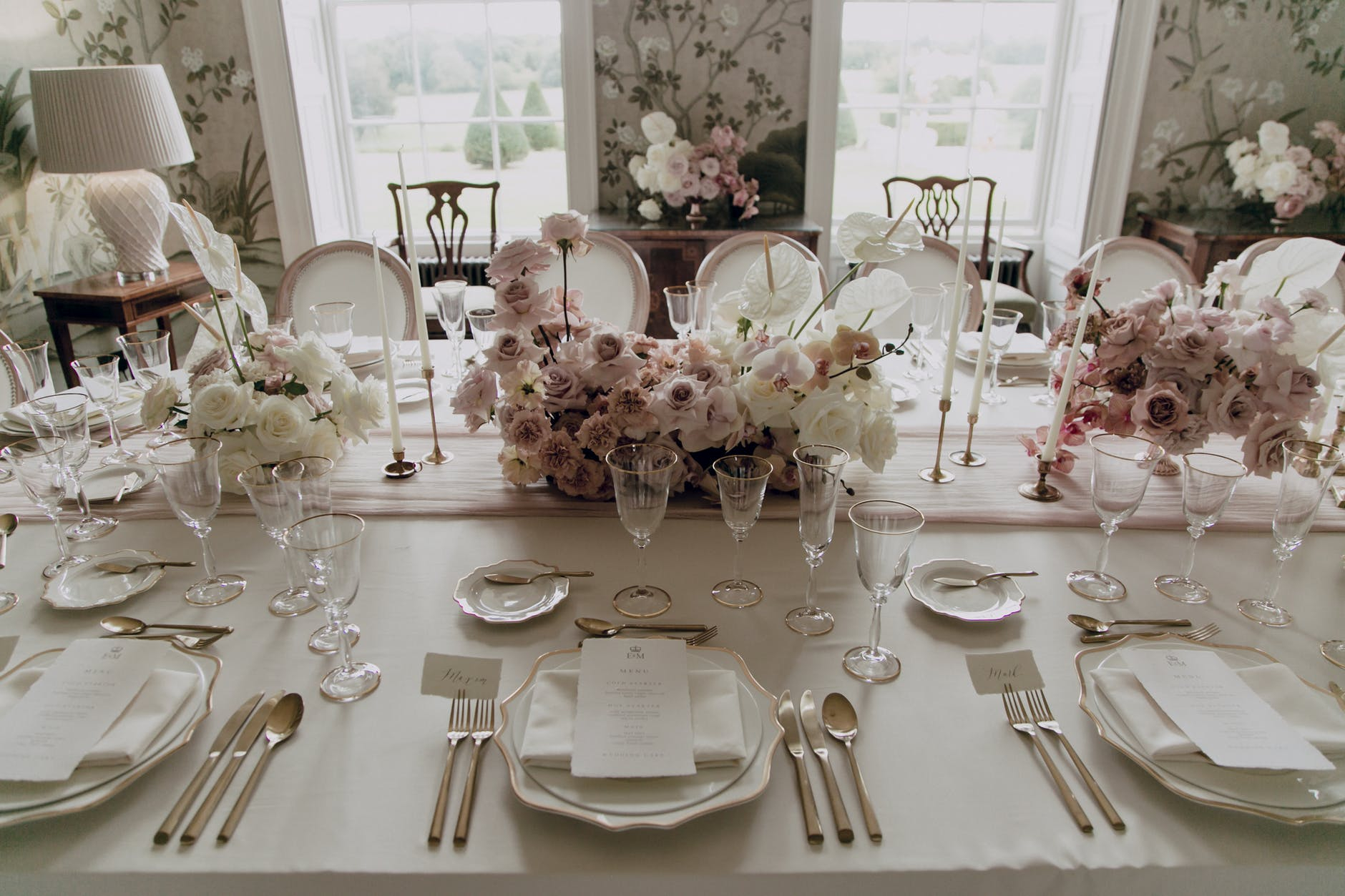
Ever walked into a dining room that just felt… off? Maybe you bumped your hip on a sharp corner while trying to squeeze past a chair. Or perhaps the table looked like a giant island stranded in a sea of empty floor, making the whole room feel cold and impersonal. It happens more often than you’d think. We get so caught up in finding a table we love aesthetically that we forget to ask if it actually loves us back—meaning, does it fit our lives and our walls?
Choosing the right shape isn’t just about style. It’s about physics, psychology, and the simple act of moving through your home without bruising your shins. In 2026, with homes ranging from compact urban apartments to sprawling open-concept layouts, the stakes are higher. A bad choice can choke off traffic flow or make intimate dinners feel awkwardly distant. But get it right? And suddenly, mealtime becomes the highlight of the day. Let’s dive into how you can make that happen.
Understanding the Geometry of Your Space
Before you even look at catalogues or visit showrooms, you need to become best friends with your room’s dimensions. It sounds obvious, but so many people skip this step. They buy a gorgeous eight-seater rectangular table for a square room, only to realize later that there’s no way to walk around it without doing a sideways shuffle. Start by measuring the length and width of your dining area. Don’t forget to account for permanent fixtures like radiators, built-in cabinets, or those annoying structural columns that seem to appear out of nowhere.
Once you have the raw numbers, think about the "negative space." This is the empty air around the furniture. Designers generally agree that you need at least 36 inches (about 91 cm) of clearance between the edge of the table and any wall or obstacle. This allows someone to pull out their chair and stand up comfortably. If you have a high-traffic zone behind the chairs—like a path to the kitchen—you’ll want to bump that up to 42 or even 48 inches. Ignoring these gaps is the fastest way to turn a cozy dining nook into a claustrophobic trap.
Also, consider the shape of the room itself. Rectangular rooms naturally lend themselves to linear furniture, while square rooms often benefit from centralized, symmetrical pieces. If your room is an odd L-shape or has angled walls, you might need to get creative. Sometimes, the best move is to define a "virtual" rectangle within the space using a rug, and then choose a table that fits inside that boundary. This helps anchor the dining zone, especially in open-plan living areas where the dining room bleeds into the lounge.
The Case for Rectangular Tables
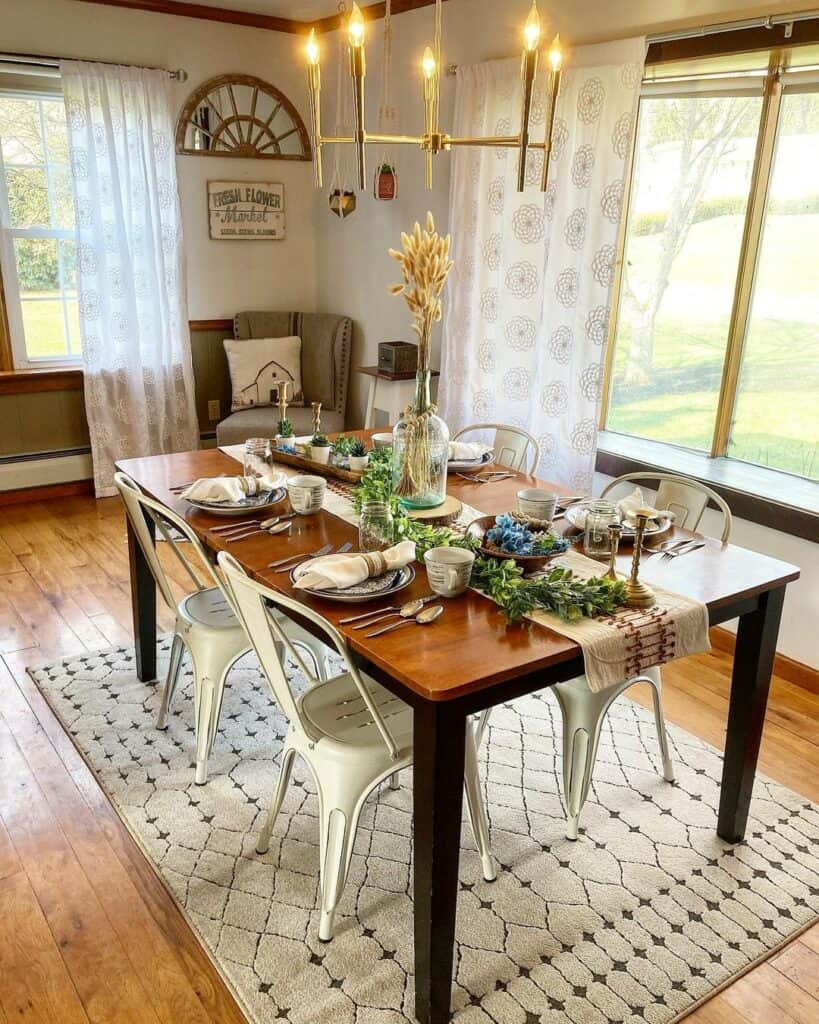
Rectangular tables are the workhorses of the dining world. They’re popular for a reason. They fit neatly against walls when not in use, they accommodate large groups easily, and they mirror the architecture of most traditional dining rooms. If you have a long, narrow space, a rectangular table is almost always your best bet. It maximizes seating capacity without eating up all the floor width. You can tuck chairs under the ends when they’re not needed, keeping the walkways clear.
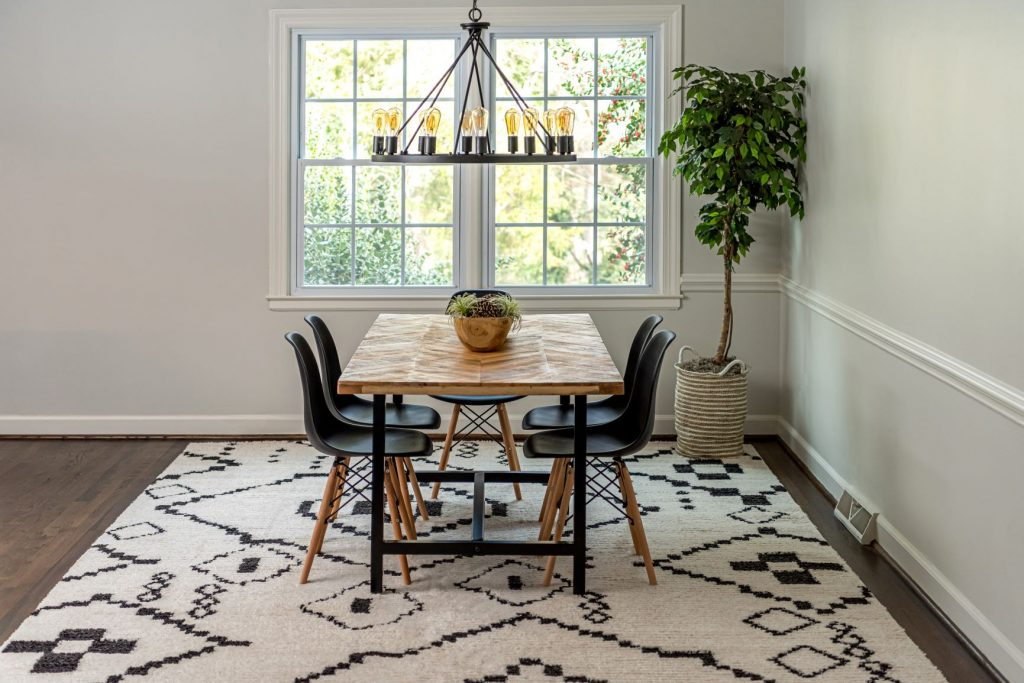
However, there’s a social downside to the long board. Ever tried having a deep conversation with someone sitting at the opposite end of a six-foot table? It’s tough. You end up shouting slightly, or worse, ignoring the people far away and only talking to your immediate neighbors. To combat this, designers in 2026 are leaning towards narrower rectangular tables—around 36 to 40 inches wide. This keeps everyone within conversational distance. Another trick is to use a runner or a low centerpiece that doesn’t block eye contact, ensuring the visual line remains open across the table.
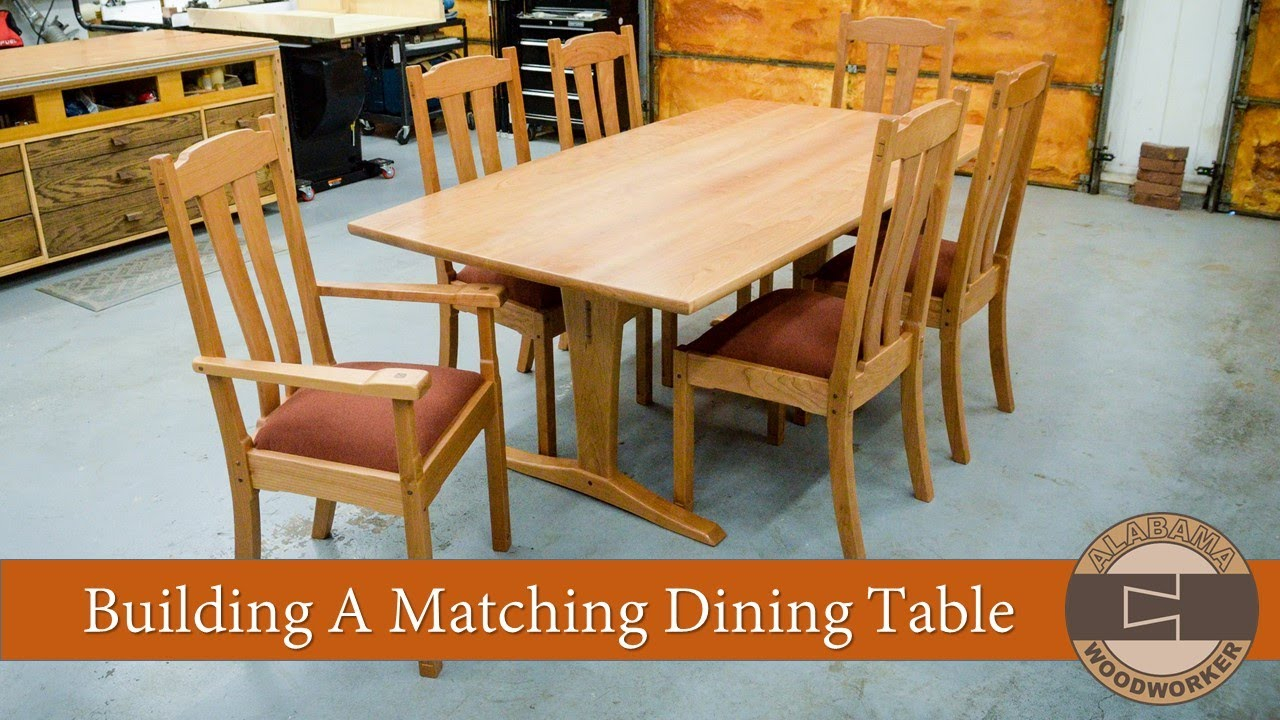
Material choice matters here too. A heavy, solid wood rectangular table can feel imposing in a smaller room. Consider opting for one with slender legs or a glass top to reduce visual weight. This makes the space feel airier. And if you love the look but worry about flexibility, look for extendable models. These allow you to keep the table compact for daily family meals and expand it for holiday gatherings. Just make sure the mechanism is smooth; nothing kills the vibe like struggling with a stuck leaf while guests are waiting.
Why Round Tables Create Connection
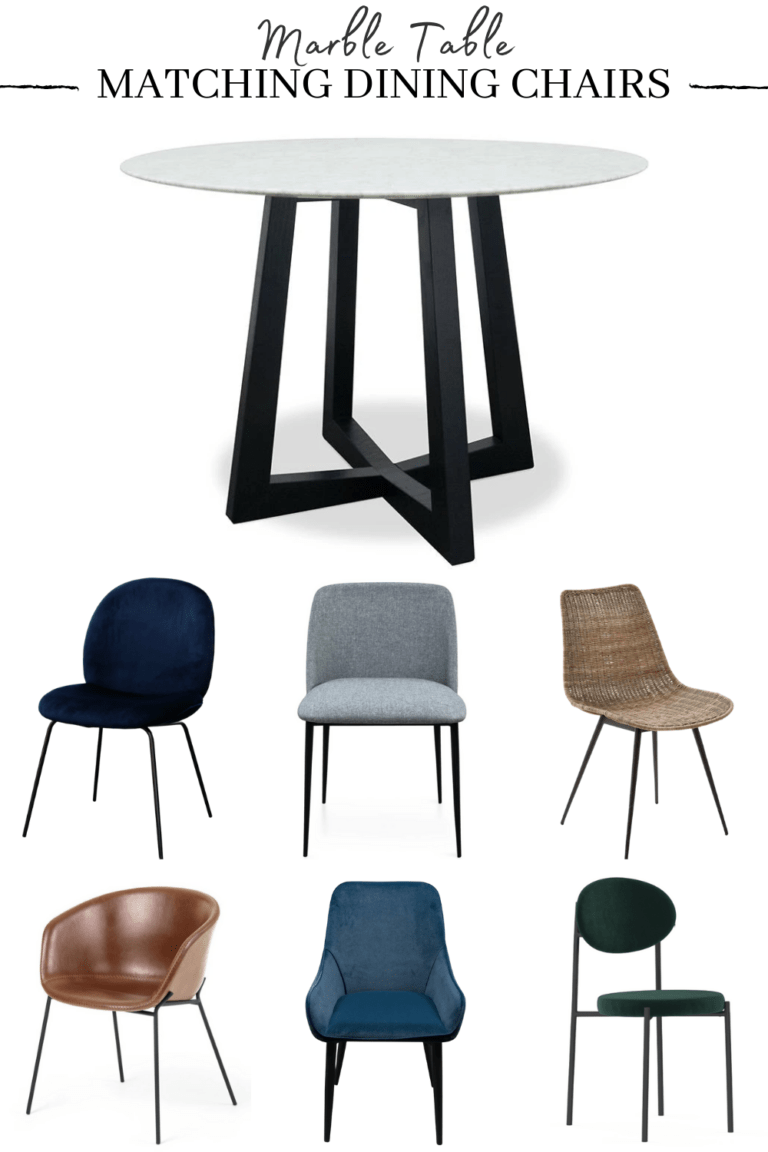
There’s something inherently democratic about a round table. No head of the table, no corners to hide in. Everyone is equidistant from the center, which fosters better conversation and a sense of equality. This makes round tables ideal for smaller groups, typically four to six people. They’re also fantastic for square rooms. Placing a round table in the center of a square space creates a soft, flowing energy that encourages movement around the perimeter.
Safety is another huge plus, especially if you have kids running around. Without sharp corners, there’s less risk of painful bumps and bruises. This makes round tables a top choice for families with young children or for homes where the dining area doubles as a play zone or homework station. The curved edges also make the room feel larger because your eye travels smoothly around the shape, rather than stopping abruptly at a hard angle.
But be careful with scale. A round table that’s too small can look like a postage stamp in a big room, while one that’s too large can dominate the space and make it hard to reach the food in the middle. As a rule of thumb, ensure there’s enough surface area for each person’s plate and glasses without crowding. For a four-seater, a diameter of 36 to 42 inches is usually sweet spot. For six people, you’ll need at least 54 inches. If you go larger than that, consider a lazy Susan or rotating tray to keep the peas accessible.
The Versatility of Oval and Elliptical Shapes
Oval tables offer a clever compromise between the rectangular and round styles. They have the elongated seating capacity of a rectangle but the softened, corner-free edges of a circle. This makes them incredibly versatile for rooms that are rectangular but not super long. They’re particularly good for narrow spaces because the curved ends take up less visual bulk than square corners, allowing for easier navigation around the ends of the table.
In terms of flow, ovals are gentle guides. They direct traffic smoothly around the room, which is helpful in open-plan layouts where the dining area connects to the kitchen or living room. The lack of corners means you can squeeze in an extra chair at the ends if needed, without worrying about someone’s knees hitting a hard edge. It’s a forgiving shape that adapts well to different group sizes and room configurations.
Stylistically, oval tables can feel a bit more formal or traditional, but modern designs have updated the look. Think sleek mid-century modern bases or minimalist pedestal supports that free up legroom. Because they don’t have corners, they’re also easier to clean around—no dust bunnies hiding in tight angles. If you’re worried about an oval feeling too rigid, pair it with mismatched chairs or a mix of benches and seats to break up the symmetry and add a relaxed, eclectic vibe.
Square Tables for Intimate Settings
Square tables are often overlooked, but they’re perfect for specific scenarios. They work beautifully in square rooms or small nooks, creating a cozy, intimate atmosphere. A square table encourages face-to-face interaction, making it ideal for couples or small families of four. It’s also a great choice for breakfast bars or casual dining spots in kitchens where space is at a premium.
The main limitation is scalability. You can’t really add extra seats to a square table without it becoming cramped or unbalanced. Once you go beyond four people, the distance across the table gets too wide for comfortable conversation, and reaching the center becomes a stretch. That’s why square tables are best suited for consistent, small-group dining. If you frequently host larger parties, a square table might leave you feeling restricted.
However, don’t dismiss them entirely. Two small square tables can be pushed together to form a larger rectangle when needed, offering surprising flexibility. This modular approach is gaining traction in 2026 as people seek multifunctional furniture that adapts to changing needs. Plus, square tables look striking in modern, minimalist interiors. Pair one with bold, sculptural chairs, and you’ve got a statement piece that anchors the room without overwhelming it.
Open-plan living is the norm now, but it presents unique challenges for dining layouts. Without walls to define the space, your table needs to do the heavy lifting of zoning the area. Here, the shape of the table can help delineate the dining zone from the living or kitchen areas. A large rectangular or oval table can act as a visual barrier, creating a distinct "room" within the room. Alternatively, a round table can soften the transition between zones, making the space feel more fluid and connected.
Lighting plays a crucial role here too. Hang a pendant light directly over the table to create a vertical anchor. This draws the eye down and reinforces the dining area’s boundaries. In irregular spaces—like rooms with bay windows, alcoves, or slanted ceilings—custom solutions might be necessary. Don’t be afraid to push the table off-center if it means better flow or a nicer view. Sometimes, angling a square or rectangular table slightly can unlock unused corner space and create a more dynamic layout.
Finally, consider transparency. In cramped or visually busy open plans, glass-topped or acrylic tables can minimize visual clutter. They allow light to pass through, making the space feel larger and less obstructed. Mirrors on adjacent walls can also help bounce light around and create the illusion of depth. The goal is to balance function with aesthetics, ensuring the dining area feels integrated yet distinct. It’s about creating a harmonious flow where every element has its place, and every meal feels like an event.
So, there you have it. Matching your dining table shape to your room layout isn’t just about following rules—it’s about understanding how you live, move, and connect. Whether you choose the communal warmth of a round table, the practical efficiency of a rectangle, or the sleek versatility of an oval, the key is to prioritize comfort and flow. Measure twice, think about your daily routines, and don’t be afraid to experiment. After all, the best dining room is the one where you actually want to sit down and stay awhile.