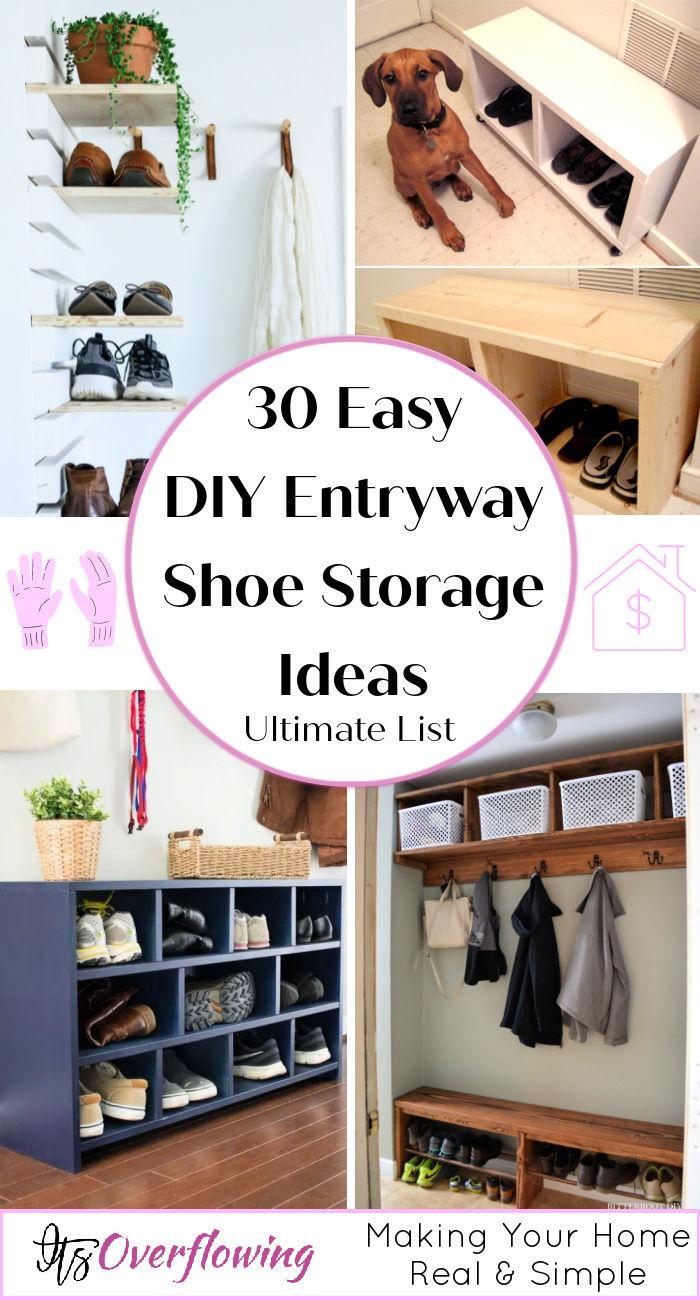
Ever opened your closet and felt a wave of dread? You know the feeling. A mountain of sneakers leaning precariously against each other. That one pair of heels you love but can never find because they’re buried under a pile of sandals. And the dust. Oh, the dust. It settles on everything, turning your favorite kicks into grey, fuzzy relics before you’ve even worn them twice. It’s exhausting. We spend so much time curating our style, yet we often treat our shoes like an afterthought when it comes to storage. But what if there was a simple fix? Something that doesn’t require a full closet renovation or a hefty budget?
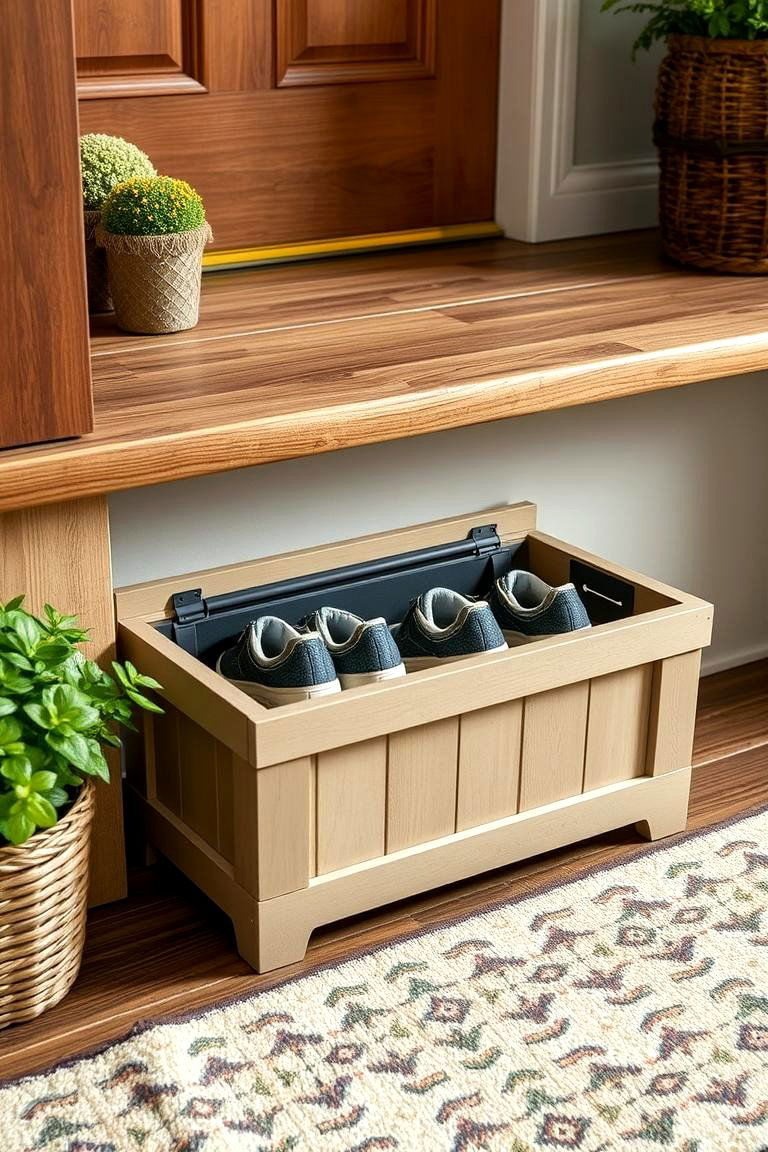
Turns out, the answer has been staring us in the face all along. Well, maybe not staring, but sitting quietly on the shelves of organized homes everywhere. Professional organizers—the folks who come in when chaos reaches critical mass—have a secret weapon. It’s not a fancy custom-built cabinet or a high-tech rotating rack. It’s the humble, often overlooked, lidded shoe box. In 2026, as we continue to value both sustainability and sanity in our living spaces, these simple containers have become the gold standard for keeping collections pristine. They aren’t just about tidiness; they are about preservation. And honestly? They might just change how you look at your morning routine.
The Invisible Enemy: Why Dust is Worse Than You Think
We tend to think of dust as just a minor annoyance, something to wipe away with a quick swipe of a cloth. But for your shoes, dust is actually a slow-moving disaster. It’s not just dirt; it’s a mix of dead skin cells, fabric fibers, pollen, and microscopic debris that floats through the air and settles into every nook and cranny. When shoes sit out in the open, this grit works its way into the materials. For leather, it can dry out the surface and lead to cracking over time. For suede and nubuck, it’s even worse. Once dust embeds itself into the nap of suede, it’s incredibly difficult to remove without damaging the texture. You end up with patches that look worn and dull, ruining the look of an otherwise perfect pair.
Then there’s the issue of oxidation and light exposure. Open shelves might look nice in magazine photos, but in reality, they expose your footwear to constant airflow and sunlight. This accelerates the aging process. Rubber soles can yellow faster. Glues can dry out and become brittle. By placing shoes in lidded boxes, you create a micro-environment that shields them from these elements. It’s like putting your car in a garage instead of leaving it on the street. Sure, it still gets old, but it happens much slower. Organizers swear by this method because it extends the life of the shoe. You buy quality footwear to last, right? So why let it degrade on an open rack?
Think about the last time you pulled out a pair of boots you hadn’t worn since last winter. Did they smell musty? Were they covered in a fine layer of grime? That’s the cost of open storage. Lidded boxes act as a barrier. They keep the air inside stagnant and clean, preventing the constant exchange of dusty room air with the interior of the box. It’s a small change, but the cumulative effect over months and years is huge. Your shoes stay fresher, cleaner, and ready to wear without needing a deep clean every single time you want to use them. It saves time, sure, but it also saves money. Less cleaning means less wear and tear from brushes and chemicals.
Visibility Without the Mess: The Clear Box Revolution
One of the biggest arguments against boxing up shoes is the "out of sight, out of mind" problem. If you can’t see your shoes, you won’t wear them. This leads to those sad, neglected pairs hiding in the back of the closet until they’re outdated or fallen apart. Professional organizers know this human tendency well. That’s why the modern lidded shoe box isn’t the opaque cardboard coffin of the past. Today, the market is flooded with clear plastic or acrylic options that offer the best of both worlds: protection and visibility. You get the dust-free seal of a lid, but you can still scan your collection at a glance.
This visual access is crucial for decision-making. In the morning rush, you don’t have time to open ten different boxes to find the right pair of loafers. With clear sides, you can identify the color, style, and condition of the shoe instantly. It transforms your closet from a storage unit into a display case. But it’s more than just aesthetics. Being able to see your entire collection helps you understand what you own. How many black flats do you really need? Do you actually wear those neon running shoes? When everything is visible, you become more mindful of your purchases and your habits. It curbs the impulse to buy duplicates because you can clearly see the gap—or lack thereof—in your wardrobe.
There’s also a psychological benefit to this clarity. Clutter causes stress. When your brain has to process a chaotic pile of mismatched items, it creates low-level anxiety. A neat stack of uniform, clear boxes creates a sense of order and calm. It’s visually soothing. Plus, stacking them vertically maximizes vertical space, which is often wasted in closets. You can go floor to ceiling, doubling or tripling your storage capacity without expanding your footprint. Just make sure the boxes are sturdy enough to handle the weight. Nobody wants a tower of tuxedo shoes crashing down on their head during a Tuesday morning scramble.
Breathability Matters: Choosing the Right Material
Not all boxes are created equal, and this is where many people go wrong. Sealing shoes in an airtight plastic container without any ventilation can trap moisture. Shoes, especially if they’ve been worn recently, hold residual sweat and humidity. If you lock that moisture in with no way for it to escape, you’re creating a perfect breeding ground for mold and mildew. The smell alone is enough to ruin a pair of expensive sneakers. Professional organizers emphasize the importance of breathability. The ideal lidded box strikes a balance between keeping dust out and letting air circulate.
Look for boxes with small ventilation holes or gaps in the design. Some high-end options use breathable fabrics or specialized plastics that allow for micro-airflow while still blocking larger dust particles. If you’re using solid plastic bins, consider leaving the lid slightly ajar if you live in a very humid climate, or toss in a silica gel packet to absorb excess moisture. Cotton or canvas bags with lids are another excellent alternative, particularly for delicate materials like leather. They are naturally breathable and soft, preventing scratches. However, they don’t offer the same rigid stacking capability as hard-sided boxes, so they’re better for smaller collections or seasonal storage.
The material of the box also affects durability. Cardboard boxes, while cheap and eco-friendly, attract pests like silverfish and moths. They also break down over time, especially in humid environments. Plastic or acrylic is more resilient and easier to clean. If you spill something on a plastic box, you can wipe it down. Try that with a soggy cardboard box. In 2026, sustainability is a bigger concern, so many brands are now offering recycled plastic options that are just as durable but have a lower environmental impact. It’s worth checking the labels. You want something that will last as long as the shoes inside it.
The Stackability Factor: Maximizing Vertical Space
Let’s talk real estate. Closet space is prime property, and most of us don’t have enough of it. Open shoe racks are notorious space hogs. They usually only allow for one or two layers of shoes before things get unstable. Lidded boxes, on the other hand, are designed to stack. This is their superpower. By creating uniform, stable units, you can build vertical towers that utilize the full height of your closet. This is a game-changer for small apartments or walk-in closets with limited floor area. You can store twenty pairs in the same footprint that used to hold six.
But stability is key. Not all boxes stack well. Some have slippery surfaces or uneven lids that wobble when you pile them up. Professional organizers recommend testing the stackability before buying in bulk. Look for boxes with interlocking lids or textured surfaces that grip each other. Uniformity is also essential. Mixing different brands and sizes looks messy and creates weak points in the stack. Stick to one system. If you have odd-shaped items like knee-high boots, look for specialized tall boxes that match the dimensions of your standard ones. This keeps the lines clean and the structure sound.
Stacking also makes cleaning easier. When shoes are in boxes, you don’t have to move individual pairs to vacuum the shelf. You just lift the stack, wipe the shelf, and put it back. It reduces the friction of maintenance. When cleaning is easy, you’re more likely to do it regularly. This keeps the entire closet ecosystem healthier. Dust doesn’t accumulate underneath the shoes because there are no shoes directly on the shelf. The box acts as a shield for the furniture too, preventing scuffs and stains from shoe soles. It’s a win-win for your footwear and your home.
Beyond the Box: Labeling and Categorization Strategies
Even with clear boxes, a little organization goes a long way. Professional organizers don’t just throw shoes into boxes randomly. They categorize. Think about how you use your shoes. Do you grab your running shoes first thing in the morning? Keep them at eye level. Do you only wear your formal heels for special occasions? Store them higher up. Grouping by category—athletic, work, casual, seasonal—makes retrieval intuitive. You don’t have to hunt. You know exactly where to look. This mental mapping saves precious minutes every day.
Labeling is another pro tip, especially if you have similar-looking boxes. A simple label maker or even a piece of masking tape can identify the contents without having to peer closely. This is helpful for partners or family members who might not know your collection as well as you do. "John’s Work Shoes" or "Winter Boots" takes the guesswork out of the equation. In 2026, digital labeling apps are also becoming popular. You can take a photo of the shoes, tag them in an app, and stick a QR code on the box. Scan it, and you see exactly what’s inside. It’s tech-forward, but maybe a bit much for some. Sometimes, a sharpie marker is all you need.
Don’t forget the power of rotation. Seasonal shoes should be stored differently than daily drivers. Keep your current season’s shoes accessible and front-and-center. Box up the off-season items and store them on higher shelves or in less accessible areas. This keeps your daily view uncluttered and relevant. It also gives you a chance to inspect those stored shoes before putting them away. Clean them, condition the leather, and check for any repairs needed. Putting them away in good condition ensures they’re ready to go when the season changes. It’s a ritual that connects you to your belongings and extends their lifespan.
It’s easy to think that buying boxes is the end of the journey, but there are pitfalls. One common mistake is storing shoes dirty. Never put a sweaty, muddy shoe into a closed box. Always clean and dry them first. Trapping dirt and moisture is a recipe for disaster. Another error is forcing shoes into boxes that are too small. This crushes the shape and damages the structure. Heels get bent, toes get squished. Invest in boxes that fit your largest shoes comfortably. If you have size 12 boots, don’t try to cram them into a size 8 sneaker box. Measure first.
Overstacking is another issue. Just because you can stack ten boxes high doesn’t mean you should. The weight at the bottom can become immense, making it hard to retrieve the lower pairs without toppling the tower. Keep stacks to a manageable height, usually four to six boxes, depending on the sturdiness. Also, avoid storing boxes in damp areas like basements or uninsulated attics. Temperature fluctuations and humidity can damage both the boxes and the shoes, regardless of how well they’re sealed. Closets inside the main living area are ideal because they maintain a stable environment.
Finally, don’t ignore the aesthetic. While function is primary, form matters too. Mismatched, battered boxes look chaotic. Taking the time to choose a cohesive style—whether it’s all clear acrylic, all white cardboard, or all fabric—creates a sense of calm. It turns a storage solution into a design element. Your closet should feel like a sanctuary, not a warehouse. When you open the door, you should feel relieved, not overwhelmed. The right boxes, used correctly, achieve that balance. It’s not just about hiding the mess; it’s about creating order that supports your daily life.
So, are lidded shoe boxes the magic bullet for closet chaos? Maybe not magic, but they’re pretty close. They offer a simple, effective way to protect your investment, save space, and reduce the mental load of getting dressed. In a world that feels increasingly chaotic, having one small corner of your life organized and pristine is a gift. It’s not about perfection. It’s about making your life a little bit easier, one pair of shoes at a time. Give it a try. Start with one shelf. See how it feels. You might just find that the secret to a calmer morning was hiding in a box all along.