You walk into the showroom. The lights are bright, the samples look flawless, and the salesperson is smiling. It feels easy. Too easy, maybe. You pick up a plank that looks like rustic oak, feel its weight, and think, "This is it. This is the one." But here’s the thing about waterproof vinyl flooring—it’s not just about how it looks on day one. It’s about how it holds up after three years of muddy dog paws, spilled wine, and heavy furniture.
We’ve all been there. Standing in aisle four, overwhelmed by acronyms like SPC, WPC, and LVP, wondering if the cheaper option is a steal or a trap. In 2026, the market is flooded with options. Some are incredible engineering feats; others are barely holding together. Making the wrong choice doesn’t just mean an ugly floor. It means wasted money, stressful repairs, and a home that feels less like a sanctuary and more like a project that never ends. Let’s talk about the mistakes that trip people up, so you don’t have to learn the hard way.
Mistake 1: Confusing "Water-Resistant" with "Waterproof
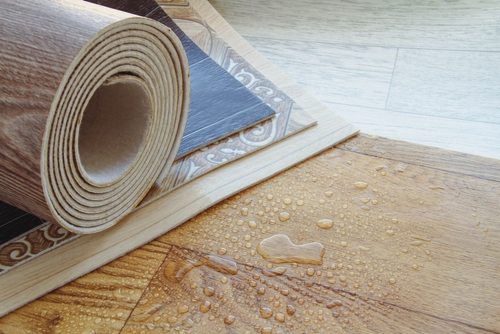
It sounds like semantics, but it’s actually a huge deal. Many people grab a box labeled "water-resistant" thinking it’ll survive a basement leak or a bathroom splash zone. It won’t. Water-resistant flooring can handle a spill if you wipe it up quickly. Waterproof flooring? That stuff can sit in a puddle for days without warping.
The difference lies in the core. True waterproof vinyl, like SPC (Stone Plastic Composite), has a rigid limestone-based core that doesn’t absorb moisture. Older styles or cheaper laminates might have a wood-based core that swells up like a sponge when wet. If you’re installing in a bathroom, laundry room, or below-grade basement, you need 100% waterproof protection. Don’t guess. Check the specs. If the manufacturer hedges their language, keep walking.
I remember a homeowner who installed "resistant" planks in her mudroom. A slow leak under the washing machine went unnoticed for a week. By the time she found it, the edges of every plank within three feet had bubbled up. She had to rip it all out. If she’d chosen true waterproof SPC, she would have just mopped it up and moved on. Know the difference before you buy.
Mistake 2: Ignoring the Wear Layer Thickness
Here’s a secret: the pretty picture on top isn’t what protects your floor. The wear layer is. It’s the clear coating on top of the design that takes the beating from shoes, claws, and chair legs. Many buyers focus entirely on the wood grain pattern and ignore the millimeter count of this crucial shield. Big mistake.
In 2026, experts recommend a minimum of 12 mils for residential use, but if you have pets or kids, aim for 20 mils or higher. A thin wear layer (like 6 mils) might look fine in the store, but six months later, you’ll see scratches, scuffs, and dull spots where the traffic is heaviest. It’s like buying a car with no paint protection—you’re asking for trouble.
Thicker isn’t always better if the quality is poor, but generally, a robust wear layer means your floor stays looking new longer. Don’t let a low price tag fool you into buying a floor that will look worn out in a year. Ask specifically: "What is the wear layer thickness?" If they hesitate, that’s a red flag.
Mistake 3: Skipping the Subfloor Prep
You can buy the most expensive, high-tech vinyl on the planet, but if you install it over a bumpy, dirty, or damp subfloor, it’s going to fail. Period. Vinyl is flexible. It conforms to whatever is underneath it. If there’s a bump in the concrete, you’ll feel it underfoot. If there’s moisture rising from the slab, it can break the adhesive or cause mold growth beneath the planks.
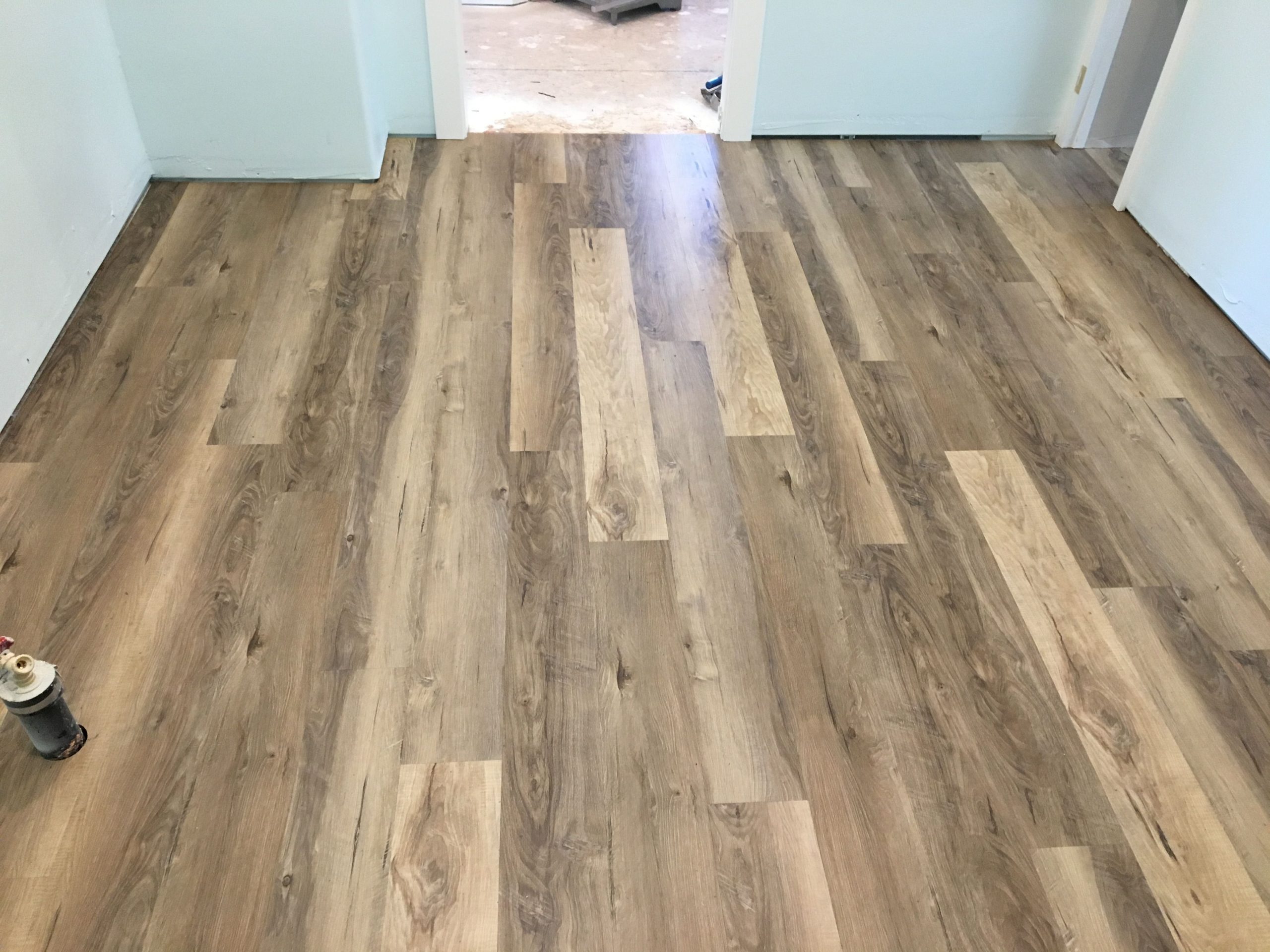
Many DIYers skip the prep work to save time. They sweep quickly and start laying planks. This leads to clicking issues, gaps, and eventually, broken locking mechanisms. The subfloor needs to be clean, dry, and level. For concrete, that often means using a self-leveling compound. For wood subfloors, it means securing loose boards and sanding down high spots.
Angi notes that skipping acclimation and poor subfloor prep are among the top reasons for installation failure. Take the time to do it right. Use a moisture meter. Check for flatness with a straight edge. It’s boring work, sure. But it’s the foundation of a floor that lasts. Think of it as insurance.
Mistake 4: Choosing the Wrong Core Type for Your Lifestyle
Not all vinyl cores are created equal. You’ve got WPC (Wood Plastic Composite) and SPC (Stone Plastic Composite). WPC is softer, warmer underfoot, and quieter. It’s great for bedrooms and living rooms where comfort matters. SPC is denser, harder, and more dimensionally stable. It’s better for high-traffic areas and places with temperature fluctuations.
People often pick WPC because it feels nicer, then regret it when their heavy dining table leaves indentations. Or they choose SPC for a bedroom and complain that it feels cold and hard. Neither is "better"—they’re just different. You have to match the core to the room.
If you have heavy furniture, go with SPC. If you stand in the kitchen for hours cooking, WPC might be kinder to your back. If you’re putting it in a sunroom that gets hot in the summer, SPC’s stability is key. Don’t just pick one because it’s on sale. Think about how you live in that space.
Mistake 5: Forgetting About Acclimation
Vinyl expands and contracts with temperature changes. If you bring cold boxes of flooring into a warm house and install them immediately, they’re going to shift later. This causes buckling, gaps, or popping locks. Most manufacturers require the flooring to sit in the room where it will be installed for 24 to 48 hours before you open the boxes.
It’s tempting to skip this. You’re excited. You want to get it done. But rushing this step is a classic error. Let the planks adjust to the humidity and temp of your home. Stack them flat, not on their ends. Keep the room at a normal living temperature.
This is especially important in 2026, as energy-efficient homes can have tighter humidity controls that fluctuate. Giving the material time to settle ensures it stays put once installed. It’s a small wait for a big payoff. Patience pays off here.
Even "click-lock" floors need room to breathe. A common mistake is installing the planks too tightly against the walls. You need an expansion gap—usually about 1/4 inch—around the perimeter. This allows the floor to expand slightly in humid summer months without pushing against the wall and buckling.
Also, consider the installation method. Glue-down vs. floating. Floating floors are easier for DIY and allow for some movement. Glue-down is more permanent and stable but harder to replace if damaged. Make sure you understand which method your specific product requires. Some hybrid systems confuse buyers.
Don’t forget transitions. If you’re going from vinyl to tile or carpet, you need the right transition strip. Improper transitions can trip people up and look unfinished. Plan your layout so you don’t end up with tiny, sliver-like pieces at the edges. It looks unprofessional and is prone to breaking. Measure twice, cut once, and leave those gaps.
Choosing waterproof vinyl flooring is a smart move for modern homes. It adds value, boosts buyer interest, and handles real life better than carpet or traditional laminate. But it’s not foolproof. By avoiding these common traps—confusing resistance levels, ignoring wear layers, skimping on prep, picking the wrong core, skipping acclimation, and forgetting expansion gaps—you set yourself up for success.
Take your time. Ask questions. Read the fine print. Your floor is a big investment, both in money and in the daily comfort of your home. Get it right, and it’ll serve you well for years. Get it wrong, and you’ll be redoing it sooner than you think. Hope this helps you navigate the aisles with confidence. You’ve got this.