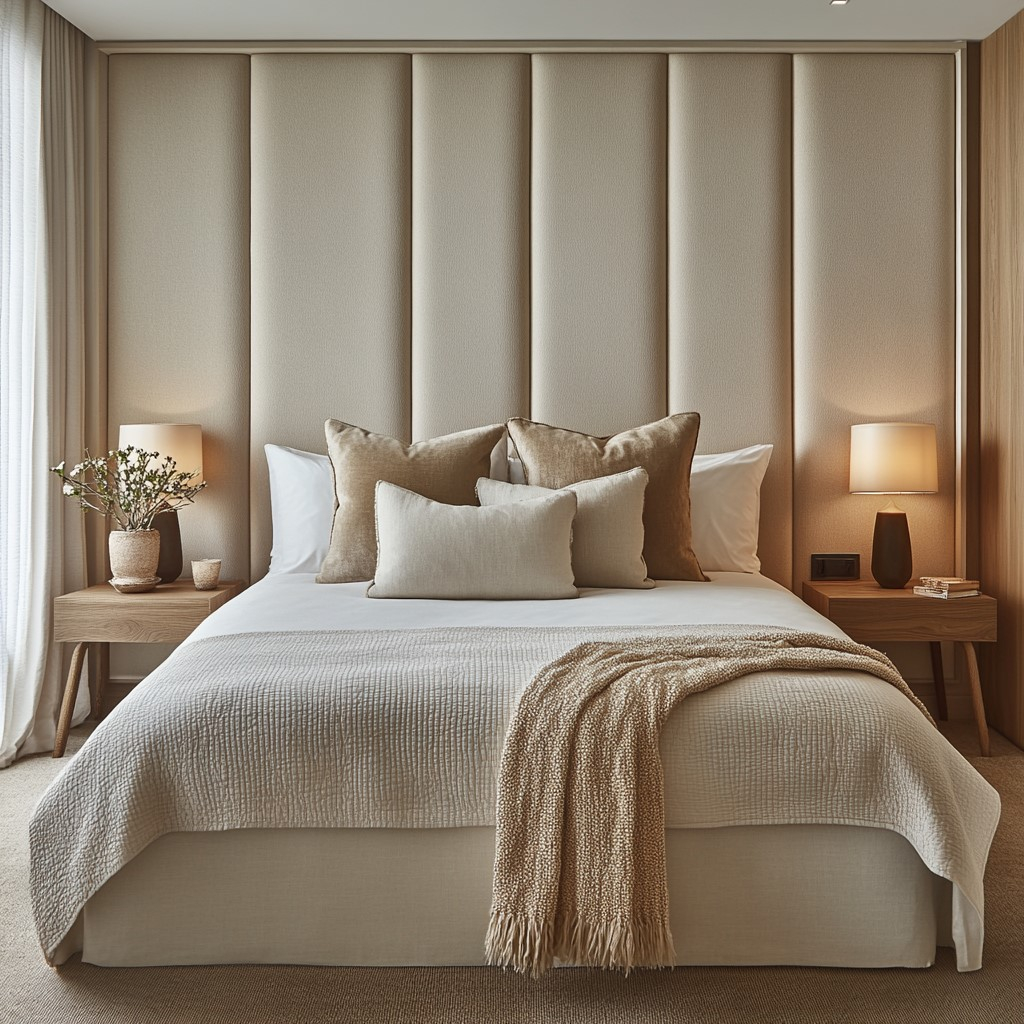
You know that feeling when you walk into a high-end boutique hotel room? The one where the world outside just… stops. The noise fades. The light feels softer. And the bed looks like a cloud you’re afraid to disturb. For years, we chased that vibe with expensive mattresses and blackout curtains. But in 2026, the secret isn’t just what you sleep on. It’s what you sleep against.
Upholstered wall panels have quietly moved from the realm of ultra-luxury suites into our actual homes. And honestly? It’s about time. We spend a third of our lives in the bedroom, yet we often treat it as an afterthought in design. Bare walls echo. Hard surfaces bounce sound. It’s sterile. Adding fabric to your walls isn’t just a style choice anymore; it’s a functional upgrade for your mental health and sleep quality. If you’ve been feeling like your bedroom lacks that final "cozy" punch, this might be the missing piece you didn’t know you were looking for.
The Science of Silence: More Than Just Pretty Fabric
Let’s talk about noise. Not the loud, obvious stuff like traffic or sirens, but the subtle echoes that make a room feel empty. You clap your hands in a standard bedroom with drywall and hardwood floors, and you hear that sharp slap-back. That’s reverberation. It keeps your brain on high alert, even when you’re trying to wind down. Upholstered panels act as acoustic sponges. They absorb sound waves instead of bouncing them back at you.
According to recent design insights from sources like Blend Home Furnishings, lining the interior walls—especially those shared with the rest of the house—can significantly dampen sound. This means the TV noise from the living room doesn’t bleed in as much, and your own midnight tossing and turning stays contained. It’s practical sound-proofing that doesn’t require tearing down studs or installing heavy insulation. It’s just… softness. And that softness translates to silence.
Think about it. When was the last time you felt truly rested in a room that felt cold? The acoustic benefit is huge, but it’s tied to the psychological effect. A quieter room feels safer. It feels like a cocoon. In 2026, with remote work blurring the lines between office and home, having a bedroom that actively shuts out the chaos is invaluable. It’s not just about blocking decibels; it’s about creating a sensory boundary between "doing" and "being."
Texture as the New Neutral: Warming Up Minimalist Spaces
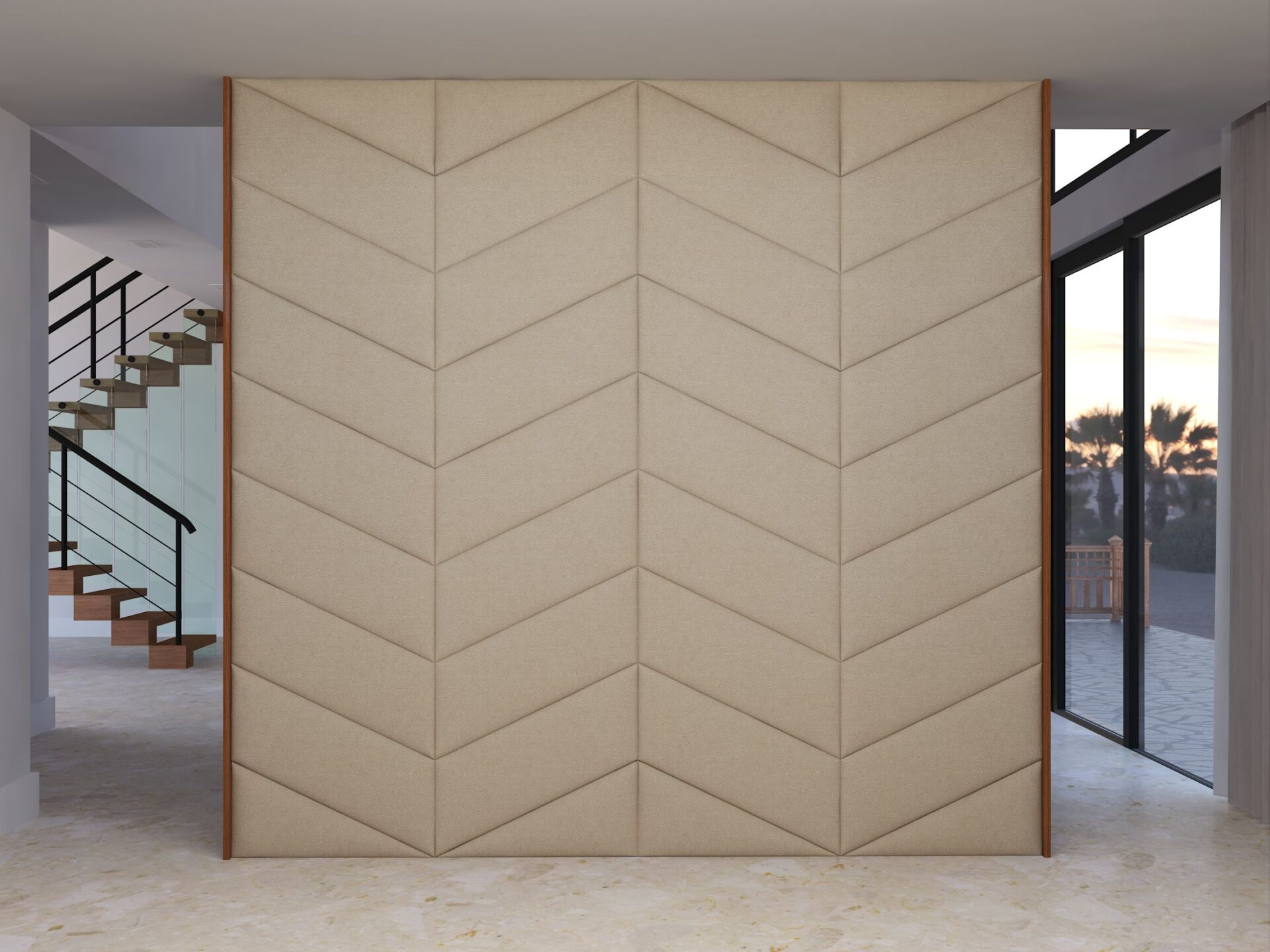
For a decade, we were obsessed with clean lines. White walls. Smooth surfaces. Everything wiped down and sterile. But humans aren’t sterile. We crave texture. We want to touch things. Upholstered walls bring a tactile warmth that paint simply can’t match. Whether it’s a plush velvet, a durable linen, or a textured bouclé, the fabric adds depth. It catches the light differently throughout the day, making the room feel alive.
This shift aligns with the 2026 trend of "soft minimalism." It’s not about clutter; it’s about comfort. House Digest notes that the key to making upholstery feel fresh and elegant today is investing in quality craftsmanship and pairing it with clean lines. You don’t need a patterned wallpaper shouting for attention. The fabric itself is the statement. A floor-to-ceiling panel in a muted sage green or a warm taupe creates a backdrop that makes every other piece of furniture look better.
And let’s be real about the "cold factor." Drywall is hard. Wood is hard. Even painted brick is hard. When you lean against an upholstered headboard wall, it gives. Just a little. That physical compliance signals relaxation to your body. It’s a subtle cue that says, "You can let go now." This is why these panels are becoming a staple in modern nursery designs too. They’re forgiving, soft, and visually soothing for both babies and exhausted parents.
Beyond the Headboard: Rethinking Layout and Space
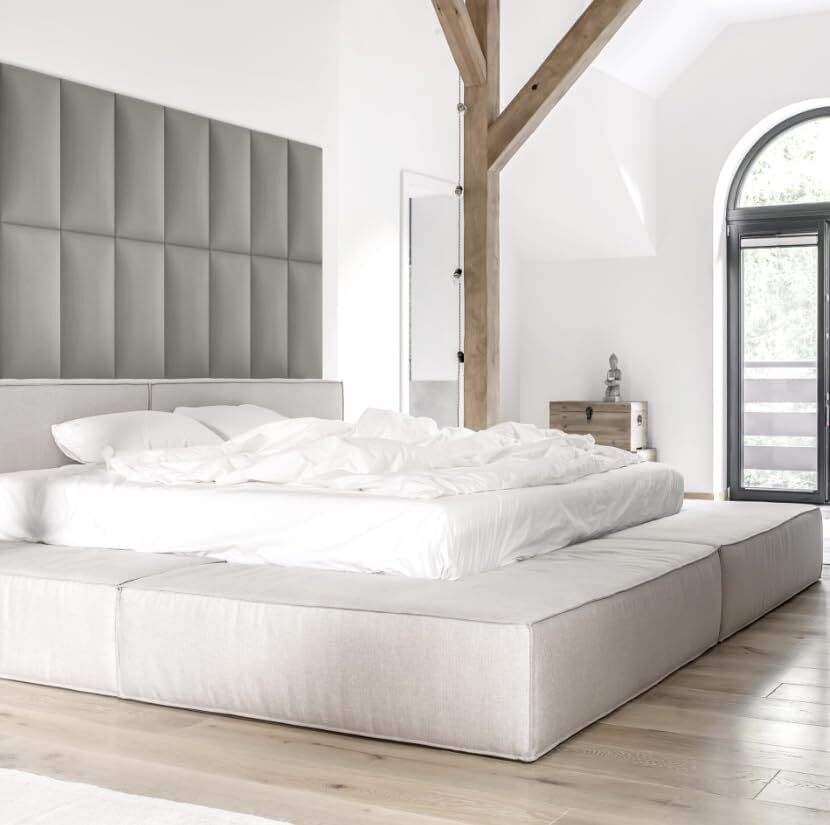
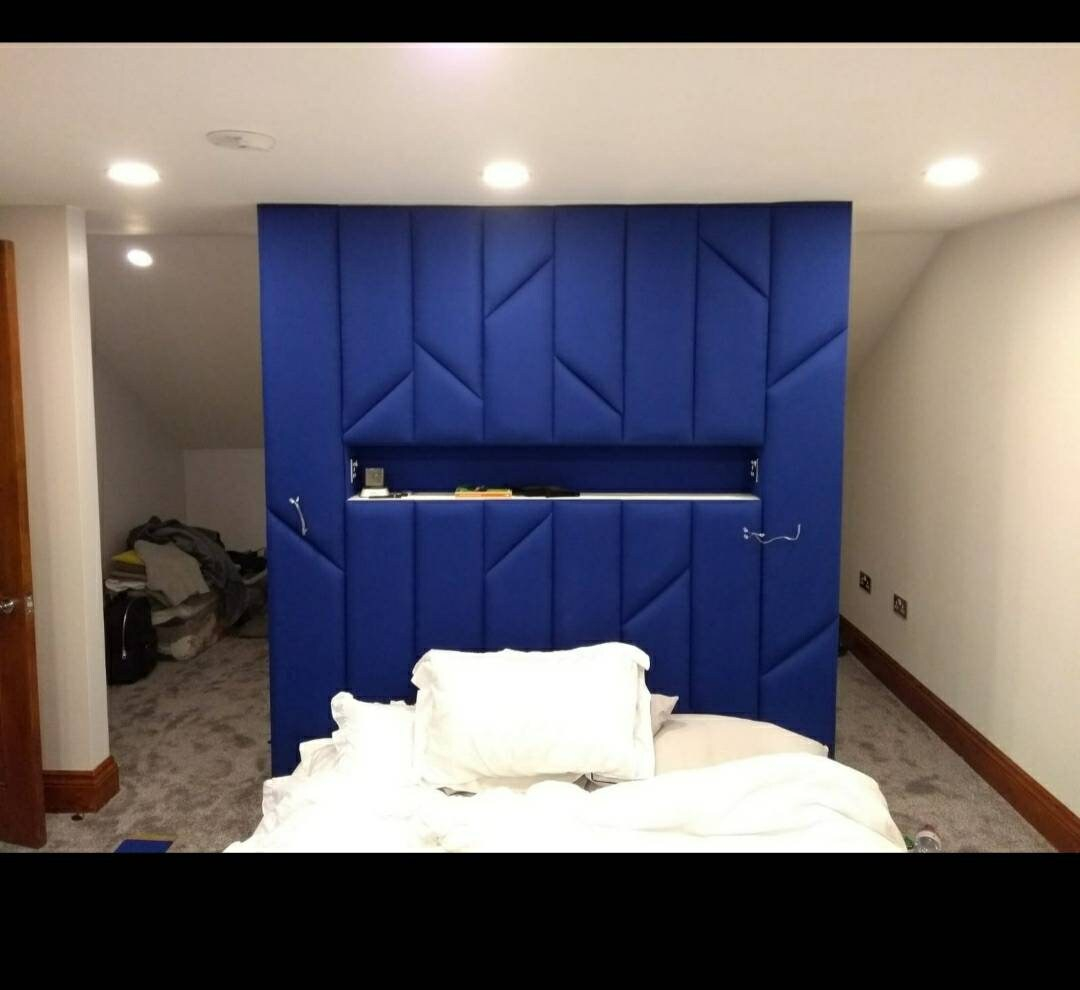
Traditionally, we put a headboard behind the bed and called it a day. But upholstered wall panels allow you to break free from that constraint. You can cover the entire wall behind the bed, creating a seamless look that makes the ceiling feel higher and the room more expansive. Or, you can wrap around corners, integrating the side walls to create a true alcove effect. This is particularly powerful in smaller bedrooms where space is tight.
InteriOmasters highlights that these panels are now preferred in high-end homes because they offer versatility. You aren’t stuck with a fixed headboard height. You can go floor-to-ceiling, which draws the eye up and emphasizes vertical space. This is a clever trick for rooms with low ceilings. By extending the fabric upward, you create an illusion of grandeur. It’s architectural interest without the construction cost.
Another cool development in 2026 is the integration of functionality. Many modern panels are designed to work with floating nightstands. Since the wall is already padded and structured, you can mount sleek, minimalist shelves directly onto or adjacent to the panels without worrying about damaging drywall anchors in weird spots. It creates a cohesive, built-in look that feels custom-made, even if it’s a retrofit. It saves floor space, too, which is a win for anyone living in urban apartments.
Material Matters: Choosing the Right Fabric for 2026
Not all fabrics are created equal, especially when they’re covering a giant wall. You might be tempted by that super-soft chenille, but will it hold up? In 2026, the market has responded with performance fabrics that are both luxurious and durable. We’re seeing a rise in recycled polyester blends that resist stains and fading, making them practical for real life. Kids jump on beds. Pets shed. Life happens.
Safety is also a bigger conversation now. When choosing panels, look for materials that are fire-retardant and low in VOCs (volatile organic compounds). You’re breathing this air for eight hours a night. You don’t want off-gassing chemicals. Sources like SmartBuy Alibaba emphasize checking for safety certifications. It’s not just about how it looks; it’s about what it’s made of. Natural fibers like wool and cotton are making a comeback too, offering breathability and a premium feel, though they often come with a higher price tag and require more care.
Color choice plays a huge role here too. Darker fabrics absorb more light and sound, creating a cave-like, deeply restful environment. Lighter fabrics reflect light, keeping the room airy and bright. The trend in 2026 is leaning towards earthy, grounding tones. Think terracotta, deep olive, slate blue, and warm greys. These colors pair beautifully with the natural wood tones and stone accents that are also popular right now. The fabric becomes the anchor for the whole room’s palette.
Installation Realities: DIY Dreams vs. Professional Polish
Here’s the thing: upholstered walls look easy. But getting them right? That’s where it gets tricky. You can buy pre-made panels and stick them up, sure. But if the walls aren’t perfectly straight, you’ll see gaps. If the padding isn’t uniform, it’ll look lumpy. For a truly high-end look, professional installation is often worth the investment. Experts like those at InteriOmasters use specific mounting techniques to ensure the panels are secure and seamless.
That said, DIY has come a long way. There are modular systems available in 2026 that are designed for the home installer. These often use interlocking edges or hidden clip systems that hide imperfections better than old-school glue-and-staple methods. If you’re handy, you can tackle a single accent wall. Start small. Maybe just the headboard area. Test your skills. If you love it, expand. If it looks wonky, you haven’t committed the whole room.
One common mistake is ignoring the electrical outlets. Upholstered panels cover walls. Outlets are on walls. You need to plan for this. Either you relocate the outlets (hire an electrician), or you choose panels that can be cut around them cleanly. Some modern systems offer flexible covers for switches and outlets that blend into the fabric. It’s a small detail, but it makes a huge difference in the final look. Don’t skip the planning phase. Measure twice. Cut once. Or better yet, measure three times.
Styling Your Sanctuary: Making It Feel Like You
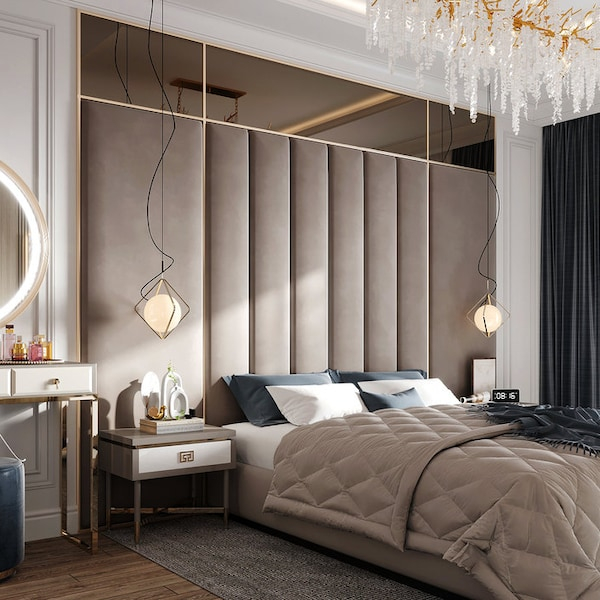
So you’ve got the panels up. Now what? The risk with upholstered walls is that they can feel too soft. You need contrast. This is where hard materials come back into play. Pair your soft wall with a wooden bed frame, metal lighting fixtures, or glass bedside tables. The juxtaposition of hard and soft creates visual interest. It prevents the room from feeling like a padded cell.
Lighting is crucial. Fabric absorbs light, so you might need more illumination than you think. Layer your lighting. Use sconces mounted on the panels for reading light. Add a floor lamp in the corner. Use warm bulbs to enhance the texture of the fabric. Shadows play beautifully across textured surfaces, so don’t be afraid of dimmer switches. In fact, embrace the dim. The goal is a serene space, not a brightly lit office.
Finally, keep the rest of the decor simple. As House Digest suggests, distinguished accent pieces work best. One large piece of art, or maybe none at all. Let the wall be the hero. If you hang art, use lightweight frames and proper hooks designed for fabric-covered walls. Or, skip the art entirely. The texture is enough. Add plants for a touch of life. Greenery against a soft, neutral wall looks incredible. It’s about balance. Don’t overdo it. Let the room breathe.
At the end of the day, why do we decorate our bedrooms? Is it for guests? Rarely. It’s for us. It’s for the quiet moments before sleep and the slow wake-ups in the morning. Upholstered wall panels in 2026 aren’t just a trend; they’re a recognition that our environment shapes our well-being. They offer a tangible way to improve sleep quality, reduce stress, and create a space that feels genuinely nurturing.
It’s an upgrade that pays dividends every single night. You don’t have to redo the whole house. You don’t need a massive budget. Start with one wall. Choose a fabric that makes you exhale when you look at it. Feel the difference in the room’s acoustics. Notice how the light changes. It’s a small change with a big impact.
So, if you’ve been staring at your bare bedroom walls feeling like something’s missing, maybe it’s not more stuff. Maybe it’s less hardness. Maybe it’s time to soften the edges. Give yourself the gift of a quieter, cozier, more beautiful place to rest. You deserve it. And honestly? Your sleep schedule will thank you.