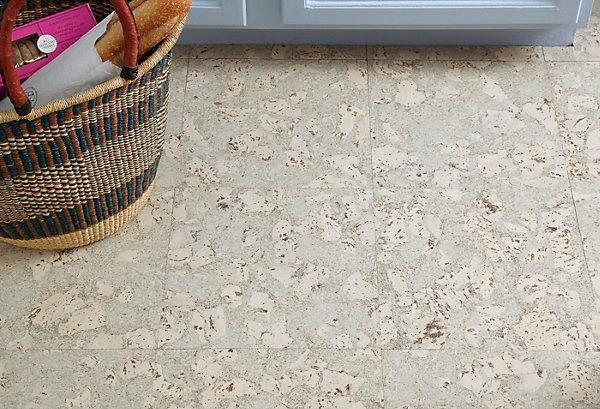
You know that feeling when you walk into a kitchen with stone or ceramic tile? It’s cold. Hard. Unforgiving. Now imagine stepping onto something that feels like warm wood but has a gentle give, almost like it’s hugging your feet back. That’s cork. It’s become a bit of a darling in home design lately, especially for folks who spend hours chopping, stirring, and standing. But here is the thing nobody tells you upfront: cork is alive. Well, not literally breathing, but it behaves like a natural material should. It reacts. It changes. And if you treat it like vinyl, you’re going to have a bad time.
So, why are we talking about this now? Because in 2026, more homeowners are choosing sustainability without sacrificing style. Cork fits that bill perfectly. It’s harvested from the bark of oak trees—no trees are cut down, which is pretty cool—but it needs respect. If you are staring at your beautiful new (or old) cork floor and wondering if you messed up by putting it in the splash zone, take a breath. You didn’t make a mistake. You just need to learn its language. This isn’t about perfection. It’s about understanding what makes this material tick so you can keep it looking great for years.
Why Cork Feels Different (And Why That Matters)
Let’s get one thing straight: cork is not wood. It’s bark. Specifically, it’s the outer bark of the cork oak tree. This structure is made up of millions of tiny, air-filled cells. Think of it like a honeycomb, but microscopic. This is why it feels soft underfoot. It’s also why it’s a natural insulator, keeping your kitchen warmer in winter and cooler in summer. For anyone who cooks dinner every night, that cushioning is a gift to your knees and back. But that same cellular structure is exactly why water is its nemesis. Those little cells can absorb moisture if they aren’t protected.
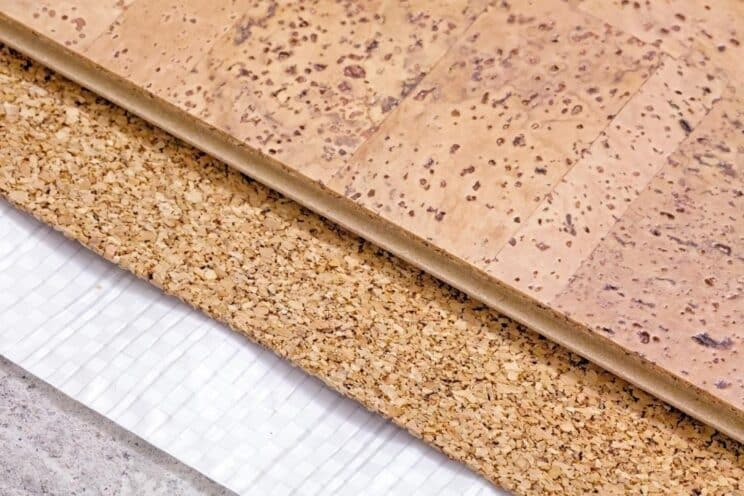
When you look at modern cork flooring options in 2026, you’ll see two main types: glue-down tiles and floating planks. The glue-down variety is often preferred for kitchens because it creates a tighter seal against the subfloor, leaving fewer gaps for water to sneak into. Floating floors are easier to install, sure, but the seams can be vulnerable. If you spill a glass of wine and let it sit, it might seep into those cracks. Knowing which type you have changes how you care for it. It’s not just about mopping; it’s about knowing where the weak spots are.
The comfort factor is huge, but don’t let it fool you into thinking cork is indestructible. It’s resilient, meaning it bounces back from dropped spoons or light impacts better than hardwood. But heavy appliances? Sharp heels? Those leave marks. The key is to remember that cork is a compromise. You trade some durability for massive comfort and eco-friendly creds. Understanding this trade-off helps you set realistic expectations. You aren’t trying to make it bulletproof; you’re trying to keep it healthy.
The Sealant Is Your Best Friend (And Worst Enemy)
Here is the hard truth: raw cork in a kitchen is a disaster waiting to happen. You cannot skip the finish. In the past, people used wax, which was a hassle. Today, most high-quality cork comes pre-finished with polyurethane or similar durable coatings. These finishes create a barrier that repels water and stains. But here is the catch: that barrier wears down. Just like the tires on your car, the finish on your floor gets thin over time, especially in high-traffic areas like in front of the sink or stove.
If you are installing cork yourself or having it done, pay attention to the number of coats. Three coats is standard, but for a kitchen, you might want four. Ask your installer about using a commercial-grade urethane. It’s tougher than the residential stuff. Also, consider the sheen. Glossy finishes show every scratch and speck of dust. Matte or satin finishes are much more forgiving and hide the inevitable wear and tear of daily life. It’s a small detail that makes a big difference in how much you stress about cleanliness.
Re-coating is part of the lifecycle. You don’t need to rip out the floor when it looks dull. Every few years, depending on traffic, you can screen and recoat the surface. This involves lightly sanding the top layer and adding a fresh coat of finish. It’s way cheaper than replacement and brings the floor back to life. Ignore this step, and water will eventually find its way into the cork itself, causing it to swell, darken, or even crumble. Prevention is always easier than cure.
Daily Habits That Save Your Floor
Maintenance isn’t about big, seasonal deep cleans. It’s about what you do every single day. The biggest enemy of cork isn’t just water; it’s grit. Sand, dirt, and small stones act like sandpaper under your feet. Every time you walk across the floor with dirty shoes or track in debris from outside, you are micro-scratching the finish. Once that finish is compromised, water gets in. So, the first rule of cork club is: sweep often. A soft-bristle broom or a dry microfiber mop is your best tool here.
Do not use a vacuum with a beater bar. Those rotating brushes are designed for carpets and can dent or scratch cork surfaces. If you must vacuum, use the hard floor setting or a bare-floor attachment. It sounds picky, but these small habits add up. Think of it like brushing your teeth. You don’t brush once a month for an hour; you brush twice a day for two minutes. Same logic applies here. A quick sweep after cooking catches the crumbs and grit before they get ground in.
Also, watch out for chair legs. Dining chairs dragged across cork will gouge it. It’s not a matter of if, but when. Felt pads are cheap and easy to apply. Put them on everything that touches the floor. Check them every six months because they fall off or get caked with gunk. If you hear scraping sounds, stop immediately. That sound is the sound of your floor losing its protective layer. Fixing a gouge is possible with fillers, but preventing it is infinitely better.
Dealing with Spills and Moisture
Let’s talk about the elephant in the room: water. Kitchens are wet places. Sinks leak, dishwashers drip, and pots boil over. With cork, speed is everything. If you spill water, wipe it up immediately. Do not let it sit. Even with a good finish, prolonged exposure is bad news. But what about humidity? Cork expands and contracts with changes in moisture levels in the air. In 2026, with climate patterns being unpredictable, indoor humidity control is more important than ever.
Keep your indoor humidity between 40% and 60%. If it gets too dry, the cork can shrink and gaps may appear between planks. If it gets too humid, it can swell. Use a hygrometer to check levels, especially in summer and winter. A simple humidifier or dehumidifier can stabilize the environment. This is particularly crucial if you live in an area with extreme seasonal changes. Stability is the goal. Cork likes consistency.
When cleaning, never soak the floor. A damp mop is fine; a wet mop is not. Think "damp" like a wrung-out sponge, not a dripping rag. Use a cleaner specifically designed for cork or a pH-neutral floor cleaner. Avoid vinegar, ammonia, or abrasive cleaners. Vinegar is acidic and can break down the finish over time, making it dull and vulnerable. Ammonia is too harsh. Stick to products that say "safe for sealed cork" or "pH neutral." It’s a small switch that preserves the integrity of the seal.
What to Do When Things Go Wrong
Despite your best efforts, accidents happen. Maybe a heavy pot falls. Maybe a leak goes unnoticed under the fridge for a week. Don’t panic. Cork is repairable. For minor scratches or dents, there are repair kits available that match various cork tones. These usually involve a wax filler or a colored putty. Clean the area, apply the filler, let it dry, and buff it out. It won’t be invisible, but it will be much less noticeable.
For water damage, assess the extent. If the finish is cloudy or white, it might just be trapped moisture in the finish. Sometimes, letting it dry out completely fixes it. If the cork itself has swollen or turned black, that section needs to be replaced. This is where glue-down tiles have an advantage. You can often cut out the damaged tile and glue in a new one. Floating floors are trickier because you might have to dismantle a whole section to get to the middle.
Stains are another issue. Oil or wine can stain if left too long. Blot, don’t rub. Rubbing pushes the liquid deeper. For tough stains, a little bit of mild soap and water might work. Avoid bleach. If the stain persists, you might need to lightly sand the area and re-seal it. It’s a bit of work, but it saves the floor. Remember, cork develops a patina over time. Small imperfections add character. It’s not supposed to look like plastic. Embrace the lived-in look, but fix the structural issues.
Living with cork floors means accepting that they will change. They will darken slightly with exposure to sunlight. This is natural and often adds warmth to the room. Use rugs or curtains to block direct UV rays if you want to minimize this, but don’t fight it entirely. The color shift is part of the material’s story. In 2026, this aging process is seen as a feature, not a bug, by many designers. It shows the history of the home.
Plan for maintenance cycles. Every year, give the floor a thorough inspection. Look for worn spots near the sink or stove. Check the edges where the floor meets the cabinets. Reapply a refresh coat of finish if needed. Some manufacturers sell specific refresh products that bond with the existing finish without full sanding. This is a great middle ground between daily cleaning and major refinishing. It extends the life of the floor significantly.
Finally, educate everyone in the house. Kids, partners, guests—they all need to know the deal. No wet shoes. No dragging furniture. Wipe spills fast. Make it a household habit. When everyone is on board, maintenance becomes effortless. It’s not a burden; it’s just how you care for your home. Cork rewards that care with decades of comfort and beauty. It’s a partnership between you and the material. Respect it, and it will serve you well.
So, is cork right for your kitchen? If you value comfort, sustainability, and unique aesthetics, absolutely. But only if you are willing to put in the slight extra effort compared to tile or vinyl. It’s not a "install and forget" floor. It’s an "install and nurture" floor. By following these simple steps—sealing properly, cleaning gently, controlling humidity, and fixing issues early—you can enjoy the warmth and softness of cork for many years. It’s not about being perfect. It’s about being consistent. And honestly, isn’t that true for most good things in life?