Remember the smell? That distinct, heavy scent of a new leather couch that used to fill the air when you walked into a showroom. For decades, it was the olfactory signature of luxury. It meant you’d made it. You had arrived. But walk into those same showrooms in 2026, and things feel different. The air is lighter. The textures are softer, sometimes cooler to the touch. And that smell? It’s gone. Or at least, it’s changed.
We are standing at a weird, wonderful crossroads in home design. For years, the choice was binary. You either splurged on genuine leather for its supposed immortality and status, or you settled for fabric, knowing it would stain, fade, and eventually wear out. But the middle ground has not just widened; it has taken over. The technology behind what we casually call "fake" or "vegan" leather has leapfrogged the old stigma of peeling, plastic-like disasters. Today, your next sofa might not need to be real leather anymore, not because you’re compromising, but because you’re upgrading.
It’s not just about saving animals, though for many, that’s the primary driver. It’s about performance. It’s about the fact that a spilled glass of red wine on a high-end bio-based leather sofa doesn’t induce a heart attack. It’s about the realization that the "patina" we were sold on—the idea that scratches add character—is often just damage we learned to love because we paid so much for it. Let’s dig into why the rules have changed, and why your living room might look better, last longer, and feel more like you without a single hide involved.
The Myth of the Forever Couch
Let’s address the elephant in the room. Or rather, the cow. The biggest argument for real leather has always been longevity. We’ve been told, repeatedly, that a quality leather sofa is an investment that lasts decades. And sure, if you baby it, if you condition it religiously, and if you keep it out of direct sunlight, it can last a long time. Some sources suggest quality leather can last twice as long as fabric, which might need replacing every 7 to 10 years. That sounds impressive on paper.
But here’s the thing about "quality" leather. It’s finicky. It cracks if it gets too dry. It fades if the sun hits it just right. It absorbs body oils in ways that create dark, permanent spots on the arms and headrests. That "unique patina" that adds charm? For most of us, that just looks like a worn-out couch. We confuse durability with invincibility. Real leather is durable, yes, but it is not invincible. It requires a relationship. You have to care for it. You have to feed it lotions and creams. It’s high maintenance disguised as low effort.
Now, look at the modern alternatives. The narrative that faux leather peels after two years is outdated. That was the PVC (polyvinyl chloride) era, the stuff from the 90s that felt like sitting on a raincoat. Today’s materials are engineered differently. They are designed to withstand the chaos of actual life. Kids jumping? Fine. Dog claws? No problem. The tensile strength of modern polyurethane (PU) and emerging bio-materials is incredibly high. They don’t crack because they don’t dry out. They are stable. In a world where we want our furniture to work for us, not the other way around, the "forever" promise of leather starts to look less like a benefit and more like a burden.
What Is Vegan Leather Actually Made Of?
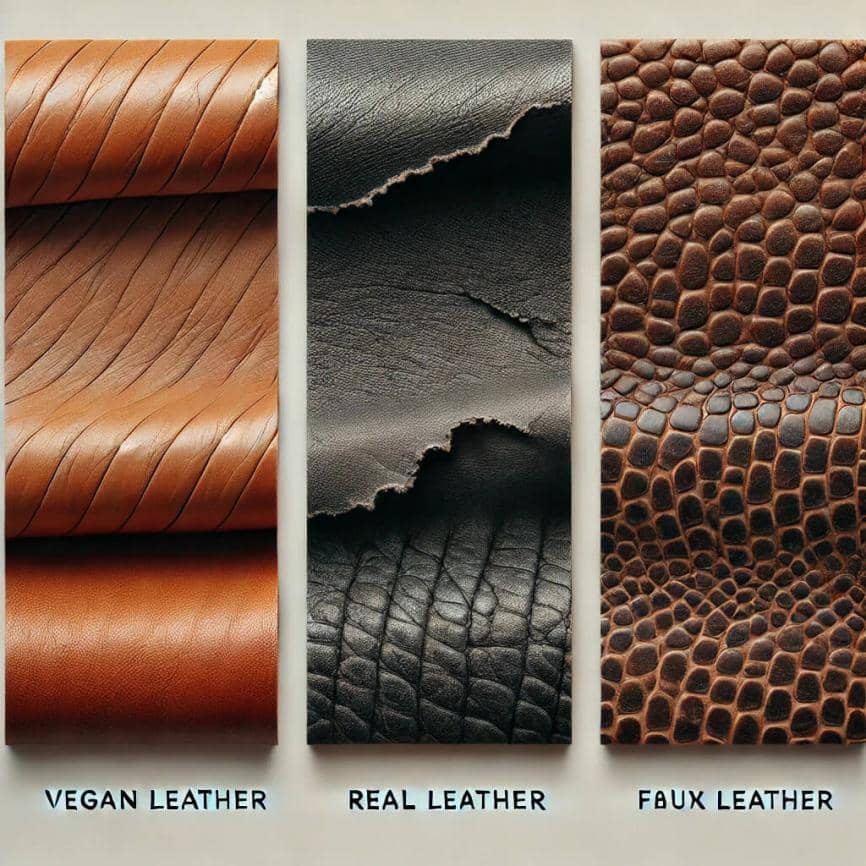
If you’re picturing a sheet of plastic derived from fossil fuels, you’re partially right, but the story is getting much more interesting. Traditionally, vegan leather was made from PU or PVC. PVC is the nasty one—it’s hard to recycle and releases toxic chemicals during production. PU is better, more flexible, and breathable, but it’s still petroleum-based. However, the industry has shifted dramatically in the last five years. We are no longer just swapping cow skin for plastic skin. We are growing leather.
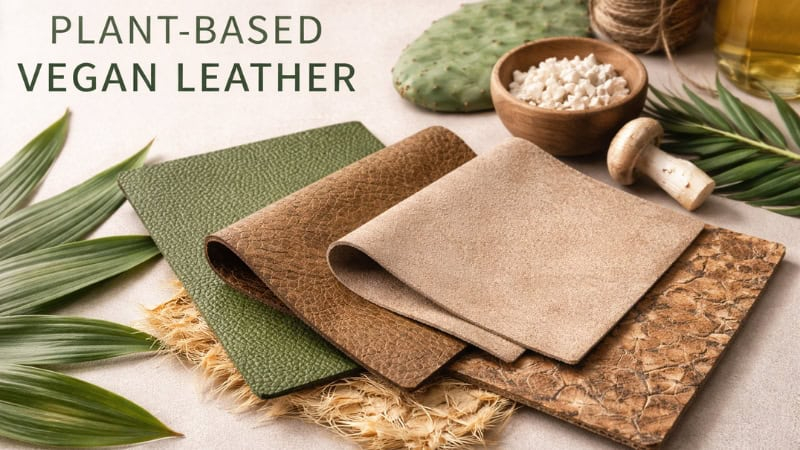
Take mushroom leather, for instance. Brands are now using mycelium, the root structure of mushrooms, to create a material that feels surprisingly like animal leather. It’s durable, biodegradable, and has a natural grain. Then there’s pineapple leaf fiber (Piñatex), cork, and even apple skin waste from the juice industry. These aren’t science fiction concepts anymore; they are in showrooms across the country in 2026. When you buy a sofa made from these materials, you aren’t just avoiding animal products. You are supporting a circular economy. You are using waste products to create something beautiful.
Even the standard PU options have evolved. They are now often water-based rather than solvent-based, reducing the volatile organic compounds (VOCs) that give new furniture that "chemical" smell. This matters for indoor air quality. Think about it. You spend hours on your sofa. Breathing in fewer toxins is a tangible health benefit. So, when we ask "what is it made of," the answer is no longer just "plastic." It’s innovation. It’s biology. It’s a mix of recycled polymers and plant fibers that mimic the hand-feel of leather without the ecological baggage. It’s complex, sure, but it’s also cleaner.
The Wallet Factor: Luxury Without the Price Tag
Let’s talk money. Because let’s be honest, furniture is expensive. A genuine leather sofa, the kind that isn’t going to fall apart in three years, commands a premium. You are paying for the raw material, which is scarce, and the labor-intensive tanning process. You are also paying for the brand cachet. But in 2026, the price gap has narrowed, and in some cases, reversed. High-end vegan leather sofas often cost significantly less than their animal-derived counterparts, sometimes 30% to 50% less.
Why does this matter? It democratizes style. You don’t need a six-figure income to have a sleek, modern, leather-look living room. For budget-conscious buyers, this is a game-changer. You can get that minimalist, mid-century modern aesthetic without taking out a second mortgage. And because the material is consistent—unlike animal hides, which have scars, bug bites, and uneven thicknesses—manufacturers can produce these sofas with less waste. There’s no cutting around a blemish. Every square inch is usable. That efficiency passes savings on to you.
But it’s not just about the upfront cost. Consider the lifetime cost. Remember the conditioning? The specialized cleaners? The potential for costly repairs if the leather cracks? With modern vegan leather, maintenance is virtually free. A damp cloth is usually all you need. Over ten years, the savings on care products and potential repairs add up. Plus, if you do decide to change your style in seven years, the lower initial investment means you aren’t throwing away a small fortune. It frees you to adapt your space as your life changes. It’s financial flexibility, wrapped in a nice upholstery.
Performance in the Real World: Spills, Pets, and Life
Here is a scenario. It’s Tuesday night. You’re watching a movie. You have a bowl of chili. Your dog is asleep on the couch. Your toddler is running around with a juice box. If you have a white linen sofa, you are living in fear. If you have a beige leather sofa, you are worried about the chili staining the pores of the hide. If you have a modern vegan leather sofa? You’re probably fine.
The surface of high-quality synthetic leather is non-porous. This is its superpower. Liquids sit on top. They don’t soak in. Wipe it up, and it’s gone. No residue. No lingering smell. For pet owners, this is huge. Cat claws might scratch cheap vinyl, but they struggle to penetrate the tightly woven backings of premium PU and bio-leathers. And if they do leave a mark, it’s often superficial. Hair doesn’t embed itself in the weave like it does in fabric. You can swipe it off with a lint roller or just your hand.
Comfort is another area where perceptions are shifting. Old-school fake leather was sticky in the summer and cold in the winter. It didn’t breathe. Newer iterations are micro-perforated. They allow air circulation. They feel softer, more supple. They warm up to your body temperature faster than thick, dense animal hide. And because the material is uniform, you don’t get those stiff patches or uneven stretches that happen with real leather as it ages. It stays consistent. It’s predictable. In a chaotic world, there is something deeply comforting about a couch that behaves exactly the same way on day 1,000 as it did on day 1.
The Ethical and Environmental Shift
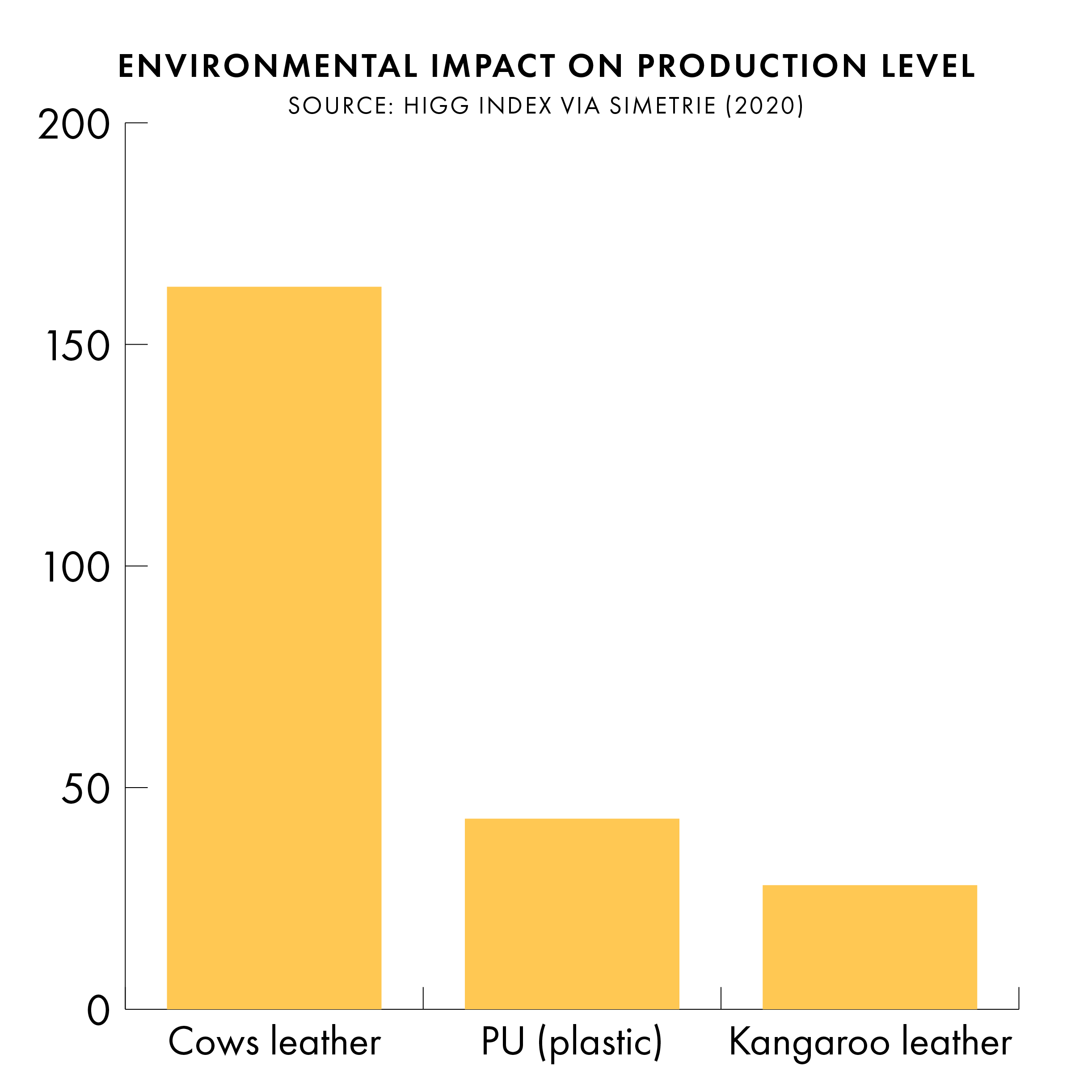
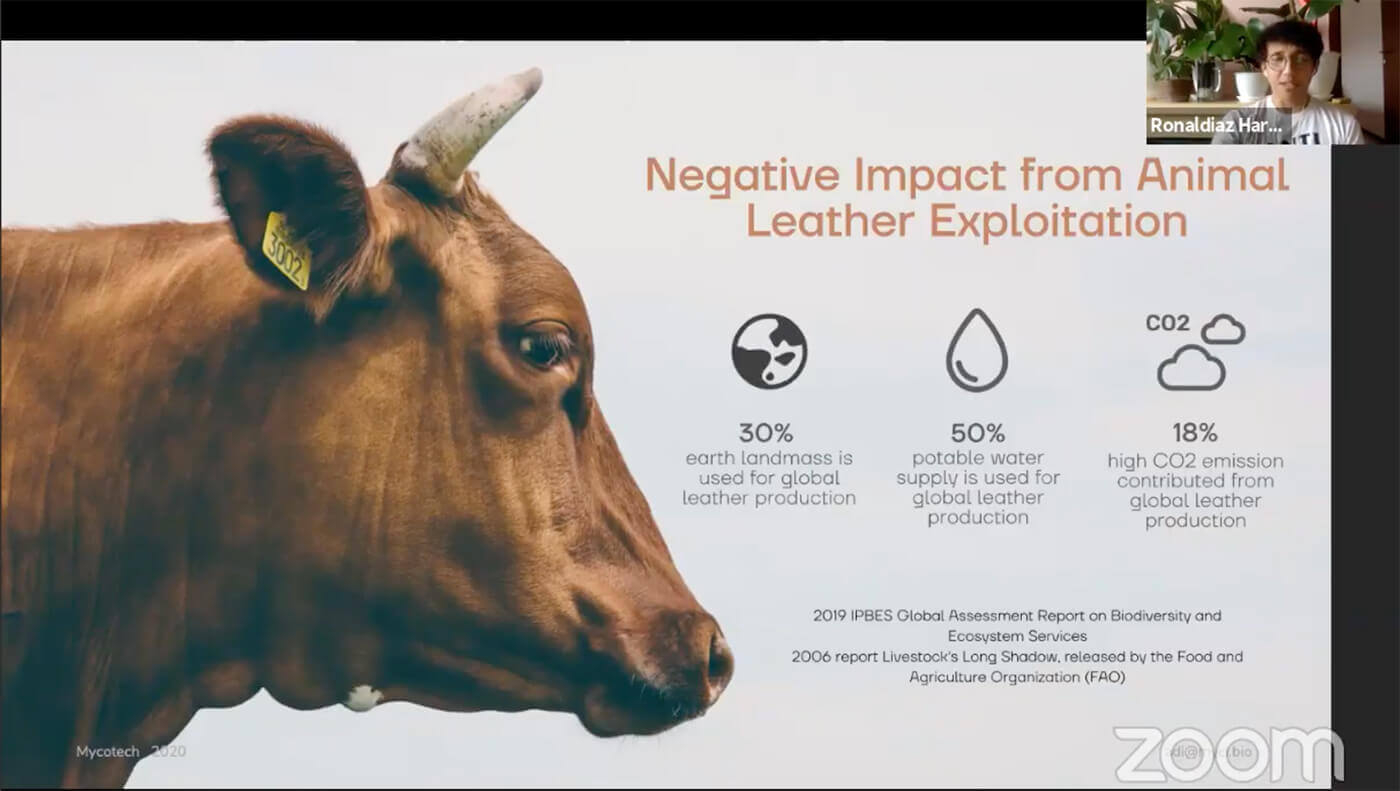
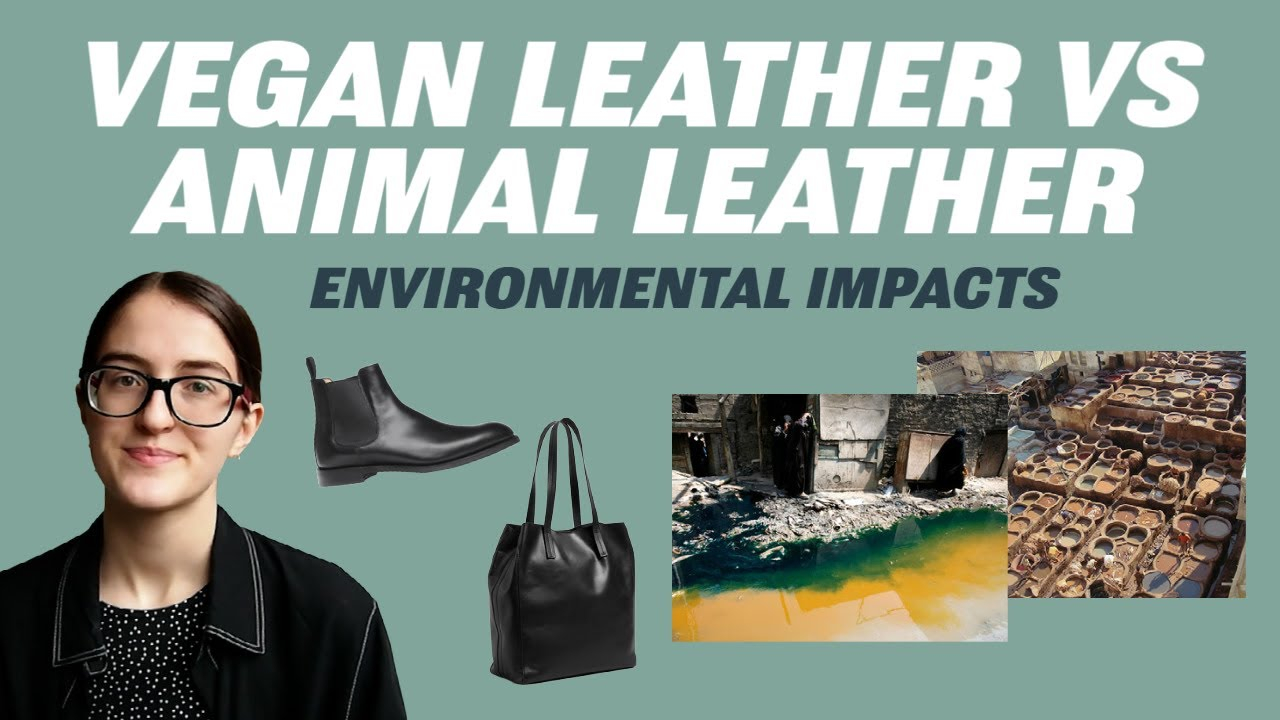
We can’t ignore the moral weight of this choice. The leather industry is tied to the meat industry, which is a major contributor to greenhouse gas emissions, deforestation, and water pollution. Tanning leather involves chromium and other heavy metals that can devastate local water supplies if not managed perfectly. For the environmentally conscious consumer, buying a leather sofa is increasingly hard to justify. It feels contradictory to care about the planet while inviting a product of such intensive resource use into our homes.
Vegan leather, particularly the plant-based varieties, offers a way out. Mushroom leather, for example, requires a fraction of the water and land needed to raise cattle. It grows in weeks, not years. It’s carbon-negative in some production models. Even the PU options, while not perfect, have a lower overall environmental footprint when you account for the lack of agricultural runoff and methane emissions associated with livestock. It’s not a zero-impact solution—nothing is—but it’s a significantly lighter step.
And then there’s the animal aspect. For many, it’s simple. They love animals and don’t want to wear them or sit on them. This isn’t a niche view anymore. It’s mainstream. In 2026, choosing vegan leather is seen as a compassionate act. It aligns your values with your living space. There’s a quiet pride in knowing your beautiful, stylish sofa didn’t require harm. It’s a conversation starter, sure, but more importantly, it’s a peace of mind. You can relax on your couch without a subconscious tug of ethical dissonance. It’s clean, in every sense of the word.
So, how do you navigate this new landscape? Not all vegan leathers are created equal. Just like real leather has grades, so does the fake stuff. First, ask what it’s made of. If it’s 100% PVC, run. It’s brittle and bad for the environment. Look for PU, or better yet, bio-based blends. Ask the retailer about the backing. A cotton or polyester blend backing adds durability and breathability. Check the thickness. Thicker materials resist tearing better.
Second, test the feel. Go to the store. Sit on it. Does it stick to your legs? Does it feel plasticky? Good vegan leather should feel soft, slightly textured, and warm. Rub it with your thumb. Does it wrinkle naturally? Real leather wrinkles in a specific way; good imitations mimic this. Bad ones just crease sharply. Look for perforations if you live in a hot climate. This helps with airflow.
Finally, check the warranty. Confidence in the product is key. Many manufacturers now offer 5 to 10-year warranties on their high-end synthetic leathers, matching or beating the warranties on mid-tier real leather. Read the care instructions. If it says "dry clean only," that’s a red flag. It should be easy to clean. Look for reviews that mention long-term use. Did it peel after three years? Did it crack? Real user experiences are your best guide. Don’t just buy based on the label "vegan." Buy based on quality construction. The material is just one part of the puzzle. The frame, the cushions, and the stitching matter too. But getting the upholstery right is half the battle.
In the end, the decision comes down to what you value. Do you value tradition and the specific, imperfect beauty of natural hide? Then real leather might still be for you. But if you value ease, consistency, ethical clarity, and modern performance, the alternatives are not just "good enough." They are better. They are designed for the way we actually live today. They are resilient, stylish, and kind.
Your sofa is the anchor of your home. It’s where you decompress, connect, and rest. It deserves to be chosen with intention. In 2026, you have more choices than ever before. You don’t have to settle for the past. You can choose a material that reflects your present values and your future needs. So, the next time you’re shopping, don’t just look for the leather tag. Look for the story behind the fabric. You might find that the best seat in the house doesn’t come from a cow at all. It comes from innovation. And honestly? It feels pretty good.