You know the feeling. You open the garage door, hoping to grab a hammer or maybe just park the car, and instead, you’re greeted by a wall of cardboard boxes, a bicycle hanging precariously from a hook that’s seen better days, and that one project you started three years ago and never finished. It’s overwhelming. It’s frustrating. And honestly? It’s exhausting.
But here’s the thing: it doesn’t have to be this way. In 2026, more people than ever are realizing that their garage isn’t just a dumping ground for things they don’t want to see inside the house. It’s potential. It’s square footage waiting to be unlocked. Whether you’re a weekend woodworker, a car enthusiast, or someone who just wants a quiet place to focus on a hobby, transforming that cluttered mess into an efficient workspace is totally doable. And you don’t need a massive budget or a contractor to make it happen.
Let’s be real for a second. Most of us treat the garage like an afterthought. We toss things in there because it’s out of sight, out of mind. But when that space becomes functional, it changes how you use your home. It reduces stress. It sparks creativity. Imagine walking in, knowing exactly where your tools are, having a clear bench to work on, and actually enjoying the time you spend there. That’s what we’re aiming for. Not perfection, but functionality. A space that works for you, not against you.
The Mental Shift: Why You’ve Been Putting This Off
Let’s talk about why this feels so hard. It’s not just the physical labor; it’s the mental load. Looking at a decade’s worth of accumulated "stuff" triggers decision fatigue before you even pick up a single item. You look at a box labeled "Misc Cables" from 2019 and think, What if I need this? So you keep it. Multiply that by five hundred items, and you’re paralyzed.
The first step isn’t buying bins. It’s giving yourself permission to let go. In recent years, the conversation around home organization has shifted from "hide everything" to "curate what serves you." This is crucial for a workspace. If a tool hasn’t been used in two years, do you really need it taking up prime real estate? Probably not. Selling it, donating it, or recycling it clears not just physical space, but mental clutter too.
Think of this phase as an excavation. You’re digging through layers of past decisions to find the foundation of what you actually want to do in this space. Maybe you thought you were going to build furniture, but realistically, you only do small repairs. That’s okay! Aligning the space with your actual habits, not your aspirational ones, is the secret sauce. Once you accept that, the heavy lifting feels lighter. You’re not losing stuff; you’re gaining clarity.
The Great Purge: Sorting Without Losing Your Mind
Okay, so you’re ready to dive in. Don’t just start moving boxes around. That’s a recipe for reshuffling chaos. You need a system. The classic "Keep, Donate, Trash" method works, but for a garage workspace, let’s tweak it. Try four piles: Keep (Active Use), Keep (Seasonal/Storage), Donate/Sell, and Trash/Recycle. And here’s a pro tip: add a fifth pile called "Maybe." But—and this is critical—put a date on the "Maybe" box. If you haven’t opened it in six months, it goes without looking inside.
Start with the easy wins. Grab all the obvious trash first. Broken hangers, empty paint cans, rusted nails that aren’t worth saving. Get those out. Then, move to the big items. That old treadmill gathering dust? Be honest. If it’s not serving you, it’s blocking your workspace. Removing large items quickly opens up floor space, which gives you a visual win. You can suddenly see the floor. That momentum is powerful.
As you sort, group like with like. All the gardening tools in one spot. All the automotive supplies in another. Don’t worry about where they live yet; just get them categorized. This helps you see volume. You might realize you have four cordless drills. Do you need four? Probably not. Keeping one good one and letting go of the others frees up drawer space and reduces redundancy. It’s about efficiency, not hoarding options you’ll never use.
Designing Your Layout: Zones Over Randomness
Now that the junk is gone, you have a blank canvas. Well, mostly blank. Before you buy a single shelf, you need a plan. In 2026, the trend in workshop design is all about "zoning." Instead of lining walls with random shelves, you create dedicated areas for specific tasks. This minimizes movement and maximizes flow. Think about your primary activity. Is it woodworking? Car repair? General DIY? Your main workbench should be the anchor of that zone.
Lighting plays a huge role here, and it’s often overlooked. A dark corner is a dead zone. If you can’t see what you’re doing, you won’t work there. Start by assessing your current lighting. Fluorescent tubes are out; bright, energy-efficient LEDs are in. Consider adding task lighting directly over your workbench. Motion-sensor lights in storage areas are also a game-changer. You walk in, the lights turn on, and you’re ready to go. No fumbling for switches in the dark.
Don’t forget about power access. Nothing kills productivity like running extension cords across the floor. Map out where your outlets are. If you’re setting up a tech-heavy workspace or using power tools frequently, you might need to add outlets or use safe, managed power strips mounted under shelves. Keep the floor clear. Tripping hazards are the enemy of a good workflow. If you can sweep the floor easily, you’ve got a good layout. If you have to move three things to sweep, rethink the placement.
Vertical Thinking: Reclaiming Wall and Ceiling Space
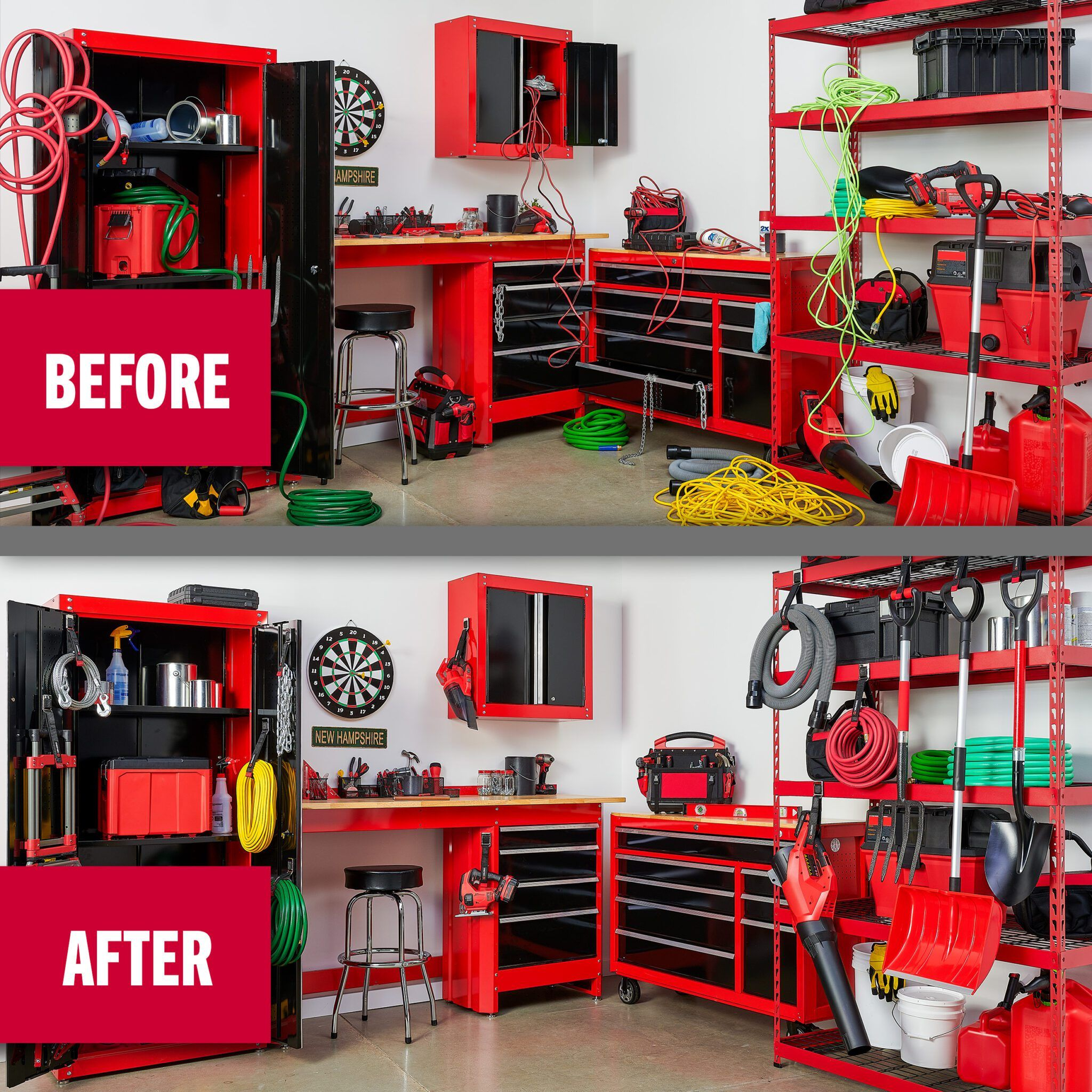
Floor space is premium real estate. Keep it clear for you and your projects. The solution? Go up. Walls and ceilings are vastly underutilized in most garages. Pegboards are making a comeback, and for good reason. They’re customizable, cheap, and keep tools visible and accessible. But don’t stop there. Slatwall systems offer a more robust option if you have heavier equipment. The key is keeping frequently used items at eye level and less-used items higher up.
Ceiling storage is another goldmine. Those bulky items like seasonal decorations, camping gear, or extra luggage? They don’t need to be on the floor. Overhead racks can hold hundreds of pounds safely. Just make sure you install them into the joists, not just the drywall. Safety first. Also, consider pulley systems for bikes or ladders. Lifting a bike up to the ceiling takes seconds once the system is installed, and it frees up a huge chunk of floor space instantly.
For smaller items, transparency is your friend. Clear bins let you see what’s inside without opening every single one. Label everything. Yes, even if you think you’ll remember. You won’t. Six months from now, you’ll thank yourself for labeling that bin "Electrical Supplies" instead of just "Stuff." Using uniform containers also makes the space feel calmer and more organized visually. Chaos often comes from mismatched shapes and colors. Uniformity brings peace.
Building the Heart: The Workbench and Tool Storage
Your workbench is the heart of your workspace. It needs to be sturdy, the right height, and tailored to what you do. Don’t just buy the cheapest one you find. If you’re tall, a standard bench will wreck your back. If you’re doing fine detail work, you need a smooth, solid surface. Many people in 2026 are opting for modular benches that can be reconfigured as needs change. Or, building a simple, rock-solid frame from 2x4s and topping it with a thick plywood or butcher block surface is a cost-effective DIY project that lasts forever.
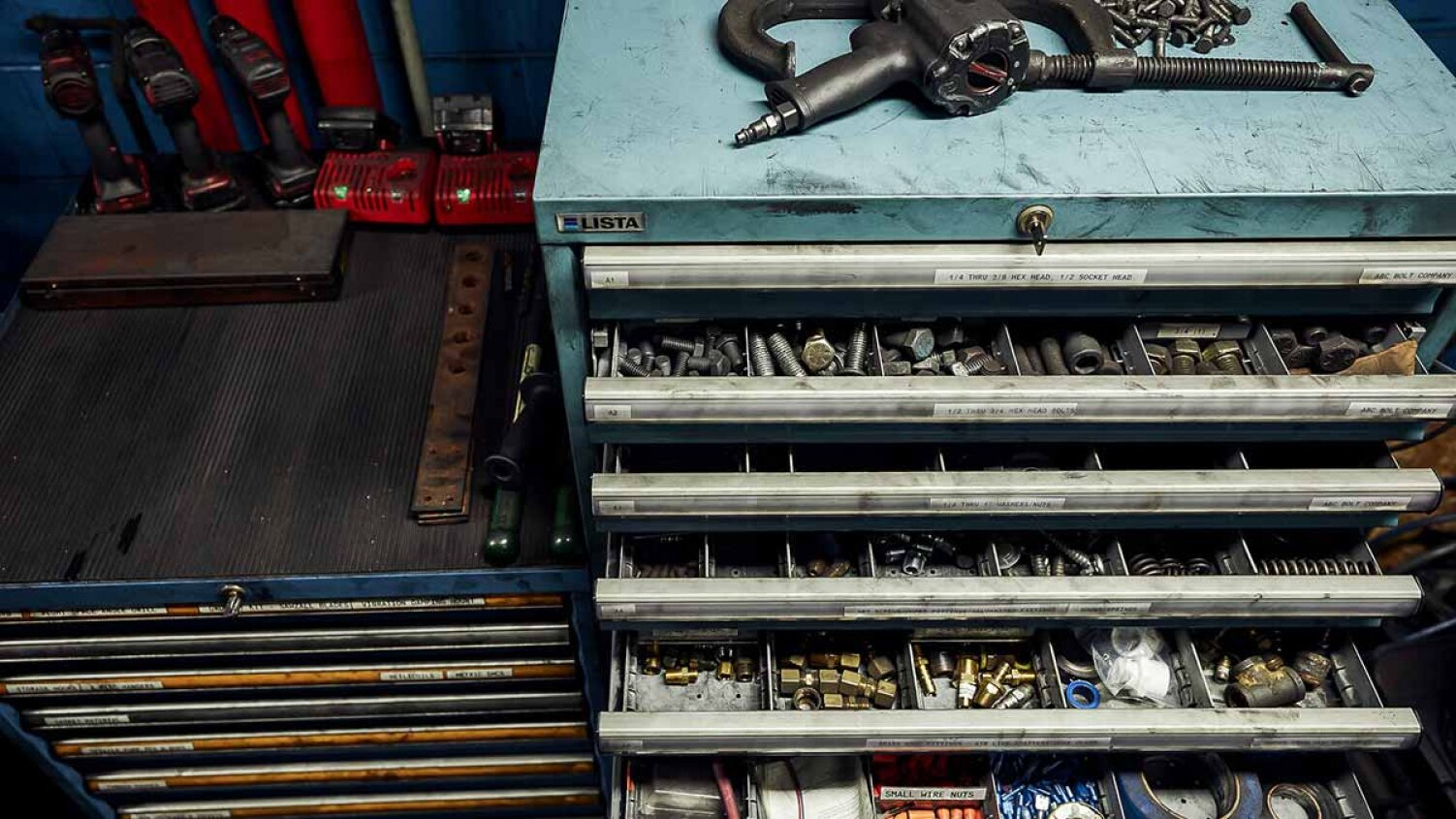
Under-bench storage is critical. Drawers are great for small tools, but open shelving works well for larger items like power tool cases. Keep the most used tools within arm’s reach. If you have to walk across the room to get your tape measure, you’ll stop using the bench. Create a "daily driver" zone on the bench itself—a small tray or rail for the screwdriver, pencil, and tape measure you use every single session.
Tool organization isn’t just about neatness; it’s about speed. Shadow boards, where you outline the shape of the tool on the wall, help you see at a glance if something is missing. It also encourages putting things back. If there’s a specific spot for every wrench, you’re less likely to leave it on the bench. This habit saves hours of searching over the course of a year. Invest time in setting this up right initially, and it pays dividends every time you walk into the garage.
Here’s the hard truth: organizing is not a one-time event. It’s a lifestyle. You can have the most beautiful, efficient garage in the neighborhood, but if you don’t maintain it, it’ll slide back into chaos within months. The key is building small habits. The "one-in, one-out" rule is a classic for a reason. If you buy a new tool, an old one has to go. This prevents creep. Clutter doesn’t happen overnight; it happens inch by inch.
Schedule a quick 10-minute tidy-up at the end of every work session. Put tools back. Sweep the shavings. Wipe down the bench. It takes minutes, but it means you always start your next project with a clean slate. Starting with a messy space is demotivating. Starting with a clean one invites you in. It’s a psychological trick that works wonders. Make it part of the ritual of finishing a project.
Finally, be flexible. Your needs might change. Maybe you take up pottery next year. Maybe you stop working on cars. That’s fine. The beauty of a well-organized system is that it’s adaptable. Bins can be relabeled. Hooks can be moved. Don’t be afraid to tweak the layout as you learn what works and what doesn’t. The goal isn’t a magazine-cover perfect garage; it’s a space that serves your life. And if it’s working for you, it’s successful.
So, where do you start? This weekend. Pick one corner. Just one. Clear it out. Clean it. Set up one small zone. Feel the satisfaction of that small win. Then move to the next. Before you know it, you’ll have transformed that daunting pile of clutter into a space that inspires you. You’ve got this. And honestly? It’s going to feel amazing.