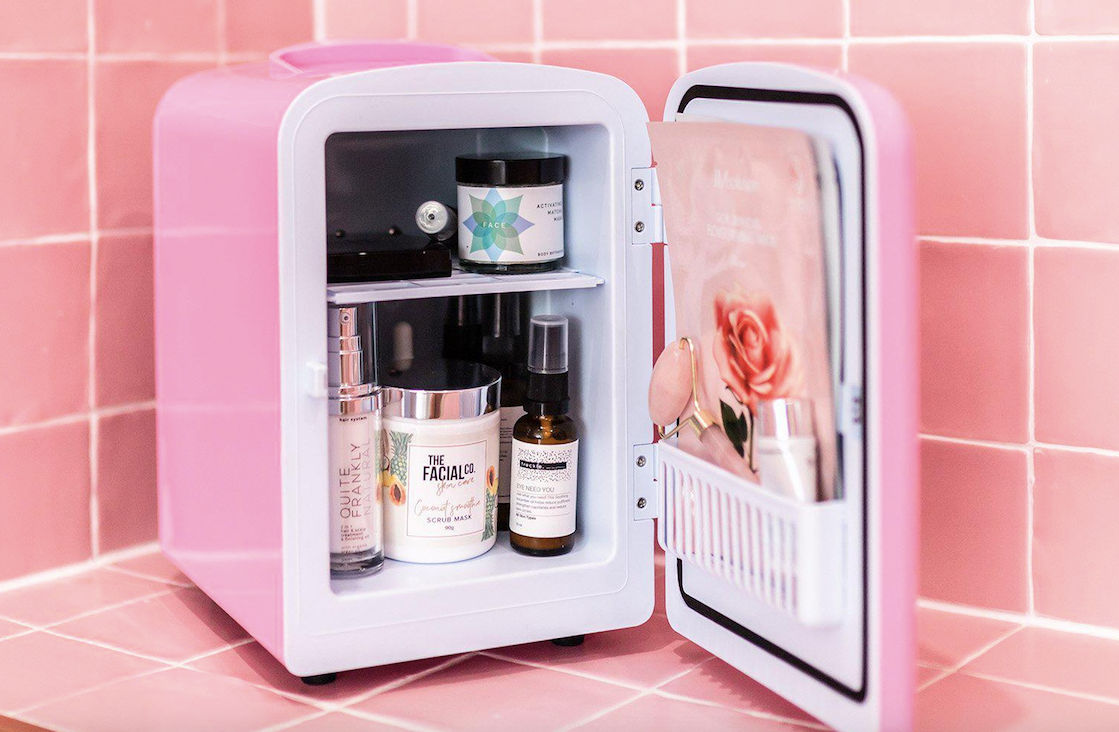
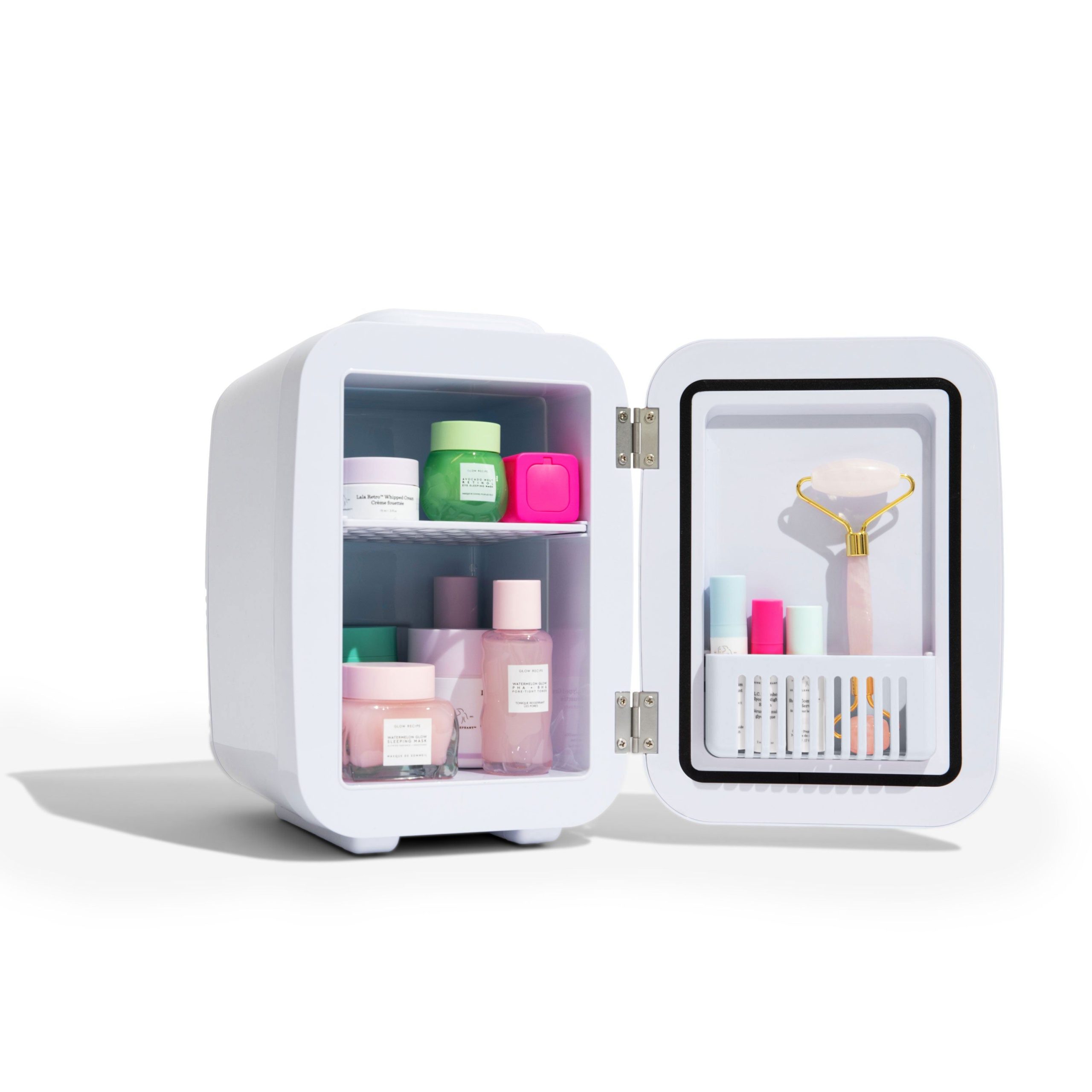
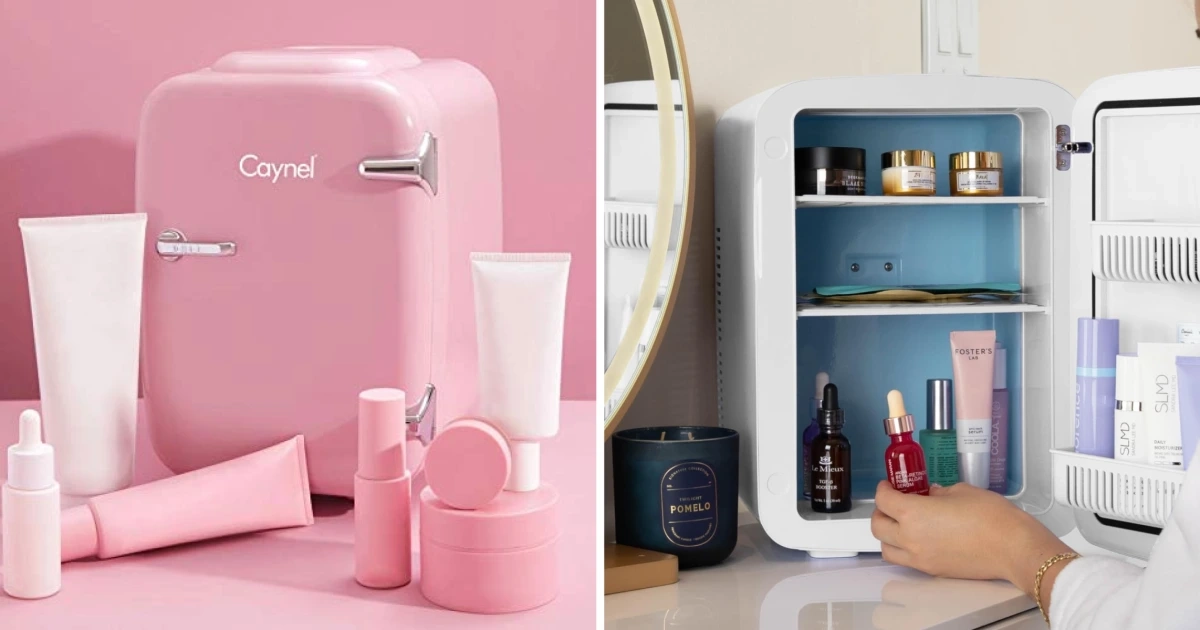
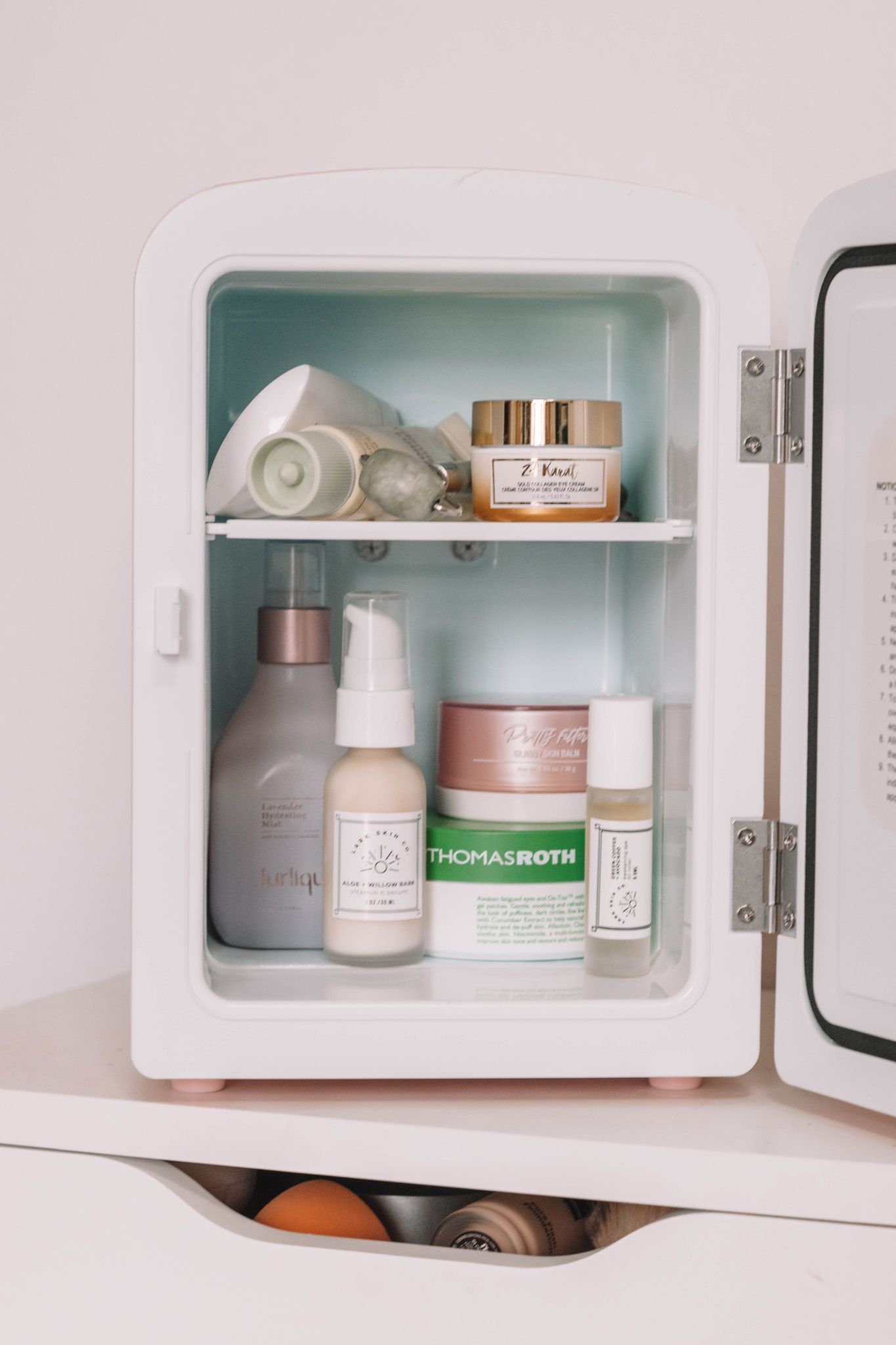
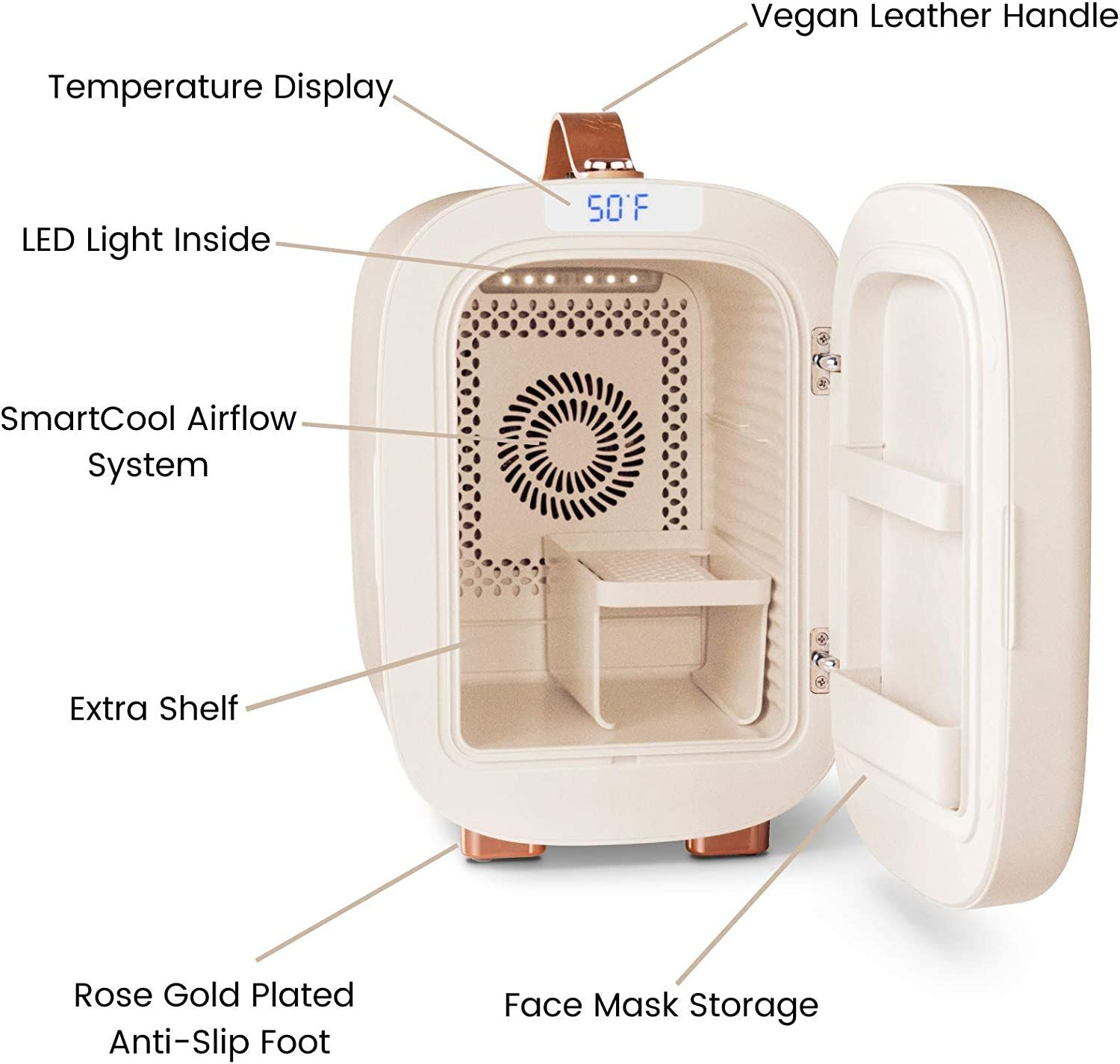
You bought the cute mini-fridge. You lined it up on your vanity, maybe added some LED lights, and filled it with every serum, mask, and eye cream you own. It looks amazing on Instagram. But here’s the thing—your skin might not be thanking you. In fact, if you’re like most people in 2026, you’re probably making a few critical mistakes that are turning your beauty investment into a lukewarm mess of wasted product.
We’ve all been there. The allure of that cold, refreshing splash of toner is real. But a skincare fridge isn’t just a trendy accessory; it’s a tool. And like any tool, it needs to be used correctly. If you’re tossing everything inside without a second thought, you’re likely compromising the efficacy of your products, creating a breeding ground for bacteria, or simply wasting space. Let’s talk about what’s actually going wrong in those little glass doors.
The "Everything Goes" Trap
The biggest mistake? Treating your skincare fridge like a junk drawer. It’s tempting to shove every bottle and jar in there, but not everything benefits from the chill. In fact, some products actively hate it. Oil-based cleansers, heavy balms, and certain clay masks can separate or change texture when exposed to consistent low temperatures. You pull out your favorite cleansing balm, and instead of melting smoothly into your skin, it’s chunky and weird. That’s not a defect; that’s physics.
Then there are the actives. While vitamin C and retinol can benefit from cooler storage to slow down oxidation, freezing them or keeping them too cold can alter their chemical stability. Dermatologists have been warning us about this for years. If the temperature drops below the recommended range, you might be rendering your pricey anti-aging serum useless before you even apply it. It’s heartbreaking to see someone slather on a degraded product, thinking they’re doing their skin a favor, when they’re actually just applying expensive water.
So, what stays out? Keep your daily essentials that don’t require preservation at room temperature. Think of your fridge as a VIP lounge, not a general admission concert. Only the products that specifically benefit from cooling—like eye creams for de-puffing, sheet masks for that instant soothing effect, and unstable antioxidants—should get a ticket in. Check the labels. If it doesn’t say “keep cool” or “refrigerate,” it probably doesn’t need to be in there. Save the space for the stuff that truly thrives in the cold.
Ignoring the Temperature Sweet Spot
Let’s talk numbers. Most people set their mini-fridge to the coldest setting possible, thinking “colder is better.” It’s not. The ideal temperature range for skincare is between 33°F and 45°F (roughly 1°C to 7°C). Anything colder risks freezing the water content in your products, which can break emulsions and ruin the formula. Anything warmer, and you’re barely beating the ambient room temperature, defeating the purpose entirely.
In 2026, many new models come with digital thermostats, yet users often ignore them. They plug it in, set it to “Max Cool,” and forget it. This is a recipe for disaster. Fluctuating temperatures are just as bad as extreme ones. If you’re constantly opening the door to grab a mask, then leaving it open while you scroll through your phone, the internal temperature spikes. This cycle of warming and cooling stresses the product integrity. It’s like taking a cake in and out of the oven repeatedly—it’s gonna collapse.
Get a standalone thermometer. Yes, really. Stick one inside your skincare fridge and check it weekly. It’s a small step that ensures your products are staying in that goldilocks zone. If you notice condensation building up on the bottles, it’s a sign the temperature is too low or the humidity is too high. Adjust accordingly. Your skin barrier will thank you for the consistency. Remember, we’re aiming for preservation, not cryogenics.
The Tetris Game Gone Wrong
Space is limited in these mini-fridges, so we tend to pack them tight. We stack bottles on top of each other, wedge jars into corners, and fill every nook and cranny. But here’s the issue: air circulation. Skincare fridges, especially the smaller ones, rely on proper airflow to maintain an even temperature. If you block the vents or pack items so densely that air can’t move, you create hot spots and cold spots.
This leads to uneven cooling. The products in the back might be freezing, while the ones in the front are barely chilled. It’s inefficient and potentially damaging. Plus, when everything is jammed in, you can’t see what you have. You end up buying duplicates because you forgot you already had three unused sheet masks buried under a pile of toners. It’s wasteful and cluttered.
Try using clear bins or lazy Susans. These simple organizers help maximize vertical space and ensure every item is visible. Leave a little breathing room between products. It feels counterintuitive to leave empty space in a small fridge, but it’s necessary for function. Group similar items together—masks in one bin, serums in another. This way, you’re not digging through a avalanche of glass bottles every morning. A tidy fridge is a functional fridge.
Neglecting the Clean-Out
When was the last time you wiped down the shelves? If you’re hesitating, it’s been too long. Skincare fridges are humid environments, perfect for mold and bacteria growth. Spills happen. Caps leak. Condensation drips. If you’re not cleaning it regularly, you’re storing your clean products in a dirty environment. It defeats the whole purpose of hygiene.
Many people assume that because it’s cold, nothing can grow in there. That’s a myth. Psychrophilic bacteria (cold-loving bacteria) exist. And while they might not harm your skin directly, they can contaminate your products. Imagine dipping a finger into a jar of eye cream that’s sitting next to a leaked bottle of sugary toner. Yuck. Regular maintenance is non-negotiable.
Set a reminder on your phone for once a month. Take everything out. Wipe down the interior with a mild disinfectant or a mix of vinegar and water. Check expiration dates while you’re at it. If a product has changed color, smell, or texture, toss it. Don’t try to save it. Your face is worth more than a half-used bottle of questionable serum. A clean fridge ensures that every application is as fresh and safe as possible.
The Bathroom Blunder
Location matters. A lot of people put their skincare fridge in the bathroom because it’s convenient. It’s right next to the sink, after all. But bathrooms are the most humid and temperature-fluctuating rooms in the house. Showers create steam. Hot water raises the ambient temperature. This forces your mini-fridge to work overtime to stay cool, leading to higher energy use and potential wear and tear on the compressor.
Moreover, the constant humidity can seep into the fridge seals, causing mold growth on the exterior and potentially affecting the interior. It’s a tough environment for any appliance. Ideally, place your skincare fridge in a bedroom or a dressing area where the temperature is stable and the air is drier. If you must keep it in the bathroom, ensure it’s far from the shower and well-ventilated.
Think about your routine. Do you really need it in the bathroom? For many, a bedside table is a better spot. It encourages a calming nighttime ritual and keeps the appliance away from moisture. Plus, it’s quieter. Nothing ruins a good night’s sleep like the hum of a struggling compressor trying to combat steam from a hot shower. Keep it cool, keep it dry, and keep it away from the chaos of the bath.
Cold storage extends shelf life, but it doesn’t stop time. Many people assume that because a product is in the fridge, it lasts forever. This is dangerous thinking. Once a product is opened, the clock starts ticking. The preservatives have a limited window of effectiveness, regardless of temperature. Keeping an expired serum in the fridge doesn’t make it safe; it just makes it cold.
Check the PAO (Period After Opening) symbol on your packaging. It looks like a little jar with a number and an ‘M’ (e.g., 6M means six months). Write the opening date on the bottle with a marker. It’s a simple hack that saves you from guessing. In 2026, with the rise of clean beauty and fewer harsh preservatives, products are spoiling faster than ever. Natural ingredients degrade quicker.
Rotate your stock. Use the oldest products first. Don’t keep buying new things if you haven’t finished the old ones. It’s easy to get excited about new launches, but your skin doesn’t need a graveyard of half-used bottles. Be mindful. If it’s past its prime, let it go. Your skin barrier is delicate; don’t compromise it with outdated formulas. Fresh is best, cold or not.
So, take a look at your skincare fridge today. Is it a chaotic mess of expired products? Is it freezing your oils? Is it sitting in a steamy bathroom? Fixing these mistakes doesn’t require a huge overhaul. It just takes a bit of awareness and intention. Your skincare routine is an act of self-care. Make sure the tools you use support that goal, rather than hindering it.
Organizing your fridge isn’t just about aesthetics; it’s about efficacy. It’s about getting the most out of every drop. By avoiding these common pitfalls, you’re not just tidying up; you’re investing in your skin’s health. And honestly, isn’t that what we’re all here for? Clear, healthy, glowing skin. Let’s make sure our fridges are helping us get there, one properly chilled serum at a time.