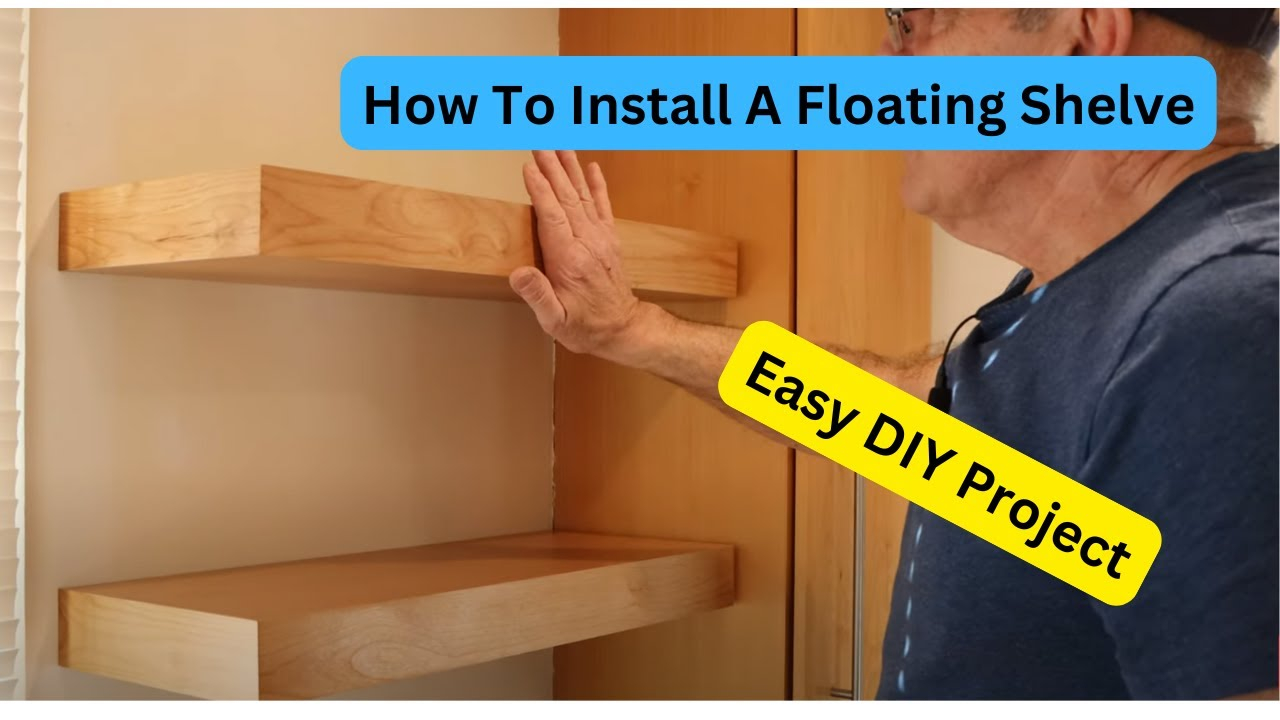
You know that feeling. You’ve got this beautiful, chunky oak shelf sitting in your living room. It’s perfect. But the wall? It’s just drywall. And you’re pretty sure there isn’t a stud anywhere near where you want it. Panic sets in. Will it fall? Will it crash down with your favorite ceramic vase? In 2026, the answer is a resounding no—if you do it right.
Gone are the days when "no stud" meant "flimsy." We have better tech now. Better anchors. Smarter designs. You don’t need to be a contractor to get this done. You just need to know which hardware holds up under pressure and how to trick the eye into thinking it’s magic. Let’s dive in.
Why You Don’t Need to Fear the Hollow Wall
Let’s clear something up right away. Drywall gets a bad rap. People think it’s weak. Fragile. Like eggshells. But modern drywall, when paired with the right 2026-era hardware, is surprisingly tough. The secret isn’t the wall itself; it’s what you put behind it.
When you can’t hit a wood stud, you’re relying on friction and leverage. Think of it like an umbrella opening inside a tube. Once it’s open, it’s not going back through the hole. That’s basically how toggle bolts and heavy-duty anchors work. They spread the load across a wider area of the drywall, so one tiny screw doesn’t bear all the weight.
In recent years, we’ve seen a shift toward composite anchors that grip better than old-school plastic plugs. These new materials resist crumbling, which was the number one reason shelves failed in the past. So, if you’re worried about your walls being too "thin" or "cheap," stop. They’re fine. Your technique just needs to be sharp.
Choosing the Right Anchor for the Job
Not all anchors are created equal. Seriously. Using a cheap plastic plug for a heavy bookshelf is like trying to hold up a car with a toothpick. It’s gonna snap. For floating shelves without studs, you generally have three main contenders in 2026.
First, there are Toggle Bolts (or Snap Toggles). These are the heavy lifters. They have wings that flip open behind the drywall. They can hold 50+ pounds each, depending on the drywall thickness. If your shelf is going to hold books, plants, or tech, this is your go-to. They’re bulky, though, so you need a bigger drill bit.
Second, Molly Bolts. These are great for medium loads. They expand a metal sleeve behind the wall. They’re a bit easier to install than toggles because they don’t require as large of a hole, but they still offer solid grip. Think decorative items, light frames, or a few small vases.
Third, Self-Drilling Anchors. These are for light duty only. Maybe a small floating shelf for keys or mail. Don’t push your luck here. If the shelf is longer than 2 feet, skip these. They just don’t have the leverage needed for long spans. Always check the weight rating on the package. Manufacturers have gotten much clearer about this in the last couple of years.
The French Cleat Hack for Extra Security
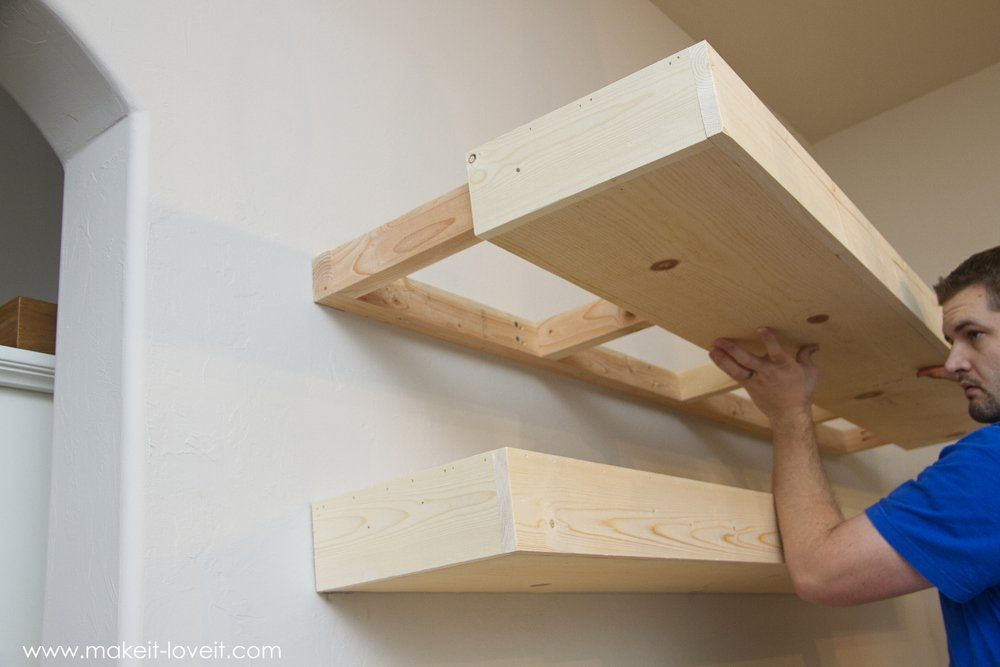
Here’s a pro tip that changes everything. Even without studs, you can distribute weight more evenly by using a French Cleat system combined with your anchors. A French Cleat is basically two pieces of wood cut at a 45-degree angle. One goes on the wall, one on the shelf. They interlock.
Why does this help on drywall? Because instead of pulling straight out from the wall (which is what screws hate), the weight pushes down and into the wall. This reduces the shear force on your anchors. It’s a subtle difference, but it makes the setup way more stable.
In 2026, you can buy pre-made metal French cleat kits that are super slim. They look invisible once installed. You mount the wall side with four to six toggle bolts spread out across the length of the shelf. Then, you hang the shelf. It locks in place. It’s incredibly secure. Plus, if you ever move, you can just lift the shelf off. No unscrewing required. It’s clean, modern, and smart.
Step-by-Step Installation Process
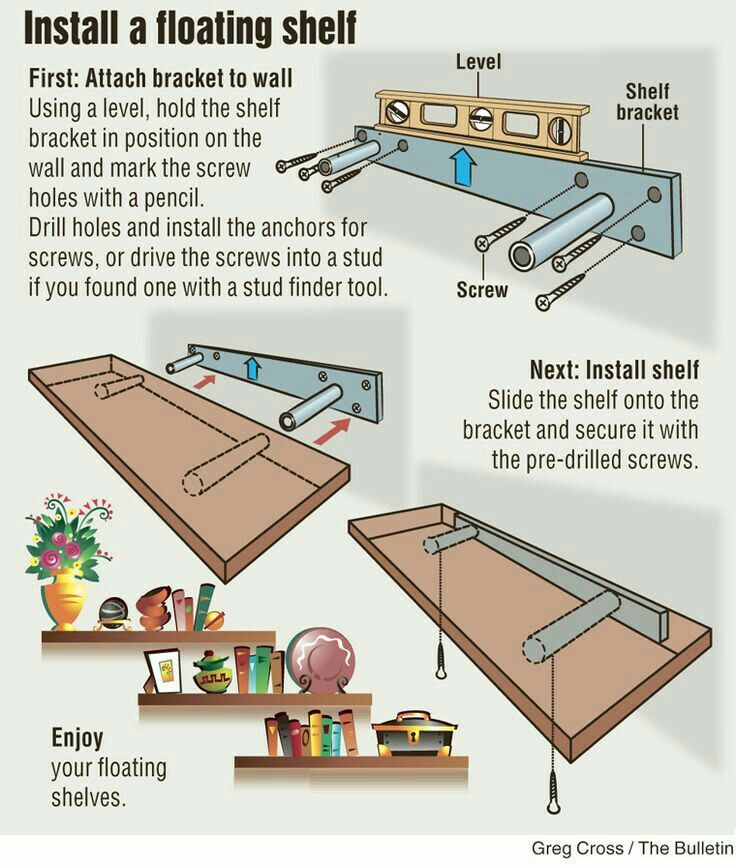
Alright, let’s get our hands dirty. First, grab your tools. You’ll need a level (a laser level is nice, but a bubble level works), a drill, a stud finder (just to confirm there aren’t studs where you think there aren’t), a pencil, and your chosen anchors.
Start by marking your height. Use the level to draw a faint line across the wall where the top of your shelf bracket will sit. Double-check this. Measure from the floor on both sides. If it’s off by even a quarter inch, your brain will notice it forever. Trust me.
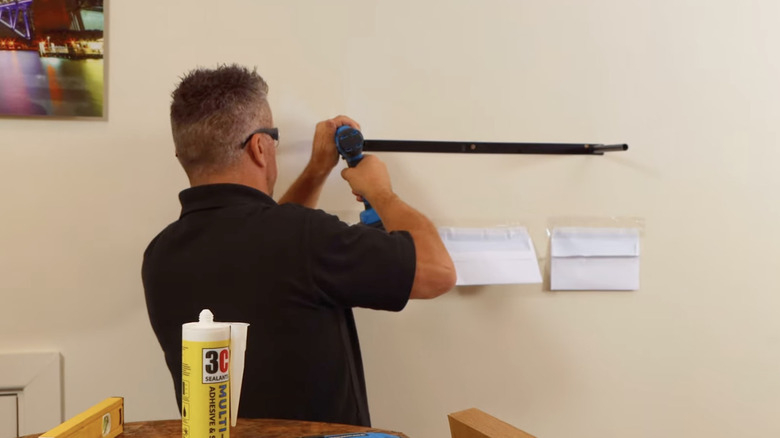
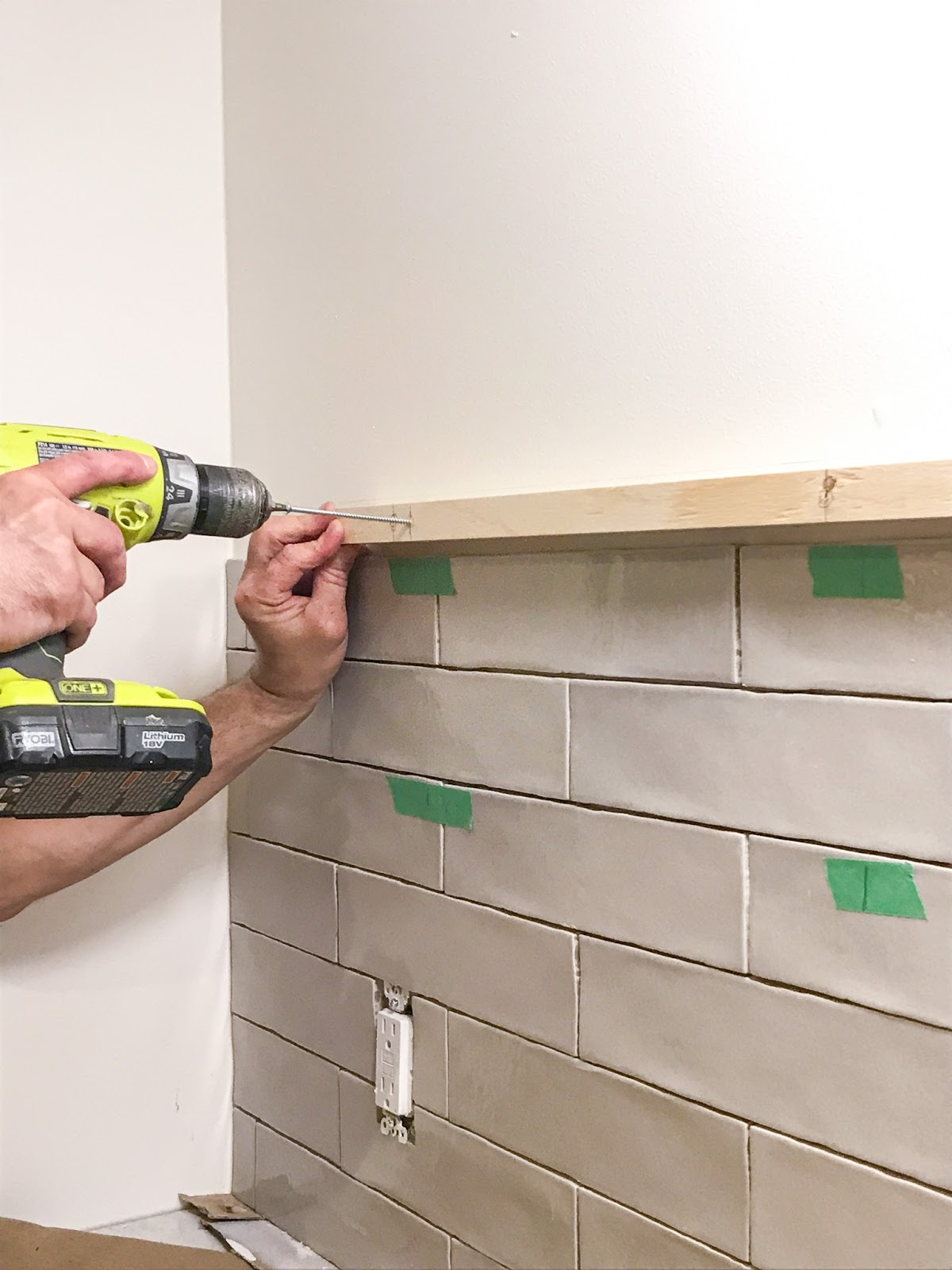
Next, mark your anchor points. For a standard 3-foot shelf, you want at least three anchor points. One on each end, and one in the middle. If it’s longer, add more. Mark these spots on your level line. Now, drill your holes. Go slow. Keep the drill straight. If you’re using toggle bolts, make sure the hole is exactly the size specified. Too big, and the toggle won’t grip. Too small, and you’ll crush the drywall.
Insert your anchors. For toggles, feed them through the bracket first, then into the wall. Tighten them gently until they feel snug. Don’t overtighten! You’ll strip the drywall. Stop when it’s firm. Hang your shelf bracket or cleat. Check the level again. Adjust if needed. Then, slide your shelf onto the brackets. Done.
Common Mistakes That Cause Shelves to Fall
We’ve all seen it. The shelf sags. Or worse, it rips out of the wall. Usually, it’s one of three mistakes. The first is overloading. Just because an anchor says it holds 50 pounds doesn’t mean you should put 50 pounds on a single point. Distribute the weight. Keep heavy items near the anchor points, not in the middle of the span where there’s no support.
The second mistake is ignoring drywall condition. Is your drywall old? Crumbly? Did someone patch it badly? If the drywall is soft or damaged, anchors won’t hold well. In 2026, there are repair kits for this, but sometimes it’s better to reinforce the back of the drywall with a piece of plywood if you have access (like in a closet). If not, stick to lighter loads.
The third mistake is rushing the level. I know, I said it before, but it’s worth repeating. An unlevel shelf looks amateurish. And if it’s tilted forward, gravity is working against your anchors. Every little bit of forward tilt adds stress. Take the extra five minutes to get it perfect. Use shims if you have to. Small plastic wedges can fix a slightly uneven wall surface.
Once your shelves are up, you might think you’re done. But check them periodically. Especially in the first few weeks. Drywall can settle. Anchors can loosen slightly as the material compresses. Give the shelf a gentle wiggle test after a month. If it feels loose, tighten the screws a quarter turn. That’s usually enough.
Also, be mindful of humidity. In 2026, many homes have better insulation, but bathrooms and kitchens still get moist. Moisture can weaken drywall over time. If you’re installing shelves in a bathroom, use moisture-resistant anchors (usually coated or stainless steel) and maybe add a sealant around the anchor heads. It’s a small step that prevents rust and crumbling.
Finally, don’t treat your floating shelves like climbing ladders. It sounds obvious, but kids (and cats) see them as challenges. If you have toddlers, consider installing lower shelves with heavier-duty anchors, or keep breakables high up. The hardware is strong, but it’s not invincible. Respect the limits, and your shelves will last for years.
So, there you have it. Installing floating shelves on drywall without studs isn’t a gamble. It’s a science. With the right anchors, a bit of patience, and maybe a French cleat, you can create a sleek, modern look that’s also rock-solid. Don’t let the lack of studs stop you. Embrace the hollow wall. It’s got more potential than you think.