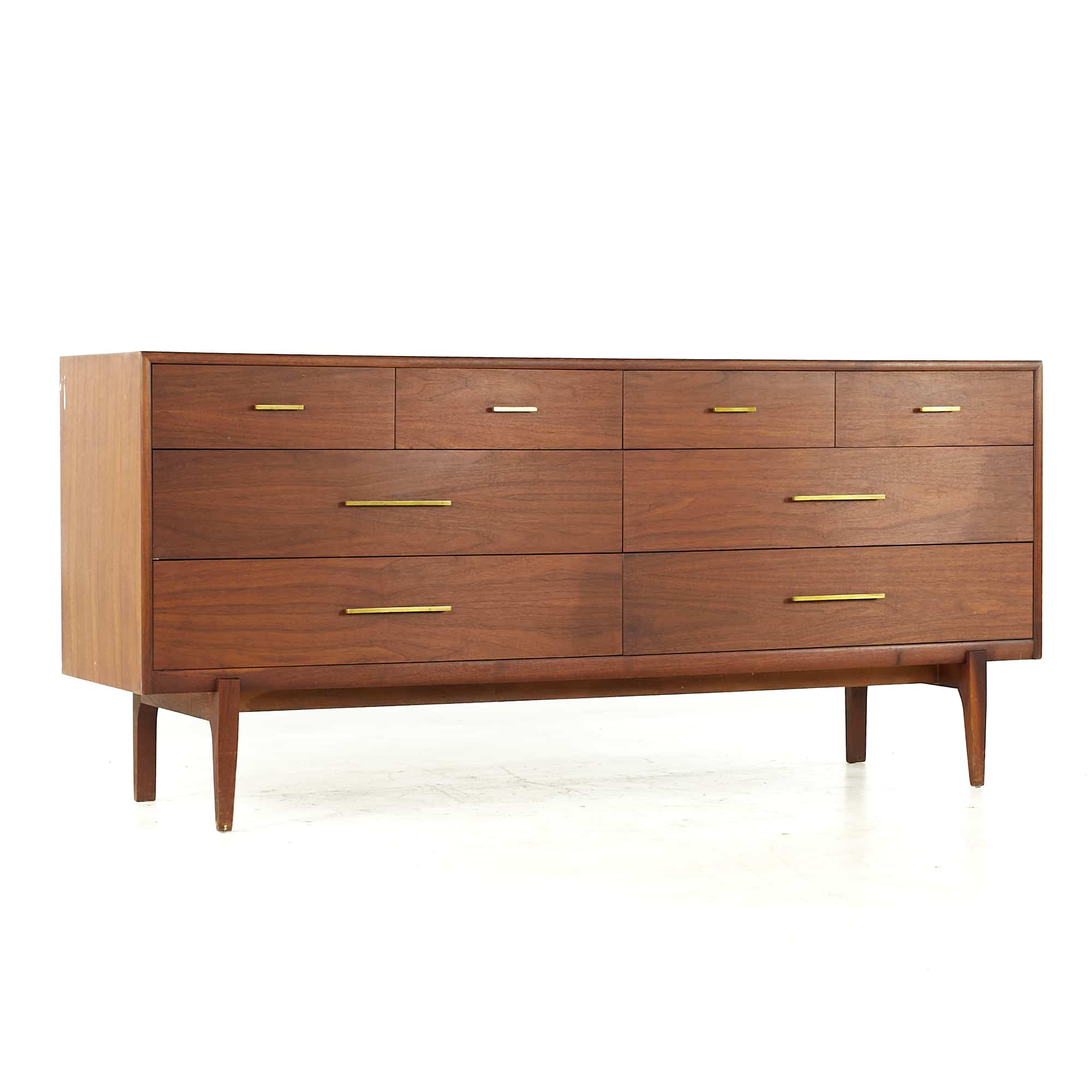
Ever walk into your bedroom, glance at that flat surface, and just sigh? You know the one. It’s supposed to be a place for your keys, maybe a nice lamp, or that vase your aunt gave you. But somehow, it always ends up looking like a dumping ground for receipts, half-empty water bottles, and clothes you aren’t sure are clean yet. It’s frustrating. Really frustrating. Because deep down, you know it could be better. It could be the calm center of your room. Or at least, a spot that doesn’t make your eyes twitch every time you see it.
We’ve all been there. In 2026, our lives are busier than ever, and our bedrooms have become more than just places to sleep. They’re offices, gyms, and sanctuaries. The dresser top is often the casualty of this multi-tasking life. But here’s the secret: you don’t have to choose between a pretty picture and a useful surface. You can have both. It’s not about hiding everything away in drawers (though that helps). It’s about intention. It’s about knowing what you actually need within arm’s reach and arranging it so it feels good to look at. Let’s fix that space together.
Start With a Clean Slate and Honest Assessment
Before you buy a single tray or pick up a candle, you have to clear the deck. I mean literally everything. Take it all off. Every photo frame, every loose change, every stray hair tie. Wipe it down. Dust it. Feel the wood or laminate under your hands. This isn’t just about cleaning; it’s about resetting your brain. When you look at an empty surface, you stop seeing "clutter" and start seeing "potential." It’s a blank canvas. And honestly, it’s the only way to know what you’re working with. Most guides, like the one from Joss & Main, emphasize this step for a reason. You can’t style a mess.
Now, look at the space itself. How big is it really? Measure it if you have to. A wide, low dresser offers different possibilities than a tall, narrow chest. As noted by Indoorik, understanding the precise dimensions changes everything. If you have a huge surface, you can get away with larger statement pieces. If it’s small, you need to be ruthless. Ask yourself: What do I actually use here? Do you put on jewelry here? Do you need a spot for your phone charger? Be honest. If you never light candles, don’t force one onto the surface just because it looks nice in magazines. Function starts with truth.
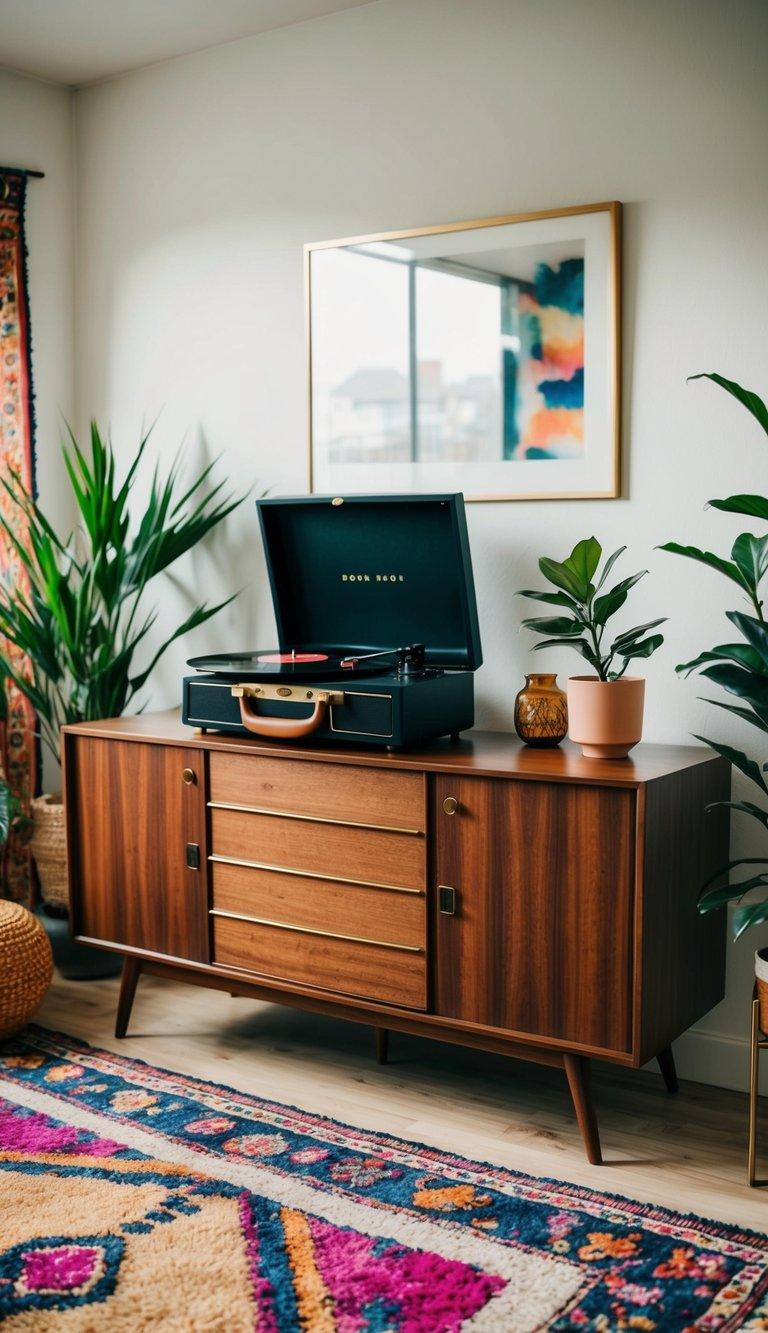
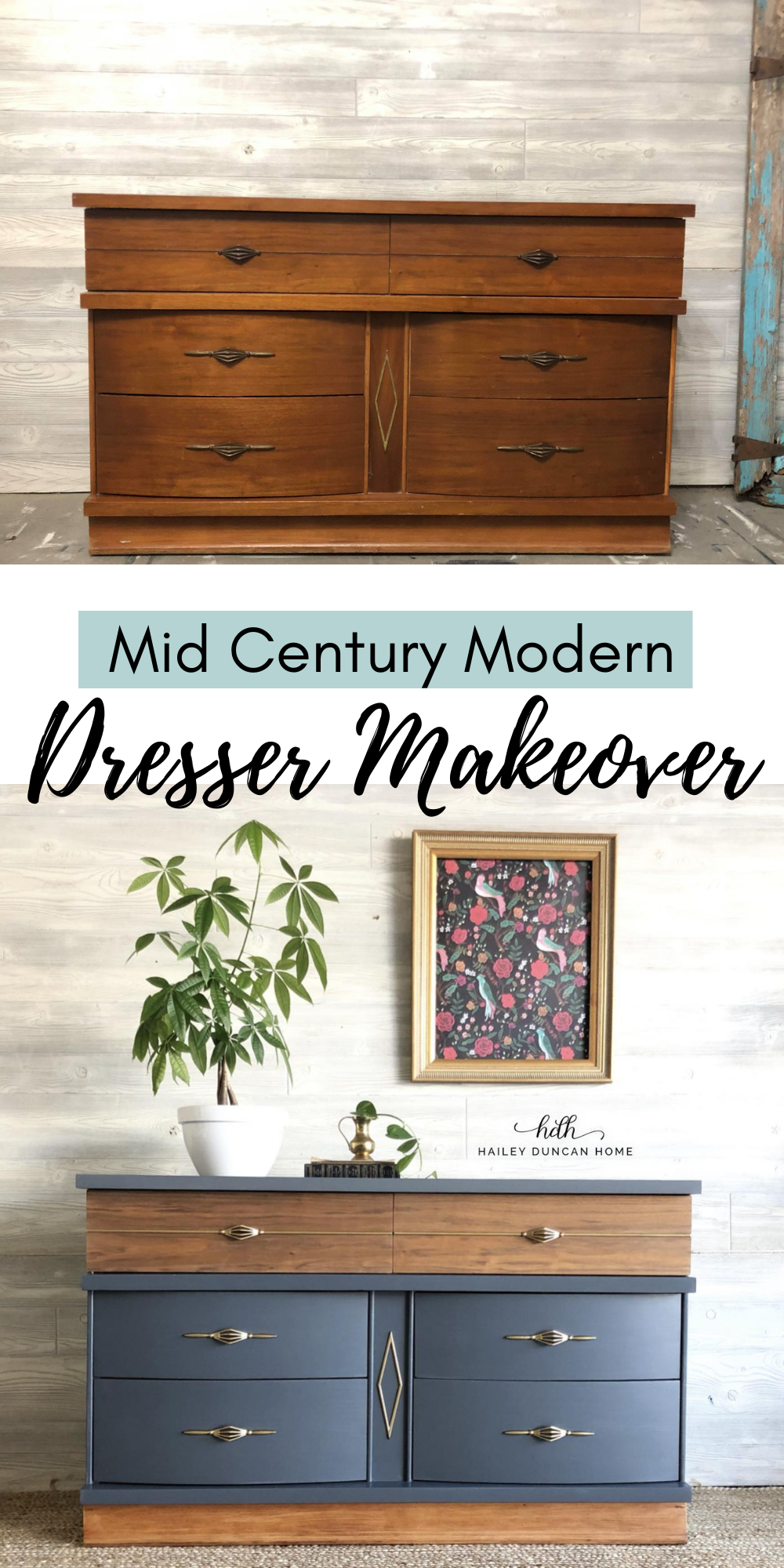
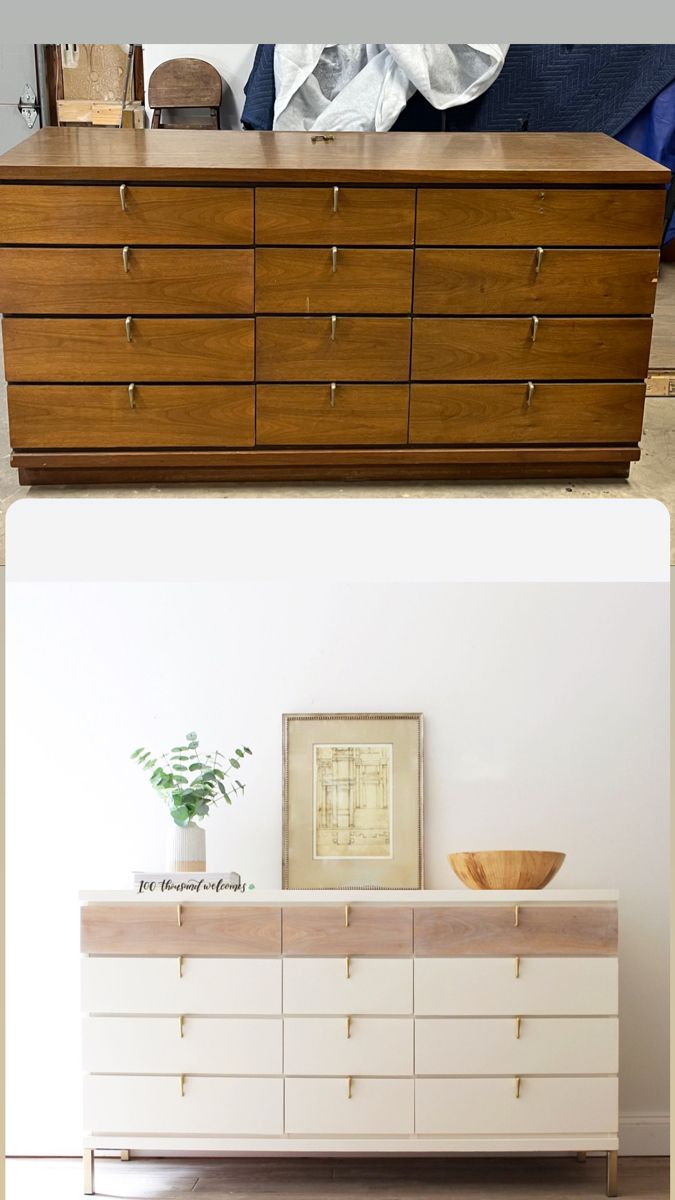
This phase is also about recognizing the "visual weight" of your dresser. A dark, heavy oak piece needs different styling than a white, airy mid-century modern one. The finish matters. It affects whether your decor blends in or pops out. Think about the mood you want. Calm? Energetic? Cozy? Your answers will guide what stays off the floor and onto the top. Don’t rush this part. Sit with the emptiness for a minute. It feels weird, but it’s necessary.
The Rule of Three and Visual Balance
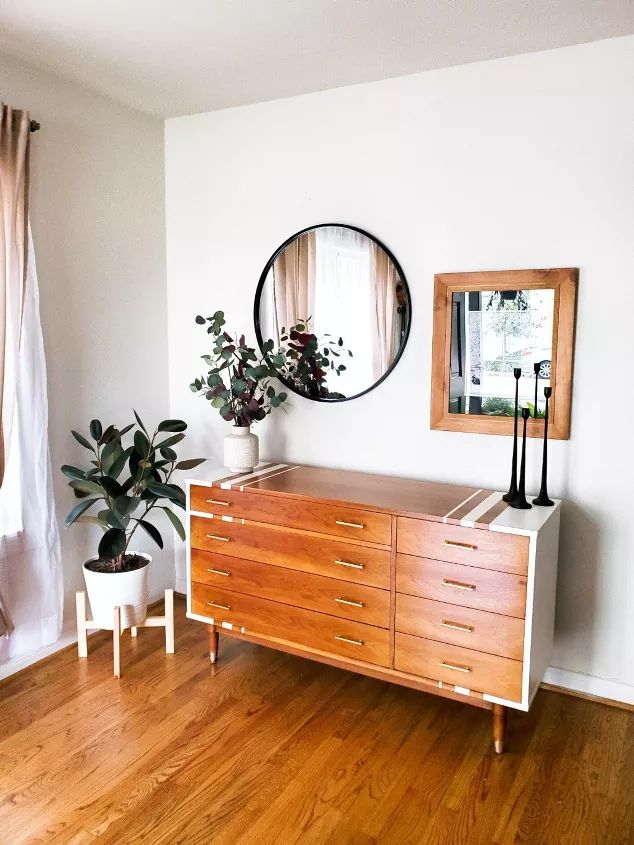
Once you know what you need, it’s time to arrange. And the golden rule here is odd numbers. Specifically, three. Our brains love odd numbers. They feel natural, dynamic, and less forced than even pairs. Try grouping items in threes. A lamp, a small plant, and a stack of books. Or a tray, a box, and a vase. It creates a triangle for your eye to follow, which keeps things interesting without being chaotic. HomePerch highlights this as a key pro tip for a reason—it works. Every. Single. Time.
But balance isn’t just about counting items. It’s about weight and height. You don’t want all the tall stuff on one side and all the flat stuff on the other. That makes the whole thing feel like it’s tipping over. Mix it up. If you have a tall lamp on the left, balance it with a medium-height vase and a low tray on the right. Spread the visual mass evenly. Remodel or Move suggests ensuring items are distributed across the surface to create stability. This doesn’t mean symmetrical. Symmetry is formal and stiff. Asymmetry is relaxed and human. Aim for balanced asymmetry.
Think about negative space too. This is the empty area around your objects. It’s just as important as the objects themselves. If you crowd every inch, it feels anxious. Give your items room to breathe. Leave some gaps. Let the eye rest. This is where many people go wrong. They think "more is more." But on a dresser, less is usually more. Or at least, "enough" is more. If you’re unsure, step back. Squint your eyes. Does one side feel heavier? Move something. Tweak it. It’s a living arrangement, not a museum exhibit.
Functional Zones for Daily Life
Let’s talk about real life. You’re not a model posing for a photo shoot. You live here. You have stuff. The trick is to corral that stuff so it looks intentional, not accidental. This is where trays and boxes become your best friends. A beautiful tray can hold your watch, your rings, and that loose receipt you need to file later. Suddenly, it’s not clutter; it’s a vignette. Belleze points out that turning daily clutter into decor is all about containment. When items are grouped, they read as a single design element rather than ten separate problems.
Create zones based on your routine. If you get dressed in the morning, keep your jewelry box or dish near the edge where you stand. If you read before bed, maybe a small stack of current reads and a reading light belong on one side. Keep the most frequently used items accessible. Don’t hide your hairbrush in a decorative box if you use it twice a day. That’s just adding friction to your life. Functionality means ease. If it’s hard to use, you won’t use it, and it’ll just sit there gathering dust.
Consider vertical storage too. If your drawer space is tight, use the top surface wisely. A small tiered stand can hold perfumes or lotions without taking up much footprint. Or use a pretty box with a lid to store things like charging cables or spare batteries. It keeps them hidden but reachable. The goal is to make the surface work for you, not against you. If you find yourself constantly moving things around to find space, your system isn’t working. Adjust it. Swap a box for a tray. Move the lamp. Make it fit your life, not the other way around.
Texture and Layers Add Depth
Flat surfaces are boring. Literally. If everything sits directly on the wood, it looks one-dimensional and stark. You need layers. Start with a base. A runner, a piece of marble, or a large tray can anchor the arrangement. This adds texture and breaks up the expanse of the dresser top. Abloomdecor emphasizes that styling with intention helps the room’s feel. Texture is a huge part of that feel. Think about the materials. Wood, glass, metal, ceramic, fabric. Mix them.
For example, if your dresser is smooth and glossy, add something matte and rough. A woven basket or a stone object. If the dresser is rustic wood, try something sleek like a metal lamp or a glass vase. Contrast creates interest. It makes the eye move around the space. Don’t be afraid to mix finishes. Gold and silver can coexist. Matte black and warm wood look great together. The key is cohesion through color or shape, not matching everything perfectly.
Plants are also a cheat code for texture. A real pothos trailing off the edge softens the hard lines of furniture. It adds life. Literally. If you kill plants, go for a high-quality faux one. No judgment. In 2026, fake plants are incredibly realistic. Just dust them occasionally. The greenery breaks up the static nature of inanimate objects. It adds a pop of organic shape that rigid boxes and lamps can’t provide. Layering isn’t just about stacking; it’s about creating a landscape on a small scale.
Personal Touches Tell Your Story
A styled dresser shouldn’t look like it came straight out of a catalog. It should look like you live there. This is where personality comes in. Display things that matter. A framed photo of your dog. A souvenir from a trip you loved. A piece of art that makes you smile. LetsDecore notes that adding personal flair transforms a space. These items are conversation starters, even if the only person conversing is you in the mirror. They ground the space in your reality.
But be selective. One or two meaningful items are powerful. Ten are noisy. Choose the pieces that spark joy or memory. Maybe it’s a vintage clock that belonged to your grandfather. Or a colorful ceramic bowl from a local market. These items add color and history. They break the monotony of neutral tones. Don’t be afraid of color, either. If your room is beige, a bright blue vase can be the perfect accent. It draws the eye and adds energy.
Rotate these items seasonally or when you’re feeling stale. You don’t need to buy new decor to refresh the look. Swap the summer shells for winter pinecones. Change the photo frame. It keeps the space feeling fresh and alive. Your dresser top is a reflection of your current life. Let it change as you do. This flexibility is part of the beauty. It’s not a permanent installation. It’s a dynamic part of your home.
Here’s the hard truth: styling isn’t a one-and-done deal. Life happens. Dust settles. Clutter creeps back in. It’s normal. The key is maintenance. Set a reminder to wipe down the surface once a week. It takes two minutes. Put things back in their trays. Toss the trash. This small habit prevents the overwhelming "clean out" sessions that feel like chores. HomeEssentialsGuide suggests simple strategies to declutter regularly. Consistency beats intensity.
Every few months, do a mini-refresh. Step back and look at it with fresh eyes. Is it still working? Are you using those items? If not, move them. Donate them. Store them. Maybe you need more storage now than you did in January. Adjust your zones. Swap out a tired lamp for something new. This isn’t about perfection. It’s about keeping the space functional and pleasing. It’s a dialogue with your environment.
Remember, there’s no "right" way. There’s only what works for you. If you like minimalism, keep it bare. If you love maximalism, pile it on (but organize it!). The goal is balance between form and function. Does it look good? Yes. Does it work for your daily routine? Yes. Then you’ve succeeded. Don’t stress over trends. Trends fade. Your comfort and ease don’t. Keep it simple. Keep it you. And enjoy the view.