You know that sinking feeling? Not the emotional kind, but the physical one. You roll over in bed, and instead of a firm, supportive push back, you feel a weird sag. Or maybe you hear a creak that sounds like an old ship taking on water. It’s annoying. It ruins the vibe. And usually, it’s not the mattress’s fault. Well, not entirely.
Most people think buying a bed is just about picking a headboard you like and hoping for the best. They grab a frame, toss the mattress on top, and call it a day. But here’s the thing: mattresses are picky. They have needs. Specifically, they need the right kind of support underneath them. If you pair a modern memory foam mattress with an old-school panel bed designed for a box spring, you’re asking for trouble. Conversely, putting a heavy traditional innerspring on a flimsy platform might void your warranty before you even take the first nap.
It’s 2026, and we have more options than ever, which paradoxically makes choosing harder. Do you go with the sleek, low-profile platform bed? Or the classic, taller panel bed? The answer isn’t about style. It’s about physics. It’s about airflow. It’s about what’s inside your mattress. Let’s break it down so you can stop worrying about sagging and start sleeping better.
The Core Difference: Support vs. Suspension
Let’s clear up the confusion right away. What actually is a panel bed versus a platform bed? It sounds like marketing jargon, but the structural difference is huge.
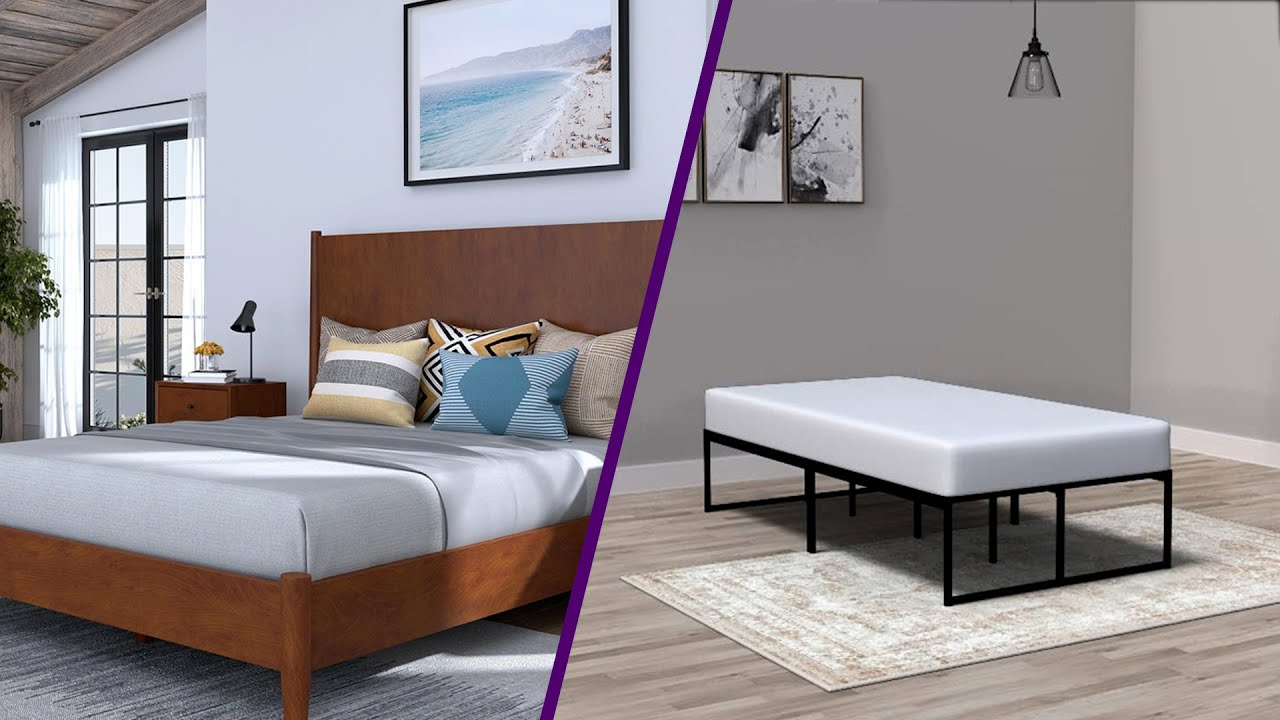
A panel bed is basically a skeleton. It has a headboard, a footboard, and side rails. That’s it. Inside those rails, there might be a couple of wooden slats or metal bars, but they aren’t meant to hold your mattress directly. They are designed to hold a foundation—usually a box spring or a rigid bunkie board. Think of the panel bed as a frame for a picture; the picture (your mattress) needs a backing (the box spring) to sit flat. Without that extra layer, your mattress will dip between the sparse slats, leading to premature wear and tear.
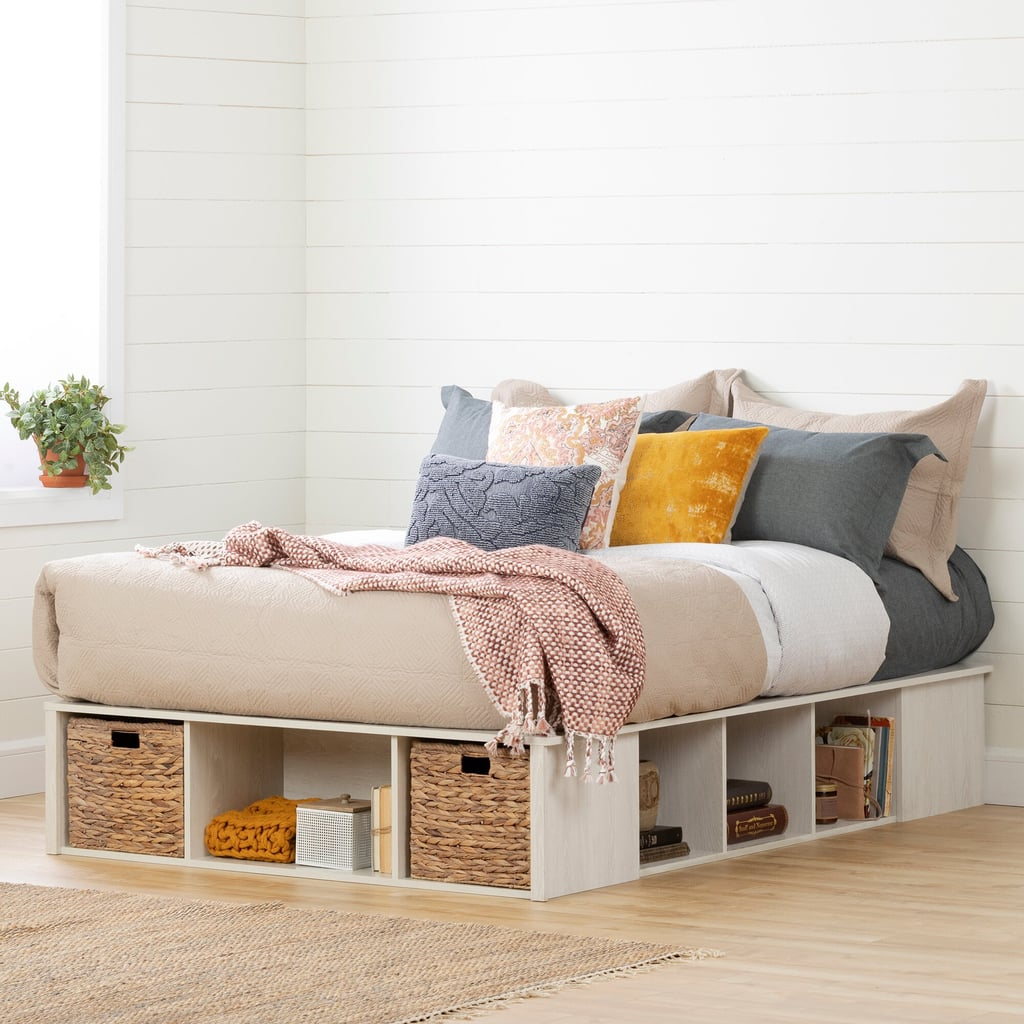
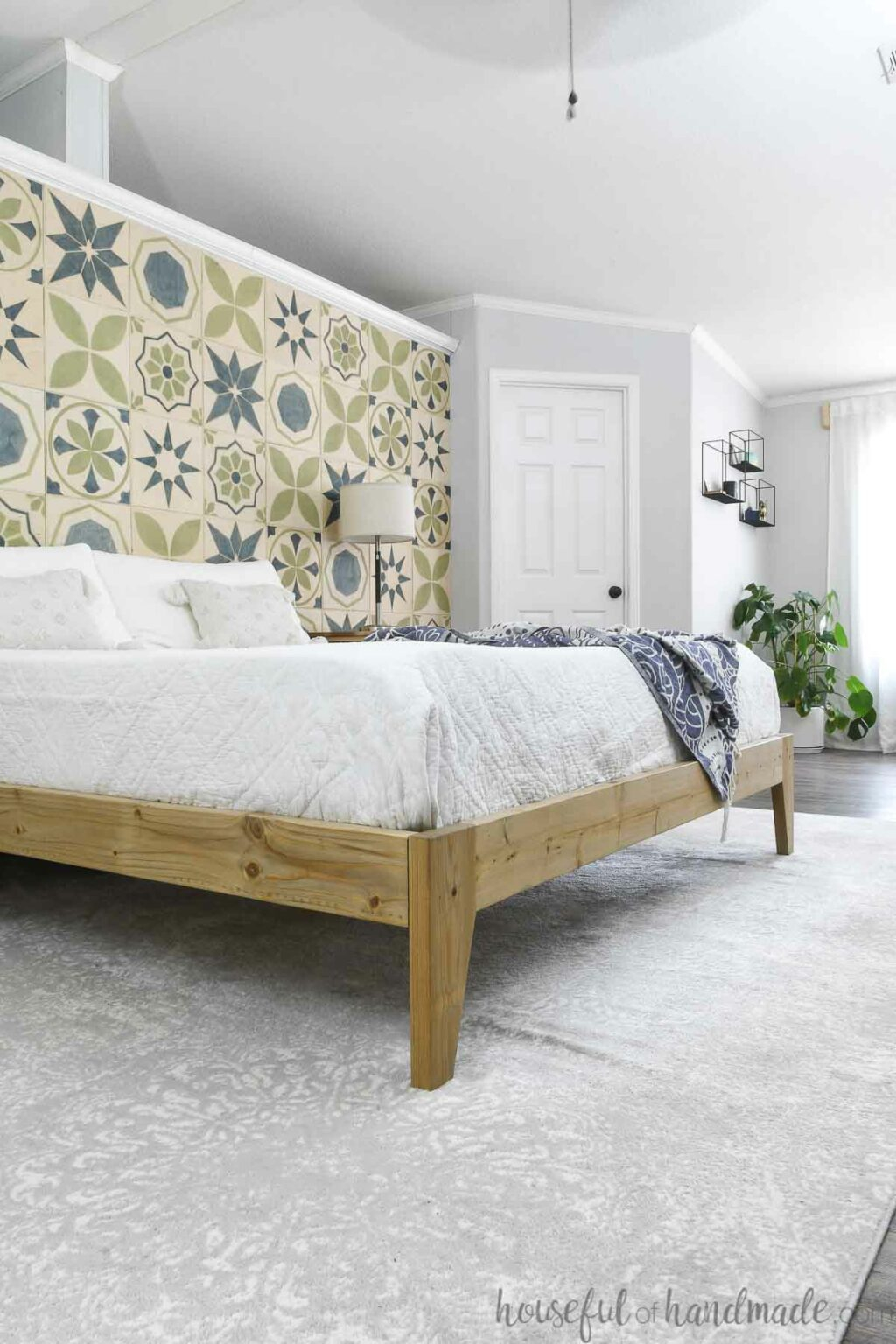
On the other hand, a platform bed is a complete support system. It features a solid surface or closely spaced slats (usually less than 3 inches apart) that run across the entire frame. You put the mattress directly on top. No box spring needed. No extra foundation required. It’s a one-and-done deal. This design lowers the overall height of the bed, giving it that modern, grounded look that’s been popular for years. But it’s not just about aesthetics. The platform provides uniform support, which is critical for certain types of mattresses that need a solid base to perform correctly.
So, the choice really comes down to this: do you want to build a layered support system (panel bed + foundation), or do you want a single, integrated surface (platform bed)? Your mattress type will tell you which path to take.
Memory Foam and Latex: The Platform Preference
If you sleep on all-foam or latex mattresses, listen up. These materials are sensitive. They contour to your body, which is great for pressure relief, but they also rely heavily on what’s underneath them.
Memory foam and latex need a solid, flat, and rigid surface. If you put them on a traditional panel bed with widely spaced slats, the foam will sink into the gaps. Over time, this creates permanent indentations. Worse, it can void your warranty. Most foam mattress manufacturers in 2026 explicitly state that their products must be used on a solid surface or slats no more than 2 to 3 inches apart. A standard panel bed often has slats spaced 5 to 7 inches apart, which is a no-go.
This is why platform beds are the natural partner for foam. The close slats or solid deck provide the consistent support the foam needs to bounce back every morning. But there’s a catch: ventilation. Foam traps heat. If you choose a platform bed with a solid panel deck (no slats at all), you might find yourself sleeping hot because air can’t circulate under the mattress.
The fix? Look for a platform bed with slats, but make sure they are close together. Or, if you love the look of a solid panel platform, check if it has built-in ventilation holes. Some newer models in 2026 feature perforated decks specifically to help foam breathe. It’s a small detail, but it makes a big difference in comfort. Don’t just buy any platform; buy one that lets your mattress exhale.
Innerspring and Traditional Hybrids: The Panel Bed Case
Not everyone loves the sink-in feel of foam. Many people still prefer the bounce and structure of traditional innerspring mattresses or heavier hybrid models. For these sleepers, the panel bed often makes more sense.
Why? Because innersprings are heavy and rigid. They don’t need the ultra-firm, gap-free support that foam does. In fact, many innerspring mattresses are designed to work in tandem with a box spring. The box spring acts as a shock absorber, adding a bit of give and extending the life of the coils. A panel bed is built specifically to hold this two-part system. The rails are reinforced to handle the weight of both the mattress and the foundation.
If you try to put a heavy innerspring on a lightweight platform bed, you might run into issues. First, the bed might be too low. Innersprings are thick, and without the lift of a box spring, you might find yourself struggling to get in and out of bed. Second, some platform beds aren’t rated for the extreme weight of a dense coil mattress plus two sleepers. Panel beds, being older in design, are often built like tanks to accommodate these heavier setups.
However, the line is blurring. Modern hybrids (which mix coils and foam) are tricky. If your hybrid has a thick foam comfort layer on top, it might behave more like a foam mattress, needing a platform. If it’s mostly coils with a thin pillow top, it might prefer a panel bed with a foundation. Check your warranty card. It’s the ultimate tie-breaker.
The Height and Accessibility Factor
Let’s talk about something practical: getting in and out of bed. It’s not just about support; it’s about ergonomics. The type of frame you choose drastically changes the height of your sleeping surface.
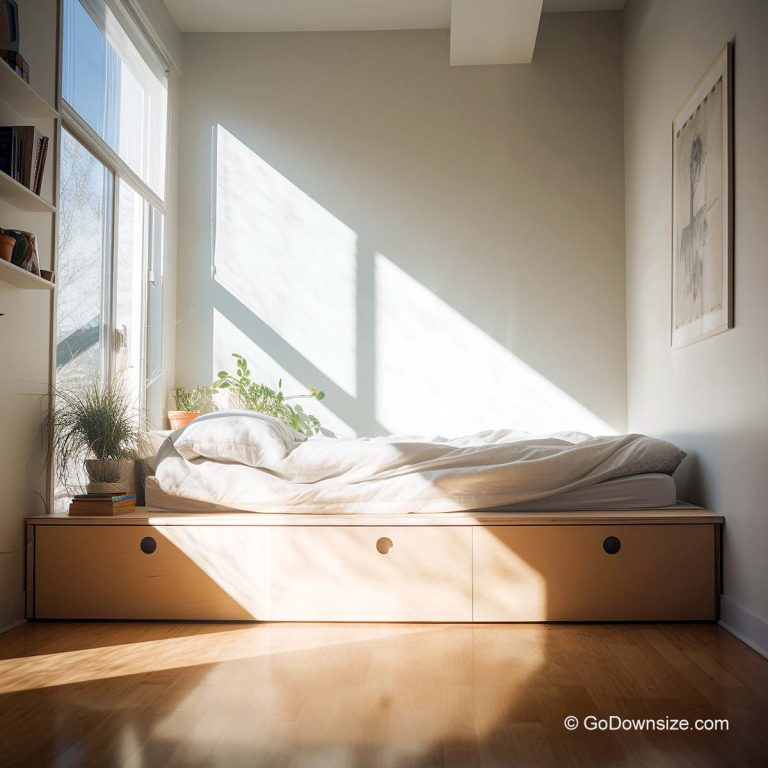
Platform beds are low. Really low. Often, the total height from floor to mattress top is around 18 to 24 inches. For younger folks or those who like the minimalist aesthetic, this is perfect. It makes the room feel bigger and airier. But for anyone with knee issues, back pain, or mobility challenges, a low platform bed can be a nightmare. Squatting down to sit on the edge and then pushing up requires strength and flexibility that not everyone has.
Panel beds, when paired with a box spring or high-profile foundation, sit much higher. We’re talking 25 to 30 inches or more. This height allows you to sit on the edge of the bed with your feet flat on the floor and your knees at a 90-degree angle. It’s easier to swing your legs in. It’s easier to stand up. If you’re sharing the bed with a partner who has different mobility needs, this is a crucial consideration.
But wait, you can hack this. If you love the look of a platform bed but need the height, you can add a bunkie board or a low-profile foundation on top of it. Conversely, if you have a panel bed but want a lower profile, you can skip the box spring and use a thin slat kit or a low-profile foundation. Just make sure the support rules for your mattress are still met. Don’t sacrifice spinal health for style, or vice versa.
Ventilation and Moisture: The Hidden Enemy
We don’t talk about it enough, but beds get sweaty. Literally. We lose moisture through our skin every night. If that moisture gets trapped under your mattress, it creates a breeding ground for mold, mildew, and dust mites. Yuck.
This is where the design of your frame matters immensely. Platform beds with solid decks are notorious for poor airflow. If you live in a humid climate—or if you’re just a hot sleeper—a solid platform can trap heat and moisture against the bottom of your mattress. Over time, this can degrade the materials, especially natural latex or organic cotton covers.
Panel beds, by virtue of having a box spring or foundation in the mix, often allow for better air circulation. The space between the slats of the panel bed and the breathable nature of most box springs create a chimney effect, pulling air through. However, if you use a panel bed with a solid, non-breathable foundation, you lose this benefit.
For platform bed users in 2026, the solution is often a slatted design rather than a solid one. Wooden slats allow air to flow freely. If you already have a solid platform, consider using a breathable mattress protector and airing out your room daily. Some people even prop up the foot of the mattress slightly during the day to let it breathe. It’s a small habit, but it extends the life of your investment. Don’t ignore the air. Your mattress needs to breathe just like you do.
Cost, Assembly, and Long-Term Value
Let’s be real: budget matters. When you’re shopping for a bed, the sticker price of the frame is only part of the story. You have to look at the total cost of ownership.
Platform beds often seem cheaper upfront because you don’t need to buy a box spring. You buy the frame, you buy the mattress, and you’re done. Simple. However, high-quality platform beds with sturdy, close-spaced slats can be pricey. Cheap platforms often have flimsy slats that bow under weight, forcing you to buy a bunkie board later anyway. So, watch out for the "bargain" platforms. They might end up costing you more in fixes.
Panel beds can be more expensive initially because you need the frame plus the foundation. A good box spring or rigid foundation can add $200 to $500 to your bill. But panel beds are often more durable in the long run. They are simpler structures with fewer moving parts. If you move houses frequently, panel beds can be easier to disassemble and reassemble, though they are heavier.
Consider the longevity. A well-made platform bed can last decades. A box spring, however, typically needs replacing every 8 to 10 years, often at the same time you replace your mattress. So, while the platform bed has a higher initial convenience factor, the panel bed system offers modularity. You can upgrade your foundation without changing the frame. In 2026, with sustainability being a bigger concern, many people are opting for durable, repairable frames. Choose the one that fits your financial rhythm and your values.
So, where does this leave you? Standing in the showroom, or scrolling through tabs at 2 AM, trying to decide. Here is the simple truth: let your mattress be the boss.
If you have a memory foam, latex, or all-foam hybrid mattress, lean towards a platform bed. Ensure the slats are close together (under 3 inches) or opt for a solid deck with ventilation. This protects your warranty and ensures the foam performs as intended. Avoid traditional panel beds unless you plan to add a rigid, solid foundation on top of the slats to create a flat surface.
If you have a traditional innerspring or a heavy, coil-dominant hybrid, a panel bed with a quality box spring or foundation is likely your best bet. It provides the height, shock absorption, and robust support these heavier mattresses crave. You can use a platform bed, but make sure it’s rated for the weight and that the height works for your body.
Don’t be afraid to mix and match components. Use a bunkie board on a platform to stiffen it up. Use a low-profile foundation on a panel bed to lower the height. The goal is a stable, breathable, and comfortable surface. Ignore the trends. Ignore the salesperson who just wants to upsell you the matching nightstand. Focus on the support.
Your bed is where you spend a third of your life. It’s worth getting the foundation right. Take a moment to check your mattress warranty. Measure your slat spacing. Feel the weight of your mattress. Then, choose the frame that respects those needs. Sleep well.