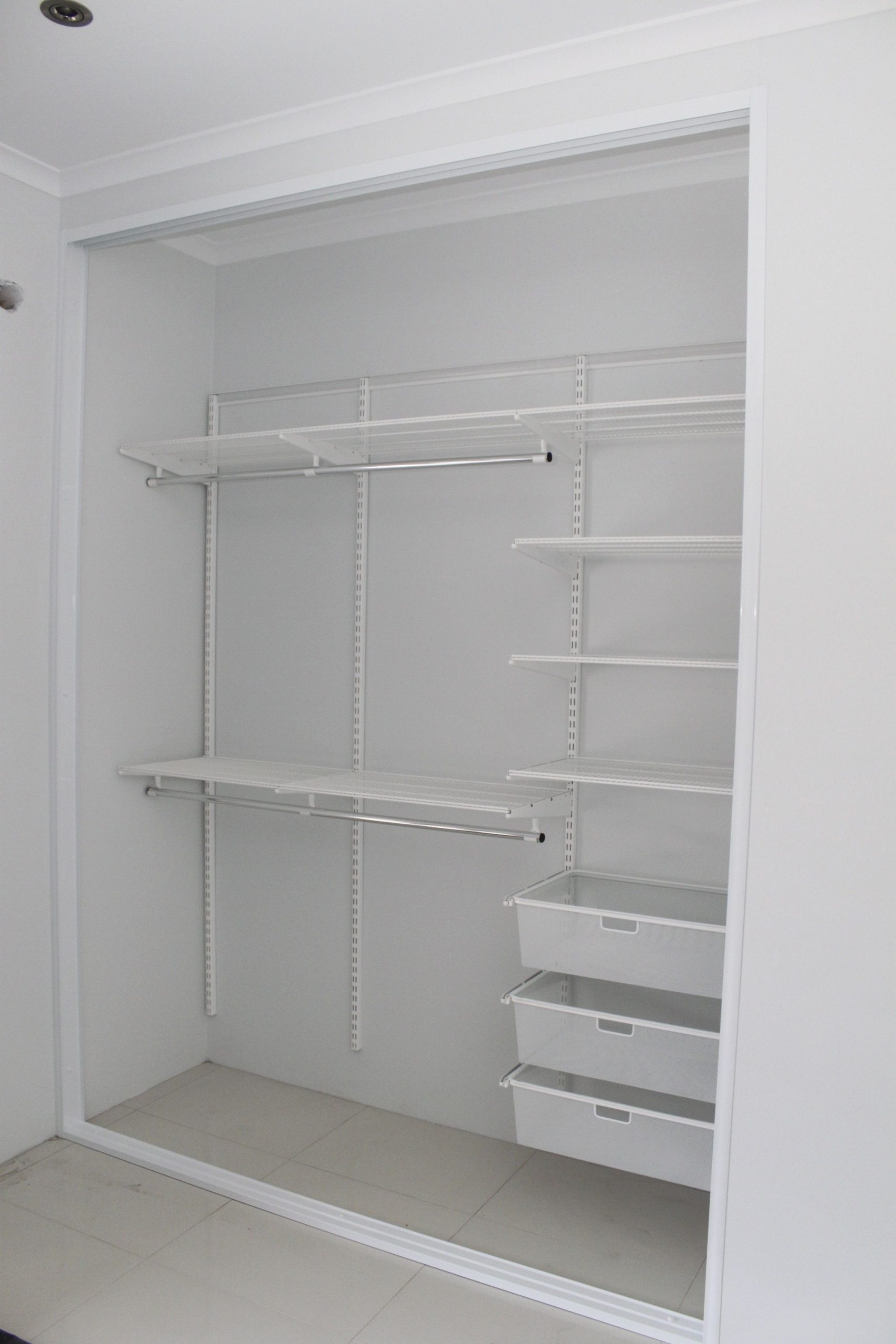
You stand in front of your closet. Or maybe it’s a messy pantry. Or that awkward alcove in the hallway that collects junk. It stares back at you, chaotic and overwhelming. You know you need storage. Real storage. Not just bins stacked haphazardly, but a system. So you open two tabs on your browser. On one side, there’s The Container Store with its sleek Elfa systems. On the other, the blue and yellow giant, IKEA, with its PAX planner.
One offers a free human to talk to. The other offers a digital tool and total control. Which path do you take? It’s not just about shelves. It’s about time. It’s about money. And honestly? It’s about how much headache you can handle on a Saturday afternoon. Let’s dig into the real differences between letting an expert guide you and going it alone.
The Human Touch vs. The Digital Sandbox
When you walk into a Container Store for an Elfa consultation, you’re getting a person. In 2026, this feels almost radical. Most companies have replaced humans with chatbots. But here, a trained designer sits with you. They ask questions. "How many shoes do you have?" "Do you prefer folding or hanging?" They measure your space. They listen. It’s collaborative. You aren’t just clicking icons; you’re having a conversation. This matters because closets are personal. What works for a minimalist might fail miserably for a family of four with three dogs.
Contrast that with the IKEA PAX planner. It’s a powerful tool, sure. You can drag and drop frames, doors, and interiors. You can see a 3D render instantly. It’s satisfying in a video-game sort of way. But it doesn’t ask you if you actually like reaching up high for your sweaters. It doesn’t notice that your ceiling is slightly slanted. The software assumes perfect walls and perfect logic. If you make a mistake—like forgetting to account for baseboard thickness—the system might let you proceed, only for you to realize the error when the box arrives at your door. The digital sandbox is fun, but it lacks intuition.
The key difference here is accountability. With Elfa, the designer shares the burden of the plan. If something looks weird, they’ll flag it. With IKEA, you are the sole architect, engineer, and quality control manager. For some, that freedom is liberating. For others, it’s a recipe for anxiety. If you’ve ever stared at a screen for three hours trying to decide between two drawer widths, you know the fatigue of DIY planning. The human element removes some of that cognitive load.
Quality, Durability, and the "Feel" Factor
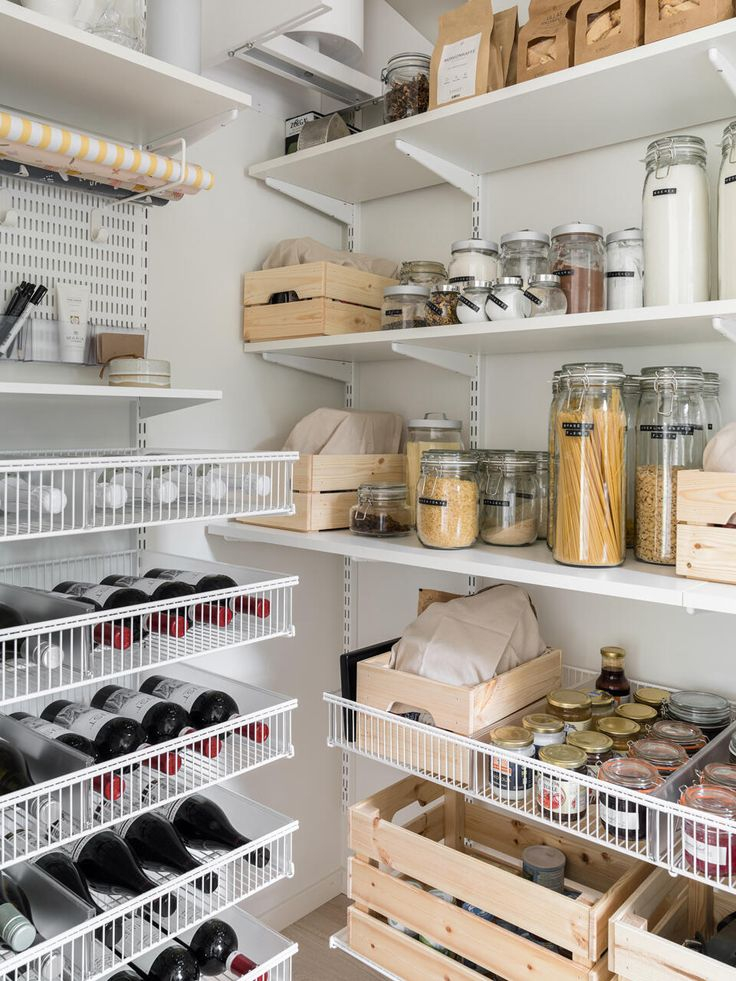
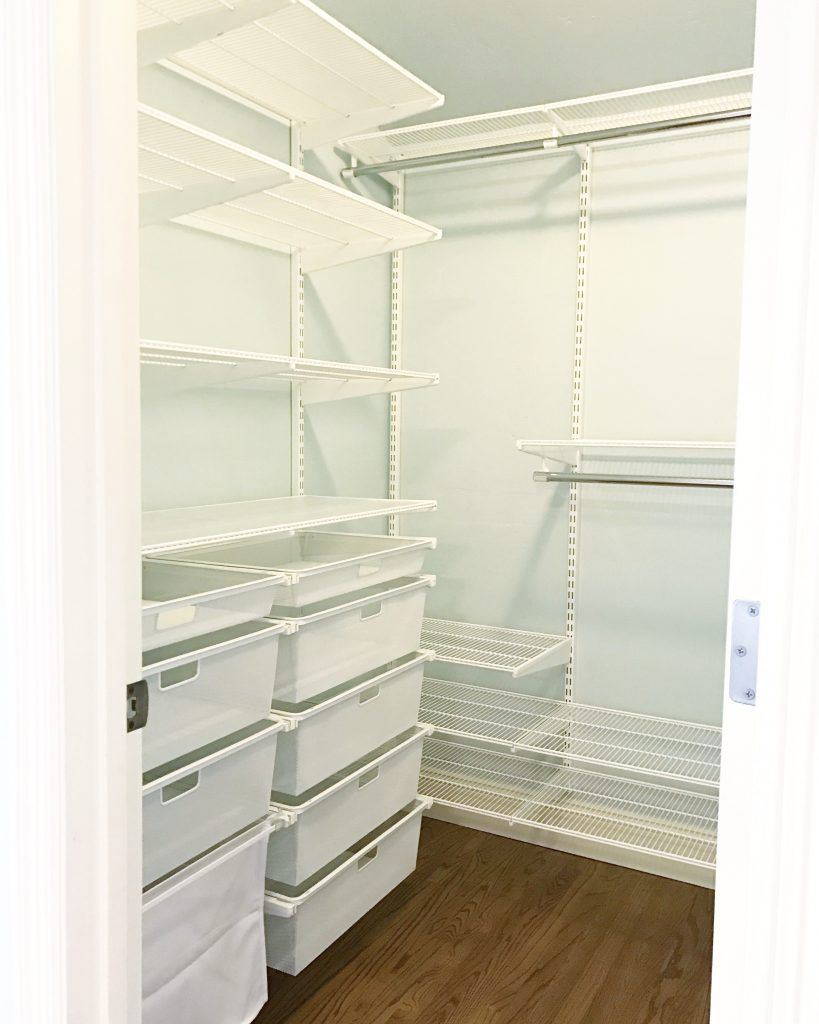
Let’s talk about what you’re actually buying. Elfa is known for its steel wire shelving and ventilated panels. It’s airy. Light flows through it. The components are coated in epoxy, which makes them resistant to chipping and easy to clean. In 2026, Elfa still holds a reputation for lasting decades. I’ve seen systems installed in the 90s that still look great. The tracks are mounted directly to the wall studs, creating a floating effect that feels sturdy yet unobtrusive. It’s modular, meaning you can move a shelf up or down in seconds without tools. That flexibility is huge for changing needs.
IKEA PAX, on the other hand, is primarily particleboard and fiberboard with foil or veneer finishes. It looks more like traditional furniture. If you want a closet that resembles a built-in wardrobe with solid doors, PAX wins on aesthetics. It feels substantial. Heavy. But particleboard has weaknesses. It can sag under heavy loads if not supported properly. Humidity can cause swelling. While IKEA has improved its durability over the years, it’s generally not considered "heirloom" quality in the same way Elfa is. You’re trading some longevity for a lower upfront price and a more furnished look.
Then there’s the tactile experience. Running your hand along an Elfa wire shelf feels different than touching a smooth IKEA door. One is utilitarian chic; the other is modern classic. Neither is objectively better, but they serve different vibes. If you hate dust bunnies, Elfa’s open wire design lets them fall through (or be easily wiped). If you hate visual clutter, IKEA’s solid fronts hide everything away. Your choice depends on whether you want to see your stuff or hide it. And let’s be real, hiding mess is sometimes the best organization strategy.
The True Cost Breakdown (It’s Not Just the Price Tag)
Price is usually the first thing people compare. IKEA is cheaper. No debate there. A basic PAX setup might cost half as much as a comparable Elfa system. But "cheaper" is a tricky word. Let’s look at the hidden costs. With IKEA, you pay for the product, then you pay for delivery (if you don’t have a truck), and then you pay with your time. Assembly can take a weekend. Two people. Lots of small screws. Instructions that are mostly pictures. If you mess up, you buy new parts. That’s a cost too.
Elfa often runs sales. In 2026, their seasonal promotions can bring prices down significantly, sometimes 20-30% off. Plus, the design consultation is free. But installation is extra if you don’t do it yourself. However, Elfa is famously easier to install. The track system is straightforward. You find the studs, level the track, and hang the components. Many DIYers finish an Elfa closet in a few hours. IKEA PAX assembly is notoriously complex. The frames must be perfectly square, or the doors won’t align. That frustration has a value. How much is your sanity worth?
Consider the long-term value. If you move in five years, can you take it with you? Elfa is designed to be disassembled and reinstalled in a new home. The tracks can be cut to fit new dimensions. IKEA PAX is harder to move. The particleboard doesn’t hold screws well once removed. It’s often left behind or sold for cheap. So, while IKEA has a lower entry price, Elfa offers better resale value and portability. If you’re a renter or plan to move soon, Elfa’s adaptability might save you money in the long run. Don’t just look at the receipt today. Look at the next five years.
Customization Depth and Flexibility
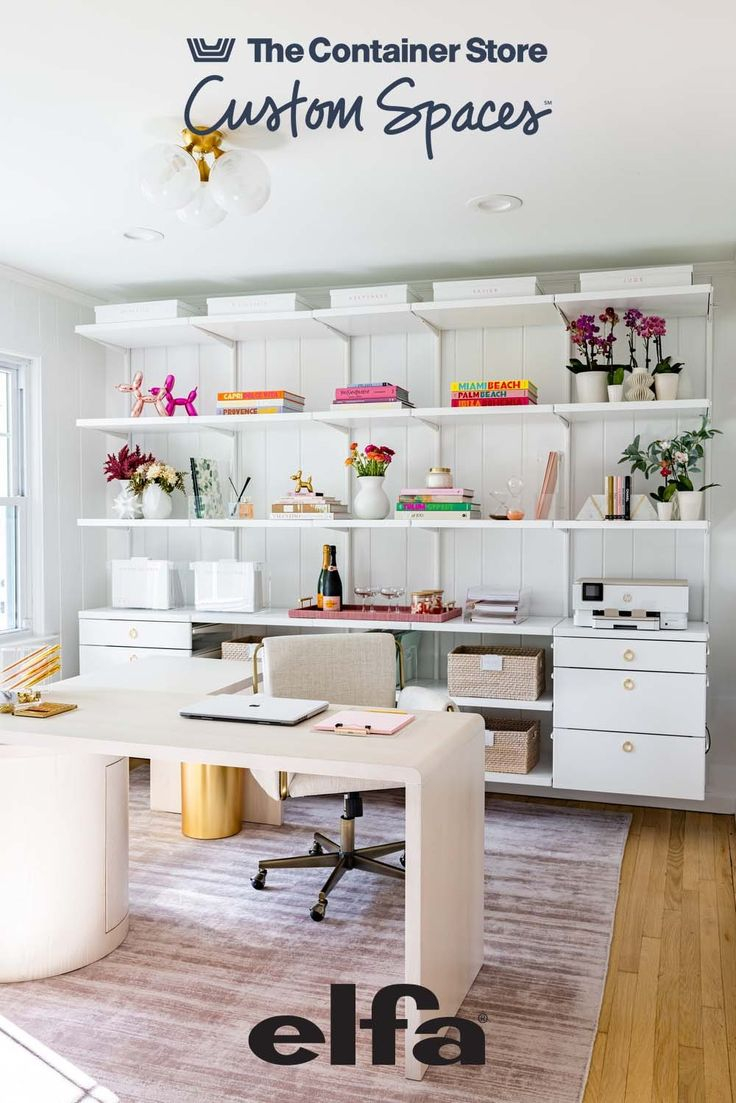
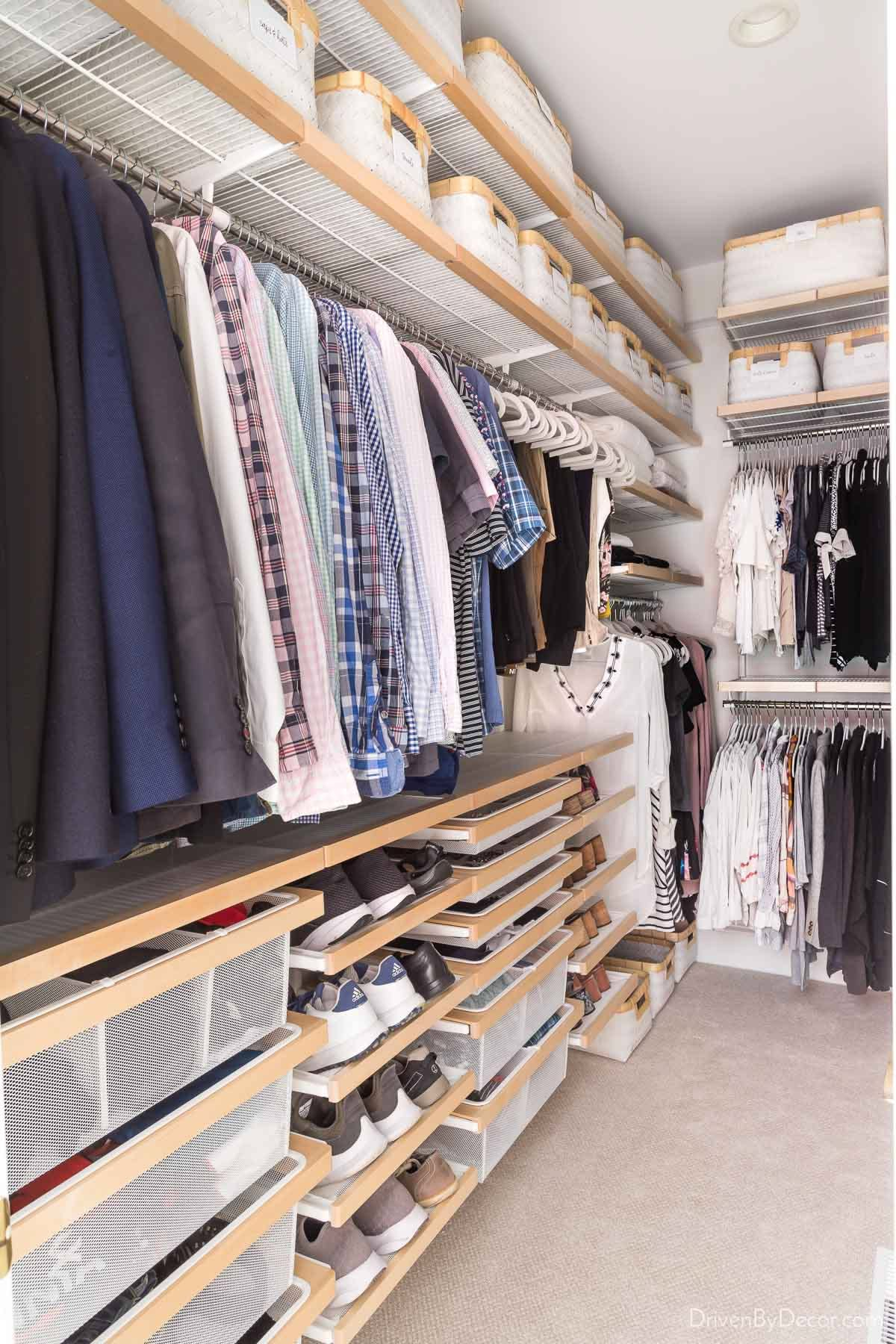
Elfa’s customization is granular. You choose the width of every basket, the height of every shelf, and the type of every hook. The Decor+ collection adds wood accents and drawers that slide smoothly on glides. You can mix and match endlessly. The designer helps you optimize every inch. Want a specific spot for your vacuum cleaner? Done. Need a pull-out hamper? Easy. The system is incredibly adaptable to odd spaces. Angled ceilings? Narrow nooks? Elfa handles them well because the components are independent.
IKEA PAX is customizable within a framework. You choose from standard frame widths (50cm, 75cm, 100cm). You pick interiors that fit those frames. It’s less flexible. If you have a 60cm wide space, you’re stuck. You can’t just squeeze a frame in. You have to make it work with what’s available. This limitation can be frustrating for older homes with non-standard dimensions. However, IKEA offers a wider variety of door styles and finishes. You can get high-gloss white, matte black, wood grain, or mirrored doors. Elfa’s aesthetic is more uniform. If you want a specific look, IKEA gives you more cosmetic options.
The planning process reflects this too. With Elfa, the designer might suggest a configuration you hadn’t thought of. "Why not put the long-hang section here instead?" They bring expertise. With IKEA, you’re limited by your own imagination and the software’s logic. If you don’t know that you should leave space for door swing, you might design a closet you can’t use. The depth of customization in Elfa is functional. The depth in IKEA is aesthetic. Know which one matters more to you. Do you need it to work perfectly, or look perfectly?
Installation Reality: DIY Friendly or Pro Territory?
Let’s be honest about installation. Elfa is marketed as DIY-friendly, and it largely is. The main challenge is finding the studs. Once the track is up, the rest clicks in. You can adjust heights later. It’s forgiving. If you put a shelf in the wrong spot, you just lift it out and move it. No holes to patch. This ease of use is a major selling point. Many people feel confident tackling an Elfa closet themselves. The Container Store also offers professional installation, which is precise but pricey.
IKEA PAX installation is a different beast. The frames are heavy and bulky. You need to assemble the boxes, stand them up, secure them to the wall, and then add the interiors. Aligning the doors is an art form. It requires patience and a good eye. If your walls aren’t straight, you’ll struggle. Shims become your best friend. Many homeowners hire help for PAX because the risk of error is higher. A misaligned door drives you crazy every time you open the closet. The DIY route is possible, but it’s not "easy." It’s a project.
There’s also the issue of returns. If you damage an Elfa component during install, you can usually buy a replacement part easily. With IKEA, if you strip a screw hole in a particleboard frame, that frame might be toast. You’d have to buy a whole new one. This risk adds stress to the DIY process. With Elfa, the margin for error is wider. The system forgives minor mistakes. IKEA demands precision. Choose your adventure based on your skill level and tolerance for frustration. Some peopel enjoy the build, others dread it.
So, who is Elfa for? It’s for the person who values longevity and flexibility. Maybe you have an awkward space that needs a tailored solution. Maybe you plan to move in a few years and want to take your closet with you. Maybe you hate the idea of spending a whole weekend assembling furniture and would rather pay a bit more for something that goes up quickly. The free design consultation is a huge perk if you’re unsure where to start. It’s for those who want a partner in the process.
Who is IKEA for? It’s for the budget-conscious shopper who wants a high-end look without the high-end price. It’s for the DIY enthusiast who enjoys a challenge and has the tools to handle it. It’s for someone who wants solid doors to hide clutter and prefers a furniture-like aesthetic. If you have standard-sized walls and plenty of time, PAX is a fantastic value. It’s also great if you’re handy and don’t mind troubleshooting alignment issues. The planner gives you total creative control, which some people love.
In the end, it comes down to priorities. If time and ease are your currency, lean toward Elfa. If money and aesthetics are your drivers, lean toward IKEA. There’s no wrong answer, only the right fit for your life. Think about how you use your space. Think about your future plans. And think about how much help you want. Both systems will organize your stuff. But only one will fit your lifestyle seamlessly. Make sure you pick the one that feels less like a chore and more like a solution.
Choosing between these two giants isn’t just about storage. It’s about how you interact with your home. Do you want a system that adapts to you, or one you adapt to? Both have merits. Both have flaws. But knowing the differences helps you avoid regret. Whether you choose the guided path of Elfa or the DIY journey of IKEA, you’re taking a step toward a calmer, more organized life. And that’s worth the effort, regardless of the brand. Just make sure you measure twice. And maybe buy an extra pack of screws. You’ll thank me later.