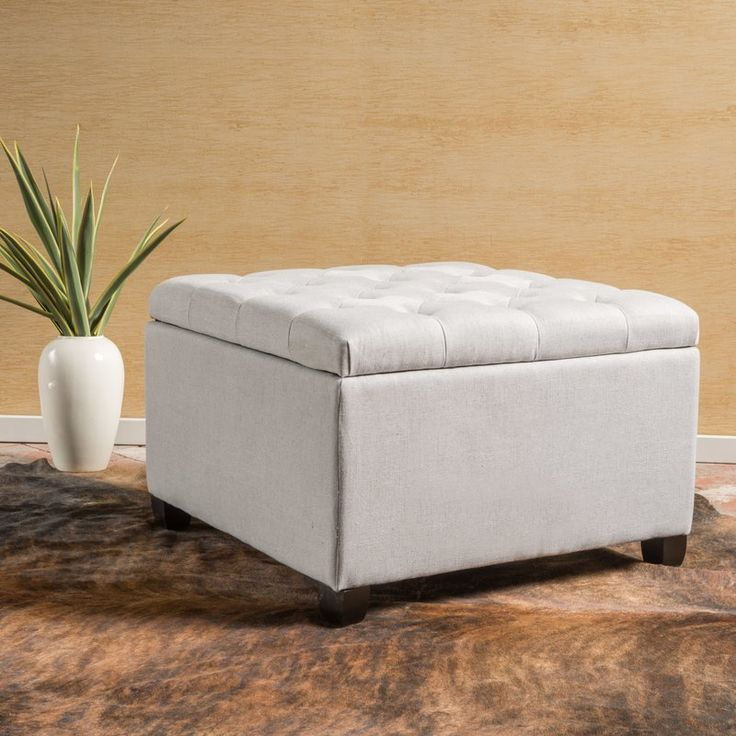
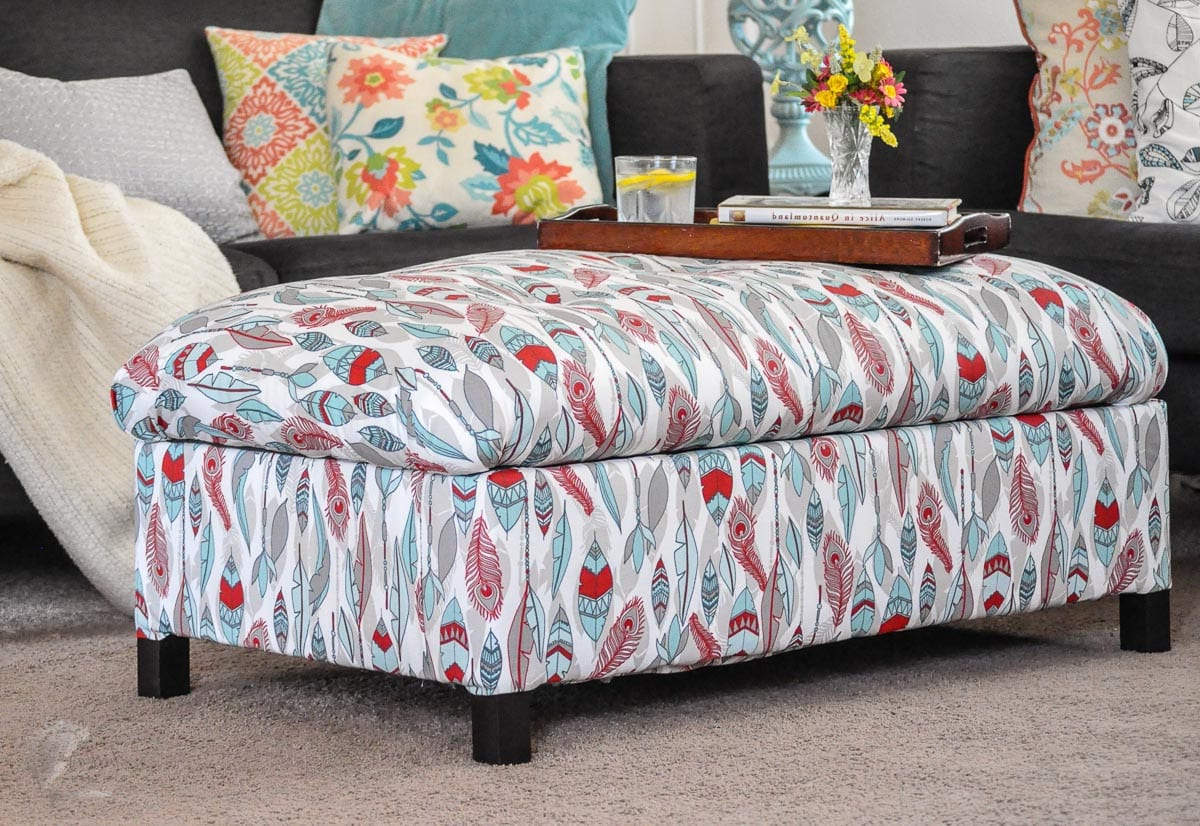
You walk into a living room, and your eyes go straight to the center. For decades, that spot was dominated by wood, glass, or stone. A hard surface. A place to set a drink, sure, but also a barrier. It said, "Look, don’t touch." It said, "Be careful with your shins." But lately? The vibe has shifted. The hard edges are gone. In their place sits something plush, inviting, and surprisingly practical.
It’s not just a fleeting fad. By 2026, the swap is undeniable. Interior designers aren’t just suggesting it; they’re insisting on it. The rigid coffee table is being pushed aside for the large, upholstered storage ottoman. And honestly? It makes sense. We spend so much time trying to make our homes feel like sanctuaries, yet we keep filling them with furniture that feels like an office lobby. This change is about comfort, yes. But it’s also about how we actually live now.
The Craving for Softness in a Hard World
Think about the last year. Maybe the last five. Life has been loud. Fast. Digital. When you finally crash onto your sofa at the end of the day, do you really want to stare at a slab of marble? Probably not. There is a psychological pull toward softness that designers have tapped into. National Post highlighted this shift, noting that ottomans swap out cold materials for upholstery and padding. It’s a tactile change.
When you run your hand across velvet or linen, your brain registers safety. Warmth. A traditional coffee table is an object. An ottoman is an invitation. It begs you to kick off your shoes. To curl up. To let your guard down. This isn’t just about aesthetics; it’s about emotional regulation through design. We are surrounding ourselves with things that hug back.
And let’s be real, life is messy. Kids run around. Pets jump up. A hard wooden table shows every scratch, every water ring, every scuff. An upholstered ottoman? It absorbs the chaos. It forgives. If you spill a little wine, you blot it. If a toy hits it, it bounces off. The anxiety of maintaining a pristine surface disappears. That mental load is heavy, and removing it from the center of our relaxation space is a huge relief.
Hidden Storage Solves Real-Life Clutter
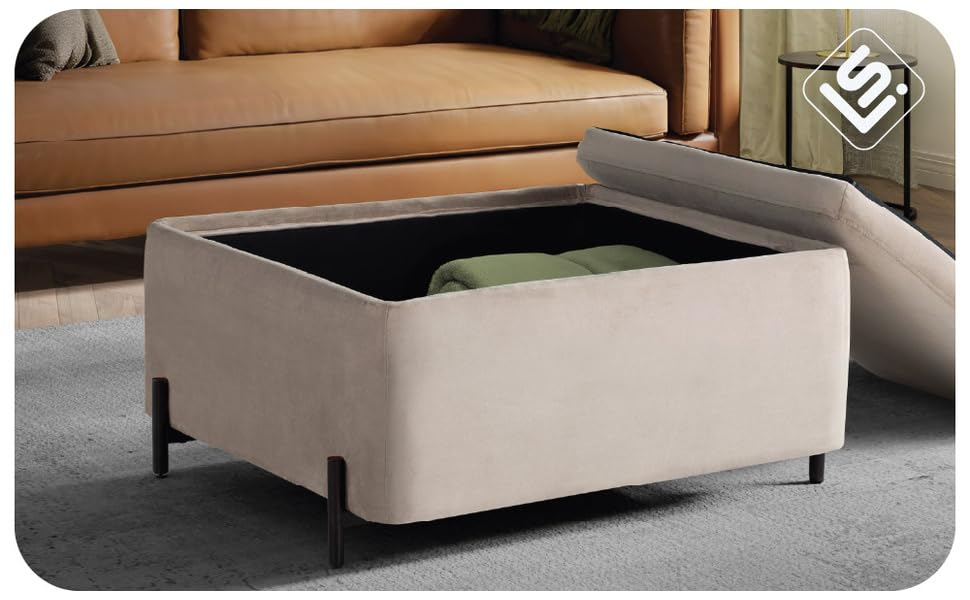
Let’s talk about the stuff. We all have it. Blankets that need to be accessible but not visible. Board games that take up half the closet. Kids’ toys that magically multiply overnight. A coffee table offers zero help here. It’s just a surface. But a storage ottoman? It’s a secret weapon. ModernLuxCo pointed out that these pieces offer hidden function with a clean look. That lid lifts up to reveal a cavern of possibility.
Imagine hosting friends. You want the room to look tidy, but you’ve got three throw pillows and a chunky knit blanket lying around. With a traditional setup, you’re scrambling to find a basket or a shelf. With a storage ottoman, you lift the lid, toss them in, and close it. Done. The visual noise is gone. The space breathes. It’s instant order without the effort of putting things away in another room.
This is especially crucial in 2026, where living spaces in urban areas are often compact. Every square foot counts. Having furniture that pulls double duty isn’t a luxury; it’s a necessity. You aren’t just buying a table; you’re buying a chest, a seat, and a footrest. It’s efficient. It’s smart. And it keeps the floor clear, which makes even a small apartment feel twice as big.
Versatility That Adapts to Your Day
One minute you’re working from home, using the ottoman as a desk surface with a tray on top. The next, you’re hosting a movie night, and it’s a footrest. Then, two more friends show up than expected, and suddenly, it’s extra seating. Can a coffee table do that? Not really. You can’t sit on a glass table. You certainly shouldn’t put your feet on a expensive wood finish. BHG noted that these oversized upholstered pieces are taking over because they offer pattern, texture, and utility.
This flexibility mirrors our modern lifestyles. We don’t just "live" in our living rooms anymore. We work there. We exercise there. We eat there. The furniture needs to keep up. An ottoman is a chameleon. Drag it closer to the sofa for a nap. Push it back to create a dance floor for the kids. Move it to the corner to create a reading nook. It moves with you.
Traditional tables are static. They are anchored by their weight and their fragility. Ottomans are light. They are movable. This dynamic quality changes how we interact with the space. It encourages flow. It stops the room from feeling like a museum exhibit where everything has a designated, unchangeable spot. Life isn’t static, so why should our furniture be?
Styling Without the Stress
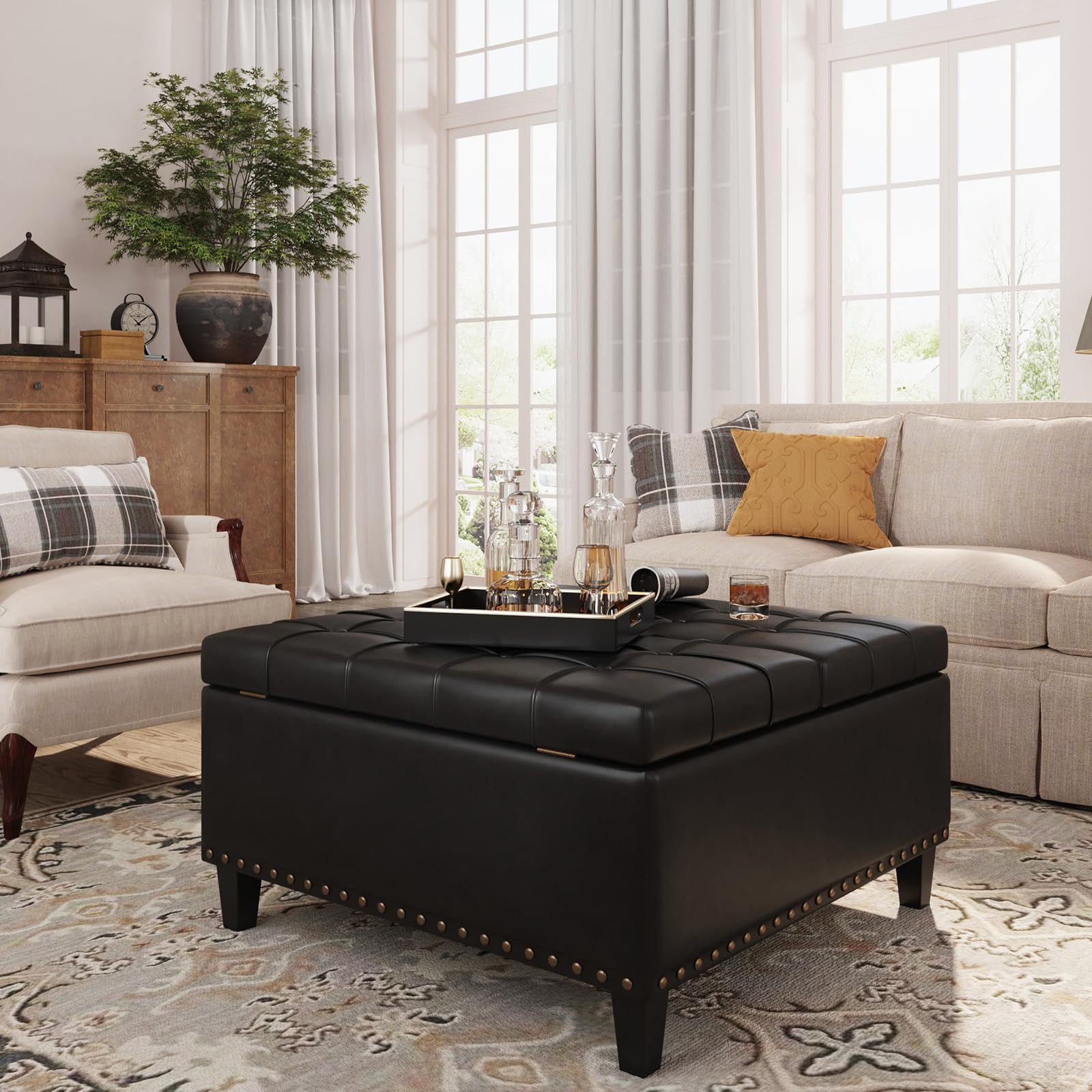
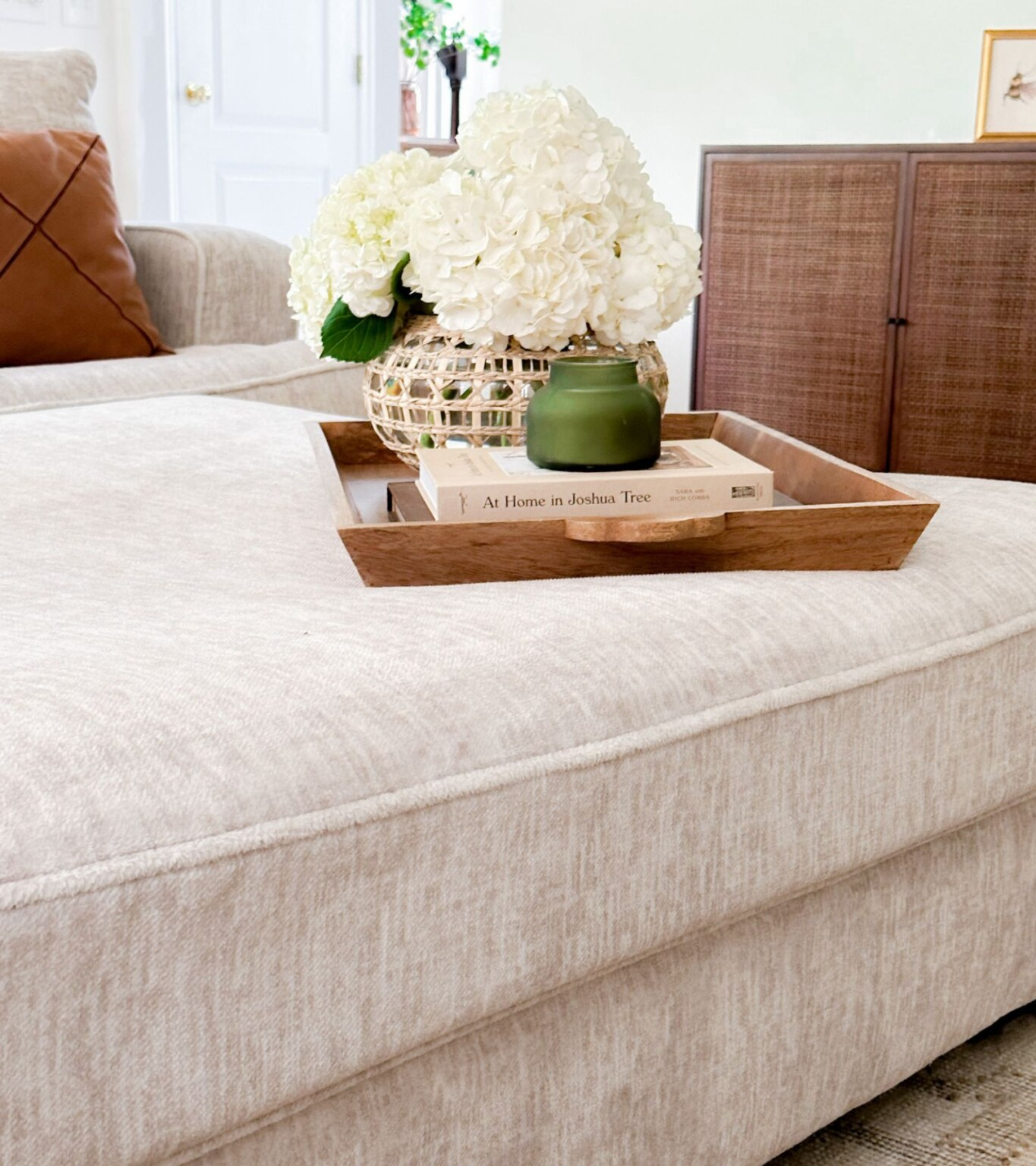
"But what about my coffee mug?" I hear you ask. It’s a valid concern. How do you put a drink on a soft surface? The answer is simpler than you think: trays. Books. Decorative bowls. Veranda suggests selecting designs that work well with trays. A large, sturdy leather tray turns the soft surface into a stable platform instantly. It looks intentional. Chic, even.
Styling an ottoman is arguably easier than styling a coffee table. With a table, you worry about scratching the finish. You worry about coasters. With an ottoman, you layer. Stack a few hardcover books. Place a tray on top. Add a small plant. The texture contrast between the soft fabric and the hard tray creates visual interest. It’s cozy but curated.
Plus, you can change the look seasonally without buying new furniture. Swap a linen cover for a velvet one in winter. Change the tray from wood to metal. It’s low-commitment design. You aren’t stuck with one look. This adaptability allows people to experiment with trends without breaking the bank. It keeps the space feeling fresh and personal, rather than staged and sterile.
The 2026 Trend: Coexistence and Choice
Here’s the twist. While the swap is real, it’s not always a total replacement. Recent reports from Newsbreak and Digital Market Reports indicate a dual trend for 2025 and 2026. Experts say ottomans and coffee tables are coexisting. Retailers like Grayson Living are expanding lines to include both. Why? Because some people want the best of both worlds.
Maybe you have a large sectional. You might use a smaller side table for drinks and a large central ottoman for feet and storage. Or perhaps you pair a sleek, low-profile table with a plush ottoman nearby. The key takeaway isn’t that coffee tables are dead. It’s that they are no longer the default. The monopoly is broken. Designers are prioritizing flexibility-driven home design.
This shift reflects a broader maturity in interior design. We aren’t following rules blindly anymore. We’re asking, "What works for me?" For some, that’s a pure ottoman setup. For others, it’s a mix. The market is responding by offering more options than ever. You can find ottomans with built-in hard tops, or tables with soft edges. The binary choice is gone. It’s about customization.
So, how do you do it? Start by measuring your space. An ottoman used as a table should be roughly the same height as your sofa seat cushions, or slightly lower. This ensures comfort when resting your feet. Soul and Lane emphasized that the goal is relaxation and socialization. Pick a shape that fits your flow. Round ottomans soften angular rooms. Rectangular ones anchor large sofas.
Consider the fabric carefully. If you have pets or kids, go for performance fabrics. Microfiber, treated cottons, or even high-quality faux leather. These materials resist stains and wear. Don’t be afraid of color, either. Since the ottoman is a large block of visual weight, it’s a great place to introduce a bold hue or a fun pattern. It becomes the anchor of the room’s palette.
Finally, test it out. Before you commit to a permanent swap, try moving your current table out. Live with just the sofa for a week. See what you miss. See what you gain. You might realize you never used that table anyway. Or you might find you need a small side table instead. Listen to your habits. The best design isn’t what looks good in a magazine; it’s what supports your actual life.
The move toward storage ottomans isn’t just about following a trend. It’s about reclaiming comfort. It’s about admitting that our homes should serve us, not the other way around. As we navigate the complexities of modern life in 2026, having a space that is soft, adaptable, and clutter-free is a gift. So, go ahead. Kick off your shoes. Put your feet up. The hard times are over.