So, you’re ready to buy a house. You’ve got the Zillow tabs open, you’ve walked through a few open houses, and maybe you’ve even picked out the spot for your future couch. But then reality hits. The down payment. The closing costs. Those upfront fees that seem to appear out of nowhere, turning your dream into a math problem you didn’t study for. It’s stressful. It’s exhausting. And honestly? It stops a lot of good people from buying homes they can actually afford month-to-month.
Here’s the thing most people don’t realize: you probably don’t need to save up that massive pile of cash alone. In 2026, there are more resources available than ever before, especially if you’re looking in places like Ohio. From state agencies to local city grants, help is hiding in plain sight. You just have to know where to look. This isn’t about handouts; it’s about tools designed to help you build equity and stability. Let’s dig into how you can find that help, cut through the jargon, and get those keys in your hand.
The State-Level Safety Net: OHFA and Beyond
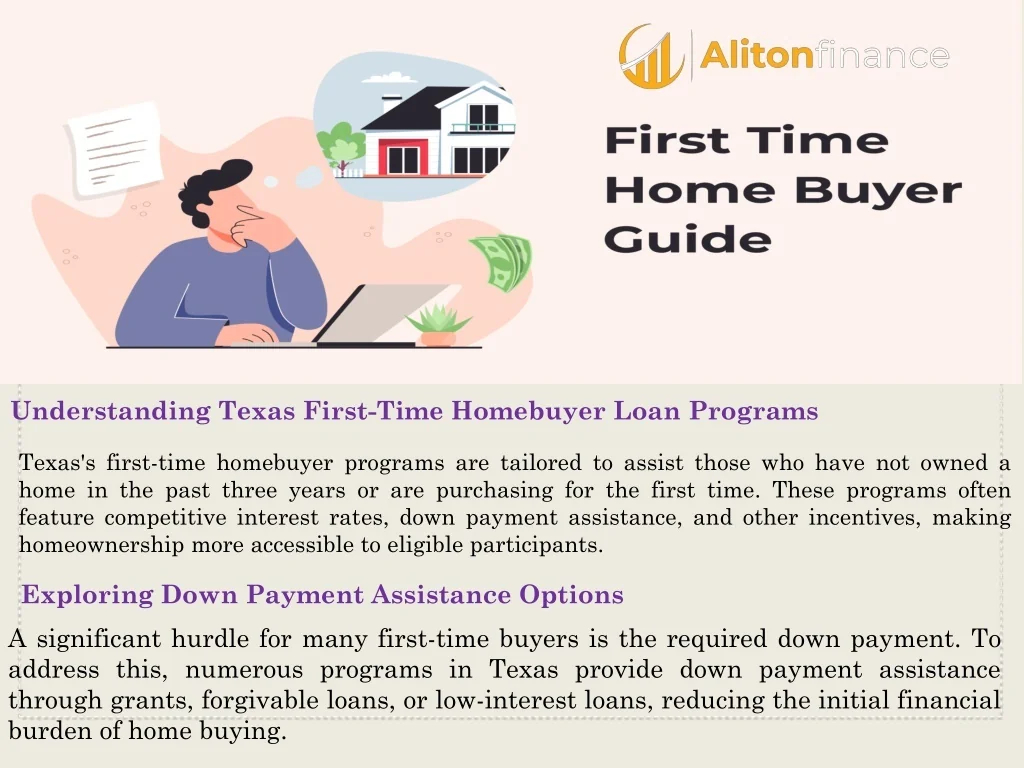
When you start digging for help, the first place to look is usually your state housing finance agency. In Ohio, that’s the Ohio Housing Finance Agency, or OHFA. They are basically the heavy lifters when it comes to affordable housing. For 2026, they are still offering those 30-year, fixed-rate loans that pair perfectly with FHA, VA, and USDA options. But the real magic is in their Down Payment Assistance (DPA).
OHFA doesn’t just offer one size fits all. They have programs that can cover 2.5 percent or even 5 percent of the home’s purchase price. That might not sound like a fortune until you do the math on a $250,000 home. Five percent is $12,500. That’s your entire down payment covered, plus some left over for closing costs. These programs are designed for low- and moderate-income buyers, but the income limits are often higher than you’d think. They accommodate a wide range of folks, not just those struggling to make ends meet.
The best part? You don’t have to navigate this maze alone. OHFA works with a network of approved lenders who know these programs inside and out. When you talk to a lender, ask specifically about OHFA’s current grants. Sometimes, the money comes as a grant that you never have to pay back. Other times, it’s a silent second mortgage with zero interest that you only repay if you sell or refinance within a certain window. Knowing the difference can save you thousands in the long run. Don’t just assume you won’t qualify; let the numbers speak for themselves.
Hyper-Local Heroes: City and County Grants
While state programs are great, the real hidden gems are often found at the city or county level. Places like Columbus, Cleveland, and Cincinnati have their own specific initiatives. Why? Because local governments want stable homeowners. They want people who are invested in the community. So, they put money aside to help you get in the door. In Central Ohio, for example, areas like Dublin, Hilliard, and Worthington often have specific funds or partnerships with non-profits to assist buyers.
These local programs can be tricky to find because they aren’t always advertised on big national websites. You might need to call your city’s housing department directly or check the county auditor’s site. In some cases, the assistance comes in the form of a forgivable loan. If you stay in the home for five or ten years, the loan disappears. Poof. Gone. It’s essentially free money for being a stable resident. Other cities might offer low-interest loans specifically for closing costs, which keeps your monthly mortgage payment lower than if you rolled those costs into your main loan.
It’s worth noting that these funds are often limited. They operate on a first-come, first-served basis or run out of budget by mid-year. So, if you find a local program in your target neighborhood, act fast. Don’t wait until you’re under contract to start asking questions. Reach out to a local real estate agent who specializes in first-time buyers. They usually have a cheat sheet of which neighborhoods have active funding right now. In Westerville or Delaware, for instance, agents might already know which subdivisions have specific tax abatements or HOA fee assistance tied to new construction.
Combining Forces: Stacking Your Benefits
Here is a secret that changes the game: you can often stack these programs. Yes, really. You aren’t limited to just one source of help. A common strategy in 2026 is combining an OHFA state loan with a local city grant. Imagine using a state program to cover your 3.5 percent FHA down payment, and then using a local Columbus grant to cover your closing costs. Suddenly, you’re walking into the closing table with very little out-of-pocket cash.
However, stacking requires coordination. Not every lender knows how to layer these benefits correctly. Some might tell you it’s too complicated. That’s a red flag. You need a lender who is experienced with "layering" assistance. They need to understand how a silent second mortgage from the city interacts with the primary loan from the state. If they get it wrong, the deal could fall apart at the last minute. Ask potential lenders: "Have you closed a loan in the last six months that used both state and local DPA?" If they hesitate, keep looking.
There’s also the question of timing. Local grants might have different application deadlines than state programs. You might need to get pre-approved for the local grant before you even make an offer. This adds a step to your process, but it’s worth it. Think of it like couponing, but for a house. You’re maximizing every dollar available to you. Just be careful not to chase the wrong headline number. A slightly higher interest rate might be worth it if it comes with $10,000 in credits that lower your upfront cash need. Always look at the total five-year cost of ownership, not just the monthly payment.
The Professional Network: Agents and Lenders Who Know
You can read all the guides you want, but nothing beats a human connection. The right real estate agent and loan officer are your best assets in this hunt. But not all agents are created equal. Some focus on luxury markets where DPA isn’t relevant. You need someone who lives and breathes first-time buyer programs. In Ohio, there are specific agents who specialize in areas like Central Ohio’s diverse neighborhoods. They know which streets have better grant availability. They know which lenders play nice with OHFA.
When interviewing agents, ask them about their recent first-time buyer clients. Did they use assistance? How much did they save? A good agent will have stories. They’ll tell you about the couple in Hilliard who got $7,500 in help, or the teacher in Cleveland who used a specific educator grant. If they can’t give you specific examples, they might not be the right fit. You want someone who sees DPA as a standard tool, not an exception.
Same goes for your lender. Look for mortgage brokers or loan officers who are listed on the OHFA website as approved partners. These lenders have direct lines to the program administrators. They know when funds are running low. They know the quirks of the application process. In 2026, speed matters. Having a lender who can pre-underwrite your file with the assistance programs in mind can make your offer stronger. Sellers might worry that a DPA loan will take longer to close, but an experienced lender can prove them wrong.
Navigating the Fine Print: Eligibility and Limits
Let’s talk about the boring stuff that actually matters: eligibility. Most of these programs have income limits and purchase price caps. In 2026, these limits have adjusted to reflect the current market. They are generally generous, designed to help the middle class, not just the lowest income brackets. But you do need to check. If you make too much, you might be disqualified from certain grants. If the house is too expensive, the same applies.
Credit scores also play a role. While some programs are friendly to lower credit scores (thanks to FHA backing), others might require a 640 or higher. Don’t let a imperfect credit history stop you from asking, though. There are bad-credit-friendly loans and specific DPA programs designed to help people rebuild. The key is transparency. Be honest with your lender about your financial situation early on. They can help you figure out which programs fit your specific profile.
Another thing to watch for is the "first-time homebuyer" definition. Usually, this means you haven’t owned a home in the last three years. But there are exceptions. Veterans, for example, often qualify for VA loans and associated DPA regardless of prior ownership. Single parents might also have different rules. Don’t assume you’re excluded just because you owned a condo five years ago. Check the specific guidelines for each program. Sometimes, simply taking a short online homebuyer education course can unlock additional grants. It’s a small time investment for a big payoff.
Let’s look at how this works in real life. Take Sarah, a nurse in Columbus. She wanted to buy a home in Worthington but was stuck saving for a down payment. She found an OHFA program that covered 5 percent of the price. Then, her agent found a local Franklin County grant that covered her closing costs. She put down less than $1,000 of her own money. Now, she’s building equity instead of paying rent. Her story isn’t unique. It’s happening every day across Ohio.
Then there’s Mike, who almost missed out. He found a great house in Cincinnati but didn’t check the local grant deadlines. The city’s funding for his neighborhood ran out two weeks before he made his offer. He had to come up with the closing costs himself, which stretched his budget thin. The lesson? Start early. Don’t wait until you find "the one" to look for money. Have your financing lined up, including any assistance applications, before you start serious house hunting.
A common pitfall is ignoring the total cost. Sometimes, DPA programs come with strings attached, like higher interest rates or mandatory insurance. Always compare the total cost over five or ten years. A program that saves you $5,000 today but costs you $10,000 in extra interest over time might not be the best deal. Use online calculators, but also ask your lender to run the numbers for you. Make sure you understand the repayment terms. Is it a grant? A forgivable loan? A deferred payment? Know exactly what you’re signing up for so there are no surprises later.
Finding local down payment and closing cost help in 2026 is entirely possible, but it takes a bit of legwork. You’ve got state giants like OHFA offering substantial percentages off the top. You’ve got local cities and counties eager to help you settle in their communities. And you’ve got the power of stacking these benefits to minimize your out-of-pocket expenses. It’s not about being desperate; it’s about being smart. It’s about using every tool in the box to achieve your goal of homeownership.
Don’t let the complexity scare you off. Start by talking to an OHFA-approved lender. Ask your real estate agent about local grants in your target neighborhoods. Take the homebuyer education courses. Check your eligibility for both state and city programs. The money is there. Thousands of buyers in Ohio are accessing it right now. You can too. It might take a few extra phone calls and some paperwork, but imagine the feeling of handing over those keys knowing you didn’t drain your savings account to do it. That peace of mind? It’s worth the effort. Go get ‘em.