Walk down a quiet street in the Gothic Quarter of Barcelona or the Marais district of Paris today, and you might notice something missing. The constant roll of suitcase wheels on cobblestones. The hushed but excited chatter of tourists checking into yet another apartment that used to be a neighbor’s home. For years, platforms like Airbnb promised a more "authentic" travel experience. But by 2026, that promise has curdled into a crisis for locals who can no longer afford to live in their own cities.
The party is over. Or at least, it’s being heavily regulated. Both Barcelona and Paris have moved from tentative restrictions to hardline crackdowns. This isn’t just about tweaking a few rules; it’s a fundamental shift in how these cities view their housing stock. They are drawing a line in the sand, declaring that homes are for living in, not just for logging profits. If you’ve been wondering why your favorite rental disappeared from the app or why prices have skyrocketed, this is why. The era of unregulated short-term lets is collapsing under the weight of public anger and political will.
The Housing Crisis That Broke the Camel’s Back
Let’s be honest: nobody woke up one day and decided they hated tourists. The backlash against short-term rentals (STRs) didn’t come out of nowhere. It grew from a deep, festering wound in the housing market. In both Barcelona and Paris, rents have soared to levels that push teachers, nurses, and young families out of the city centers. When an investor can make three times as much money renting an apartment to tourists for a week than to a local family for a month, the math is brutal. The supply of long-term rentals shrinks, and prices spike.
By 2026, the data is undeniable. Studies show that neighborhoods with high concentrations of STRs experience significantly higher rent increases and displacement rates. Residents aren’t just complaining; they are protesting. In Barcelona, signs reading "Tourists Go Home" have become a common sight, reflecting a genuine sense of invasion. In Paris, the sentiment is similar. People are tired of living next to revolving doors of strangers who don’t speak the language, don’t recycle properly, and party until dawn. The social fabric of these historic neighborhoods was fraying, and something had to give.
This isn’t just an economic issue; it’s an emotional one. Imagine trying to raise kids in a building where half the apartments are empty most of the year, only to burst with noise every weekend. That’s the reality many faced. The crackdown is, in many ways, a defense mechanism. It’s a way for communities to reclaim their identity. Cities are realizing that if they don’t act, they risk becoming theme parks—beautiful to look at, but hollow inside. The priority has shifted from maximizing tourist revenue to preserving livability.
Barcelona’s Nuclear Option: The Total Ban
Barcelona has always been at the forefront of this fight, but its latest move is nothing short of revolutionary. In June 2024, the city announced it would revoke all short-term rental licenses by 2028. By 2026, we are seeing the intense implementation phase of this plan. The goal? From 2029 onwards, no homes in the city will be legally allowed to operate as tourist apartments. This is a total ban on the primary-residence holiday rental model. It’s bold, it’s controversial, and it’s unlike anything other major European capitals have attempted.
Why can Barcelona do this when others hesitate? The legal framework in Spain allows municipalities to manage urban planning and housing with significant autonomy. The city government has argued that the proliferation of STRs constitutes a change in land use that harms the right to housing. By refusing to renew permits and aggressively fining illegal operators, Barcelona is systematically dismantling the industry. The results are already visible. Research indicates that Barcelona has experienced a greater decongestion of short-term rentals in its city center compared to Paris, largely because the municipality has the power to remove illegal activities directly.
Of course, this hasn’t happened without a fight. Legal experts predicted drawn-out court battles, and they were right. Property owners and platform lobbyists are pushing back hard, arguing that this infringes on property rights. But the city holds firm. The message is clear: housing is a human right, not a commodity for global speculation. For travelers, this means the days of finding a cheap, central apartment in Barcelona are numbered. The market is shifting toward hospitality-licensed units and aparthotels, which are held to stricter standards and contribute more to the local infrastructure.
Paris’s Complex Web of Restrictions
Paris, on the other hand, is playing a different game. While Barcelona goes for the knockout punch, Paris is employing a thousand cuts. You won’t see a total ban in the French capital anytime soon. Instead, Paris relies on a complex web of time limits, registration requirements, and neighborhood-specific restrictions. The city has tightened enforcement on the "120-day rule," which limits how long a primary residence can be rented out each year. But in 2026, the focus has shifted to crushing the illegal market that ignores these rules.
The challenge for Paris is structural. Unlike Barcelona, French law makes it difficult to outright ban STRs in existing residential buildings. So, the city has turned to technology and bureaucracy. Mandatory host registration and data-sharing rules, aligned with new EU directives, allow Paris to track listings more effectively. If a listing doesn’t have a valid registration number, it gets scrubbed from platforms. The city is also leveraging energy efficiency requirements. Many older apartments don’t meet the new green standards, making them ineligible for rental licenses. It’s a clever, if frustratingly slow, way to reduce supply.
Despite these efforts, Paris remains ground zero for the backlash against illegal Airbnbs. The sheer volume of tourism means the pressure valve is always close to bursting. The city is trying to balance its status as the world’s most visited destination with the needs of its 2 million residents. It’s a tightrope walk. While Barcelona clears its center, Paris sees a dispersal effect. STRs don’t disappear; they move to the periphery or go underground. This cat-and-mouse game requires constant vigilance and resources, making the Parisian approach more exhausting but perhaps more politically palatable in the short term.
The European Ripple Effect
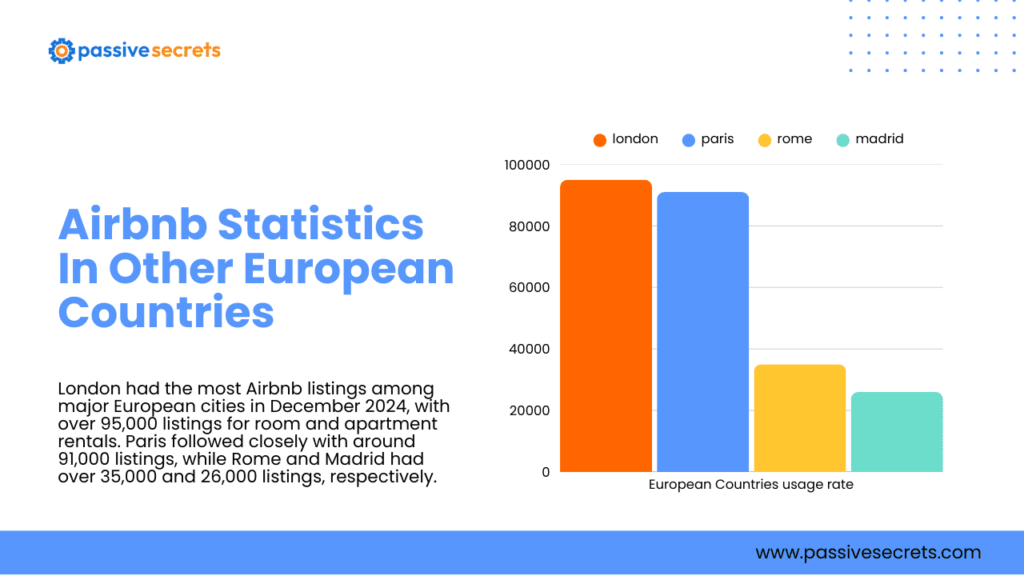
What happens in Barcelona and Paris doesn’t stay in Barcelona and Paris. These two cities are the bellwethers for the rest of Europe. In 2026, we are seeing a coordinated crackdown across the continent. Cities like Amsterdam, Madrid, and even Berlin are watching closely and implementing their own versions of these restrictions. The European Union itself has stepped in, introducing mandatory data-sharing rules that make it harder for hosts to hide. This isn’t just a local policy trend; it’s a continental shift.
The logic is spreading. Other popular destinations are realizing that unchecked tourism extraction is unsustainable. Palma de Mallorca, for instance, has banned STRs in apartment buildings. Greece, Italy, and Austria are also tightening regulations. The argument is gaining traction that STRs contribute to overtourism, which degrades the very attractions people come to see. When a city becomes too crowded, too expensive, and too noisy, it loses its charm. By cracking down, these cities are trying to preserve their long-term viability as cultural hubs, not just quick-stop photo ops.
This ripple effect is changing the investment landscape. Real estate investors who bought properties solely for STR income are now facing a reckoning. The "safest" models in Europe for 2026 are no longer simple residential flats on Airbnb. Instead, assets that work as mid-term or long-term rentals are proving more resilient. Aparthotels and hospitality-licensed units are rising in value because they comply with regulations. The wild west days of easy passive income are ending, replaced by a more regulated, professionalized sector.
The Human Cost of Overtourism
It’s easy to get lost in the policy details, but let’s not forget the human element. Behind every statistic about rent increases is a family packing up boxes. Behind every complaint about noise is an elderly couple unable to sleep. The crackdown on STRs is, at its core, a response to human suffering. For years, residents felt invisible, treated as obstacles to the tourism machine. Now, they are being heard. The emotional relief in neighborhoods where STRs are removed is palpable. Streets become quieter. Communities rebuild.
Consider the story of Maria, a teacher in Barcelona’s Eixample district. For five years, she lived next to an apartment that changed tenants every three days. She never knew her neighbors. She felt like a guest in her own home. When the license for that apartment was revoked in early 2026, it was converted back to a long-term rental. A young family moved in. They said hello. They shared keys. The street felt like a neighborhood again. These small moments add up to a healthier society.
In Paris, the dynamic is similar. Locals report feeling less like museum exhibits and more like citizens. The crackdown validates their frustration. It acknowledges that their right to a peaceful home matters more than a tourist’s desire for a bargain stay. This shift in priority is profound. It signals that cities are for people, not just for profit. While some tourists complain about fewer options, many respectful travelers understand. They want to visit vibrant, living cities, not hollowed-out shells.
What This Means for Travelers and Hosts
So, what does this mean for you? If you’re planning a trip to Barcelona or Paris in 2026, expect changes. First, availability will be lower. The flood of cheap apartments is drying up. Second, prices for legitimate accommodations—hotels, licensed aparthotels, and compliant B&Bs—may rise due to reduced supply. But this also means a better experience. You’re more likely to stay in places that respect local laws and contribute to the community. It’s a chance to travel more responsibly.
For hosts, the message is stark: comply or exit. The era of flying under the radar is over. Platforms are sharing data with authorities. Fines are hefty. In Barcelona, the path forward is to convert to long-term rentals or invest in licensed hospitality units. In Paris, strict adherence to the 120-day rule and registration protocols is non-negotiable. Trying to game the system is a losing strategy. The regulatory risk is too high. Smart hosts are adapting by offering mid-term stays to digital nomads or students, which faces less regulatory scrutiny and provides stable income.
Travelers should also adjust their expectations. Don’t expect to find a sprawling apartment in the heart of the Gothic Quarter for a bargain price. Consider staying in slightly less central areas, or opt for hotels that employ local staff and pay taxes. Engage with the city respectfully. Understand that your presence has an impact. By choosing compliant accommodations, you support the sustainability of the destination. It’s a small shift, but it helps ensure these beautiful cities remain vibrant for generations to come.
As we look beyond 2026, the trajectory is clear. The crackdown on short-term rentals in Barcelona and Paris is not a temporary blip; it’s a permanent correction. The housing crisis isn’t going away, and neither is the public demand for action. These cities are pioneering a new model of urban tourism—one that prioritizes residents’ quality of life over unchecked growth. It’s messy, it’s complicated, and it’s necessary.
Other cities will follow. The success (or failure) of these policies will be studied worldwide. We might see a bifurcation in the travel market: highly regulated, expensive city centers with limited STRs, and peripheral areas where regulations are looser. But the core principle—that housing is a right—has taken root. The convenience of booking an entire apartment for a weekend is no longer worth the social cost.
In the end, this is about balance. Tourism brings wealth and culture, but it must be managed. Barcelona and Paris are showing us that it’s possible to welcome visitors without sacrificing the soul of the city. It’s a hard lesson, learned through conflict and protest. But as the streets quiet down and neighbors reconnect, it’s becoming clear that this pain was growing pains. The future of these cities is brighter, not because there are fewer tourists, but because there are more homes. And that’s a trade-off worth making.