You know that moment? It’s 6 AM. You’re half-asleep, staring into the abyss of your coffee maker, waiting for it to gurgle to life. Or maybe it’s midnight, and you just want a cup of tea without waiting ten minutes for a kettle to boil. That’s the promise of the instant hot water dispenser. It sounds like magic. Turn a tap, get boiling water. Done. Simple, right? Well, I thought so too. Until I decided to test drive three different major brands over the last eighteen months. I didn’t just read the manuals. I lived with them. I fought with them. I leaked on my cabinets with them.
It wasn’t a sterile lab test. It was my kitchen. My messy, chaotic, real-life kitchen. I wanted to see if these little tanks under the sink were worth the hype or just another gadget collecting dust (and limescale). What I found wasn’t just about temperature or flow rate. It was about patience, plumbing quirks, and the strange relationship we have with convenience. Some days, these things are heroes. Other days? They’re the reason you’re calling a plumber on a Sunday. Let’s talk about what really happens when you bring these machines home.
The First Contender: The Heavyweight Champion
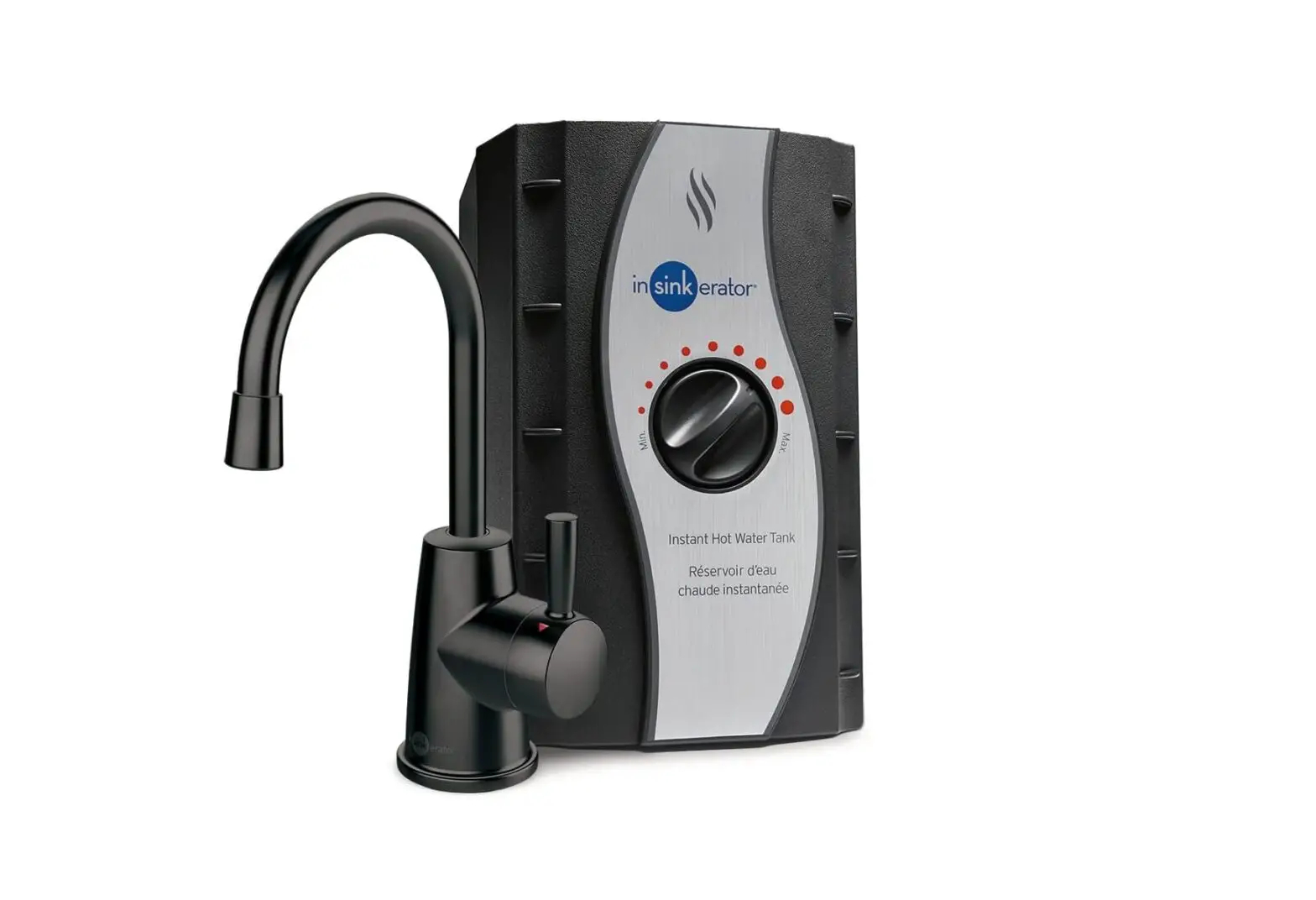
The first unit I installed was the classic, big-tank style from a well-known heritage brand. Let’s call it Brand A. This is the one your grandparents might have had, updated for 2026 standards. It’s bulky. Like, really bulky. When I pulled it out of the box, I honestly wondered if it would fit under my sink alongside the garbage disposal and the three bottles of cleaning spray I refuse to throw away. It weighs a ton when filled. Installation felt like wrestling a small bear.
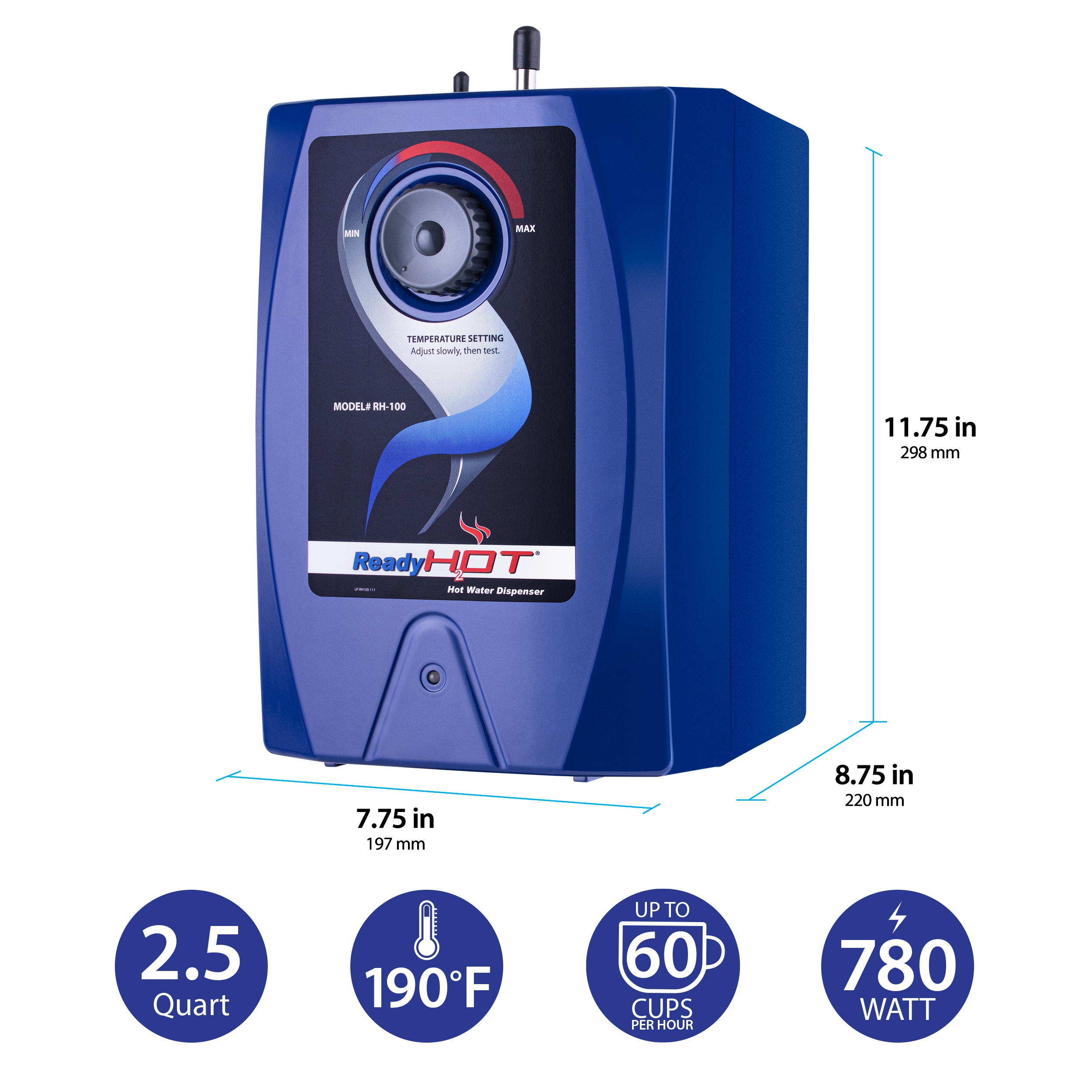
Once it was in, though, the performance was steady. It holds about 2.5 liters of water at near-boiling temps. The benefit here is volume. If you’re making pasta for a family of four, this thing doesn’t blink. It just keeps pouring. But there’s a catch. It takes forever to heat up initially. We’re talking twenty to thirty minutes of waiting after you flip the switch. And if you drain it completely? You’re waiting again. It’s not "instant" in the truest sense; it’s "ready and waiting."
The build quality is tank-like. Literally. The stainless steel tank feels indestructible. But the faucet that comes with it? Cheap plastic. It felt flimsy in my hand, a stark contrast to the heavy-duty engine underneath. I replaced the faucet within a month because the handle started wiggling. That’s the trade-off with these older designs. They prioritize the heating element over the user interface. It works, sure. But it doesn’t feel nice to use. And let’s not forget the energy bill. Keeping that much water hot 24/7 adds up, even with modern insulation.
The Second Option: The Sleek Tech Disruptor
Next, I swapped in Brand B. This was the shiny new kid on the block. No tank. Just a compact box with a powerful heating element inside. It looked like an Apple product had a baby with a plumbing fixture. The marketing promised "endless hot water" and "energy efficiency." I was skeptical. How can something so small replace that massive tank? Well, it does, but with caveats.
Installation was a breeze compared to the first one. It’s light, small, and mounts easily to the side of the cabinet. But here’s the rub: the flow rate. It’s slow. Very slow. You don’t get a gushing stream of boiling water. You get a polite, steady trickle. If you’re in a rush, this will drive you nuts. It’s designed for a cup of tea, not a pot of soup. Trying to fill a large mug takes nearly a minute. For some, that’s fine. For me? It tested my patience every single morning.
However, the technology is impressive. It only heats water when you ask for it. No standby loss. My electric bill did dip slightly during the months I used this unit. The temperature control was also precise. I could set it to 175°F for green tea or 200°F for black tea via a small digital display. That level of customization is great for tea snobs. But the complexity brings risk. When the digital board glitched in month four, the whole unit died. No hot water at all. With the tank model, if the thermostat fails, you usually still have hot water until it cools down. Here, it was just cold disappointment.
The Third Choice: The Budget Hybrid
Finally, I tried Brand C. This was the budget-friendly option, a hybrid design that claimed to offer the best of both worlds. It had a tiny tank—only 1 liter—but a faster recovery rate than the big heavyweight. The price point was attractive, sitting right in the middle. I hoped it would be the Goldilocks solution. Not too big, not too tech-heavy, just right.
It wasn’t. The build quality felt… cheap. The plastic housing rattled when the heater kicked on. It sounded like a small animal was trapped under my sink. Every time it heated up, I’d hear this faint buzzing noise that drove my dog crazy. He’d sit by the cabinet and whine. Not ideal for a peaceful home environment. The faucet was better than Brand A’s, but the spout was short, causing splashing if you didn’t position your mug perfectly.
Performance-wise, it was inconsistent. Sometimes the water was scalding. Other times, it was merely warm. I suspect the thermostat was struggling to keep up with the demand. It’s a smaller tank, so it cycles on and off frequently. This constant cycling seems to wear out the components faster. By month six, I noticed a slight drip from the base. Nothing major, but enough to warrant a towel underneath. It felt like a temporary fix, not a long-term appliance. You get what you pay for, and with Brand C, you pay less but worry more.
The Hidden Nightmare: Plumbing and Maintenance
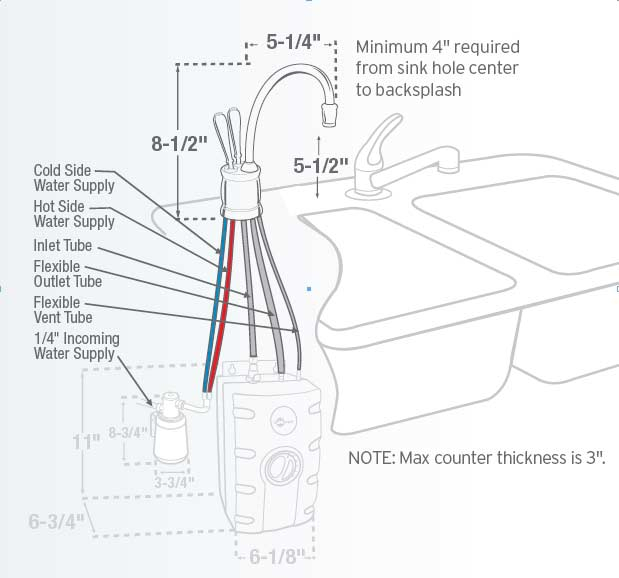
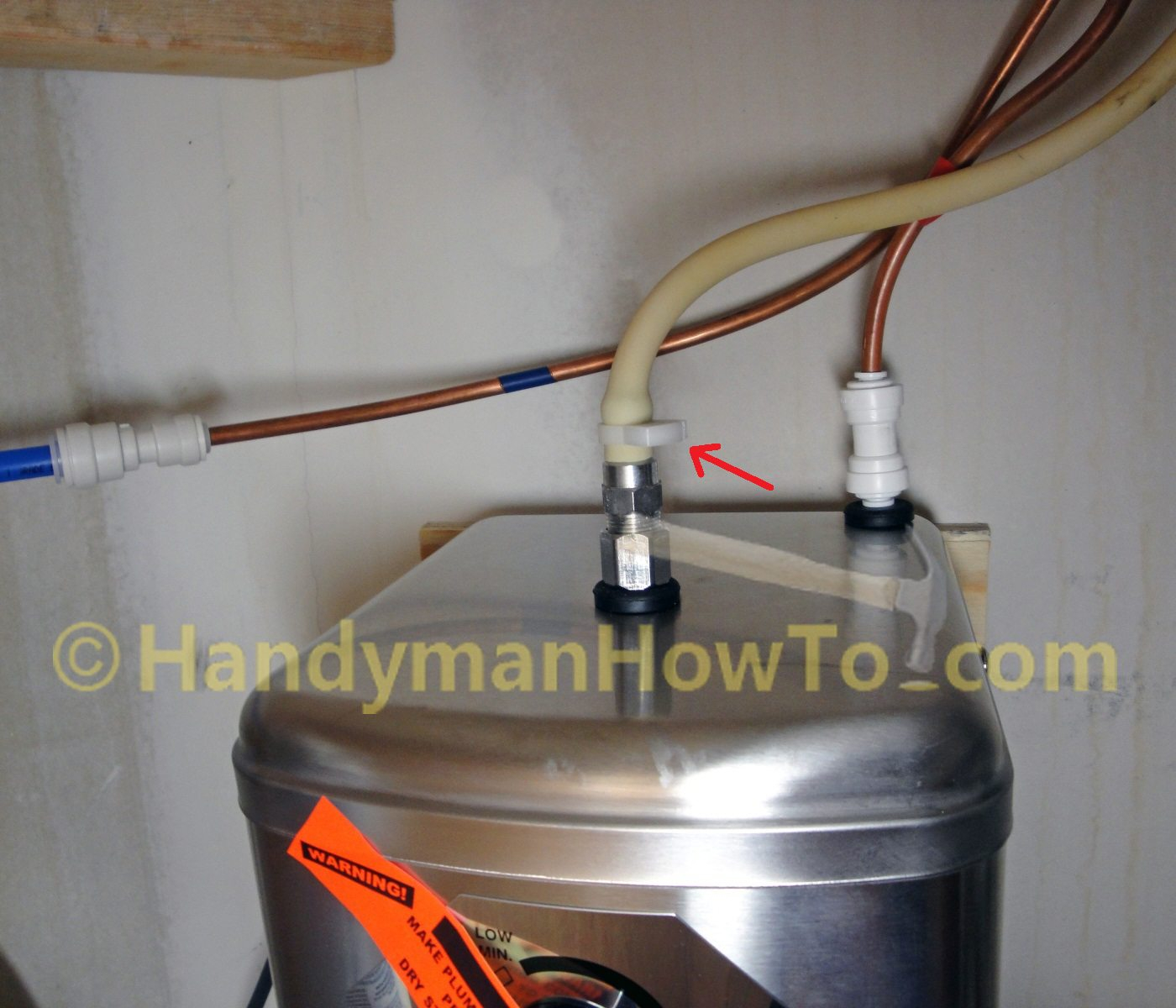
Let’s talk about the stuff nobody puts in the brochure. Installation isn’t just about screwing in a few hoses. It’s about your existing plumbing. My house, built in the late 90s, has copper pipes that are stubborn. Connecting these units required adapters, fittings, and a lot of Teflon tape. I stripped a thread on the first try with Brand A. Panic set in. Would I flood my kitchen? Luckily, no. But it was a close call. If you’re not handy, hire a pro. Don’t ego-lift this project.
Then there’s the issue of hard water. I live in an area with moderately hard water. Within three months, Brand A’s performance dropped. The water wasn’t as hot. Why? Scale buildup. Limescale is the silent killer of these appliances. I had to descale the tank using a vinegar solution, a process that took hours and smelled like a salad dressing factory exploded. Brand B, being tankless, claimed to be resistant to scale, but the filter needed replacing every two months. Those filters aren’t cheap. Over a year, the maintenance costs added up significantly.
And don’t forget the space under your sink. It’s prime real estate. Adding a dispenser means rearranging everything. Your trash cans, your recycling bins, your stash of sponges—they all need to move. With Brand A, I lost half my storage space. With Brand B, I gained space back, but now I had a power outlet occupied under the sink, which meant I couldn’t plug in my garbage disposal easily without an extension cord (a fire hazard I quickly corrected). It’s a jigsaw puzzle of convenience vs. clutter.
The Daily Reality: Living with Instant Heat
So, how does it actually feel to live with these things? At first, it’s thrilling. You feel like a barista in your own home. You press a lever, and steam rises. It’s satisfying. But novelty wears off. By week three, I realized I wasn’t using it as much as I thought. Why? Because the kettle is still faster for a single cup if you factor in the walk to the sink, the wait for the flow, and the splash guard dance. The dispenser shines when you need multiple cups or hot water for cooking.
I found myself using Brand B the most for tea because of the temperature control. It made a noticeable difference in the taste of my green tea. No more burnt leaves. That was a genuine upgrade in my daily ritual. But for cooking? I missed the volume of Brand A. When making ramen or instant oats for the kids, the slow trickle of Brand B was frustrating. They’d stand there, tapping their feet, asking, "Is it ready yet?" repeatedly.
There’s also the safety aspect. Having boiling water accessible to kids is terrifying. All three units have safety locks or require pressing down hard to activate, but accidents happen. I caught my nephew trying to "play" with the faucet once. He didn’t get burned, thanks to the safety mechanism, but it gave me a heart attack. I ended up installing a child-proof lock on the cabinet door itself. It’s an extra step, but peace of mind is worth it. You have to be vigilant. This isn’t just a tap; it’s a potential hazard if treated casually.
After living with all three, here’s the hard truth. There is no perfect unit. Each one forces a compromise. Brand A (the tank) is best for families who cook a lot and need volume. It’s reliable, sturdy, and simple, but it’s an energy hog and a space monster. If you have a large family and a big sink cabinet, this is your guy. Just be prepared to descale it regularly.
Brand B (the tankless) is for the tech-savvy individual or couple who values precision and efficiency. It’s sleek, saves energy, and makes better tea. But it’s slow, expensive to repair, and dependent on electronics. If you love gadgets and drink mostly tea or coffee, this is the winner. Just keep spare filters on hand. Brand C (the budget hybrid) is hard to recommend. It tries to do everything and does nothing well. It’s noisy, inconsistent, and feels fragile. Save your money and either go premium or stick to a kettle.
In 2026, the technology hasn’t radically changed the core mechanics. We’re still heating water. The improvements are in efficiency and control, not speed. My advice? Look at your habits. Do you make pasta? Go big tank. Do you sip oolong? Go tankless. Do you rarely use hot water? Keep your kettle. Don’t buy this for the Instagram aesthetic. Buy it for the specific problem it solves in your life. For me, I kept Brand B. The tea quality upgrade was worth the slower flow. But I miss the ease of the big tank on busy Sundays.
Ultimately, these devices are tools, not magic wands. They require maintenance, space, and patience. They can elevate your daily routine, but they can also become a source of frustration if you expect perfection. Know what you’re getting into. Measure your cabinet. Check your water hardness. And maybe, just maybe, keep a backup kettle in the cupboard for those days when the tech fails you. Because it will.