Remember that feeling? You’re ready for a cozy movie night. The popcorn is popped. The lights are dimmed. But then… the hunt begins. You dig through a stack of plastic cases that seems to have multiplied overnight. Where is that one comedy you loved? Why is there a duplicate of The Matrix? It’s frustrating. And let’s be honest, those bulky jewel cases take up way too much room.
In 2026, physical media still holds a special place in many hearts. Streaming is great, sure. But owning a copy means you always have it. No buffering. No licensing deals pulling your favorite film away. Yet, storing hundreds of discs is a real challenge. Especially if you live in a smaller space. That’s where smart binder organization comes in. It’s not just about tidying up. It’s about making your collection work for you.
This guide isn’t about rigid rules. It’s about finding a system that fits your life. We’ll look at how to choose the right gear, sort your movies so they actually make sense, and keep everything protected. By the end, you’ll have a sleek, accessible library that saves space and brings the joy back to browsing your own shelves. Let’s dive in.
Why Ditch the Cases? The Space-Saving Magic of Binders
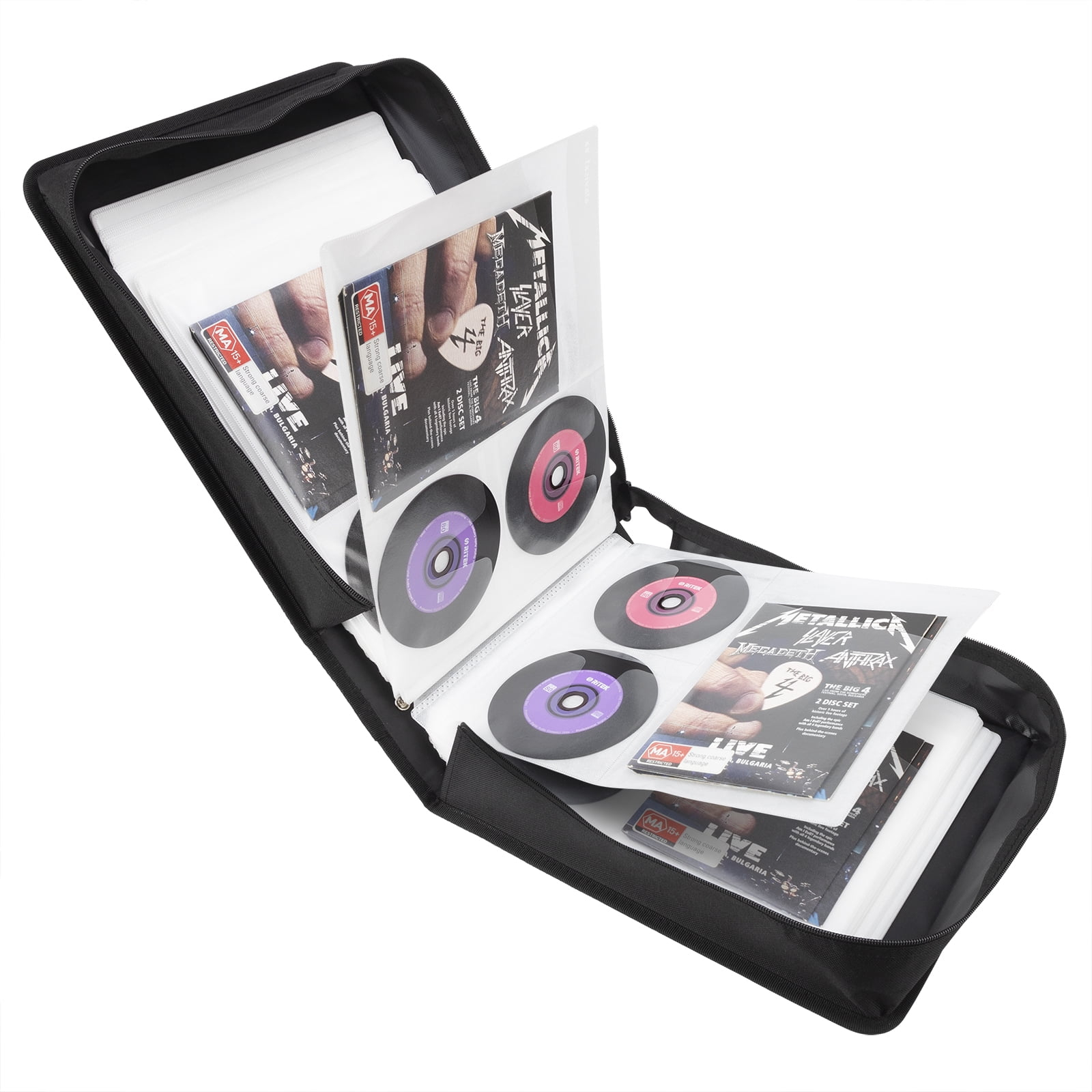
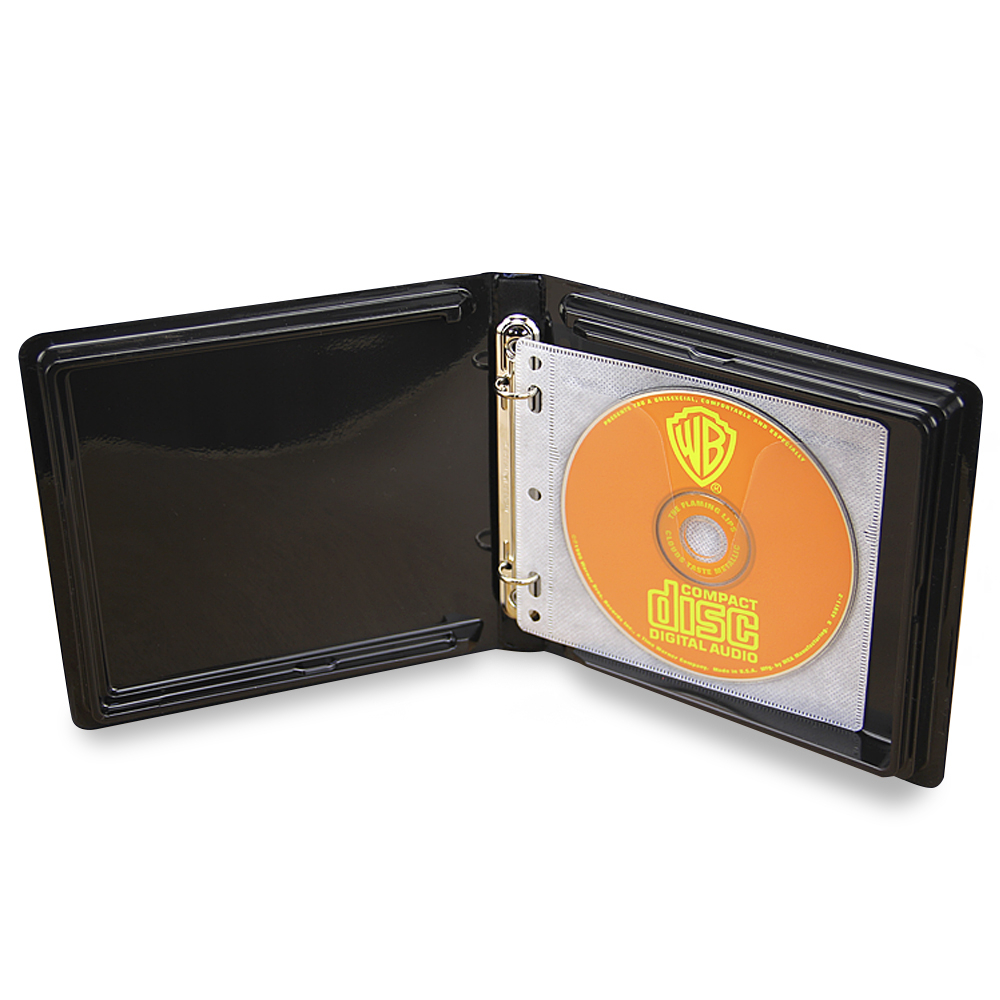
Let’s talk numbers for a second. A standard DVD case is about half an inch thick. If you have 100 movies, that’s roughly four feet of shelf space. Now imagine 300 movies. That’s an entire bookshelf gone. Just for movies. When you switch to binder sleeves, you compress that footprint dramatically. A single high-capacity binder can hold 120 to 400 discs, depending on the style. That same 300-movie collection might fit into two or three binders. Suddenly, you’ve freed up huge chunks of real estate in your living room.
But it’s not just about square footage. It’s about visual clutter. Those plastic cases, with their varied spines and worn-out covers, create noise. They make a room feel chaotic. Binders offer a uniform look. They slide neatly onto a shelf like books. You can color-code them or label them clearly. The result is a calm, organized aesthetic that feels intentional rather than accidental. Plus, recycling those old cases reduces waste. It’s a small win for the planet and your sanity.
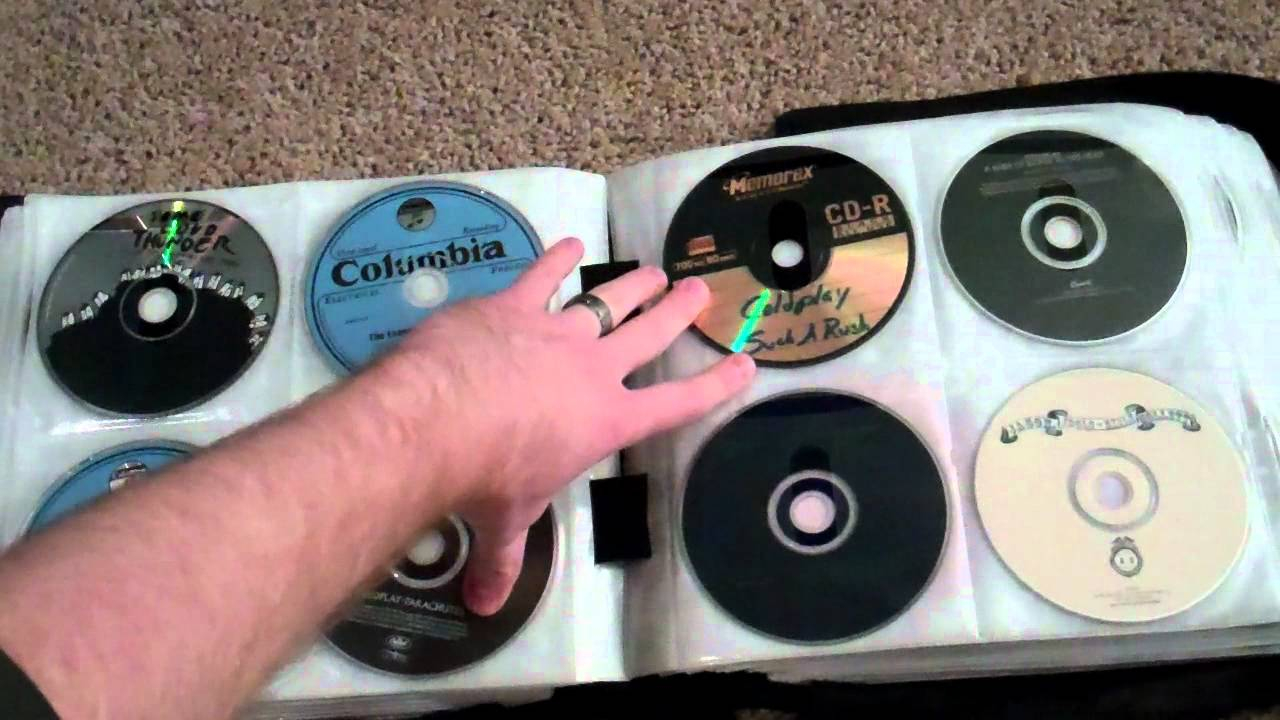
There’s also the tactile benefit. Flipping through a well-organized binder feels different than digging through a pile. It’s deliberate. You see what you have. You rediscover titles you forgot you owned. In a world of endless scrolling on streaming apps, this physical interaction reconnects you with your collection. It turns movie selection from a chore into a ritual. And honestly, isn’t that what home entertainment should be about?
Choosing the Right Binder: Capacity, Quality, and Features
Not all binders are created equal. Before you buy, take stock of your collection. How many discs do you actually want to keep? Be ruthless here. If you haven’t watched it in five years, maybe it’s time to let it go. Once you have a number, look at capacity. Options range from small 60-disc wallets to massive 400-disc zippered albums. For most people, a 120 to 200-disc binder is the sweet spot. It’s manageable to hold and not too heavy to pull off a shelf.
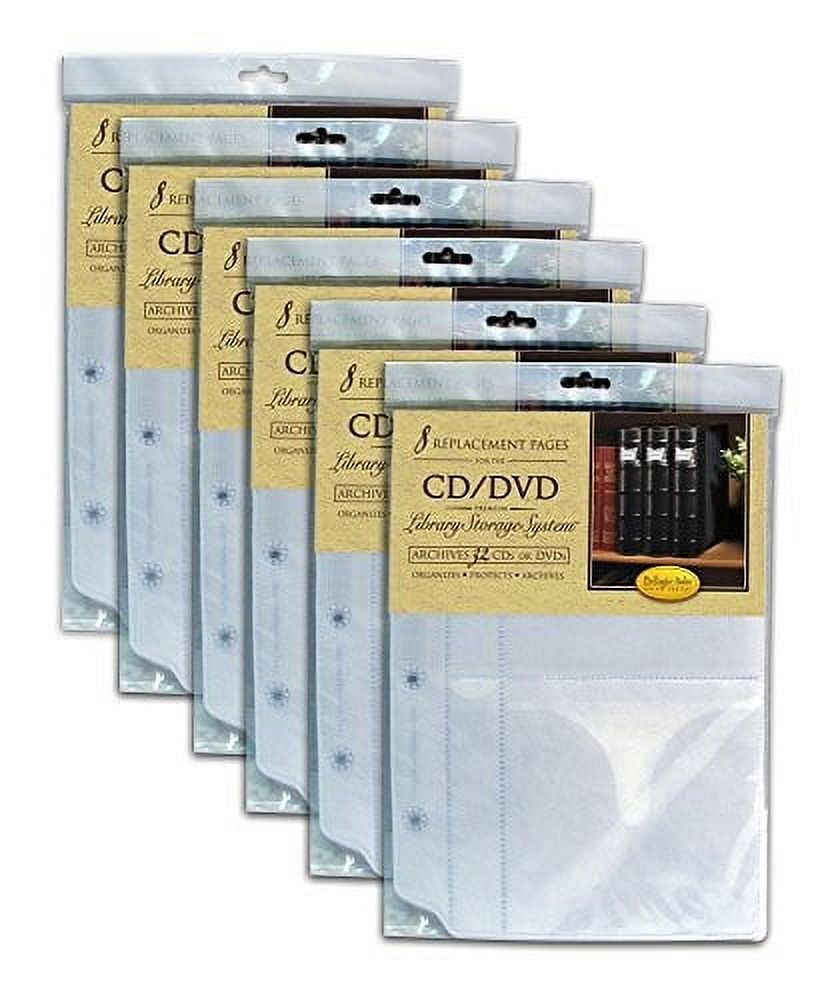
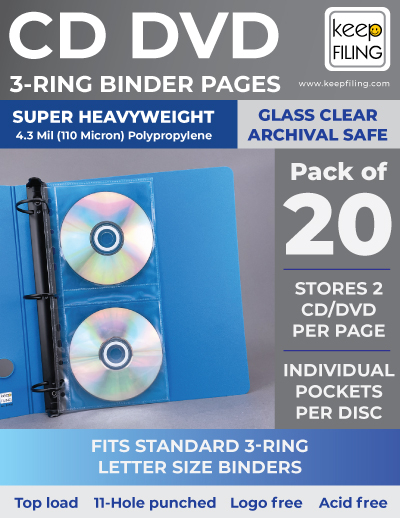
Material matters too. Cheap vinyl sleeves can scratch discs over time. Look for soft, non-woven fabric or high-quality polypropylene pockets. These materials are gentle on the data side of the disc. Also, consider the spine. A wide, clear spine allows you to label the binder easily. Some binders come with index tabs or dividers built-in. These are gold for organization. If you have a mixed collection of CDs and DVDs, check if the sleeves are universal size. Most modern binders handle both, but it’s worth double-checking.
Don’t forget protection. Dust and moisture are enemies of optical media. Zippered binders offer the best defense. They keep out pet hair, dust bunnies, and accidental spills. If you live in a humid climate, this is crucial. Mold can grow on paper inserts and even damage discs. A sealed binder acts as a barrier. Some premium options even include moisture-absorbing packets. It might seem like overkill, but protecting your investment is smart. After all, replacing a scratched favorite movie isn’t fun.
The Great Sort: Genre, Alphabetical, or Frequency?
Now comes the fun part: sorting. There’s no one right way, but there are wrong ways. Random piles are definitely wrong. The most common methods are alphabetical, by genre, or by frequency of use. Alphabetical is straightforward. You know exactly where Star Wars is (under S). But it mixes comedies with horrors, which might not suit your mood-based viewing habits. Genre sorting groups similar vibes together. All your action films in one section, rom-coms in another. This helps when you know you want a laugh but don’t care which specific movie.
Frequency is a sneaky good option. Keep your top 20 most-watched movies in the front of the binder or in a separate "Favorites" volume. This saves time on busy weeknights when you just want to press play. You can combine these methods too. For example, sort primarily by genre, then alphabetically within each genre. Use divider tabs to mark sections like "Action," "Drama," "Kids," and "Classics." This hybrid approach offers structure without being too rigid. It mimics how our brains often search for content: first by mood, then by title.
Consider your household dynamics. Do kids access the collection? If so, keep their movies in a dedicated, easy-to-reach binder. Maybe use picture labels instead of text for younger readers. For adult collections, think about shared preferences. If you and a partner have different tastes, separate binders might prevent arguments over space. The goal is to reduce friction. If it takes more than 30 seconds to find a movie, your system needs tweaking. Test it out. Live with it for a week. Adjust as needed.
Preserving the Art: Keeping Cover Inserts Accessible
One major downside to binders is losing the box art. Those cover images help us identify movies quickly. A list of titles on a spine isn’t always enough. So, how do we keep that visual cue? Simple: keep the original paper inserts. Most DVD sleeves in binders have a clear pocket on the front or back. Slide the folded cover art into that pocket. Now, when you flip through the binder, you see the movie poster, not just a shiny disc. It makes browsing much more engaging.
If your sleeves don’t have pockets, get creative. You can scan or photograph the covers and print them on sticker labels. Stick these on the sleeve next to the disc. Or, create a digital catalog. Take photos of your binders’ index pages and save them on your phone. When you’re out buying new movies, you can check if you already own them. This prevents duplicate purchases. It’s a tech-savvy twist on a physical problem. Some people even use apps designed for media tracking, linking the physical binder location to a digital entry.
For collectors who value the artwork highly, there’s another option. Store the empty cases in a box in the closet. Keep only the discs in the binders. If you ever decide to sell or trade a movie, you have the original packaging ready. This keeps your daily-use binders slim while preserving resale value. It’s a bit more work upfront, but it pays off if you’re an active trader. For most casual viewers, though, keeping the insert in the sleeve is the perfect balance of convenience and nostalgia.
Maintenance and Care: Keeping Your Collection Pristine
A binder system only works if you maintain it. Discs need to be handled correctly. Always hold them by the edges or the center hole. Never touch the shiny data surface. Fingerprints attract dust and can cause read errors. If a disc gets dirty, wipe it gently with a microfiber cloth. Move from the center outward in straight lines. Circular wiping can create scratches that follow the data track, which is bad news. Make this a habit every time you put a disc away.
Check your binders periodically. Are the sleeves tearing? Is the zipper sticking? Replace damaged sleeves immediately. A loose disc rattling around inside a binder can scratch other discs. It’s a domino effect of damage. Also, watch for warping. If a binder is overstuffed, it can bend. This puts pressure on the discs and can cause them to crack or become unreadable. Don’t push the capacity limit. If a binder is full, start a new one. It’s better to have five half-full binders than three bursting ones.
Lighting matters too. Store your binders away from direct sunlight. UV rays can degrade the plastic sleeves and fade any printed labels. A cool, dry shelf is ideal. Avoid attics or basements where temperature fluctuations are extreme. Consistency is key. If you treat your collection with respect, it will last for decades. Think of it as curating a personal museum. Each disc is an artifact. Proper care ensures you can enjoy them for years to come. It’s a small effort for a big reward.
Let’s face it: binders aren’t always the prettiest things. But they don’t have to be eyesores. With a little styling, they can blend seamlessly into your decor. Choose binders in colors that match your room. Neutral tones like black, gray, or navy look sophisticated. Bright colors can add a pop of fun if that’s your style. Arrange them on a bookshelf alongside actual books. Mix them in. This breaks up the monotony and makes the collection feel part of the room’s fabric.
Labeling is crucial for aesthetics. Use a label maker for clean, uniform text. Handwritten labels can look charming but might get messy over time. Consider adding small icons or color-coded dots to indicate genres. This adds a visual layer that’s both functional and decorative. You can also use bookends to keep the binders upright and neat. Slumping binders look sloppy. Upright ones look curated. It’s a subtle difference that impacts the overall vibe.
For small spaces, think vertically. Use tall, narrow shelving units. Binders stack well. You can also store them in ottomans or coffee tables with storage compartments. This hides them away when not in use, keeping surfaces clear. If you have a dedicated media console, dedicate one shelf exclusively to binders. Keep the rest for electronics or decor. This zoning helps contain the clutter. Remember, organization is not just about function. It’s about creating a space that feels good to be in. Your movie collection should enhance your home, not dominate it.
So, there you have it. A smarter way to handle your physical media. Switching to binders saves space, reduces clutter, and makes finding movies a breeze. It requires a bit of upfront effort—sorting, sleeving, labeling—but the payoff is huge. Imagine opening a binder and instantly seeing your favorite films. No digging. No frustration. Just pure, easy access.
Start small. Pick one shelf. Gather those cases. Sort them. Slip them into sleeves. Feel the satisfaction of reclaiming that space. You might find yourself enjoying your collection again in a way you haven’t for years. It’s not just about storage. It’s about respecting the things you love. And in 2026, that’s a pretty radical act. Happy organizing.