We’ve all been there. You cut your finger while chopping vegetables, or maybe you scrape your knee on a hike. You rush to the cupboard, yank open that dusty plastic box, and… nothing. Just a tangled mess of old gauze, a single lonely band-aid stuck to the side, and ibuprofen that expired in 2019. It’s frustrating, sure. But it’s also kinda scary. Because when things go wrong, they go wrong fast. And having a kit that doesn’t work isn’t just an inconvenience; it’s a gap in your safety net.
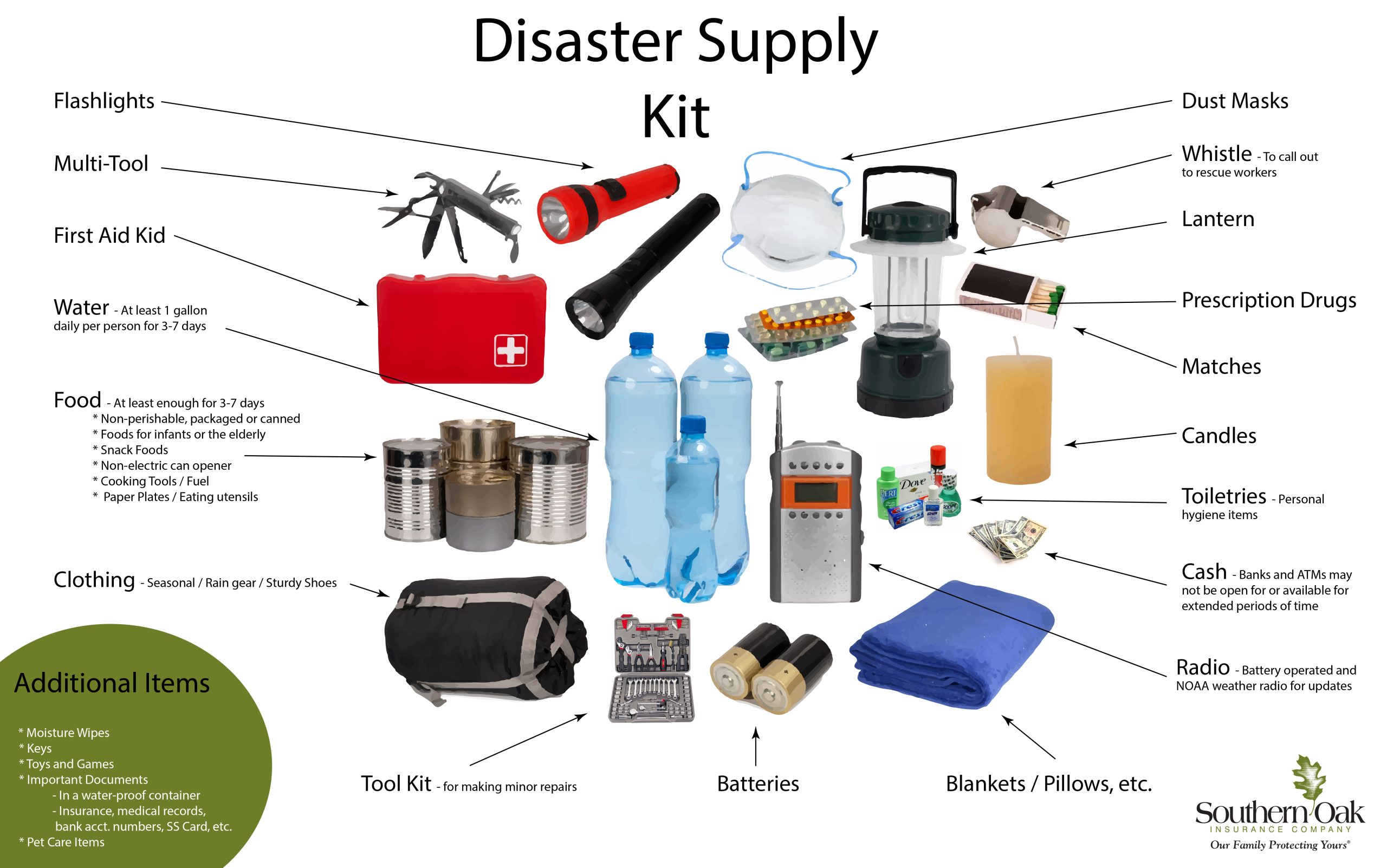
In 2026, the conversation around first aid has shifted. It’s no longer just about checking a box for workplace compliance or tossing a pre-made bag into the trunk of your car and forgetting it. Experts are calling it a "response module" now. That sounds fancy, but it really just means your kit needs to be ready for your specific risks. Whether you’re a parent, a hiker, or just someone who wants to feel prepared, the goal is the same: build a kit that actually helps when seconds count. Let’s ditch the useless fluff and get real about what works.
Why Most Pre-Packaged Kits Fail You
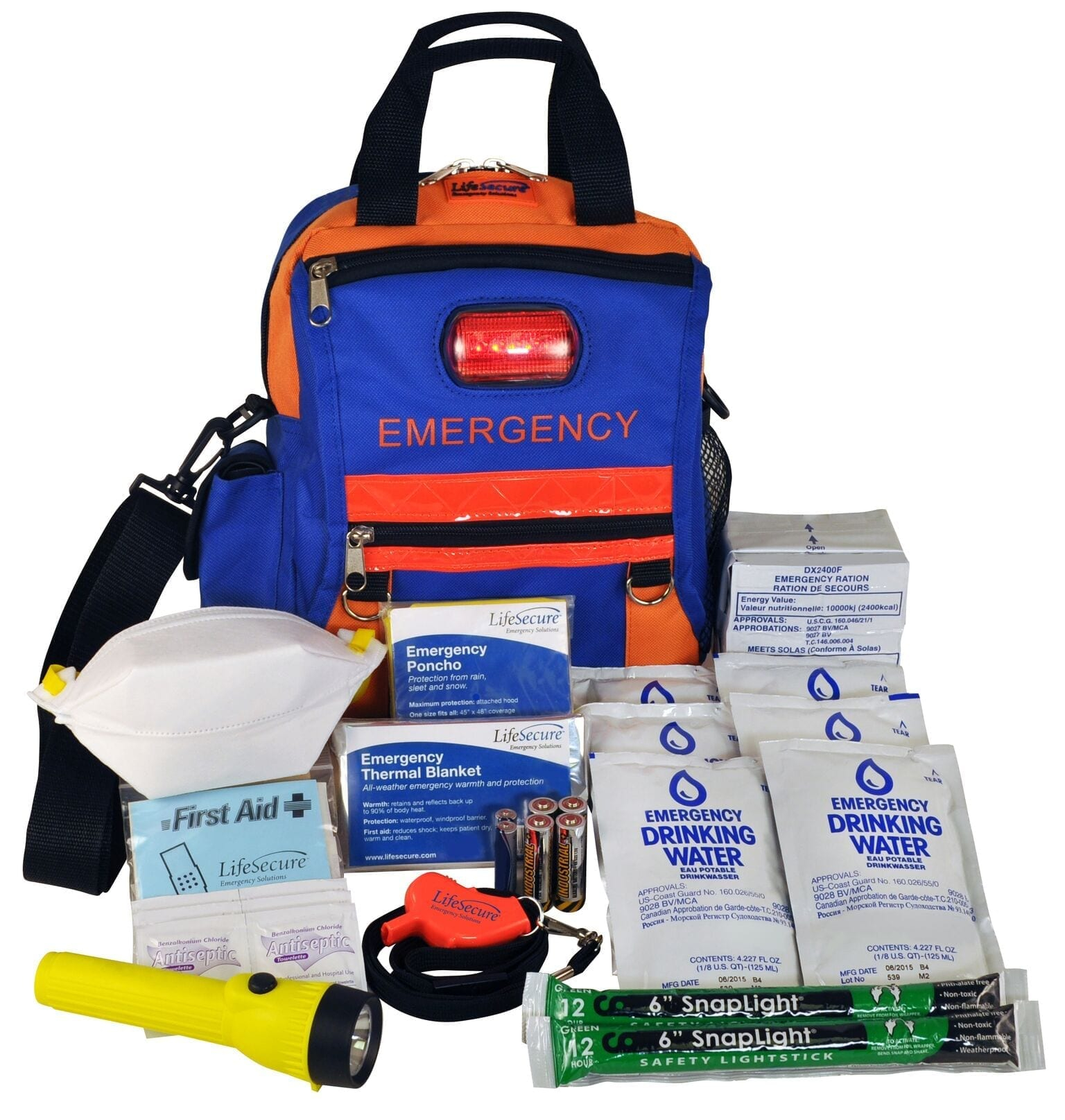
Let’s be honest for a second. Most of those bright red, hard-plastic cases you buy at the pharmacy? They’re designed for one thing: selling. They’re built to look impressive on a shelf, not to save a life in a chaotic moment. Industry analysis from sources like ViTAC Solutions points out that these off-the-shelf kits are often designed for regulatory compliance and low price points, not for the emergencies that actually cause harm. They’re filled with tiny, single-use packets of antiseptic wipes that tear open too easily and bandages that don’t stick to sweaty skin.
The problem isn’t just the quality of the items; it’s the lack of strategy. A generic kit assumes every injury is a minor scrape. But life isn’t generic. If you’re hiking in remote areas, a blister pack is useless compared to a tourniquet. If you’re at home with young kids, you need burn care and child-safe dosing tools, not industrial-grade eye wash. By 2026, the consensus among emergency responders is clear: a one-size-fits-all approach is a failed approach. You need to build in layers, matched to your actual risk profile.
Think about it like packing for a trip. You wouldn’t bring snow boots to the beach, right? So why carry a heavy trauma kit if you’re just going to the office? Or conversely, why rely on a few band-aids if you’re backcountry camping? The shift in 2026 is towards customization. It’s about understanding that "first aid" covers a huge spectrum, from a splinter to severe bleeding. Your kit should reflect where you fall on that spectrum. It’s not about buying the most expensive gear; it’s about buying the right gear for your life.
The Layered Approach: Building for Your Reality
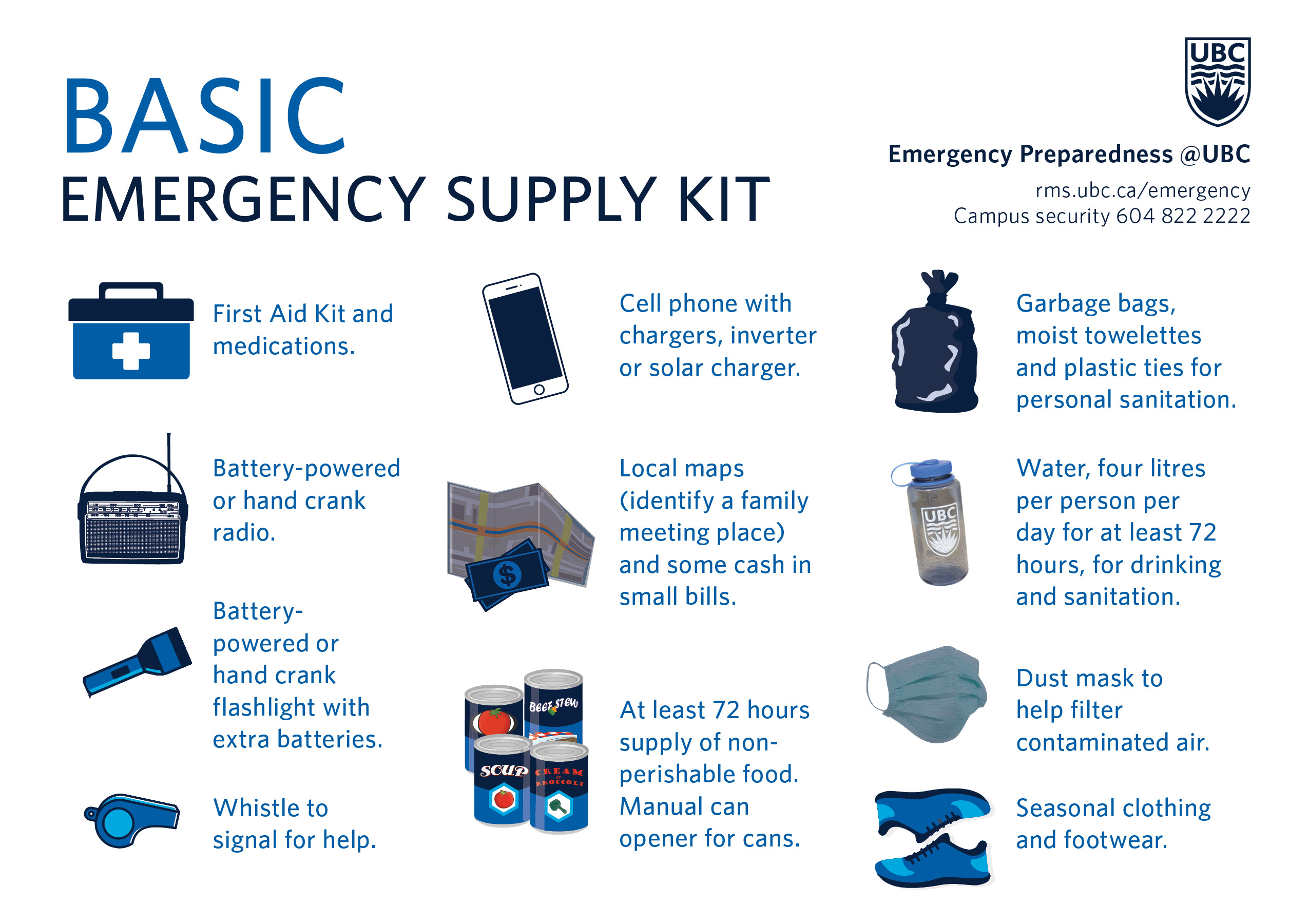
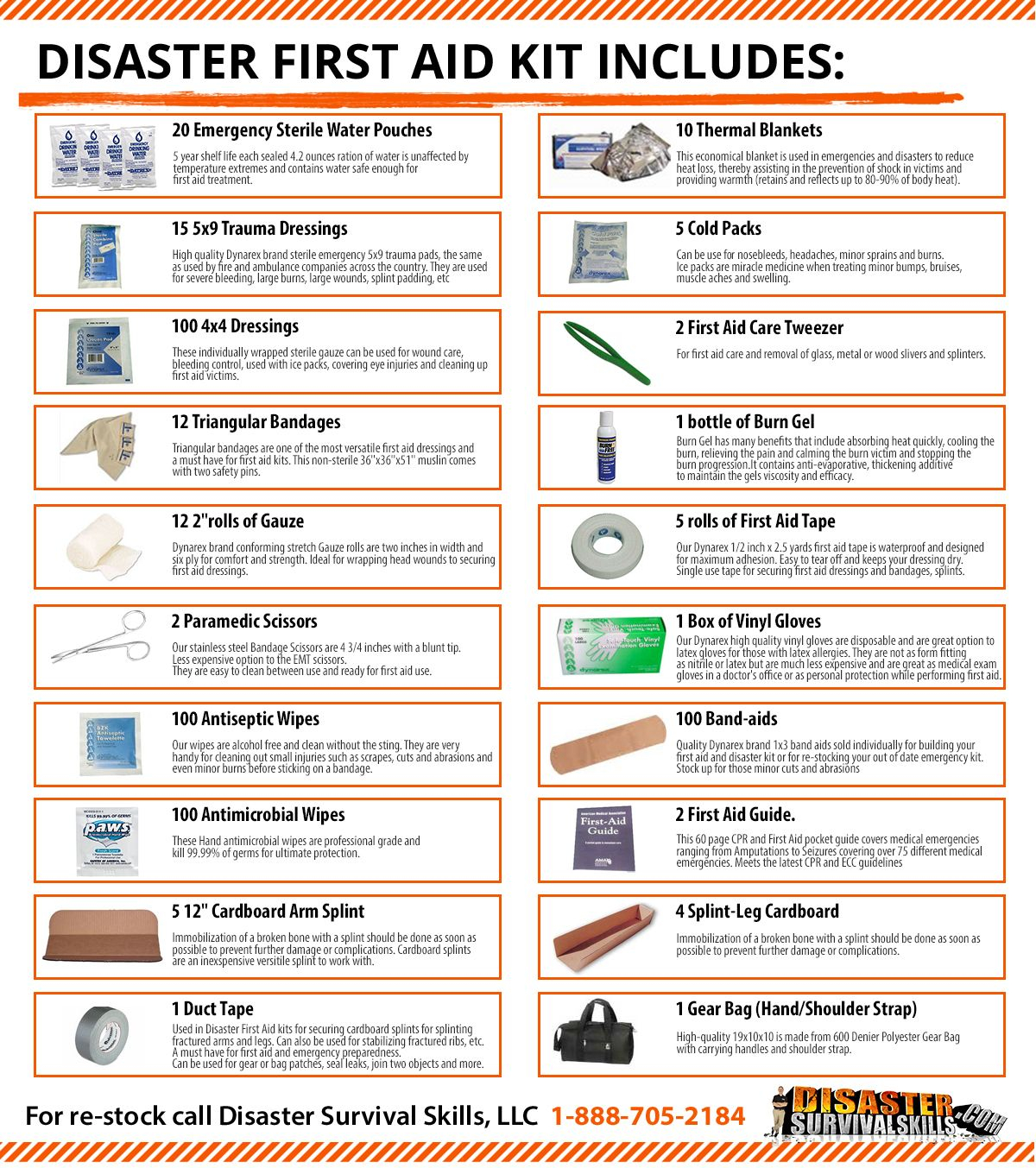
So, how do you actually build this thing? The best way is to think in layers. Start with the base layer: everyday boo-boos. This is the stuff you use 90% of the time. Think adhesive bandages in various sizes (because one size definitely does not fit all), sterile gauze pads, medical tape, and antiseptic wipes. But here’s the trick—don’t just throw them in. Organize them so you can grab them with one hand. In a panic, fine motor skills go out the window. Use small zip-lock bags or elastic bands to group similar items.
Next, add the secondary layer: moderate injuries. This includes things like sprains, deeper cuts, or burns. You’ll want triangular bandages (which can be slings or wraps), instant cold packs, and butterfly closures for pulling wound edges together. Burn gel packets are a must-have here, especially for home kitchens. According to recent reviews from GearJunkie and other testing outlets, the quality of these items matters. A cheap cold pack that leaks is worse than no cold pack at all. Look for durable, reliable brands like Adventure Medical or HART, which have been tested extensively in real-world scenarios.
Finally, consider the tertiary layer: life-threatening trauma. This might sound intense, but if you spend time in remote areas or drive long distances, this layer is critical. This is where you’d include a tourniquet (like a CAT Gen 7), hemostatic gauze (stuff that helps blood clot fast), and a chest seal if you’re trained to use it. Tactical medicine guides in 2026 emphasize the MARCH algorithm (Massive hemorrhage, Airway, Respiration, Circulation, Head/Hypothermia) for these situations. You don’t need to be a medic to carry these tools, but you do need to know how to use them. Training is part of the kit.
Organization Secrets That Save Seconds
Having the right stuff is half the battle. Finding it is the other half. When adrenaline spikes, your brain gets foggy. You don’t have time to dig through a black hole of a bag. That’s why organization is key. Transparent pouches are your best friend. Being able to see what’s inside without opening every compartment is a game-changer. Color-coding helps too. Maybe red bags are for bleeding control, blue for breathing/airway, and white for general wounds. It sounds simple, but in a crisis, these visual cues speed up your response time significantly.
Labeling is another underrated step. Use a sharpie or printed labels to mark expiration dates on medications and sterile items. Nothing is worse than reaching for pain relief only to find it’s three years past its prime. Also, consider the "grab-and-go" factor. If your kit is for the car, make sure it’s secured but accessible. Don’t bury it under spare tires and gym bags. For home kits, keep them in a central location, not locked away in a high cabinet where kids can’t reach them in an emergency (but do use child-proof locks if you have toddlers who are prone to getting into everything).
Another pro tip? Include a quick-reference guide. Not a 50-page manual, but a laminated card with basic steps for CPR, stopping bleeding, and treating shock. Tape it to the inside lid of your kit. In 2026, many modern kits come with QR codes linking to video tutorials, which is great if you have cell service. But don’t rely on tech alone. Paper doesn’t run out of battery. Keep it simple, keep it visible, and keep it dry. Waterproof bags or cases are essential, especially for outdoor kits. Moisture is the enemy of sterile supplies.
Essential Gear for 2026: What’s In and What’s Out
Times change, and so does first aid gear. Some old staples are being phased out in favor of more effective tools. For instance, hydrogen peroxide and iodine are largely out for wound cleaning. They damage healthy tissue and slow healing. Saline solution or clean water is now the gold standard for flushing wounds. Antibiotic ointments are still useful, but some people are allergic, so include a variety or stick to plain petroleum jelly for moisture barrier protection.
On the "in" list? Hemostatic agents. These are powders or gauzes infused with substances that promote rapid clotting. They used to be military-only, but now they’re recommended for civilian kits, especially for deep cuts or accidents where bleeding is heavy. Brands like QuikClot are widely available and easy to use. Another modern essential is the nitrile glove. Latex allergies are common, and nitrile is tougher and more resistant to punctures. Always include at least two pairs in your kit. You don’t want to touch someone’s blood with bare hands if you can help it.
Don’t forget the tools. Tweezers are classic, but make sure they’re sharp and pointed for splinters. Trauma shears are a must-have for cutting through clothing or seatbelts. They’re blunt-tipped so you won’t accidentally stab someone while trying to help. A digital thermometer is also smarter than the old glass ones, which can break and leave mercury everywhere. And speaking of smart, some 2026 kits are integrating basic diagnostic tools like pulse oximeters, which can be helpful for monitoring respiratory issues or altitude sickness. But remember, tools are only as good as your ability to use them.
Maintenance: The Forgotten Step
Here’s the hard truth: a first aid kit is not a "set it and forget it" item. It’s a living system. Supplies expire. Batteries die. Packaging degrades. If you haven’t looked at your kit in the last six months, it’s probably not ready. Set a reminder on your phone. Twice a year—maybe when you change your clocks for daylight saving time—is a good rhythm. Open it up. Check the dates on everything. Replace anything that’s expired, damaged, or missing.
Pay special attention to medications. Pain relievers, antihistamines, and epinephrine auto-injectors (if prescribed) have strict expiration dates. Using expired epinephrine in an allergic reaction can be fatal because it loses potency. Same with antibiotics if you have any prescribed for travel. Don’t guess. If it’s old, toss it and replace it. It’s a small cost compared to the risk. Also, check the integrity of sterile packaging. If a gauze wrapper is torn or wet, it’s no longer sterile. Throw it out.
Restocking is also a good time to reassess your needs. Did you use half your band-aids on a family camping trip? Restock them. Did you realize you didn’t have enough tape? Add more. Life changes, and your kit should evolve with it. Maybe you started rock climbing, so you need more blister care. Maybe you have a new baby, so you need infant-specific supplies. Treat your kit like a garden. It needs regular tending to stay healthy and useful. Neglect it, and it becomes a box of junk.
You can have the best gear in the world, but if you don’t know how to use it, it’s just dead weight. This is the piece most people miss. Buying a tourniquet doesn’t make you a trauma responder. Using one incorrectly can cause more harm than good. In 2026, access to training is easier than ever. Online courses, local community center classes, and apps can teach you the basics. But hands-on practice is irreplaceable. Find a local Red Cross or St. John Ambulance course and take it. Seriously.
Focus on the big killers first. Bleeding control is number one. Learn how to apply direct pressure, how to pack a wound, and how to use a tourniquet. Then move to CPR and choking relief. These are skills that fade if you don’t use them, so refresh them regularly. Many experts now recommend "just-in-time" training aids, like apps that walk you through steps during an emergency, but don’t rely on them exclusively. Muscle memory saves lives. Practice applying a bandage on yourself. Practice using the shears. Get comfortable with the tools so they feel familiar, not foreign, when stress hits.
Also, talk to your family or coworkers about the kit. Show them where it is. Show them what’s in it. Make sure everyone knows how to call for help. In a crisis, you might not be the one who needs to act. If you’re incapacitated, someone else needs to step up. A kit is a team resource, not just a personal one. By sharing knowledge, you multiply the effectiveness of your preparation. It’s not just about having stuff; it’s about having capability. And that comes from learning, practicing, and staying ready.
So, there you have it. Building a first aid kit that actually works isn’t about spending a fortune or becoming a medic. It’s about thinking clearly about your risks, choosing quality over quantity, organizing for speed, and committing to regular maintenance and training. It’s a small effort that pays huge dividends in peace of mind. And hey, maybe next time you cut your finger, you’ll actually find a band-aid that sticks. Wouldn’t that be nice?