Ever open your sock drawer and just… sigh? It’s a universal experience. You pull out one ankle sock, and its partner tumbles out from the back, stretched out of shape and looking utterly defeated. Or maybe you’re hunting for that one specific pair of wool hiking socks, but they’re buried under a mountain of balled-up cotton blends. It feels small, right? Just socks. But that little daily friction adds up. It’s a tiny stressor in a morning that probably already has enough of them.
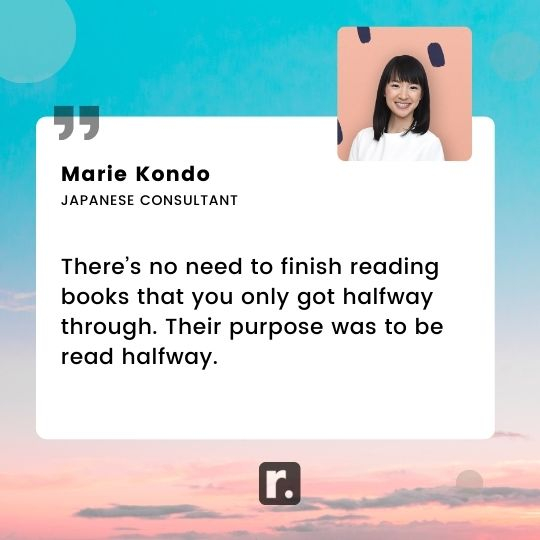
We’ve all been there. The "ball and toss" method seems easy until you realize you’re creating a tangled mess that fights back every time you try to get dressed. In 2026, as we continue to seek more mindfulness in our everyday routines, the way we treat our belongings matters more than ever. It’s not about being perfect. It’s about removing the friction. And surprisingly, the solution isn’t buying new organizers or expensive bins. It’s changing how you fold. Specifically, adopting the technique popularized by Marie Kondo. It turns a chore into a moment of calm. Really.
Why Balling Socks Is Secretly Sabotaging Your Drawers
Let’s talk about the old way. You know the one. You take two socks, shove one inside the other, or roll them into a tight little burrito. It feels efficient in the moment. It keeps them together, sure. But think about what you’re actually doing to the fabric. When you stretch the cuff of one sock over the entire pair, you’re weakening the elastic. Over time, that elastic gives up. The socks become loose, sloppy, and eventually, unwearable. You’re basically killing your socks with kindness.
Beyond the damage to the fabric, there’s the visual chaos. A drawer full of lumpy balls is hard to navigate. You can’t see what you have. You might buy three new pairs of black dress socks because you couldn’t find the two you already owned. It’s wasteful. It’s frustrating. And honestly? It’s kind of disrespectful to the items that keep your feet warm and comfortable every day. The KonMari method flips this script entirely. It treats each sock as an individual item worthy of care, rather than just half of a disposable unit.
This shift in perspective is key. When you stop balling, you start seeing. You notice when a pair is wearing thin. You appreciate the variety you have. And most importantly, you stop fighting with your drawer every single morning. The tension in the fabric is gone, replaced by a gentle fold that preserves the shape. It’s a small change, but the impact on the lifespan of your wardrobe is huge. Plus, no more stretched-out cuffs hanging loosely around your ankles. That alone is worth the effort.
The Step-by-Step Guide to the Perfect Fold
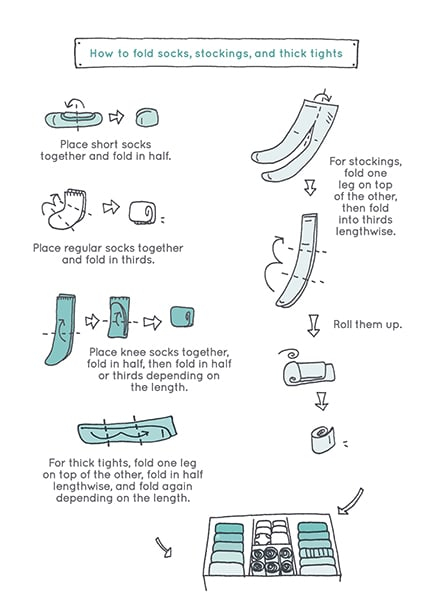
Okay, so how do you actually do it? It looks tricky in videos, but I promise, it’s muscle memory after the third pair. Let’s start with a standard crew-length sock. Lay it flat on a surface, smoothing out any wrinkles. Imagine you’re giving it a little spa treatment. Now, fold it in half lengthwise. Bring the toe end up to meet the cuff end, but don’t go all the way. Leave about an inch or two of space at the top. This creates a long, narrow rectangle.
Next comes the magic part. You’re going to fold it into thirds. Take the toe end and fold it up towards the middle. Then, take the cuff end and fold it down over the toe section. The goal is to create a small, neat packet that can stand on its own. If the sock is longer, you might need to fold it into quarters or even fifths. The rule of thumb? It should stand upright without falling over. If it flops, it’s too loose. If it’s bulging, it’s too tight. Adjust until it feels just right.
For shorter socks, like ankle socks or no-shows, the process is slightly different. Since they don’t have much length, you usually just fold them in half horizontally, then in half again. Or, if they’re very short, a simple trifold works wonders. The key is consistency. Try to make all your socks roughly the same height when folded. This makes arranging them in the drawer much easier. It creates a uniform look that is oddly satisfying to behold. And remember, practice makes perfect. Don’t worry if the first few look a bit wonky. They’ll get better.
Vertical Storage: Seeing Is Believing
Here’s where the real transformation happens. Instead of stacking your folded socks on top of each other like pancakes, you stand them up. Vertically. Side by side. This is the core principle of the KonMari method for drawers. When you stack things, the items at the bottom get crushed and forgotten. You have to dig through the pile to get to what you want, messing up everything else in the process. It’s a cycle of disorder.
By standing them up, every single pair is visible at a glance. You can see the color, the pattern, and the texture without touching anything. Want the blue stripes? Grab the blue stripes. The rest of the drawer stays perfectly intact. It’s like having your own personal sock boutique right in your dresser. This visibility changes how you use your clothes. You start wearing items you forgot you had. You rotate your stock more evenly. And you stop buying duplicates because you finally know what you own.
This vertical arrangement also maximizes space. It sounds counterintuitive, but fitting rectangles tightly together often uses less room than bulky stacks. You can fit more pairs in the same drawer, and they stay organized. If you pull one out, the neighbors don’t collapse. They just stay there, neat and tidy. It’s a self-sustaining system. Once you set it up, it takes minimal effort to maintain. Just put them back the way you found them. Simple.
Sorting and Decluttering Before You Fold
Before you start folding, though, you need to address the elephant in the room. Or rather, the singleton in the drawer. You have to declutter first. Gather every single sock you own. Yes, even the ones hiding in the laundry basket or the back of the closet. Pile them up. It’s probably more than you thought. Now, go through them pair by pair. Hold each pair in your hands. Does it spark joy? Do you actually wear it? Is it holey or stained beyond repair?
Be honest. If you haven’t worn those neon green athletic socks in two years, let them go. If you have ten pairs of identical black work socks but only need five, donate the extras. This step is crucial. You can’t organize clutter. You can only organize what you keep. By reducing the volume, you make the folding and storing process much easier. It also frees up physical and mental space. There’s a lightness that comes with letting go of things that no longer serve you.
As you sort, check for mismatches. Sometimes a sock loses its partner in the dryer abyss. If you can’t find the match, thank the lone sock for its service and recycle it. Don’t keep "just in case" singles. They rarely find their match later. They just take up space. Once you’ve curated your collection to only include the socks you love and use, you’re ready to fold. The process feels much more rewarding when you’re handling items you truly value. It becomes an act of care, not just cleanup.
Choosing the Right Containers and Dividers
Now, let’s talk about containment. While you can stand socks up directly in a large drawer, they might slide around. This is where dividers or small boxes come in handy. Marie Kondo often recommends using shoeboxes or specialized drawer organizers to create distinct sections. You don’t need to buy expensive acrylic bins. Repurposed cardboard boxes cut to size work perfectly fine. The goal is to create little homes for your socks.
Group similar socks together. Keep your athletic socks in one box, your dress socks in another, and your cozy winter woolies in a third. This categorization makes getting dressed even faster. You know exactly which box to reach into depending on your outfit or activity. It reduces decision fatigue. In the morning, when your brain is still waking up, having these clear categories is a gift. You don’t have to think. You just grab and go.
If you have a deep drawer, consider stacking the boxes. But make sure the boxes are sturdy. You want to be able to see the tops of the socks easily. Some people prefer shallow drawers for this reason. If your drawers are deep, you might only fill the front half with socks and use the back for bulkier items like sweaters. Experiment with what works for your specific furniture. The container should support the method, not complicate it. Keep it simple. Keep it accessible.
So, you’ve folded. You’ve sorted. Your drawer looks like a magazine spread. Now what? The hard part is keeping it that way. But here’s the secret: it’s actually easier to maintain than to fix. When you take off your socks at night, don’t just toss them in the hamper inside-out and twisted. Take a second to turn them right side out. Pair them up immediately. This tiny habit saves you hours of sorting time on laundry day. It’s a small investment with a huge return.
When you put the clean, dry socks away, take a moment to refold them properly. Don’t rush. Use this time as a mini-meditation. Feel the fabric. Appreciate the warmth they provide. It sounds cheesy, but this mindfulness anchors the habit. If you view folding as a chore, you’ll resist it. If you view it as a ritual of self-care, you’ll embrace it. Over time, it becomes automatic. You’ll find yourself naturally folding other items this way too. Towels, underwear, t-shirts. The calm spreads.
And remember, perfection isn’t the goal. Life happens. Sometimes you’re late. Sometimes you’re tired. If the drawer gets a little messy, don’t beat yourself up. Just reset it when you have a quiet moment. The system is forgiving. It’s designed to be resilient. The beauty of the vertical fold is that it’s easy to spot when something is out of place. A fallen sock is obvious. You just stand it back up. Five seconds. Done. The barrier to entry for maintaining order is incredibly low.
In the end, transforming your sock drawer isn’t really about socks. It’s about taking control of your environment. It’s about creating small pockets of order in a chaotic world. When you open that drawer in 2026 and see rows of neat, standing socks, you’ll feel a subtle sense of relief. A breath of calm. It’s a small win, but small wins add up. They build momentum. They remind you that you have the power to shape your surroundings. So go ahead. Try it. Fold one pair. Stand it up. See how it feels. You might just find that this little rectangle of fabric brings a lot more joy than you expected.