Ever feel like your workshop is shrinking? You walk in, tripping over a half-empty can of primer, and realize there’s barely enough room to swing a hammer, let alone a spray gun. It’s frustrating. We’ve all been there. The clutter isn’t just annoying; it kills creativity. When you can’t find the right color or the nozzle is clogged because it was tossed in a drawer, the whole project grinds to a halt. But what if the solution wasn’t building a bigger garage? What if it was just about using the space you already have, but smarter?
That’s where the double-sided paint can storage system comes in. It sounds simple, maybe even obvious. But honestly, most people overlook it. They buy single-tier racks that eat up floor space or wall mounts that only hold six cans. Meanwhile, their collection grows. By 2026, the trend in small-space living and working has shifted heavily toward vertical and dual-access solutions. It’s not just about stacking things high; it’s about making every inch count from both sides. This approach transforms a chaotic corner into a streamlined command center. And the best part? It doesn’t require a degree in engineering to set up.
Why Traditional Storage Fails the Modern Maker
Let’s be real for a second. Most standard storage options are designed for big, empty garages. You know the type—those wide, shallow shelves that look great in a catalog but take up three feet of precious floor space in your actual studio. In a small workspace, floor real estate is gold. Every square inch counts. When you use a traditional single-sided rack, you’re essentially wasting the back half of the unit. It’s dead space. You can’t reach it, so you don’t use it. Or worse, you shove stuff back there and forget it exists until you move house.
Double-sided systems flip this logic on its head. By allowing access from both the front and the back, they cut the required footprint in half while doubling the capacity. Think about it. A rolling cart that’s 17 inches deep can hold 50 cans if it’s double-sided. A single-sided shelf holding the same amount would need to be twice as deep or twice as long. That’s a huge difference when you’re trying to squeeze a workbench, a tool chest, and your projects into a 10×10 shed. It’s not just about quantity, though. It’s about flow. When you can grab a can from either side, you stop walking around obstacles. You keep moving. And in a small space, momentum is everything.
There’s also the issue of visibility. With single-sided storage, cans in the back get lost. They gather dust. The labels fade. You end up buying duplicates because you forgot you already had "Midnight Blue." Double-sided racks, especially tiered ones, keep every label facing out. Whether you’re approaching from the left or the right, you see what you have. This transparency reduces waste and saves money. It’s a small change, but it adds up. Plus, many modern designs, like the heavy-duty metal racks popular in 2026, include top trays for nozzles and hooks for tools. It turns a simple storage unit into a multi-functional station.
The Anatomy of a High-Performance Double-Sided Rack
Not all racks are created equal. If you’re going to invest in a double-sided system, you need to know what makes one tick. The core feature is, obviously, the two-sided design. But look closer. The best units use a tiered or stepped layout. This ensures that even the cans in the back row are visible and accessible. Without tiers, you’d still be digging for that can in the back. Tiered designs lift the rear row slightly, giving you a clear line of sight. It’s a simple mechanical trick, but it works wonders for organization.
Material matters too. You’re storing pressurized containers, often filled with flammable solvents. Cheap plastic might crack under the weight of 50 cans. Steel is the way to go. Look for powder-coated finishes. They resist rust, which is crucial if your workspace is in a damp basement or an unheated shed. Rust isn’t just ugly; it weakens the structure. A sturdy metal frame ensures stability, especially if you opt for a rolling cart. Speaking of wheels, mobility is a key component of these systems. Universal casters allow you to move the entire unit out of the way when you need more floor space for a large project. Then, roll it back when you’re done. It’s like having a pop-up storage closet.
Don’t ignore the accessories. Top-tier models in 2026 come with integrated features. A top storage tray is perfect for keeping spray heads, caps, and stir sticks handy. Hooks on the sides can hold rags, brushes, or even extension cords. These little additions keep the clutter off your workbench. When everything has a place, cleanup takes minutes instead of hours. And let’s face it, the less time you spend cleaning, the more time you spend creating. It’s about designing a system that works with your workflow, not against it.
Safety First: Managing Hazards in Tight Quarters
Storing paint and aerosols in a small space isn’t just about organization; it’s about safety. Aerosol cans are pressurized. They can explode if exposed to high heat or punctured. In a cramped workshop, risks multiply. You might lean a ladder against the rack, or accidentally knock a can off a shelf. Double-sided systems help mitigate some of these risks by keeping cans secure and upright. But you need to be smart about placement. Never store these racks near heat sources like water heaters, furnaces, or direct sunlight through a window. Heat builds up fast in small rooms.
Ventilation is another critical factor. Even when capped, cans can leak small amounts of volatile organic compounds (VOCs). In a tiny shed, these fumes can accumulate quickly. Make sure your workspace has adequate airflow. If you’re using a rolling cart, you can move it outside or into a well-ventilated area when not in use. This flexibility is a huge safety advantage over fixed wall mounts. Also, check the weight rating of your rack. Overloading a flimsy unit can lead to collapse. A 50-can rack holds a lot of weight—often over 100 pounds. Ensure the floor can handle it, and that the rack itself is built to spec.
Fire prevention is non-negotiable. Keep a fire extinguisher nearby, specifically one rated for chemical fires. Don’t block access to it with your new storage system. Some users make the mistake of pushing the rack into a corner to save space, but this traps heat and makes it hard to reach cans in the back. Leave a few inches of clearance around the unit. This air gap helps dissipate any minor heat buildup and makes inspection easier. Regularly check cans for dents or leaks. A damaged can is a ticking time bomb. If you spot one, dispose of it properly. Don’t just toss it in the trash.
Choosing Between Wall-Mounted and Rolling Solutions
So, which type should you choose? It depends on your specific space and needs. Wall-mounted racks are great for permanent setups. They free up floor space entirely, which is ideal if every square foot of floor is needed for work. A typical wall mount might hold 24 cans in a vertical, six-tier design. It’s compact, usually only 5 inches deep. But it’s fixed. You can’t move it. If you rearrange your shop, you’re stuck with holes in the wall. Also, installation requires finding studs or using heavy-duty anchors. Drywall alone won’t hold the weight of a full rack.
Rolling carts, on the other hand, offer flexibility. Models like the YOHKOH or Yeshine racks hold up to 50 cans and can be moved anywhere. This is perfect for renters or those who share a workspace. You can tuck the cart under a table when not in use. Or roll it next to your project for easy access. The trade-off is depth. A rolling cart needs about 18 inches of floor space. But since it’s double-sided, that 18 inches serves two purposes. It’s a fair exchange for the mobility. Plus, many rolling units have a smaller footprint than you’d think because they grow vertically, not horizontally.
Consider your workflow. Do you move around the room a lot? Do you need to clear the floor for large items like bikes or lumber? If so, go rolling. Do you have a dedicated corner that never changes? Wall-mount might be cleaner. Some people even mix both. A small wall mount for frequently used colors and a rolling cart for bulk storage. This hybrid approach maximizes vertical and horizontal space. It’s about layering your storage. Don’t think of it as an either/or choice. Think of it as building a system that adapts to you.
DIY vs. Buying: What’s Right for You?
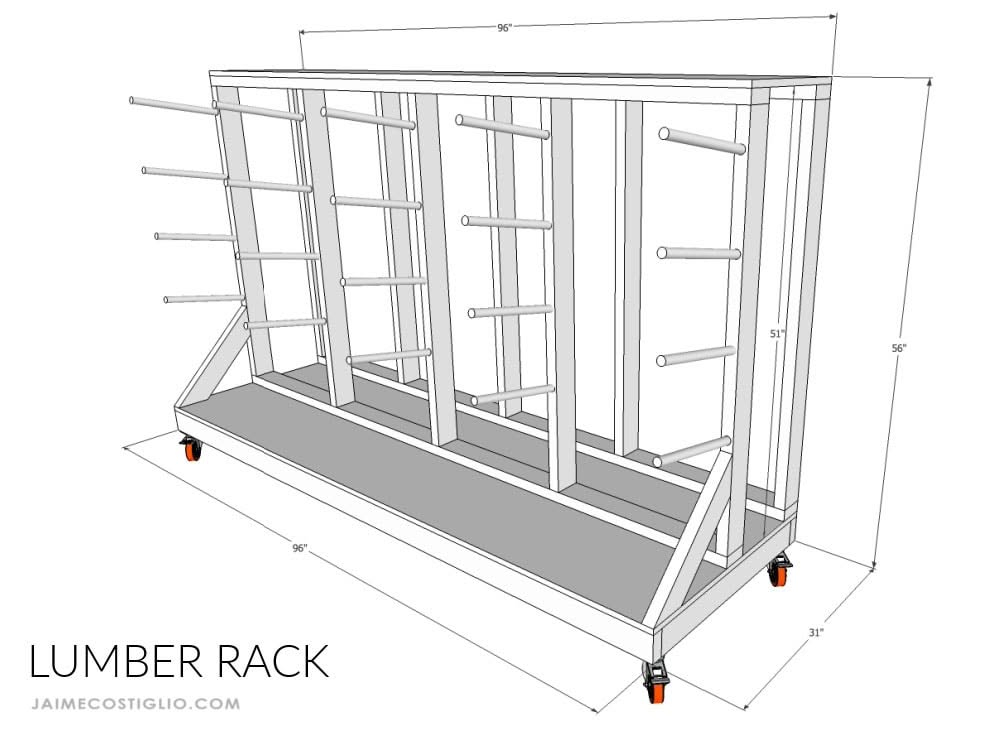
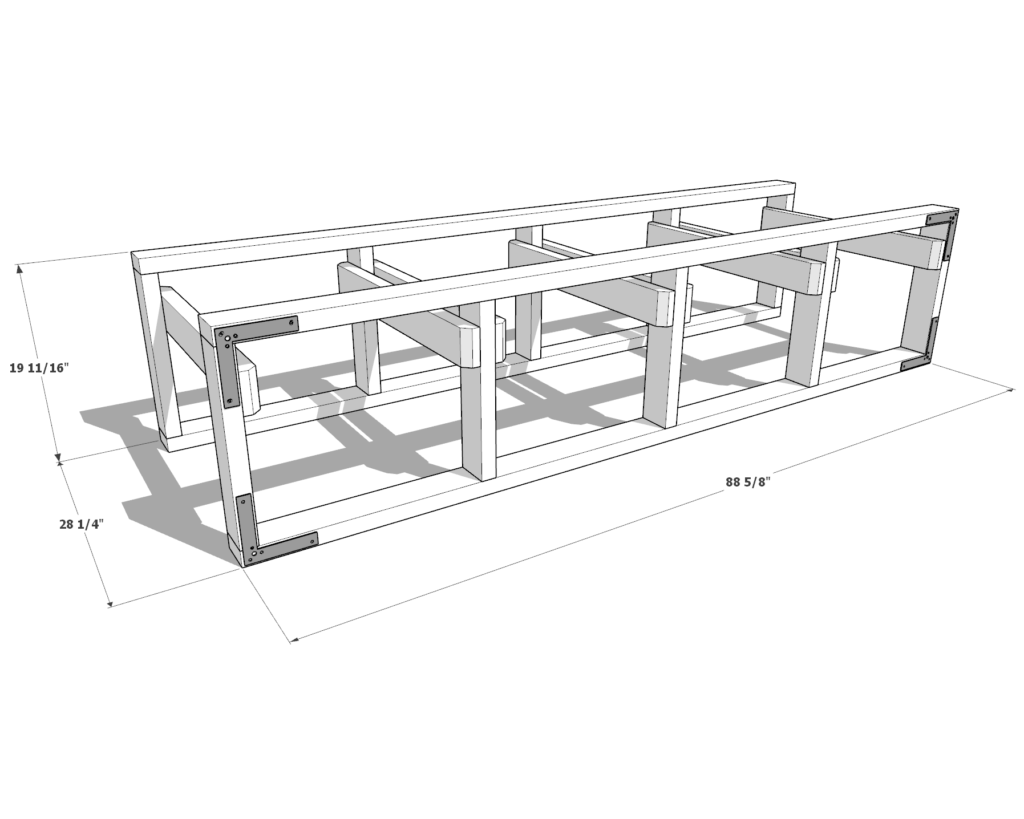
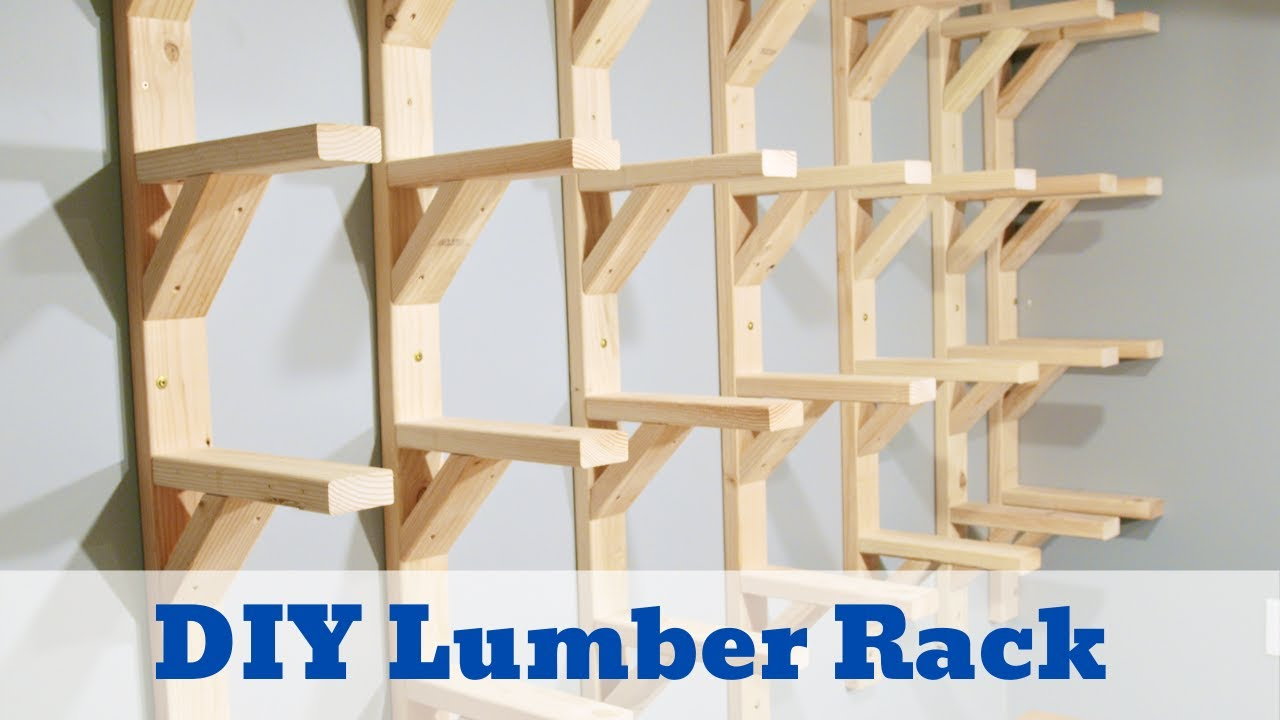
You might be tempted to build your own rack. After all, woodworking plans are plentiful online. DIY can be rewarding and cheaper. You can customize the dimensions to fit that weird nook in your shop exactly. But be honest about your skills and time. Building a sturdy, tiered, double-sided rack that safely holds 50 cans isn’t a weekend beginner project. It requires precise cuts, strong joinery, and proper finishing. Wood can warp, especially in humid environments. Metal is harder to work with without specialized tools.
Buying a pre-made unit often makes more sense in 2026. The market is flooded with affordable, high-quality options. You get consistent quality, tested weight limits, and features like powder coating and caster wheels right out of the box. No sanding, no staining, no worrying about whether your screws will hold. The time you save can be spent on your actual projects. However, if you do go DIY, focus on safety. Use thick hardwoods or plywood. Reinforce joints with brackets. And never skip the finish. Seal the wood to protect against spills and humidity.
Cost is a factor, but don’t cheap out on safety. A $30 rack that collapses isn’t a bargain. Look for reviews that mention sturdiness and ease of assembly. Many users report that mid-range metal racks offer the best balance of price and performance. They last for years. If you’re on a tight budget, consider starting with a smaller unit and expanding later. Organization is a journey, not a one-time purchase. Start with what you can afford, but prioritize stability. Your peace of mind is worth it.
Owning the rack is step one. Using it effectively is step two. Start by sorting your cans. Group them by type—primers, paints, clears, lubricants. Then, sort by color or frequency of use. Keep your most-used colors at eye level and within easy reach. Less frequently used items can go on the bottom or top tiers. This reduces bending and stretching. It sounds basic, but it saves energy over time. Label everything if the cans aren’t already clear. Use a label maker or masking tape. Consistency is key.
Rotate your stock. Use the oldest cans first. Paint has a shelf life. If you leave a can sitting for five years, it might separate or cure inside the can. Check dates if possible. If not, shake them regularly. A good double-sided rack makes rotation easy because you can see all the cans. Pull the front ones out, use them, and restock from the back. This "first-in, first-out" method prevents waste. It also keeps your inventory fresh. You’ll be surprised how much paint you actually have when you can see it all.
Finally, maintain the system. Wipe down the rack monthly. Dust and overspray can build up, making it slippery or unsightly. Check the wheels on rolling carts. Lubricate them if they start to stick. Inspect the cans for rust or damage. A clean, well-maintained storage system invites you to keep it that way. It becomes a point of pride in your shop. And when your space is organized, your mind is clearer. You spend less time searching and more time doing. That’s the real benefit of maximizing your small workspace. It’s not just about storage; it’s about freedom.
In the end, a double-sided paint can storage system is more than just a rack. It’s a tool for reclaiming your space. It turns chaos into order. It makes small workshops feel bigger, safer, and more productive. Whether you choose a rolling cart or a wall mount, the principle remains the same: use vertical space, ensure accessibility, and prioritize safety. As we move further into 2026, the demand for efficient, compact solutions will only grow. Embrace the double-sided approach. Your future self, standing in a clean, organized shop, will thank you. It’s a small change with a massive impact. So, measure your space, pick your system, and start organizing. You’ve got this.