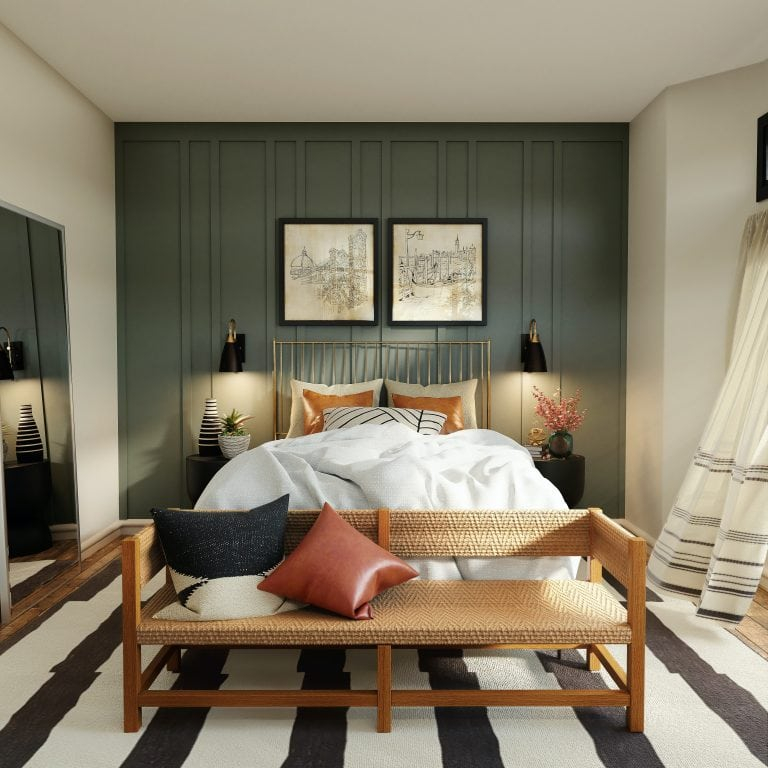
We have all been there. You stare at the blank wall behind your bed, knowing it needs something, but terrified it will end up looking like a college dorm experiment gone wrong. For years, the accent wall got a bad rap. It became synonymous with that one dark blue wall everyone painted in 2015 that just made the room feel smaller and oddly disconnected. But things have shifted. In 2026, the accent wall is back, but it is smarter. It is softer. And most importantly, it is actually about you.
It is not just about slapping a coat of paint on a surface and hoping for the best. Today, it is about intention. It is about creating a focal point that pulls the whole room together, making your sanctuary feel finished and warm. Whether you are renting an apartment or owning a forever home, this single design move can change the entire vibe of your space without requiring a massive budget or a contractor. Let’s look at how to get it right this time.
Why The "Paint One Wall Dark" Strategy Is Dead
Let’s be honest. The old rule of "pick the wall behind the bed and paint it black" was lazy design. It often resulted in a space that felt like an afterthought rather than a curated retreat. In 2026, we are moving away from arbitrary choices and toward walls that serve a purpose. An accent wall should not just be different; it should be meaningful. It needs to anchor the room.
Think about how you use your bedroom. Is it a place for deep sleep? A spot for morning coffee and reading? Or maybe a multi-use space where you also work? The wall needs to support that function. If you need calm, a chaotic pattern might keep your brain active when you are trying to wind down. If you need energy, a flat beige wall might feel depressing. The key is alignment. The wall should reflect the mood you want to cultivate every time you walk through the door.
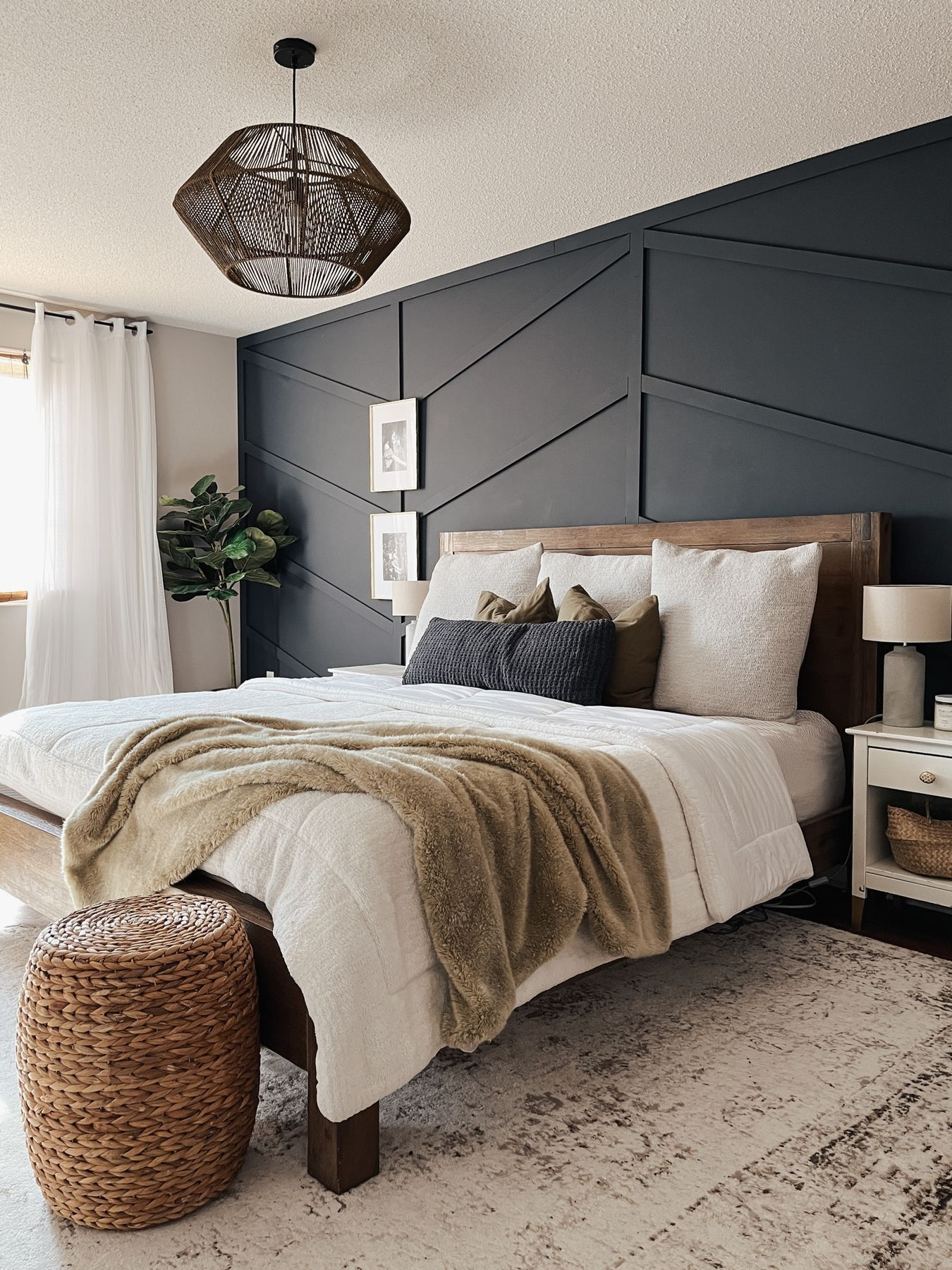
This shift means we are seeing fewer stark contrasts and more tonal harmony. Instead of a jarring jump from white to navy, designers are using shades that are two or three steps darker or lighter than the surrounding walls. This creates depth without the visual shock. It feels intentional. It feels like the room grew that way, rather than having something done to it. That subtle difference is what makes a space feel high-end and personal, rather than like a quick fix.
Texture Is The New Color Palette
If there is one major trend defining 2026, it is texture. We are moving past flat paint as the only option. People are craving surfaces they can feel, even if just visually. Textured finishes add a layer of sophistication that color alone cannot achieve. They catch the light differently throughout the day, making the wall feel alive. This is huge for bedrooms, where lighting changes from the harsh morning sun to the soft glow of bedside lamps.
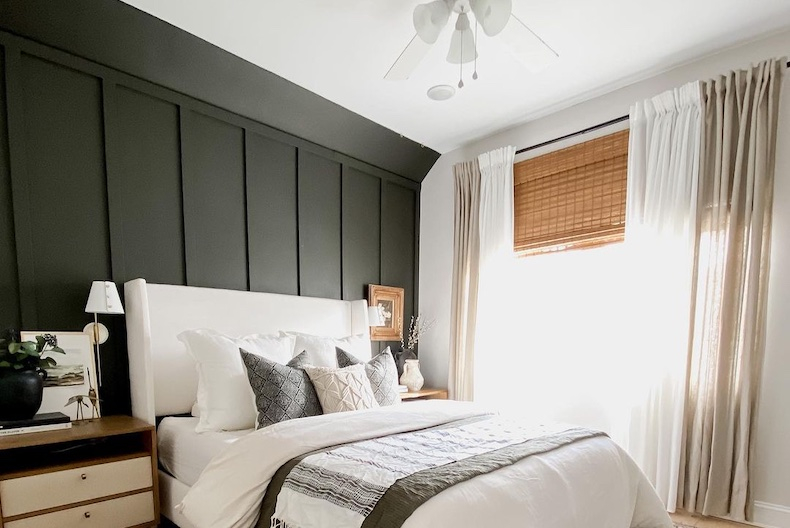
Consider materials like limewash, clay plaster, or even simple wood slats. Limewash has become incredibly popular because it is forgiving and organic. It has a cloudy, mottled appearance that hides imperfections and adds a sense of history to a new build. It feels earthy and grounded. For a more modern look, vertical wood paneling or fluted panels add rhythm and height to a room. They draw the eye up, making ceilings feel taller and spaces airier.
You do not need to break the bank for this either. There are peel-and-stick options now that mimic these high-end textures surprisingly well. Renter-friendly solutions have come a long way. You can find removable wallpaper with raised textures or 3D foam panels that look like stone or brick. The goal is to add tactile interest. When you run your hand along the wall, or even just look at it from across the room, you should sense a complexity. It stops the eye. It invites you in. That is the power of texture.
Choosing Colors That Match Your Energy
Color psychology is not new, but our understanding of it has deepened. In 2026, we are not just picking "pretty" colors. We are picking colors that regulate our nervous systems. The bedroom is the last place you see before you sleep and the first place you see when you wake up. The color on that accent wall sets the tone for both moments. So, what does your energy need?
For those who struggle with anxiety or insomnia, cool, muted tones are still king. Think sage greens, dusty blues, and soft lavenders. These colors lower heart rates and signal safety to the brain. However, the trend is shifting away from cold sterility. These colors are being warmed up with earthy undertones. A green with a bit of yellow in it feels more natural and less clinical. A blue with a hint of gray feels more like a stormy sky than a hospital scrub.
On the other hand, if you struggle with morning grogginess or lack of motivation, warmer tones can help. Terracotta, warm ochre, or even a deep, rich plum can feel energizing without being aggressive. These colors mimic the warmth of sunrise. They feel cozy and enveloping. The trick is saturation. You want enough pigment to make a statement, but not so much that it feels heavy. Test your samples at different times of day. A color that looks great at noon might look muddy at 8 PM. Always check the night-time vibe.
Patterns With Purpose, Not Just Noise
Patterns can be tricky. Done poorly, they create visual noise that makes a small room feel cluttered and chaotic. Done well, they add personality and scale. The secret in 2026 is scale and placement. Large-scale patterns work best in larger rooms, while smaller, tighter patterns suit compact spaces. But beyond size, the type of pattern matters. Organic, flowing patterns feel more relaxing than rigid, geometric ones.
Botanical prints, abstract watercolors, and soft stripes are dominating the scene. They bring a sense of nature indoors, which is a huge comfort factor for many people. Imagine waking up to a wall that looks like a misty forest or a soft cloud formation. It is calming. It connects you to the outside world without the distraction of actual views. These patterns act as art, eliminating the need for multiple framed pieces above the bed.
If you are hesitant about committing to a full wall of pattern, try a mural style. Many companies now offer custom-sized wallpapers that fit your exact wall dimensions. You can choose a design that fades out at the edges, blending into the painted walls. This creates a seamless transition that feels bespoke. It avoids the hard lines of traditional wallpaper borders, which can look dated. The goal is immersion, not interruption. Let the pattern wrap around you gently.
Lighting: The Secret Ingredient You Forget
You can pick the perfect color and texture, but if your lighting is bad, the wall will fail. Lighting is what brings the accent wall to life. In 2026, we are seeing a move away from single overhead sources toward layered lighting that highlights architectural features. The accent wall needs its own dedicated light source to show off its depth and hue.
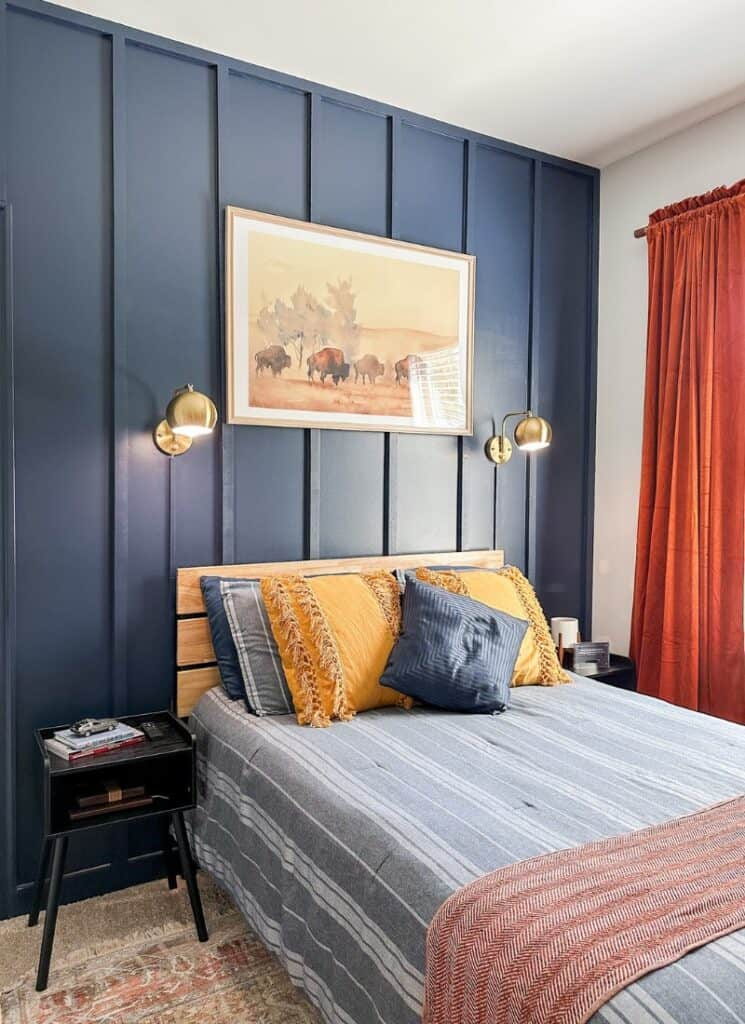
Sconces are making a huge comeback. Mounted on either side of the bed, they wash the wall with light, highlighting any texture or pattern. Choose fixtures that direct light upward or downward, depending on the effect you want. Up-lighting emphasizes ceiling height and creates a soft glow. Down-lighting is more focused and practical for reading. Brass and matte black finishes are still popular, but we are also seeing more ceramic and glass options that add their own sculptural element.
Don’t forget about ambient light too. A floor lamp in the corner can bounce light off the accent wall, softening the shadows. Dimmers are non-negotiable. You need to be able to lower the intensity as the evening progresses. Harsh bright light on a dark accent wall can create glare and eye strain. Soft, warm light enhances the richness of the colors and makes the textures pop. Think of lighting as the makeup for your wall. It defines the features and sets the mood.
It is easy to get caught up in the "now." Social media feeds are full of fleeting trends that look great in photos but feel tired in real life. The key to a bedroom accent wall that feels like you is to filter trends through your personal lens. Ask yourself: Will I still like this in three years? If the answer is no, tweak it. Maybe you love the idea of a bold red wall, but you know it will stress you out. Try a deep burgundy instead. It satisfies the urge for drama but ages better.
Invest in quality materials where it counts. If you are painting, use high-quality paint with a durable finish. If you are installing wood, seal it properly. These small steps ensure the wall looks good for years, not just months. Also, consider the rest of the room. The accent wall should not stand alone. Pull colors from it into your bedding, rugs, or curtains. This creates a cohesive look that feels designed, not accidental.
Finally, give yourself permission to change it. One of the beauties of an accent wall is that it is contained. If you hate it in six months, you only have to redo one wall. That is low stakes. Use that freedom to experiment. Try a removable wallpaper first. Test a paint sample on a large board before hitting the wall. Design is a process, not a final exam. The best rooms are the ones that evolve with you. So, start small, trust your gut, and make it yours.
Creating a bedroom accent wall in 2026 is less about following a strict rulebook and more about listening to what your space needs. It is about combining texture, color, and light in a way that supports your daily life. By focusing on intention over impulse, you can create a backdrop that not only looks stunning but feels like home. Take your time. Play with ideas. And remember, the best design is the one that makes you breathe a little easier when you walk in the door.